











We live in an era of information overload, and unfortunately, misinformation spreads just as fast. When myths about breast cancer circulate unchallenged, they do real harm. They can delay diagnosis, discourage screening, or make women second-guess medical advice that could save their lives.
Some avoid mammograms because they’ve heard they “cause cancer.” Others ignore a lump because they believe breast cancer only happens to those with a family history. Even well-meaning social media posts can blur the line between awareness and alarm.
Here’s the thing: true breast cancer awareness isn’t about pink ribbons, hashtags, or one-month campaigns. It’s about understanding what’s actually true, what’s exaggerated, and what’s downright false. Awareness without accuracy helps no one. When you know the facts, you can make informed choices, ask the right questions, and catch warning signs early, when treatment works best.
In this article, we’ll unpack 10 of the most common breast cancer myths, explain where they come from, and replace them with evidence-backed truths. Whether you’re reading this for yourself, a loved one, or to help others, consider this your myth-busting guide to real breast health awareness.
Read More: Empowerment and Education: Understanding Breast Cancer
Myth 1: Only older women get breast cancer

The myth: Breast cancer is a disease of middle age or beyond.
Reality: While age is a strong risk factor, younger women can and do develop breast cancer.
- According to various cancer registries, about 5–7 % of breast cancer cases occur in women under 40. (Some sources expand that to ~8–10 % depending on the region and year.)
- Younger-onset breast cancers are often more aggressive and may be diagnosed at later stages, because symptoms are more likely to be dismissed or misattributed.
- As one expert put it: “Breast cancer can affect women of any age,” and younger patients should be attentive to changes in breast tissue.
Takeaway: Don’t assume you’re “too young” for breast cancer. If you notice changes, a lump, thickening, skin dimpling, nipple changes, get them evaluated, regardless of age.
Myth 2: If you don’t have a family history, you’re safe

The myth: Only women with breast cancer in their family need to worry.
Reality: Most women diagnosed with breast cancer have no family history.
- Only 5–10 % of breast cancers arise from inherited (hereditary) mutations like BRCA1, BRCA2, or related genes.
- org notes that 85–90 % of cases are not linked to inherited mutations, so a clean family history does not mean zero risk.
- Lifestyle factors, reproductive history, hormonal exposures, and random cell mutations all play significant roles.
As Dr. Crystal Fancher, a surgical breast oncologist, explained to us, “only about 5–10% of breast cancers are caused by a genetic mutation that is passed between family members. This means that the majority of breast cancers are sporadic or have no hereditary cause.”
Takeaway: Even if no one in your family has had breast cancer, vigilance still matters; screening, awareness, and healthy habits remain important.
Myth 3: A breast lump always means cancer
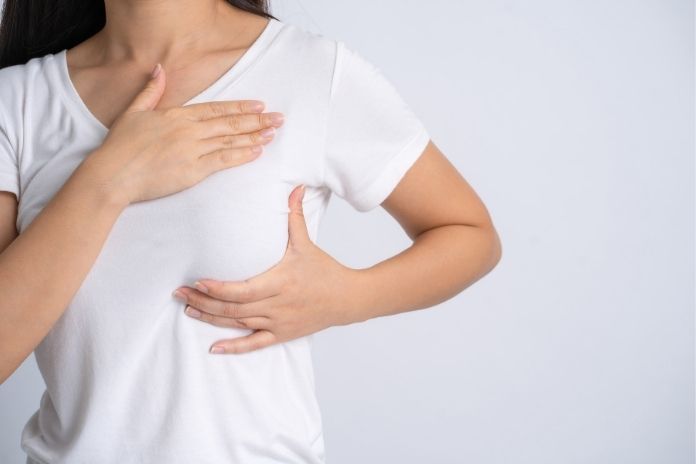
The myth: If you feel a lump, it’s cancer.
Reality: Most breast lumps are benign, but any new lump should be assessed.
- Common benign causes include cysts (fluid-filled sacs), fibroadenomas, fat necrosis (especially after injury), or fibrocystic changes.
- UChicago Medicine notes: “Only a small number of breast lumps turn out to be cancer,” but you can’t tell by feel alone.
- On the other hand, not all cancers present as palpable lumps. Some cancers show up as skin changes, distortions, microcalcifications (on imaging), or subtle asymmetry.
Takeaway: Don’t panic if you feel a lump, but don’t ignore it either. Always have new or persistent lumps evaluated by a physician and via imaging/biopsy as needed.
Myth 4: Mammograms cause cancer or are unsafe
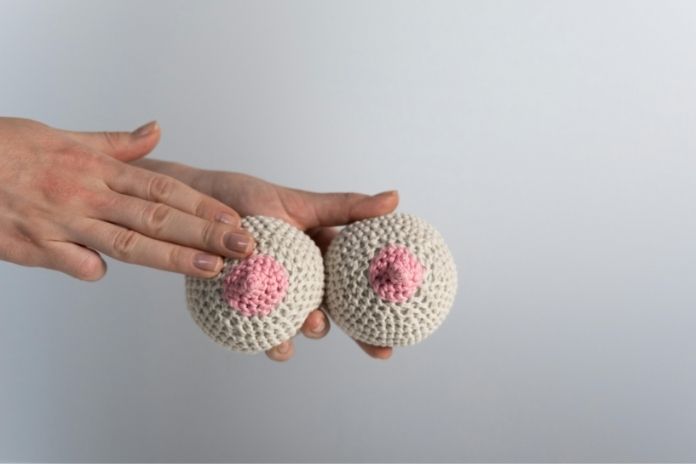
The myth: Mammograms emit dangerous radiation or can trigger cancer.
Reality: Mammograms use a very low dose of radiation, which is considered safe, and the benefit of early detection far outweighs the minimal risk.
- According to the U.S. CDC, mammogram radiation doses are comparable to a few months of average background radiation.
- The National Breast Cancer Foundation states: “Compression and low-dose radiation used in mammograms do not cause cancer or spread it.”
- In fact, regular mammography can reduce breast cancer mortality by catching earlier, more treatable cancers.
- In response to the myth that compression or biopsy “spreads” cancer, the National Cancer Institute affirms: there is no solid evidence that diagnostic procedures cause cancer spread.
Takeaway: Don’t avoid mammograms out of fear. Talk to your doctor about the schedule that fits your risk level, and remember the life-saving value of early detection.
Myth 5: Breast cancer always causes pain or obvious symptoms

The myth: You’ll know because it will hurt or show dramatic signs.
Reality: Early breast cancer is often silent; there may be no pain, redness, or obvious symptoms.
- Many breast cancers are discovered on screening mammograms before symptoms ever arise.
- Some subtle signs can be nipple changes (inversion, discharge), skin dimpling, localized thickening, or breast asymmetry, but these are easily missed if you assume “no pain = no cancer.”
- Therefore, self-awareness, regular clinical exams, and screening (as recommended) are crucial for catching disease early.
Many people assume that a lump is the first sign of breast cancer, but this isn’t always the case. According to Dr. Nighat Arif, an NHS and private GP specializing in women’s health, breast cancer can present in very subtle ways, especially at early stages. “Early on, there may be no obvious symptoms at all,” she explains.
Takeaway: Don’t wait for pain. Watch for any persistent changes and make screening part of your health routine.
Myth 6: Only women get breast cancer
The myth: Breast cancer is strictly a woman’s disease.
Reality: Men can get breast cancer, too, though it’s rare.
- Men account for about 1% of all breast cancer cases.
- Male breast cancer is often diagnosed later because awareness is low and symptoms are ignored or misattributed (e.g., “just fat tissue”).
- Imaging studies in high-risk men suggest that mammography can be useful; in one retrospective series, detection rates in men at elevated risk were promising.
Takeaway: Men (especially those with risk factors or symptoms) should also monitor breast changes, lumps, nipple changes, skin retraction, and seek evaluation without stigma.
Myth 7: Wearing a bra or using deodorant causes breast cancer

The myth: Underwire bras, tight bras, or antiperspirants/deodorants (especially with aluminum) raise breast cancer risk.
Reality: There is no credible scientific evidence that bras (of any kind) or deodorants cause breast cancer.
- The myth of deodorant linking to cancer started as an email hoax in the 1990s and has no robust scientific support.
- The National Cancer Institute clearly states that few data support a link between underarm antiperspirants/deodorants and breast cancer.
- Similarly, multiple sources affirm there is no evidence that underwire or tight bras increase risk.
Takeaway: Ignore the bra/deodorant rumors. Focus on evidence-based risk factors and preventive steps instead.
Myth 8: A healthy lifestyle means you can’t get breast cancer
The myth: If I eat well, exercise, and avoid bad habits, I’m fully protected.
Reality: Healthy habits reduce risk, but they don’t guarantee immunity.
- Even women with ideal weights, diets, exercise routines, and no known risk factors have developed breast cancer.
- But, and this is crucial, healthy habits are among the strongest modifiable protections we have. They improve outcomes, reduce recurrence risk, and support resilience to treatment.
“While it is true that postmenopausal women who are overweight are at an increased risk of developing breast cancer, there is nothing that a woman can do to eliminate breast cancer risk,” explained Dr. Michael Zeidman, an assistant professor of breast surgery at Icahn School of Medicine at Mount Sinai in New York City.
Takeaway: Don’t view healthy living as a guarantee, but rather a powerful tool in your risk-reduction arsenal.
Myth 9: All breast cancers are the same
The myth: There’s just “breast cancer”, one disease.
Reality: Breast cancer is a spectrum; different subtypes demand different strategies.
- Breast cancers are classified by hormone receptors (ER/PR), HER2 status, whether they are triple-negative, by proliferative index, and more. Each subtype behaves and responds differently to therapies.
- For instance, triple-negative breast cancers often have fewer therapeutic options and tend to be more aggressive; hormone receptor–positive cancers often respond to endocrine therapy.
- This variability is exactly why personalized medicine, genomic assays, and targeted therapy have become central to modern oncology.
Takeaway: Don’t lump all breast cancers together. Subtype matters. Your treatment, follow-up, and prognosis depend heavily on the biological characteristics of your tumor.
Myth 10: A mastectomy guarantees cancer won’t return
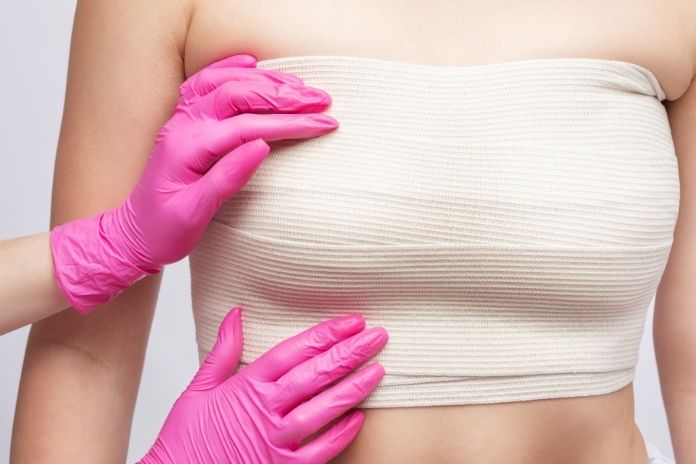
The myth: Remove the breast (or both), and you’re safe forever.
Reality: While surgery can remove detectable cancer, recurrence remains possible, and ongoing surveillance and therapy matter.
- Even after mastectomy (especially for therapeutic or preventive reasons), residual microscopic disease in regional lymph nodes or chest wall tissue can lead to recurrence. Regular follow-up is crucial.
- Some women still require radiation, systemic therapy (hormonal, chemo, targeted), or further imaging surveillance depending on tumor type and stage.
- Survivorship guidelines emphasize that a mastectomy is one component, not an endpoint, of the ongoing care trajectory.
Takeaway: Mastectomy is a major step, but not the full stop. Continue with surveillance, healthy habits, and risk management post-surgery.
Read More: 9 Early Signs Of Breast Cancer – Know The Risks Before
Key Takeaway
Breast cancer myths do more than confuse; they can put lives at risk. On one hand, they can create a false sense of security, making women believe they’re “safe” when they’re not.
On the other hand, they can cause unnecessary fear, anxiety, and hesitation to seek medical care. Both extremes are dangerous because they delay action, and in breast cancer, early detection truly makes a difference.
The real defense isn’t fear or wishful thinking; it’s informed vigilance. Understand your personal risk factors, follow recommended screening guidelines, pay attention to changes in your breasts, and seek professional advice promptly when something feels off. Evidence-based prevention, regular check-ups, and timely intervention are far more powerful than any myth or rumor.
At the end of the day, myths may comfort or terrify, but facts empower. Knowledge gives you control over your health, allowing you to make proactive choices rather than reactive guesses. By separating truth from fiction, you protect yourself and those you care about, and that is the truest form of breast cancer awareness.
FAQs About Breast Cancer Myths
Can men really get breast cancer? Yes. While rare (about 1 % of breast cancer cases), men do get it. If a man notices a lump, nipple changes, or skin alteration in the chest area, he should seek evaluation.
Are natural or herbal remedies effective for prevention? Currently, no strong scientific evidence supports any herbal or “natural” remedy as a reliably preventive agent for breast cancer. Some supplements carry risks or interfere with medications. Focus on known protective factors (diet, exercise, screening) and always consult your doctor before trying any supplement.
Does stress cause breast cancer? There is no convincing evidence that stress directly causes breast cancer. A review in Medical News Today summarized Dr. Zeidman’s view: “There is absolutely no evidence to support a link between stress and breast cancer.” But stress may indirectly influence health behaviors (sleep, diet, smoking), which are relevant.
How can I tell if a breast lump is dangerous? You can’t reliably tell by touch. Warning signs include: a new lump or thickening, changes in breast shape, nipple retraction or discharge, skin dimpling, redness, or swelling. Any persistent change (beyond 2–3 menstrual cycles if premenopausal) should prompt imaging (ultrasound, mammogram) and possibly biopsy.
How often should I get a mammogram? That depends on your age, risk factors, and guidelines in your region. In the U.S., typical guidance is biennial mammograms for women aged 50–74, and women aged 40–49 should talk to their clinician about when and how often. If you’re at high risk (family history, dense breasts, prior chest radiation, genetic mutation), your doctor may recommend earlier and more frequent screening.
References
- https://www.breastcancer.org/facts-statistics/myths-vs-facts
- https://www.maxhealthcare.in/blogs/10-myths-about-breast-cancer
- https://www.nationalbreastcancer.org/breast-cancer-myths/if-you-have-a-family-history-of-breast-cancer-you-are-likely-to-develop-breast-cancer-too
- https://www.nationalbreastcancer.org/breast-cancer-myths
- https://drrksaggu.com/debunking-6-common-myths-about-breast-cancer-unveiling-the-real-facts
- https://www.nationalbreastcancer.org/male-breast-cancer
- https://www.bcrf.org/about-breast-cancer/breast-cancer-myths-debunked
- https://acsearch.acr.org/docs/3196044/Narrative
- https://www.medicalnewstoday.com/articles/medical-myths-15-breast-cancer-misconceptions
- https://www.cdc.gov/radiation-health/data-research/facts-stats/mammograms.html
- https://www.stopbreastcancer.org/information-center/myths-truths
- https://www.bannerhealth.com/healthcareblog/teach-me/breast-cancer-facts-and-myths
- https://williamsonhealth.org/medical-services/the-turner-dugas-breast-health-center/breast-cancer-facts-and-myths
In this Article