















We often wish to give our best at the gym or while working out. However, sometimes you just feel so shaken, quite literally. The last time I was pushing myself for that one last rep of squat, I trembled. Not in fear or anything else, but plain shaking.
Has something like this ever happened to you? You are in a plank position or grinding out the final few reps of a tough strength circuit when it happens. You feel that your muscles start to shake, and you are not sure if it is normal exhaustion or an indication that something has gone wrong.
Muscles shaking during a workout can feel strange, but in many cases, it is completely normal. Often, it means your muscles are being pushed to their limits in a way that encourages growth and strength. However, shaking can also be your body’s way of signaling that something is off, like low energy, poor hydration, or overexertion.
In this article, we will discuss the most frequent causes of your muscles shaking when you exercise. You will know when this shaking is harmless, when it could signal something wrong, and how you can help your body recover.
Read More: AI-Powered Workouts: How Smart Tech Is Personalizing Fitness Routines in 2025
Is It Normal for Muscles to Shake During Exercise?
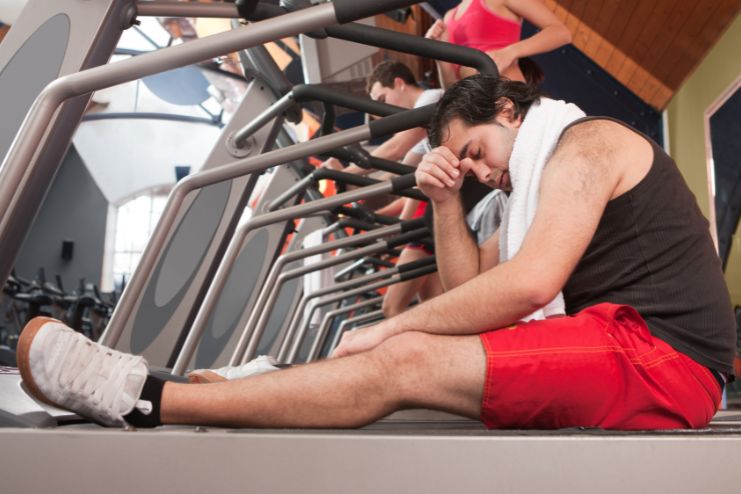
Yes, it is usually okay for your muscles to shake while exercising, particularly if the exercise is strenuous, new, or of long duration. This shaking is most frequently due to muscle fatigue or your nervous system going into overdrive to maintain your body’s stability.
Shaking is also a frequent occurrence with isometric exercises like planks, hold squats, or yoga positions that involve holding tension. It may also be experienced with high-repetition sets when muscles are near exhaustion. In most instances, it merely reflects that you are pushing your body in a manner that builds strength and endurance.
Common Reasons Your Muscles Shake During a Workout
Understanding why your muscles tremble when working out helps you make informed decisions about your training intensity, nutrition, and recovery needs. Below are the most frequent reasons behind muscle shaking during exercise.
Muscle Fatigue:
Muscle fatigue is perhaps the simplest reason for shaking while exercising. When you repeatedly contract your muscles, e.g., weight lifting or bodyweight holding, your muscle cells start running out of energy. Reduced coordination and less-than-optimal movement ensue, leading to observable trembling.
Shaking due to muscle fatigue is particularly apparent in exercises involving maintaining a tense position for longer periods. Typical situations include:
- Sustaining a plank position outside your comfort zone
- Performing strength training sets with high reps close to muscle failure
- Performing slow, controlled movements that isolate muscle groups
When your muscles shake due to fatigue, it usually means that you are training intensely enough to cause adaptation.
Neuromuscular Fatigue:
Yet another frequent cause of shaking during exercise is neuromuscular fatigue. This happens when the interaction between your muscles, spinal cord, and brain starts to deteriorate because of prolonged or excessive exercise.
When you undertake difficult or new movements, your central nervous system needs to fire consistently and at a high rate to be able to keep up with coordination and balance. Through repetition, the signals become inaccurate or slower, resulting in misfires and tremors.
Neuromuscular fatigue is more common during:
- New exercises or methods your body hasn’t yet had a chance to adapt to
- Activities that involve balancing, coordinating, or stabilizing
- Long-duration or high-intensity training with little rest
This fatigue may feel different from muscle soreness and can cause you to feel mentally depleted as well as tired physically.
Low Blood Sugar (Hypoglycemia):

Your body draws on glucose, or a type of sugar, to power your muscles when you exercise. If you exercise without eating, or if you haven’t eaten many carbohydrates throughout the day, your blood sugar can drop too low and result in hypoglycemia.
Low blood sugar can make your muscles shake, but it can also make you dizzy, light-headed, weak, or confused. That’s because your muscles and your brain are not getting the fuel they need to work properly.
It is more likely to happen if:
- You exercise after not eating, for example, before breakfast.
- You miss meals or do not eat carbs before training.
- You train for long periods without refueling.
Here, shaking is an indication that your body is fighting to keep up performance because it lacks fuel.
Dehydration or Electrolyte Imbalance:
Your muscles depend on a subtle balance of fluids and electrolytes to work normally. Nerve impulses and muscle contractions are regulated by essential minerals like sodium, potassium, calcium, and magnesium. If these minerals are lost through sweat or not enough fluid intake, you might suffer from muscle cramps, spasms, or unintentional tremors.
Dehydration and electrolyte imbalance are more likely to occur during:
- Intensive workouts in hot and humid weather
- Extended exercises with no fluid or electrolyte replacement
- Diets with minimal minerals as a result of inadequate dieting or diet restriction
In the event your muscles are shaking and you experience severe fatigue, lethargy, or cramping, you may be low on water or essential electrolytes.
Pushing Beyond Your Limits Too Soon:
While challenging yourself is necessary for improvement, doing too much at once can overload your nervous system and muscles. When you’re lifting too much or trying advanced movements before your body is prepared, the strain can surpass your present ability.
In these instances, shaking is due to your motor units. These units control the voluntary muscle movement, being overactivated without sufficient support from more powerful, larger muscle groups. This may lead to shakiness and even loss of control in the course of the movement.
Newcomers are particularly susceptible to this form of muscle shaking, but it can occur even in experienced players who increase load or intensity too rapidly.
Read More: How Often Should You Change Your Workout Routine?
When Muscle Shaking Is a Good Sign

Not everything that shakes is a cause for alarm. When it occurs in the midst of maximum effort, it can be an indicator that your exercise is working.
Muscle shaking can indicate:
- You are approaching a level of genuine muscular fatigue, which is necessary to build strength and endurance.
- Your stabilizer muscles are being addressed, particularly during balance-related or one-sided movements.
- You are training near failure, which helps hypertrophy and neuromuscular adaptation.
This kind of shaking is temporary and typically fades with rest or less intensity. It tends to result in improved results down the line, as long as you couple it with adequate recovery and do not overtrain.
When Muscle Shaking Could Be an Issue

While occasional shaking during exercise is usually innocuous, there are moments when it may signal a problem. You’ll want to be careful if your muscle shaking is:
- Painful and continues to be. Even after stretching or resting
- Comes with abnormal symptoms such as dizziness, blurred vision, chest pain, or disorientation
- Combined with severe numbness, tingling, or cramping of your limbs
- Occurring repeatedly, even during rest or low-level activities
In such cases, the reason might be more severe than normal fatigue and may include a medical condition, nutritional deficiencies, or neurological disorder. In case the symptoms are ongoing, it is best to visit a healthcare expert for a thorough check-up.
How to Avoid Excessive Muscle Shaking

In case you are experiencing muscle shaking too often in your exercises, there are a number of methods you can use to decrease its severity and enhance performance.
Fuel Appropriately Before and After Exercise:
Make sure to have a balanced meal or snack prior to your session, preferably something with both carbohydrates as energy sources and protein for muscle maintenance. This will avoid blood sugar dips and postpone fatigue. Post-workout, replenish with a nutrition-packed meal to facilitate recovery and recharge.
Hydrating is also important. For prolonged exercise or sessions in the heat, include an electrolyte drink to help ensure fluid balance.
Pace Yourself:
Do not start heavy weights or high-level routines if your body is not prepared for them. Slowly build up the intensity, duration, and level of complexity in your workouts over time. This provides your muscles and nervous system with time to adapt without feeling overwhelmed.
Get Adequate Sleep and Recovery:
Sleeping is when your body heals muscle tissue and refuels the nervous system. Poor rest can hinder neuromuscular function and raise the risk of tremors in training. Ensure that sleep and rest days are a regular part of your routine.
Don’t Skip Warm-Ups or Cool-Downs:
Entering a workout with cold, stiff muscles may increase the risk of premature fatigue and coordination issues. Warm up your muscles and nervous system before you start training using dynamic movement. Once done, incorporate soft stretches or light activity to decrease soreness and maintain balance.
Read More: Fueling Your Workout: Pre and Post-Exercise Nutrition Strategies
Should You Stop Exercising When You Start Shaking?
It depends on how badly you’re shaking and the factors that lead to it.
If your muscles are trembling slightly at the final few repetitions or when holding a position, it is generally safe to continue at a slower pace or with a modified movement. Reducing the intensity or taking a brief break might allow you to complete the session without problem.
But if shaking intensifies or you get full-body tremors, dizziness, nausea, or any other warning signs, it is best to cease and re-evaluate. Hydrate, inhale deeply, and allow your body to rest.
Listen to your body always. Shaking is a signal that your muscles are near exhaustion. It is not necessarily a failure, but feedback that can inform your training and recovery choices.
Final Thoughts
Muscles trembling during exercise is generally an indication that you are pushing your body in useful ways. Most often, it is a sign of muscle fatigue, neuromuscular demand, or temporary energy slump. These conditions are all treatable with proper nutrition, adequate water intake, adequate recuperation, and progressive training.
However, if the shaking is strong, continuous, or accompanied by alarming symptoms, it may indicate a more serious condition that requires medical attention. The trick is to remain attuned to your body’s signals and make necessary adjustments.
Knowing why your muscles are trembling during exercise and how to react can help you train better, recover better, and keep gaining strength with confidence.
References
- https://www.onepeloton.com/blog/muscles-shaking-during-workout
- https://www.reliancegeneral.co.in/Insurance/Knowledge-Center/Health-O-Pedia/electrolytes-role-in-body-functions.aspx
- https://www.onepeloton.com/blog/muscles-shaking-during-workout
- https://pmc.ncbi.nlm.nih.gov/articles/PMC5668469/
- https://news.hss.edu/when-your-muscles-start-shaking-during-a-workout-should-you-stop-consider-it-a-yellow-light-say-experts/
In this Article