











Ever slather on a moisturizer and still feel dry or tight minutes later? You’re not alone. Skincare is both an art and a science, and even the best products can fall short if they aren’t used correctly.
While lifestyle factors like diet, sleep, and stress play a major role in skin health, sometimes the real culprit behind persistent dryness or irritation is your skincare routine—or more specifically, how you’re using your moisturizer.
If you’ve tried everything and your skin still isn’t happy, don’t give up just yet. This article will help you troubleshoot why your moisturizer isn’t working, highlight common mistakes, and show you how to layer your skincare for maximum hydration and healthy, glowing skin.

Read More: 5 Skincare Products You Should Never Use on Sensitive Skin
Why Your Moisturizer Might Not Be Working
Let’s face it: few things are more frustrating than diligently applying moisturizer only to have your skin feel flaky, tight, or oily a few hours later. Before you blame your product, consider these common reasons your moisturizer may be letting you down:
1. Applying to Dry Skin
Moisturizers are designed to lock in hydration, not create it. If you’re applying moisturizer to completely dry skin, it can’t trap moisture effectively. The best time to apply is when your skin is still slightly damp after cleansing or using a hydrating toner. This helps the humectants in your moisturizer (like hyaluronic acid or glycerin) draw water into the skin and keep it there.
2. Skipping Key Layers
A good moisturizer can only do so much on its own. If you’re skipping steps like toner, essence, or serum, you’re missing out on essential hydration and nutrients that prep your skin for moisturizer. Think of your routine as a series of building blocks: lighter, water-based products hydrate and treat, while moisturizer seals it all in.
3. Using the Wrong Product for Your Skin Type
Not all moisturizers are created equal. Thick creams can clog pores and feel greasy on oily or acne-prone skin, while gels or lotions may be too light for dry or mature skin. Always match your moisturizer to your skin’s needs:
- Dry or Mature Skin: Look for richer creams with ceramides, shea butter, or squalane.
- Oily or Acne-Prone Skin: Choose oil-free, non-comedogenic gels or lightweight lotions.
- Sensitive Skin: Opt for fragrance-free formulas with soothing ingredients like aloe or oat extract.
4. Overusing Harsh Ingredients
If you’re using strong actives like retinoids, AHAs, or BHAs, you may be unintentionally stripping your skin barrier, leading to increased dryness and sensitivity. While these ingredients have benefits, they should be balanced with barrier-repairing products and not overused.
5. Ignoring Signs of Sensitivity
Itching, redness, swelling, or breakouts beyond normal hormonal changes can indicate your moisturizer (or something else in your routine) isn’t agreeing with your skin. Introduce new products one at a time and monitor your skin’s response.
6. Incompatibility with Makeup
If your moisturizer causes your makeup to pill, flake, or separate, it may not be absorbing properly or may be incompatible with your foundation. A good moisturizer should leave your skin smooth and ready for flawless makeup application.
The Right Way to Layer Skincare for Maximum Hydration

Applying products in the correct order is more important for achieving deep, long-lasting hydration than the products themselves. To help you maximize your skincare routine, here is a step-by-step guide:
The order in which you apply your skincare products is just as important as the products themselves. Proper layering ensures each product can do its job and penetrate the skin effectively.
Joyce Imahiyerobo-Ip, M.D., director of cosmetic dermatology at the South Shore Medical Center, says, “The majority of the people do not understand the importance of their skin hydration.”
Here’s how to layer your skincare for the best results:
Step 1: Cleanser
Start with a gentle, non-stripping cleanser to remove dirt, oil, and impurities. Avoid harsh cleansers that leave your skin feeling tight or squeaky clean, as these can damage your moisture barrier.
Step 2: Toner or Essence (Optional but Helpful)
A hydrating toner or essence can help prep your skin for the next steps by balancing pH and adding an extra layer of moisture. Look for ingredients like glycerin, hyaluronic acid, or panthenol.
Step 3: Serum (Water-Based Actives)
Serums deliver concentrated active ingredients to target specific concerns like dullness, dehydration, or fine lines. Apply serums while your skin is still damp for better absorption. Common serum ingredients include vitamin C, niacinamide, peptides, and hyaluronic acid.
Step 4: Moisturizer
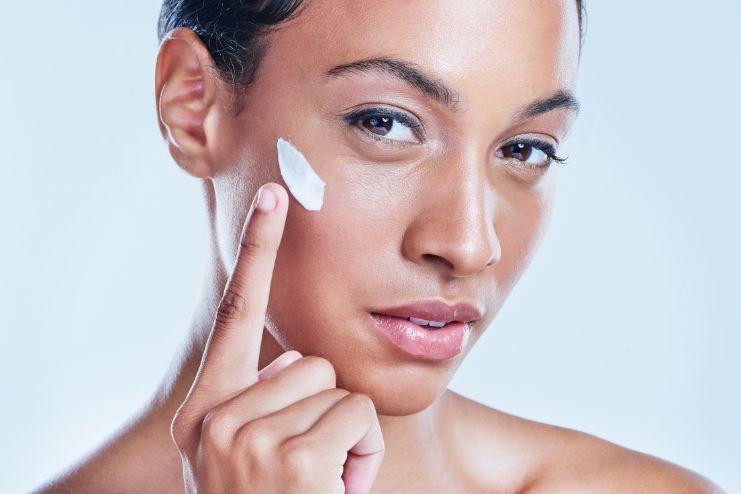
Apply your moisturizer while your skin is still slightly damp from your serum. This helps lock in hydration and prevents water loss. Choose a moisturizer texture that matches your skin’s needs—gel for oily skin, cream for dry skin, and lotion for combination skin.
Step 5: Occlusive or Face Oil (If Needed)
If your skin is very dry or you live in a dry climate, finish with a lightweight face oil or occlusive (like squalane, petrolatum, or ceramide oil) to seal in moisture. Apply this step last at night or as needed.
Step 6: SPF (Morning Only)
The final step in your morning routine should always be sunscreen. Use a broad-spectrum SPF of at least 30 to protect your skin from premature aging and skin cancer. Reapply every two hours if you’re outdoors.
Read More: Can Too Many Skincare Actives Damage Your Skin Barrier?
Common Layering Mistakes to Avoid
Even the best products can fall short if you make these common mistakes:
- Applying Oils Before Water-Based Products: Oils create a barrier that can prevent serums and moisturizers from absorbing.
- Mixing Too Many Actives: Using multiple strong ingredients in one routine can overwhelm your skin and cause irritation.
- Not Allowing Layers to Absorb: Give each product 30–60 seconds to sink in before applying the next to prevent pilling and maximize effectiveness.
- Using Too Much Product: More is not always better. Over-applying can clog pores and waste product.
- Skipping SPF: Sun protection is non-negotiable, even on cloudy days.
- Sleeping with Makeup On: Always remove makeup before bed to prevent clogged pores and allow your skin to repair overnight.
How to Tell If Your Moisturizer Is Working
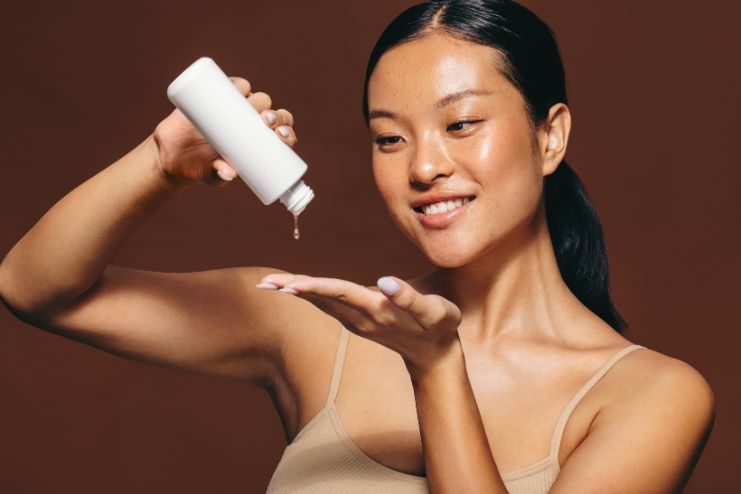
Wondering if your moisturizer is doing its job? Here’s what to look for:
- Skin feels soft and smooth—not tight, greasy, or flaky—30 minutes after application.
- Redness, flakes, and irritation gradually decrease.
- Makeup applies more easily and looks smoother.
- You need fewer mid-day touchups or reapplications.
- Over time, your skin tone and texture improve, and you experience fewer breakouts or dry patches.
Look for hydrating ingredients like hyaluronic acid, glycerin, or sodium hyaluronate for a plump, healthy complexion. For dry or mature skin, ingredients like shea butter and jojoba oil provide deeper nourishment, while oily or acne-prone skin benefits from oil-free, non-comedogenic formulas.
Read More: Top 10 Skincare Ingredients for Radiant and Healthy Skin
Skincare Routine Examples (Morning vs Night)
A well-structured routine tailored to your skin’s needs can make all the difference. Here are sample routines:
Morning Routine (Normal/Dehydrated Skin)
- Gentle Cleanser
- Hydrating Toner or Essence
- Hyaluronic Acid Serum
- Lightweight Moisturizer
- Broad-Spectrum SPF 30+
Night Routine (Barrier Repair Focus)
- Cream Cleanser
- Peptide Serum or Treatment
- Ceramide Moisturizer
- Squalane or Face Oil (if needed)
Read More: 7 Skincare Ingredients to Avoid If You Have Sensitive Skin
Final Thoughts
If your skin still feels dry or tight after moisturizing, don’t be too quick to blame the product. Often, it’s the way you’re using your products—or the order in which you apply them—that makes the real difference.
Skincare works best as a system, with each step supporting the next. Master the basics of layering, choose products suited to your skin type, and you’ll see your moisturizer—and your entire routine—start to deliver the results you want.
References
- https://www.healthline.com/health/why-is-my-skin-so-dry-even-when-i-moisturize
- https://www.self.com/story/how-to-moisturize-face
- https://www.health.harvard.edu/staying-healthy/moisturizers-do-they-work
- https://www.linkedin.com/in/joyce-imahiyerobo-md-mphil-b5892374/
- https://www.health.com/skincare-routine-order-7507961
- https://cbgardn.com/10-common-skincare-mistakes-and-how-to-avoid-them
- https://silvermirror.com/common-mistakes-to-avoid-in-your-facial-skincare-routine
- https://dermatologymohsinstitute.com/how-to-know-if-your-skincare-routine-is-working
- https://www.cbsnews.com/minnesota/news/how-do-you-know-if-your-skincare-routine-is-working
In this Article