









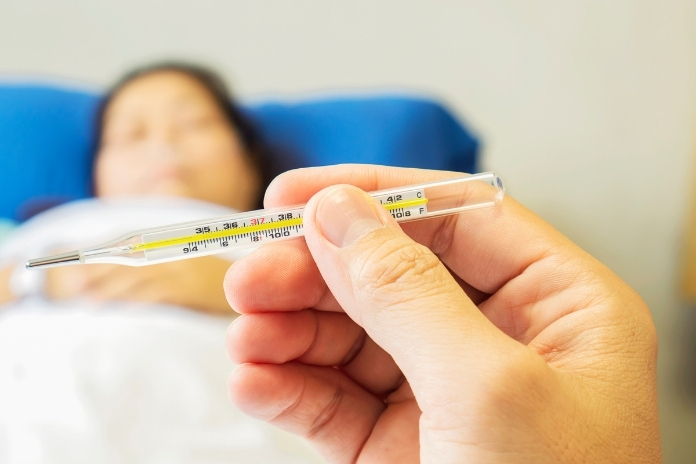
Ever wonder why your body feels cooler at night or why you instinctively reach for a blanket as the evening settles in? That subtle dip in body temperature isn’t just a random quirk; it’s your internal clock doing its thing. A drop in core temperature is one of the body’s most precise signals that it’s time to rest.
It’s not just about comfort; this process plays a critical role in how well you sleep, how your hormones function, and even how efficiently your body burns fat.
Here’s the thing: your body runs on a 24-hour cycle called the circadian rhythm. It controls everything from your alertness to your appetite, and temperature regulation is a key player in this system. As night approaches, your brain starts dialing things down, reducing core temperature, increasing melatonin, and nudging you toward sleep mode.
But the story doesn’t end there. That nighttime cooldown also affects your metabolism, influencing how your body stores or burns energy while you sleep. This internal shift is part of why getting quality sleep can be linked to better weight regulation and hormonal balance.
In this article, we’ll unpack what actually causes your body temperature to fall at night, how it connects to deeper sleep cycles, and how you can use that knowledge to improve your rest, boost your fat-burning potential, and feel better overall. Let’s break it down.
The Science: Why Your Body Temperature Drops at Night
Your body isn’t just reacting to the world around you; it’s following a built-in schedule. This 24-hour cycle, called the circadian rhythm, governs everything from your mood to your digestion. At the center of this clockwork system is a tiny region in your brain called the suprachiasmatic nucleus (SCN), tucked inside the hypothalamus.
The SCN is like mission control: it reads light signals coming through your eyes and uses that information to coordinate key processes, including hormone release, the sleep-wake cycle, and yes, body temperature.
Core Body Temperature and Circadian Rhythms
Here’s where it gets interesting. As the evening rolls in, your SCN starts sending out signals to gradually lower your core body temperature. This isn’t just your skin cooling off from the outside; it’s an internal, programmed drop. During the day, your temperature sits at an average of 98.6°F (37°C). But as night approaches, it begins to fall by about 1 to 2 degrees Fahrenheit, reaching its lowest point between 4 and 5 a.m.
A comprehensive review discussing how the circadian system actively modulates metabolic heat production to create the rhythm in body temperature. This drop is not simply a byproduct of lower daytime activity or external factors; it reflects an endogenous, clock-driven process.
Why does this happen? It’s not because the room got colder; it’s because your body is conserving energy for sleep. Blood vessels near the surface of your skin widen (a process called vasodilation), allowing more heat to escape. This helps cool the body from the inside out. At the same time, internal systems slow down, digestion eases, the heart rate lowers, and metabolism shifts into a rest mode.
This temperature dip isn’t just a nice bonus for sleep; it’s essential. The brain and body require a cooler environment to fully enter and maintain deep sleep stages, particularly slow-wave sleep, during which repair and recovery occur.
The cooling process also helps regulate key hormones. For example, melatonin, your primary sleep hormone, begins to rise in sync with the temperature drop, while cortisol, your stress hormone, decreases. It’s a carefully timed handoff, one that sets the stage for a restful night and better functioning during the day.
In short, your nighttime temperature drop isn’t just a curious detail; it’s a biological signal that sleep is about to begin, and your body is getting ready to do its overnight maintenance.
Read More: How to Reset Your Circadian Rhythm for Better Energy, Sleep, and Focus
Body Temperature and Sleep Quality: The Connection

Here’s what most people don’t realize: one of the strongest physical signals that it’s time to sleep isn’t just darkness or exhaustion, it’s a drop in body temperature. This cooling isn’t just helpful; it’s necessary. Your body doesn’t shift into sleep mode unless it starts to chill out, quite literally.
Melatonin and Temperature: A Coordinated Dance
As your core temperature starts to dip, your brain gets the green light to ramp up production of melatonin, the hormone that makes you feel drowsy and preps your system for sleep. These two processes are tightly linked. When your temperature falls, melatonin rises. And as melatonin increases, it further encourages that cooling trend.
It’s a feedback loop that works like clockwork, unless something disrupts it. Artificial light, erratic schedules, or poor sleep environments can throw it off, leading to trouble falling asleep or waking up refreshed.
Dr. Funke Afolabi‑Brown, a board-certified sleep medicine physician, underscores the relationship between environmental temperature, core cooling, and melatonin production: “As melatonin is produced, it signals to our brains that it’s time for sleep… A cooler sleeping environment actually promotes higher melatonin production, encouraging sleep onset and more restful sleep.”
Why Cooling the Brain Matters
Temperature doesn’t just affect your body; it plays a key role in calming your brain. To fall into deep, non-REM sleep, your brain needs to cool down. A warmer brain stays active, churning through thoughts and delaying that mental “off switch.” But when it cools even slightly, brain activity slows. Metabolism drops. Neural noise fades. And that’s when deep, restorative sleep kicks in.
This is why strategies like warm showers before bed, which trigger a post-shower drop in body temperature, can actually help you sleep better. It’s not about heating up. It’s about the drop that follows.
What’s the Ideal Temperature for Sleep?
If you can’t keep your home at that exact temperature, or if 65 degrees is a little too chilly for your personal preferences, board-certified sleep medicine physician Funke Afolabi-Brown, MD, suggests aiming for something in the broader temperature range of 60 to 72 degrees for the best sleep environment possible.
On the flip side, if it’s too cold, you might wake up from discomfort or shivering, which also fragments sleep.
When Thermoregulation Goes Off Track
Sleep disorders often have a temperature component. Take insomnia, for example. People who struggle to sleep frequently have higher core body temperatures at night. Their bodies resist the natural cool-down, making it harder to initiate and maintain sleep.
Night sweats, too, are often signs that thermoregulation isn’t working properly. Whether it’s due to hormones, stress, or a medical condition, the inability to regulate internal temperature throws the sleep cycle into chaos.
Bottom line: if your body can’t cool itself down, sleep becomes harder and shallower. That’s why managing your environment, timing, and habits around this temperature rhythm isn’t just helpful, it’s essential for high-quality rest.
How a Drop in Body Temperature Affects Metabolism

Sleep isn’t just downtime; it’s when your body gets to work behind the scenes. Cells repair. Hormones recalibrate. Metabolism runs internal checks. And here’s the part many people miss: your body temperature plays a surprisingly active role in this nightly reset.
Metabolism Slows, But Fat Burning May Rise
During deep sleep, especially in slow-wave stages, your metabolic rate dips. This slowdown helps conserve energy and prioritize functions like memory consolidation, tissue repair, and immune regulation. But here’s where it gets interesting: even as your overall metabolism drops, the cooler internal environment can trigger fat-burning mechanisms, especially through brown adipose tissue, or brown fat.
Unlike regular white fat, which stores energy, brown fat burns calories to generate heat, a process called thermogenesis. And it thrives in lower temperatures. When your core body temp drops at night, or when you sleep in a cooler room, brown fat kicks in to keep you warm.
A study published in Diabetes found that men who slept in a room cooled to 66°F (19°C) for four weeks had increased brown fat activity and improved insulin sensitivity, both signs of healthier metabolic function. So, while your body rests, it’s also subtly working to burn calories and regulate energy more efficiently.
Glucose Regulation and Sleep Temperature
Sleep quality and glucose metabolism are tightly linked, and body temperature is part of that equation. When your sleep is fragmented or your core temperature stays elevated through the night, insulin sensitivity can drop. Over time, this makes it harder for your body to manage blood sugar levels and may increase your risk of type 2 diabetes.
On the other hand, when your internal temperature follows its natural curve, dropping before sleep and staying low through the night, it supports better glucose regulation, more stable blood sugar levels, and reduced inflammation.
Read More: The Effect of Sleep on Insulin Resistance and Diabetes
Who May Struggle with Nighttime Temperature Regulation?
The nightly drop in core body temperature might seem automatic, and for most people, it is. But for others, that smooth transition into cooler, sleep-ready mode doesn’t happen so easily. Hormonal changes, health conditions, lifestyle habits, and even where you live can interfere with this process, making quality sleep harder to come by.
Let’s break down the most common culprits.
1. Women in Perimenopause or Menopause
One of the most well-known disruptions to nighttime thermoregulation happens during perimenopause and menopause. As estrogen levels decline, the body’s internal thermostat becomes more volatile. The result? Hot flashes, night sweats, and sudden heat surges that jolt you awake or prevent you from settling into deep sleep in the first place.
Estrogen normally helps keep your core temperature stable and supports the circadian rhythm. Without it, the body becomes more reactive to small temperature shifts, often overshooting the mark. This is why many menopausal women report waking up drenched in sweat or constantly kicking off the covers throughout the night.
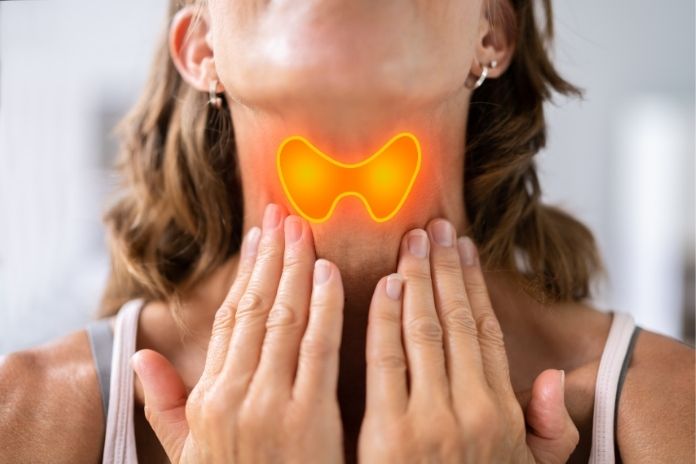
2. People with Thyroid Disorders
The thyroid gland plays a big role in regulating metabolism, and by extension, body temperature. When it’s not functioning properly, thermoregulation gets thrown off balance.
- Hypothyroidism (underactive thyroid) slows down metabolism, often causing people to feel cold all the time, even when others are comfortable. At night, this sensitivity can lead to disrupted sleep or difficulty staying warm enough to fall asleep easily.
- Hyperthyroidism (overactive thyroid), on the other hand, speeds everything up. People may feel restless, sweaty, or overly hot at night, even in a cool room. These sensations can fragment sleep and interfere with the normal drop in body temperature.
3. Shift Workers and Irregular Sleepers
If your schedule doesn’t line up with the natural light-dark cycle, your circadian rhythm can get out of sync. This is especially common among night shift workers, frequent travelers, or anyone keeping erratic sleep hours.
When the circadian rhythm is off, the timing of your body’s temperature dip is delayed or blunted. Instead of cooling off in the evening, your body might stay warmer longer, making it harder to fall asleep, stay asleep, or get the metabolic benefits tied to nighttime cooling.
Over time, chronic circadian misalignment can lead to sleep debt, poor glucose regulation, and even weight gain, all tied to disrupted thermoregulation.
4. Individuals in Hot Climates or Poor Ventilation
Sometimes, it’s not your body’s biology that’s the problem; it’s your environment. People living in hot, humid climates or without access to air conditioning or proper ventilation face a unique challenge. If your bedroom stays warm, your body can’t cool down efficiently, even if it’s trying to follow its normal circadian pattern.
This environmental heat trap raises your core temperature artificially, which interferes with melatonin production, delays sleep onset, and can suppress brown fat activation, the very mechanism that burns calories in response to cool temperatures.
How to Support Healthy Nighttime Thermoregulation
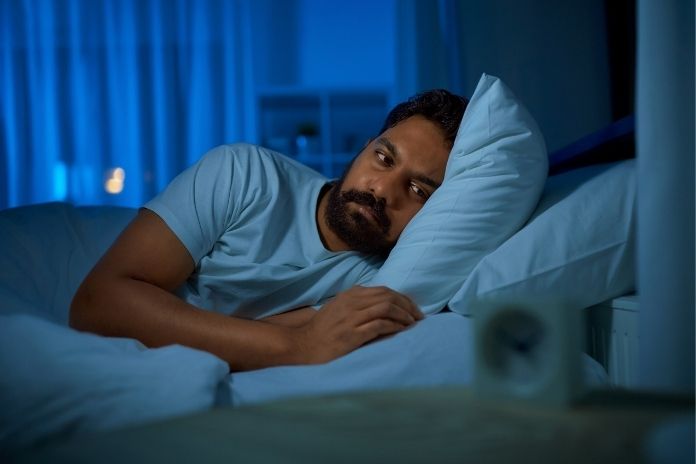
The body’s natural ability to cool down at night is powerful, but it’s not bulletproof. The way you structure your environment, meals, workouts, and bedtime routine can either help or hinder this process. The good news? You don’t need a complete lifestyle overhaul. Small, intentional shifts can make a real difference in how efficiently your body prepares for sleep.
Let’s break it down:
A. Optimize Your Sleep Environment
This is where thermoregulation starts, your bedroom. If the room is too warm, your body struggles to release heat. If it’s too cold or uncomfortable, you might stay tense instead of relaxing into sleep.
- Keep it cool: The ideal room temperature for sleep falls between 60–67°F (15.5–19.5°C). This range supports your body’s natural drop in core temperature and promotes deeper, more stable sleep. If your room tends to trap heat, consider using a fan or cracking a window for better airflow.
- Use breathable fabrics: Swap out heavy bedding and synthetic materials for moisture-wicking, breathable options like cotton, linen, or bamboo. These help reduce overheating and wick away sweat if you tend to run warm at night.
- Invest in smart sleep tech: Tools like cooling pillows, gel-infused mattress toppers, or temperature-regulating systems like ChiliPad or Eight Sleep can create an ideal sleep surface, especially if you live in a hot climate or have trouble staying cool.
Read More: The Man’s Guide to a Restful Night: 8 Sleep Hacks for Better Sleep
B. Time Your Workouts Wisely
Exercise is essential for good sleep, but timing matters.
- Avoid late high-intensity workouts: Intense movement elevates your core temperature, ramps up adrenaline, and activates your sympathetic nervous system, all of which can delay the natural cool-down and make it harder to fall asleep.
- Best time to exercise: Morning or early evening workouts strike a good balance; they get your body moving without interfering with your sleep rhythm.
- Late-night exercise workaround: If you must work out late, opt for gentler activities like yoga, walking, or slow stretching. These keep the body moving without overstimulating your internal systems or raising your core temperature too much.
Experts largely agree that morning is the best time to exercise for better sleep, especially when it comes to syncing your body with its natural circadian rhythm. “The reason for this is that when we wake up from a night of restful sleep, our sleep drive has been depleted and we are setting our circadian rhythm by getting good light exposure,” says Andrew Colsky, JD, LPC, LMHC, sleep science expert and founder of National Sleep Center.
C. Use a Warm Shower Strategically
Here’s a smart, science-backed trick: take a warm shower or bath 60–90 minutes before bed.
Sounds counterproductive, right? But here’s how it works:
- The warm water causes vasodilation, your blood vessels expand, and blood flows toward the surface of your skin.
- Once you step out of the shower, the contrast with cooler air rapidly lowers your core temperature, simulating the natural drop your body is already trying to achieve.
- This effect can help trigger faster sleep onset and better overall sleep quality.
D. Eat Light and Eat Early
Heavy, late-night meals are a sleep saboteur and a thermoregulation disruptor.
- Big meals = heat production: Digestion generates heat, especially when breaking down high-fat or high-carb foods. That heat raises core temperature and delays the shift into deep sleep.
- When to eat: Aim to finish your dinner 2–3 hours before bedtime, giving your body time to digest and cool down before sleep.
- What to eat: Focus on a light, balanced meal, think lean protein, healthy fats, and fiber-rich veggies. Avoid spicy foods and alcohol close to bedtime.
Health experts strongly discourage eating a full, heavy meal near bedtime because it can disrupt digestion and sleep quality, and may raise body temperature. Consuming such meals less than 1 hour before sleep has been shown to increase wakefulness and delay sleep onset, as opposed to eating 2–4 hours before bed.
Read More: 15 Effective Ways To Stop Binge Eating At Night – Curb The Snacking!
Can You Use Temperature for Better Metabolic Health?
Temperature manipulation isn’t just for sleep; it may have benefits for metabolism, too.
Cold Exposure and Brown Fat
Brown fat thrives in cool conditions. Brief exposures to cold, like taking cool showers, sleeping in a chilly room, or spending time outdoors in cooler weather, can stimulate brown fat activity and increase thermogenesis.
Some biohackers even practice “cold thermogenesis”, deliberate cold exposure to promote fat burning and insulin sensitivity. While the data is still emerging, initial studies are promising.
Not a Replacement, But a Boost
While cold exposure isn’t a magic bullet for fat loss, it may be a supportive tool when paired with proper nutrition, sleep hygiene, and movement. It helps your body function more efficiently by enhancing mitochondrial activity and metabolic flexibility.
Final Thoughts
That subtle drop in body temperature before bed isn’t just a cue to pull up the covers; it’s your body signaling that it’s shifting gears. Repair, restoration, hormone regulation, even fat-burning, all of it hinges on that nightly cool-down.
When you support this natural rhythm, everything works better. You fall asleep faster. You stay asleep longer. Your metabolism resets. Your brain clears out the clutter.
The best part? You don’t need hacks or supplements. Just small, intentional shifts: cool the room, eat earlier, move your workouts to a better hour, and let your body take it from there.
If you’re tired of restless nights or groggy mornings, the fix might be simpler than you think. Don’t fight your biology; align with it.
Cool down, power up, and let your body do what it was built for.
References
- https://pubmed.ncbi.nlm.nih.gov/9322266/
- https://www.webmd.com/sleep-disorders/what-happens-body-during-sleep
- https://www.sciencedirect.com/science/article/pii/S2468867319301804
- https://www.sleepfoundation.org/sleep-faqs/why-do-i-get-so-hot-when-i-sleep
- https://pmc.ncbi.nlm.nih.gov/articles/PMC3427038/
- https://www.thewoolroom.com/us/blog/does-body-temperature-rise-while-sleeping/
- https://www.vox.com/2014/11/5/7157163/sleep-cold-temperature
- https://www.sleepstation.org.uk/articles/sleep-tips/sleep-and-temperature/
- https://www.sleepfoundation.org/bedroom-environment/why-am-i-shivering-or-sweating-at-night
- https://www.sciencedirect.com/science/article/abs/pii/B9780444639127000205
- https://pmc.ncbi.nlm.nih.gov/articles/PMC7323637/
- https://sleepcenterinfo.com/blog/thermoregulation-and-sleep/
- https://www.medicalnewstoday.com/articles/326235
- https://pmc.ncbi.nlm.nih.gov/articles/PMC3427038/
- https://blog.ultrahuman.com/blog/role-of-thermoregulation-in-sleep/
In this Article