












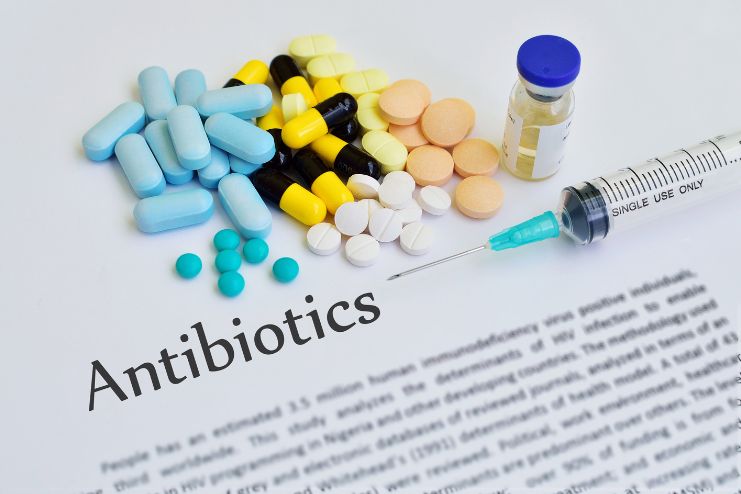
The last time I felt feverish, I felt tempted to grab my box of medicines and gulp an antibiotic tablet right then. However, I thought of reading about using leftover antibiotics first, before doing so. And, glad I researched it, as what I learnt blew my mind. Here’s what I came to know:
When you’re hit by that familiar scratchy throat, sinus pressure, or fatigue that feels like the flu all over again, it’s tempting to rummage through your medicine cabinet for leftover antibiotics. After all, if they helped once, why not again?
But here’s the reality: taking leftover antibiotics without medical guidance has the potential to harm you more than cure you. It may seem like a convenient, time-saving fix, but it’s really a type of self-medication that can be hazardous.
In this article, we will break down the dangers of taking leftover antibiotics, discuss why it’s so important to complete your entire prescribed course, and introduce you to safer alternatives when you get sick again.
Read More: Gentle Relief: The Top 7 Laxative Powders for Effective Constipation Relief
What Are Leftover Antibiotics and Why Do People Hoard Them?
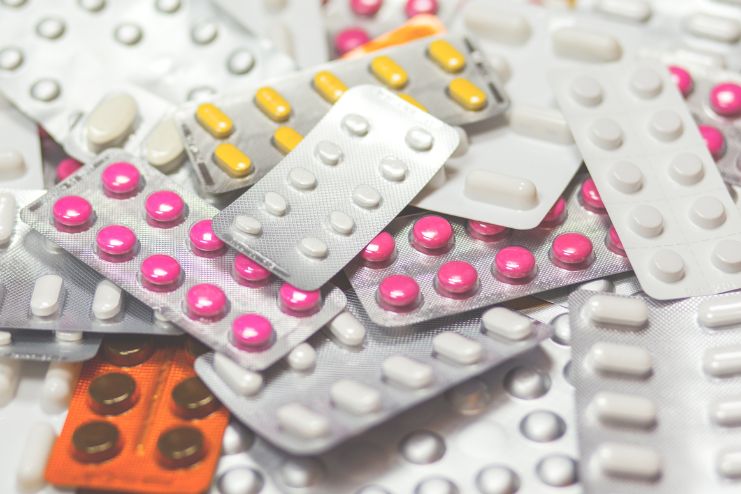
Leftover antibiotics are the pills or capsules that are left over when an individual stops taking his/her doctor-prescribed medication before finishing the course. This usually occurs when patients get well in a short while and think they’re “better” and can do without the rest.
Other frequent reasons are:
- Fear of side effects or uncomfortable symptoms such as nausea or diarrhea.
- Confusing instructions and believing that antibiotics can be discontinued once you’re feeling better.
- Keeping them “just in case” you become ill again sometime in the future.
But this is a widespread habit, and it’s a bad one. Antibiotics are not over-the-counter analgesics or vitamins. They’re powerful, specific drugs that should only be taken under a physician’s watchful eye—and only for infections caused by bacteria. Treating with leftovers is treatment by guesswork, and that guess can be profoundly mistaken.
The Dangers of Using Leftover Antibiotics
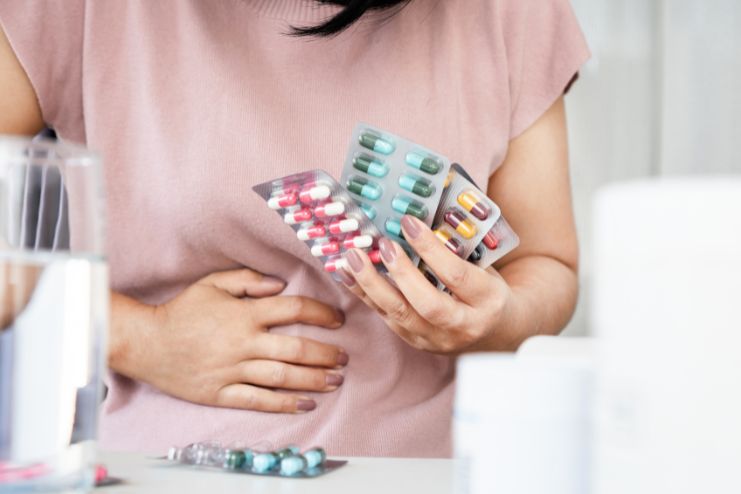
Taking leftover antibiotics might not hurt, but the risks are huge and far-reaching.
- You Might Be Treating the Wrong Illness:
- The majority of common illnesses, such as colds, the flu, bronchitis, or COVID-19, are caused by viruses. Antibiotics don’t have an impact on viruses.
- When you self-prescribe leftover antibiotics for what seems to be the same condition, you may be taking them for:
- A viral infection for which you don’t need an antibiotic.
- Another bacterial infection that needs another antibiotic.
- A non-infectious disease that requires a completely different kind of therapy or treatment.
In all of these instances, taking the wrong drug doesn’t cure and can cause harm.
- You Could Be Fueling Antibiotic Resistance:
Quite possibly the scariest danger of reusing antibiotics is that it helps create antibiotic resistance.
Antibiotic resistance is one of the largest health threats in the world today, says the World Health Organization (WHO). When antibiotics are misused—e.g., discontinuing too soon or taking abbreviated courses—some bacteria will survive. These survivors mutate, evolve, and become immune to that medication.
This creates superbugs over time, bacteria that no longer react to regular treatments, which means infections once curable can be deadly.
So each time you use leftover antibiotics, you’re not only risking your health, you’re contributing to a global health crisis.
- The Dosage Can Be Inappropriate or Incomplete:
Even if you have the “correct” antibiotic for your symptoms (which is doubtful), the leftover amount typically isn’t adequate to finish a new complete course.
This means you’re:
- Taking sub-therapeutic doses that are too weak to eliminate the bacteria
- Risking relapse or worse symptoms down the road
- Growing the ideal culture for bacteria to develop resistance
- Antibiotics are given in precisely measured doses and length of time based on your body, type of infection, and severity. Leftovers don’t fit that bill.
- You Risk Dangerous Side Effects or Allergic Reactions:
Every medication has side effects—antibiotics, too. Without a correct diagnosis and prescription, you could risk exposure to:
- Serious allergic reactions, including anaphylaxis
- Dangers of interaction with other drugs if you take other medicines
- Unpleasant side effects such as diarrhea, yeast infections, or even C. difficile overgrowth, a serious infection of the intestines.
Using leftover antibiotics may cause these complications unnecessarily and without the supervision of a healthcare professional.
Read More: 5 Ancient Alternative Medicine Practices That Stand the Test of Time
When It Feels Like the Same Illness — But Isn’t
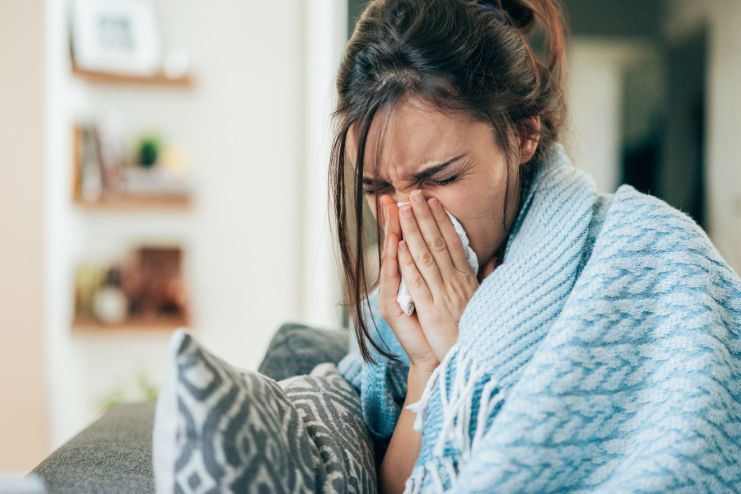
Maybe the biggest myth about leftover antibiotics is this one: “I’ve had these symptoms before. This must be the same infection.”
But the same symptoms can have radically different explanations.
For instance:
- A sore throat could be due to strep throat (bacterial) or the common cold (viral).
- A cough may be due to bronchitis (typically viral), pneumonia, or even a cold.
It takes only a clinical assessment and sometimes a test to distinguish. Treating with old antibiotics for the wrong disease not only causes a delay in appropriate treatment but also risks hiding serious conditions or causing new ones.
Read More: Summer Cold – Causes, Symptoms and Treatment
Why It’s So Important to Complete the Entire Course of Antibiotics
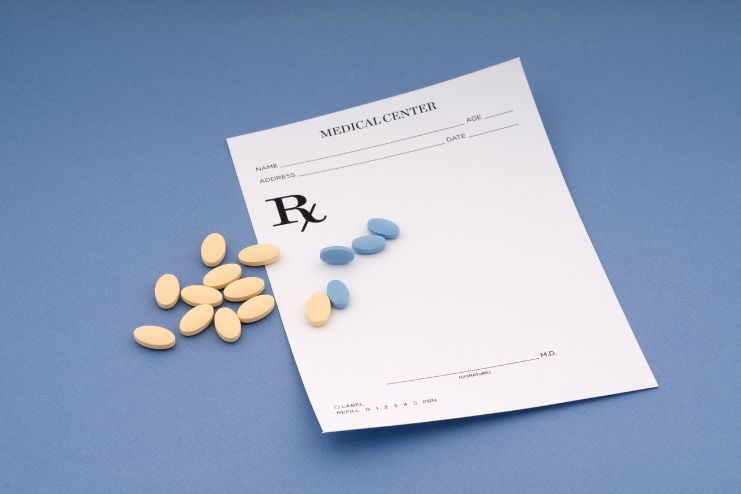
Suppose you were put on antibiotics for a bacterial infection, took them for a few days, and you felt fine. Can you stop?
Absolutely not.
Here’s why completing the entire course is important:
- The initial improvement is because the weaker bacteria are destroyed, but the stronger bacteria can still be there.
- Stopping early provides an opportunity for surviving bacteria to grow and potentially lead to a relapse or more serious infection.
- Taking an incomplete course helps build drug resistance in you and the larger population.
- Antibiotics take effect by gradually reducing bacteria and killing the infection, according to Dignity Health. Stopping halfway through prevents this process and can leave you in a worse position than when you started.
Your doctor prescribes antibiotics with a specific dose and duration for a reason. Follow it until the end, even if you feel better after a few days.
What to Do Instead of Using Leftovers
If you’re feeling sick again and thinking about reaching for those old pills, stop. Here’s what you should do instead:
- Call your doctor or visit a clinic. A medical professional can assess your symptoms and prescribe if antibiotics are necessary or if something else is causing your symptoms.
- Get a fresh prescription, as per your current condition. If it is bacterial and needs treatment, you’ll receive the correct antibiotic, dosage, and duration.
- Dispose of remaining antibiotics safely. Don’t hold onto them “just in case.” Drugs must be brought to pharmacies with take-back programs or be disposed of as per local regulations. Never flush or dispose of them in the trash.
Remember: Well-intentioned self-medication is dangerous. Don’t play medical guessing games with your life.
Final Thoughts

Taking leftover antibiotics may appear to be an easy fix— until you’re sick and need a fast relief. But it’s not safe or smart.
Here’s the catch:
- Self-treating with leftover antibiotics can lead to severe harm, ranging from side effects to extreme infections.
- You could be treating an incorrect condition or taking the wrong medication in the wrong dose.
- Incomplete antibiotic treatment is a key driver of worldwide antibiotic resistance, which poses a public health threat.
- Take antibiotics only under medical supervision, and be sure to finish the course.
If unsure, visit a doctor—don’t grab the leftovers.
In the battle against infectious diseases, prudent use of antibiotics is one of our best weapons. Let’s not undermine it with shortcuts. Your health—and the health of all those around you—is at stake.
References
- https://www.dignityhealth.org/articles/why-is-finishing-antibiotics-so-important
- https://www.bvhealthsystem.org/expert-health-articles/why-finishing-antibiotics-is-important
- https://www.health.harvard.edu/blog/is-the-full-course-of-antibiotics-full-of-baloney-2017081712253
- https://www.hopkinsmedicine.org/health/conditions-and-diseases/acute-bronchitis
- https://www.nationwidechildrens.org/conditions/sore-throat
- https://www.nhs.uk/conditions/antibiotics/side-effects
- https://www.keckmedicine.org/blog/the-pros-and-cons-of-antibiotics
In this Article