












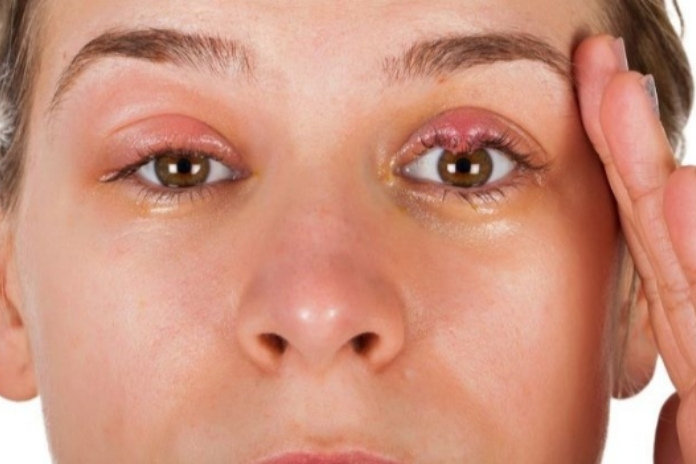
Ever feel like chalazia are crashing your eyelid party over and over? You’re not alone. Most heal up, but many people still wonder, why do I keep getting chalazions?
Recurrent chalazion usually means sneaky chronic issues like clogged oil glands, not just random bad luck. This guide explains the real causes of recurring chalazia and simple habits for preventing chalazia to keep your eyes as lump‑free as possible.
Possible Causes of Recurring Eyelid Bump
- Meibomian gland dysfunction: Thick oils block the glands, creating a chronic chalazion.
- Blepharitis: Inflamed lids trap bacteria and debris.
- Rosacea‑related eyelid disorders or missed lid hygiene.
Skimmable Chalazion Prevention Tips
- Warm compress routine: Do this every day, twice daily, for 5 to 10 minutes to help unclog the glands.
- Clean the lids every day with diluted baby shampoo or eyelid wipes.
- Do not squeeze; treat underlying conditions such as rosacea.
- See a doctor for probes, drops, or other treatment if chalazia are stubborn.
Say goodbye to frustration with these habits.
Read More: 8 Innovative Products for Maintaining Eye Health
What Is a Chalazion?
A chalazion forms when a meibomian (oil) gland inside the eyelid becomes clogged, trapping oil and creating a usually painless lump. Unlike a stye, an infection from bacteria at the lash base, a chalazion is a non‑infectious inflammation that typically results from a blocked gland.
Recurring cases may point to ongoing dysfunction of the glands, such as poor oil flow and repeated blockages.
Key Differences: Chalazion vs Stye
- Chalazion: Painless lump due to obstruction of a meibomian gland; no pus.
- Stye: A red, painful, pus‑filled bump resulting from a bacterial infection.
Why You Keep Getting Chalazia: Common Recurrence Causes
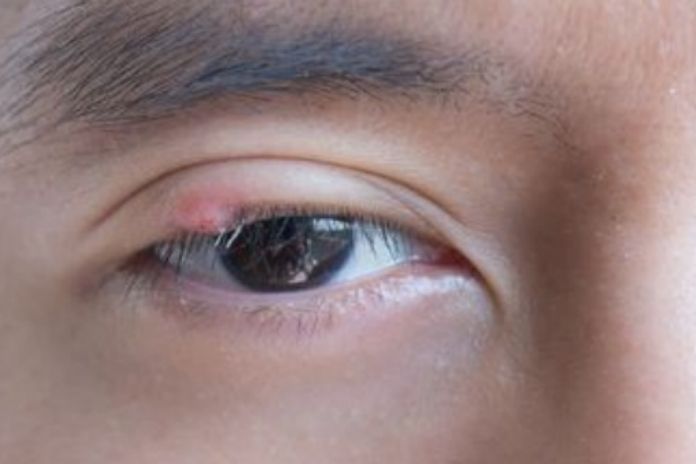
Recurring chalazia are usually caused by chronic conditions of the eyelid, such as dysfunction of the meibomian glands. Here’s a rundown of the leading causes.
Meibomian Gland Dysfunction
- Most common cause of chronic chalazia.
- The oil within these glands thickens and may become waxy, so blockages are more common.
- Glands don’t empty properly, trapping oil inside.
- Signs include burning eyes, a gritty sensation, and oily eyelids.
- Warm compresses can help thin and release the oils.
Blepharitis – Chronic Inflammation of the Eyelids
- Causes crusting around eyelashes and narrows oil ducts, leading to repeated blockages.
- Often associated with bacteria, seborrhea, or allergies.
- Inflames lids and worsens gland clogs.
- Daily cleaning can help break the cycle.
Rosacea (Especially Ocular Rosacea)
- Often a missed cause of recurrent chalazia; it thickens meibum and increases inflammation.
- Flare‑ups can be triggered by heat, spicy foods, or alcohol.
- Tends to affect the eyelids strongly in people with rosacea.
- Managed with anti‑inflammatory drops or other treatments prescribed by a doctor.
Previous Stye That Never Cleared Completely
- The infection clears, but the gland remains blocked and develops into a chalazion, so a stye–chalazion cycle can occur.
- Residual blockage invites recurrence.
- Avoid squeezing and seek early treatment.
- Warm compresses help the gland resolve more fully.
Poor Eyelid Hygiene or Makeup Practices
- Blocks glands with debris, causing recurrent chalazion.
- Sleeping in makeup and unclean lash lines increases the risk.
- Old mascara or eyeliner and heavy oil‑based products can clog glands.
- Remove makeup carefully every night.
Touching or Rubbing Eyes Frequently
- Transfers bacteria and irritants, which inflame the lids and promote blockage.
- Aggravates underlying diseases such as MGD.
- Becomes a habit loop that fuels more blockages.
- Keeping hands away from the eyes helps break this pattern.
High Stress or Hormonal Changes
- Change in oil production and increased inflammation, common in teens, postpartum, and perimenopause.
- Stress can thicken the meibum.
- Hormones may interfere with gland function.
- Aim to balance lifestyle and use stress‑management strategies.
Skin Type and Genetics
- Oily skin means thicker sebum and a higher chance of gland blockages.
- Some people inherit a tendency toward MGD or blepharitis.
- Genetics may set the risk; hygiene and care influence how often flares occur.
- Personalize eyelid care to your skin type.
Read More: Combat Digital Eye Strain: 7 Blue Light Blocking Glasses for Screen Time Relief
Less Common Etiologies of Recurrent Chalazia
While MGD and blepharitis dominate, less common factors can still fuel recurring chalazion. Early detection is important to avoid recurrence.
Allergies Causing Eye Rubbing
- Itchy eyes lead to frequent rubbing, which irritates the lids and blocks the glands.
- Causes inflammation similar to blepharitis.
- Pollen, dust, and pet dander are frequent triggers.
- Antihistamine drops and avoiding rubbing can help.
Irritation from Contact Lenses
- Lenses can trap debris and worsen clogged oil glands, causing repeated lumps.
- Poor lens hygiene or overwear blocks meibomian ducts.
- If chalazia recur, switching to daily disposables may help.
- Clean lenses carefully and allow the eyes to rest.
Vitamin A Deficiency (Rare)
- Impairs gland function and may lead to dry eyes and blockages, though this is uncommon with balanced diets.
- More likely in cases of malnutrition or poor absorption.
- Increasing intake of vitamin A–rich foods such as carrots and spinach can help.
- Blood tests may be needed if a deficiency is suspected.
Chronic Sinusitis
- Sinus pressure or infection can spread inflammation toward the eyelids, encouraging chronic chalazion.
- Drainage from the sinuses can irritate the eye area.
- Promptly treating allergies or sinus infections is important.
- Nasal rinses may support better sinus health.
Rarely: Sebaceous Gland Carcinoma
- If lumps in the same area keep recurring, see a physician promptly, as they may mimic chalazia but be cancer.
- Hard, persistent, or unusual‑looking lumps require biopsy.
- Do not ignore these signs; early detection can protect both vision and health.
Read More: How to Prevent Digital Eye Strain: Tips for Office Workers
How to Prevent Chalazia From Recurring: Proven Tips
Break the cycle of recurring chalazion with consistent, evidence‑based habits. Regular care keeps glands clearer and reduces inflammation over time.
Daily Warm Compress Routine: Most Effective Prevention
Apply a warm compress for 5–10 minutes daily to dissolve thick meibum and promote proper gland emptying. This simple step thins the oil efficiently and is one of the best long‑term habits for oily or inflamed eyelids.
Use a clean cloth or microwaveable mask once in the morning and once at night.
Eyelid Hygiene (Lid Scrubs)
Clean the lash line with hypoallergenic lid wipes or cotton swabs dipped in a mild, diluted baby shampoo solution to remove debris, bacteria, and oil buildup that cause blockages. Do this daily during flare‑ups and three to four times a week for maintenance.
A gentle eyelid massage afterward can support better gland drainage.
Manage Blepharitis
Warm compresses combined with lid scrubs are essential ongoing care to prevent narrowing of the oil ducts and recurrent lumps. Short‑term antibiotics or anti‑inflammatory medicines are often prescribed by doctors when blepharitis is more active.
Monitoring symptoms weekly helps you and your clinician adjust treatment.
Treat Rosacea if It Is Present
Avoid triggers such as heat, spicy food, and alcohol, and use prescribed topical or oral treatments to reduce eyelid inflammation.
This approach can significantly lower the risk of chronic chalazion when paired with gentle skincare around the eyes.
Replace and Clean Eye Makeup Regularly
To avoid blocked glands, replace mascara about every three months and never share eye makeup.
Remove all eye products at night using an appropriate remover and technique. Choose water‑based, non‑comedogenic products when possible and clean brushes or applicators weekly.
Improve Meibomian Gland Health
Omega‑3 supplementation at the often-recommended levels for eye surface health, along with using humidifiers in dry environments and avoiding smoking, can help maintain more stable oils and protect the glands from stress.
Staying well hydrated further assists overall tear and gland function.
Break the Eye‑Rubbing Habit
Use lubricating eye drops to promptly relieve itchiness, and antihistamines to proactively manage allergies.
Becoming aware of how often you touch your eyes helps you interrupt the habit before it fuels more irritation and blockage.
When Home Care Isn’t Enough: Medical Treatments for Recurrent Chalazia
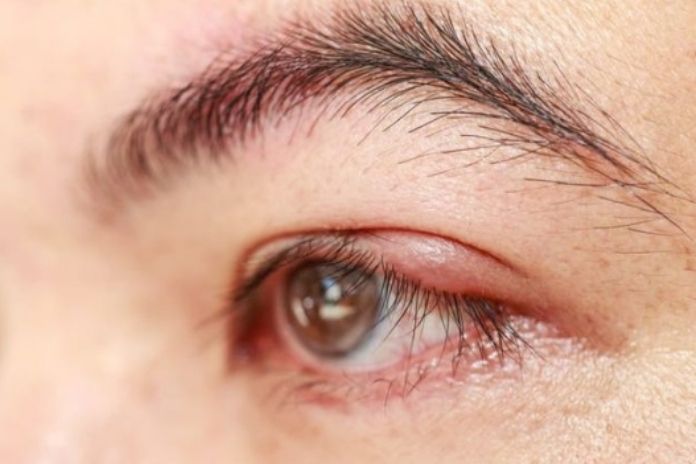
Recurrent, stubborn chalazia may require professional care when warm compresses and lid hygiene are not enough. Eye specialists offer targeted treatments to restore gland function and break the cycle.
Prescription Options
Antibiotic ointments can reduce bacteria associated with blepharitis and help keep the gland openings clearer. Steroid eye drops or ointments may be prescribed for short‑term use to calm persistent inflammation. In some cases, a combination antibiotic–steroid preparation is used to address both infection and swelling.
In‑Office Treatments
Manual meibomian gland expression allows the clinician to press out thick, stagnant oils during a brief visit. Thermal pulsation therapies, such as LipiFlow or iLux, apply controlled heat and pressure to the eyelids to soften and express gland contents more thoroughly. Intense pulsed light (IPL) can help treat ocular rosacea–related inflammation around the eyelids.
Steroid Injection
For persistent, inflamed chalazia that do not respond to home measures, a steroid injection into the lesion can shrink the lump over one to two weeks. This option generally involves minimal downtime and can be useful for selected chronic chalazion cases.
Surgical Resection
A small incision and curettage procedure can remove chalazia that persist for more than 6 to 8 weeks. Surgical evaluation is especially important for recurrent lumps in the same area to rule out rare malignancies, such as sebaceous gland carcinoma.
When to Seek Medical Care for Recurring Chalazia

Do not delay medical care if home treatment is failing, because repeated chalazia can sometimes signal other underlying problems. The following warning signs should prompt a visit to an eye specialist.
Urgent Signs Requiring Immediate Care
- Any chalazion that has not resolved after about six weeks.
- Recurrent obstruction of the same gland, suggesting ongoing disease.
- Blurry vision from a large chalazion pressing on the eye.
- Very painful eyelids can indicate an active infection or a stye.
- Lumps that keep recurring in the same location, especially in older adults.
- Multiple chalazia developing at once may indicate systemic issues such as rosacea.
Read More: Is It Safe to Use Lumify Eye Drops Daily? What Eye Doctors Want You to Know
Final Takeaway: Recurring Chalazia Always Have a Root Cause
Recurring chalazia are not just bad luck; they almost always reflect an underlying issue such as meibomian gland dysfunction, blepharitis, or rosacea. Over time, these chronic conditions thicken the oils and repeatedly clog the glands, leading to recurrent eyelid lumps and chronic chalazion.
The most powerful prevention is daily eyelid hygiene with lid scrubs or diluted baby shampoo, plus a consistent warm compress routine of around 5–10 minutes in the morning and at night. These simple steps help melt blockages, clear debris, and restore gland flow.
When home care is not enough, medical options such as steroid injections, gland expression, or IPL can break the cycle. Seek prompt evaluation for persistent lumps lasting longer than six weeks, recurrences in the same spot, or any changes in vision.
Addressing the root cause with steady hygiene habits greatly improves the odds of keeping your eyelids comfortable and lump‑free over the long term.
References
- Mabey, D. C., et al. (2022). Chalazion: Racial risk factors for formation, recurrence, and surgical intervention.
- Abdellatif, H., & Goyal, C. R. (2023). Chalazion. StatPearls.
- Zhang, Y., et al. (2024). Age and number of lesions predict chalazion recurrence.
- National Library of Medicine. (2024). Chalazion. MedlinePlus Medical Encyclopedia.
- Merck Manual Professional Editors. (2024). Chalazion and hordeolum (stye). Merck Manual Professional Version.
- Merck Manual Professional Editors. (2024). Blepharitis. Merck Manual Professional Version.
- Cleveland Clinic. (2025). Chalazion: Symptoms, causes, prevention & treatments.
- Medscape. (2025). Chalazion: Background, pathophysiology, etiology.
- Mayo Clinic Staff. (2025). Stye (sty) – Symptoms & causes.
- WebMD Editorial Contributors. (2023). Chalazion: Causes, symptoms, and treatment.
- Moorfields Eye Hospital. (2025). Chalazion (meibomian cyst).
- Meibomian gland disease. (2024). StatPearls.
- Mayo Clinic Staff. (2025). Blepharitis – Symptoms & causes.
- Fukuda, M., et al. (2020). A case of recurrent chalazia associated with subclinical hypothyroidism.
In this Article