













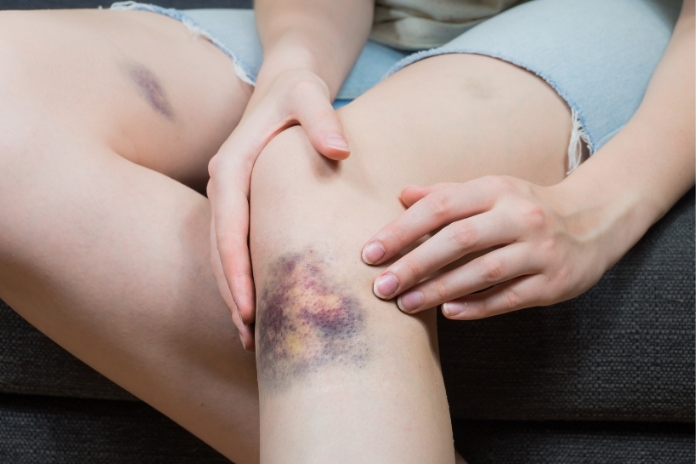
Have you ever noticed a bruise and wondered, “How did a bruise get there?” I don’t remember bumping into anything. The good news? Minor, infrequent bruises typically aren’t a cause for concern.
Bruises are common. In the U.S. study, about one in five healthy participants said they were easily bruised. Why is that?
Usually, the most common locations for inexplicable bruises are the arms and lower legs. On rare occasions, a small bump may result in intermittent bruises. As they heal, the color often changes—starting with red, shifting to blue or deep purple, and finally turning yellow or green.
“The good news is that most bruises aren’t a big deal even if you can’t explain them,” said Shannon Jahn, a Marshfield Clinic Health System Oncology/Hematology Nurse Practitioner.
However, in some instances, unexplained bruising may indicate a medical ailment, a vitamin deficiency, a bleeding disorder, or another underlying health concern that requires care.
This article will discuss common and dangerous reasons for unexplained bruises, how to spot warning signals, and when to consult a specialist.
Read More: 25 Ways To Get Rid Of Bruises Naturally
What Causes Bruises?
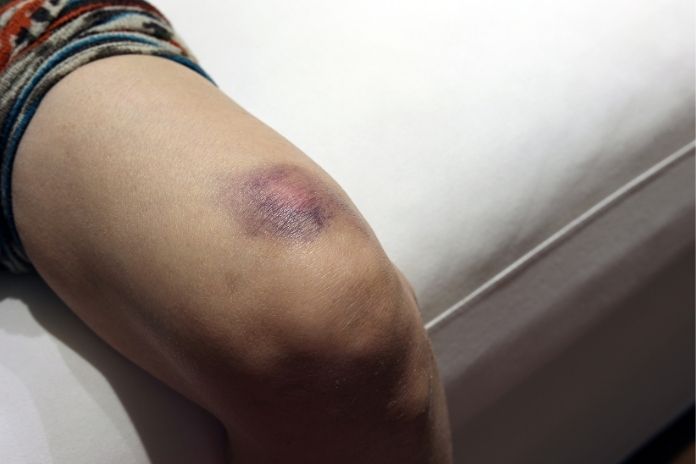
Bruising beneath the skin can result from any physical impact, including minor bumps, auto accidents, sports injuries, and other similar incidents. Furthermore, additional variables may cause this syndrome, such as:
Nutritional Deficiencies: The body may bruise if it is deficient in specific vitamins. A few vitamins that may be lacking are:
- Vitamin B12, which aids in the development of red blood cells
- Vitamin K plays a key role in producing the proteins necessary for blood clotting
- Vitamin C, which stimulates the production of cells
- Vitamin P increases blood vessel thickness to tolerate blood flow pressure by aiding in the synthesis of collagen.
A lack of these vitamins can cause blood vessels to weaken and become brittle, which makes bruises more likely to occur.
Use of Blood-Acting Medications: Bruising can also result from the use of several blood-affecting medications. Antidepressants, painkillers, iron-containing pharmaceuticals, and asthma meds are a few examples of related medications. Notably, aspirin is a popular medicine that causes this.
Hormonal Imbalance: Hormonal imbalance is another frequent reason for bruises. A lack of estrogen in women going through menopause can weaken blood vessels, causing injury and bleeding. Furthermore, blood vessel flexibility decreases with age, leading to increased bruising, particularly in the legs.
Diabetes: Because diabetes impairs blood circulation, bruises may also be an early indicator of the disease. Patients may also have blurred vision, thirst, and exhaustion in addition to bruises. For prompt treatment, it’s crucial to see a doctor if you experience any bruises in addition to these symptoms.
Genetic Predisposition: If bruising easily runs in your family, you may have inherited that tendency.
Age: Because of decreased collagen production and the loss of the youthful fat cushion beneath, skin becomes very thin and less elastic as people age.
Excessive Physical Activity: Excessive physical activity can cause more than simple sore muscles. You can develop bruises around affected muscles if you have recently overexerted yourself in the gym. A muscle strain damages muscle tissue located deep beneath the skin.
Blood vessels may burst as a result, causing blood to spill into the surrounding environment. When you bleed more than normal for any reason, blood can collect under the skin, leading to a bruise.
Minor Injuries You Forget: If you’re rushing or distracted, it’s simple to run into a table, door frame, or piece of furniture without realizing it. Moving boxes, lugging heavy grocery bags, and even shifting in bed can occasionally result in minor bruises and vascular damage.
Underlying Medical Conditions to Consider
It is essential to take bruises seriously and see a medical professional if you are seeing them often, if they are severe, or especially if they are large and you have no idea why. In some cases, the presence of continuous, unexplained bruises indicates a medical condition you should treat urgently.
A Bleeding or Clotting Disorder: Underlying bleeding problems may lead to bruises, such as hemophilia, thrombocytopenia, or factor V deficiency. Additionally, people with hemophilia (a rare genetic condition) experience severe bruising because they have reduced levels of clotting factor VIII or IX. Patients with immune thrombocytopenia often have low platelet counts and can have spontaneous bruising. Platelets are blood cells responsible for forming clots and preventing excessive bleeding.
Read More: How to Get Rid of Bruises
Infection: Sepsis is where toxins build up in the blood or tissues. Sepsis patients can develop patches of purple skin (purpura) or a collection of tiny blood spots known as petechiae (similar to pinpricks on the skin). If left untreated, these could expand, clump together, and lead to more severe injuries. Sepsis (also called blood poisoning) requires immediate treatment.
Kidney or Liver Disease: The liver has ceased producing proteins responsible for blood coagulation due to damage to the liver. Bruising easily is a sign of cirrhosis, which results from chronic, continuing damage. Cirrhosis may also be accompanied by symptoms such as nausea, abdominal discomfort, reduced appetite, and tiredness. Bruising easily may also be noted in individuals with kidney disease because skin loses some of its elasticity.
Blood Malignancies: Low platelet counts can be a symptom of blood cancers such as leukemia or lymphoma.
When to See a Doctor

It’s always OK to seek the advice of a healthcare professional if you’re concerned about bruising. They will either recommend more testing or reassure you that there is nothing to be concerned about. If your bruises disappear before your appointment, consider taking photos to share.
It’s wise to get in touch with your healthcare professional if other symptoms, such as increased bleeding, accompany your bruises. Among the examples are:
- Bruises that are large, frequent, and last longer than two to three weeks.
- Recurrent nosebleeds happening more than five times annually.
- Periods that are heavier or longer than usual.
- Blood in the feces or pee.
- Gums that bleed each time you brush your teeth.
It’s also a good idea to inform your provider if you have a family history of platelet or bleeding disorders.
You may never pinpoint the source. The bruise eventually disappears, along with your concern. But bruising shouldn’t always be dismissed so easily, says hematologist Dana Angelini, MD.
“It’s common to bump into things, not remember, and see small bruises on your legs or arms,” she says. “However, unprovoked bruises on your torso, back, or face are unusual. And that’s a reason to get them checked out.”
Read More: 12 Home Remedies For Black Eye That Help Soothe The Pain
How Doctors Diagnose the Cause
Typically, when you visit the doctor about an unexplained bruise, the first things they are going to do are a physical examination and review your medical history. Your doctor will, of course, want to know when the bruises started, how often you get them, whether you are taking any medications, and whether you have had any other symptoms, such as fever, fatigue, or bleeding. They may examine areas or patterns of bruises that indicate a specific disease/condition.
It is essential to get blood tests to identify the actual underlying cause. Doctors perform a complete blood count (CBC) to determine whether there are any abnormalities in the red blood cells, white blood cells, or platelets. A clotting profile measures how well your blood clots and can reveal conditions like hemophilia or low platelet counts.
Initial tests, like a complete blood count, peripheral blood smear, prothrombin time (PT), and partial thromboplastin time (PTT), can help narrow the differential diagnosis by detecting possible abnormalities in platelets or the clotting cascade. Doctors also advise testing liver and kidney function.
By combining your medical history, a thorough examination, and specific tests, doctors can quickly determine whether your bruises are harmless or indicative of a more serious condition.
Treatment & Prevention

The majority of bruises heal on their own. More serious bruising may require medical attention. You can hasten the healing of your bruises by:
- To reduce pain and stop swelling, the damaged area should be rested and raised.
- For the first 24 to 48 hours following an injury, apply cold packs. Apply ice for no more than fifteen minutes at a time while wrapping the ice pack in a towel. Continue all day long.
- After two days, apply a warm compress or heating pad to the injured area. You can use heat multiple times during the day.
- Taking acetaminophen or other over-the-counter pain relievers. Consult your healthcare provider before taking NSAIDs.
Read More: When to See a Doctor for a Suspected Fracture (Even If You Can Still Walk)?
Conclusion
Most common random bruises are harmless and are often the result of minor hits or activities that do not even register in your mind. Most commonly, they will disappear on their own with no necessity for medical treatment at all. That said, it’s crucial to be vigilant about any particularly sore bruising, lasts a long time, is sizeable, or fails to disappear, especially if accompanied by other symptoms such as tiredness, bleeding, or unexplained weight loss.
From clotting abnormalities to more catastrophic illnesses, these types of warning signals can occasionally point to an underlying health problem. It is crucial to diagnose medical issues early, as this can improve treatment outcomes and, in certain situations, save lives.
References
- https://shine365.marshfieldclinic.org/cancer-care/unexplained-bruising
- https://www.self.com/story/why-do-i-get-random-bruises
- https://www.goodrx.com/health-topic/hematology/causes-of-random-easy-bruising
- https://pmc.ncbi.nlm.nih.gov/articles/PMC3017649/
- https://www.linkedin.com/in/shannon-jahn-70372aa5/
- https://my.clevelandclinic.org/health/diseases/15235-bruises
- https://docsmedicalgroup.com/docsurgentcare/bruises-causes-treatments-and-signs-you-need-to-visit-an-urgent-care-in-stamford-ct
- https://www.medicalnewstoday.com/articles/random-bruising#causes
- https://bestpractice.bmj.com/topics/en-us/1208
- https://www.aafp.org/pubs/afp/issues/2016/0215/p279.html
- https://health.clevelandclinic.org/do-you-bruise-easily-when-to-get-it-checked
- https://providers.clevelandclinic.org/provider/dana-angelini/4269597
- https://www.dictionary.com/e/medical-term-for-bruise/
- https://www.elastoplast.com.au/first-aid/wound-care/bruising-easily-tips-to-treat-and-prevent-bruises
In this Article