





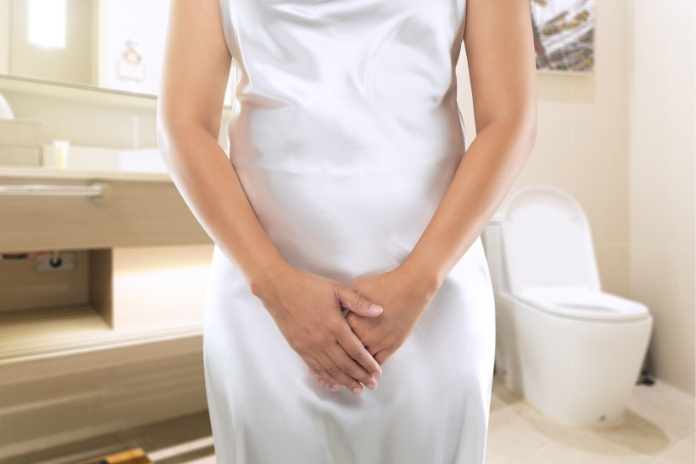
Last week, whenever I visited the washroom to pee, it never felt ‘complete’. As in, I felt like peeing even after going, all over again. Scared, I thought this must be a Urinary Tract Infection. However, upon doing a bit of research, I was surprised. This is not just a symptom of a Urinary Tract Infection, but can happen due to several other underlying causes.
Did you, too, ever leave the bathroom and feel as though you had to go again? You’re not the only one. That annoying, persistent feeling to pee, even when your bladder isn’t even close to full, can be fairly common and extremely frustrating. Although most jump to the conclusion that it is a urinary tract infection (UTI), there are numerous other reasons behind this feeling.
Your urinary system is a finely-tuned, coordinated system of organs, nerves, and muscles. Something as simple as a malfunction in one area can send out false signals and sudden urgency that appears out of nowhere. Whether you’re experiencing stress, a food trigger, or something more chronic like pelvic floor dysfunction or interstitial cystitis, understanding the cause is essential to relief.
Read More: Top 5 UTI Test Kits: Convenient Solutions for At-Home Urinary Tract Infection Detection
In this article, we will explore the reasons behind a constant sensation of needing to go and when to consider a doctor visit. We will also understand what you can do medically and at home to get things back on track.
How the Urge to Pee Works
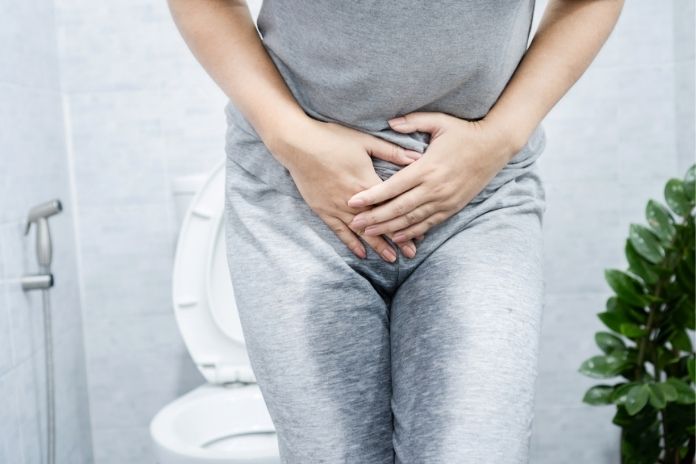
Urination isn’t merely a matter of having a full bladder. It’s a process that consists of the bladder, brain, spinal cord, muscles in the pelvic floor, and nerves.
This is how it happens:
- Bladder Filling and Stretching: Your kidneys produce urine constantly, which fills the bladder gradually. While it stretches, the bladder wall sends a message to the brain.
- Nerve Signaling: When the bladder reaches a certain volume, nerves signal the brain that it’s time to go. But this doesn’t automatically trigger urination; the brain decides when and where it’s appropriate.
- Muscle Coordination: Once you’re ready, your brain tells your pelvic floor muscles to relax, allowing the bladder to contract and push urine out.
Difficulties in any part of this chain can make it seem like you need to go pee even when you don’t. For example, if signals from nerves fire improperly or the bladder muscle tightens up too soon, you might sense that you need to go even if you haven’t.
Common Causes of Constant Urge to Pee (Even After Going)
Here are a few common causes that you must know if you are not fully satisfied even after peeing:
Urinary Tract Infection (UTI):

The most common cause is usually a UTI. UTIs cause the bladder and urethral lining to become inflamed so that even small amounts of urine can bring an urgent sensation. Some people experience burning with urination, pelvic pain, cloudy or pungent urine, and fever, depending on how bad the case is.
But the catch is, not all urinary urgency is caused by infection. If your tests continue to return negative, it’s time to look closer.
Overactive Bladder (OAB):
An overactive bladder is when the bladder muscle contracts too often, even when the bladder is not full. Individuals with OAB tend to have:
- Sudden, strong urges to urinate
- Frequent urination (more than 8 times daily)
- Nocturia (having to awaken at night to urinate)
- Urge incontinence (leaking before getting to the bathroom)
OAB is typically diagnosed after ruling out infection or anatomic issues. It’s more prevalent with age but may happen in younger individuals as well.
Interstitial Cystitis (Bladder Pain Syndrome):
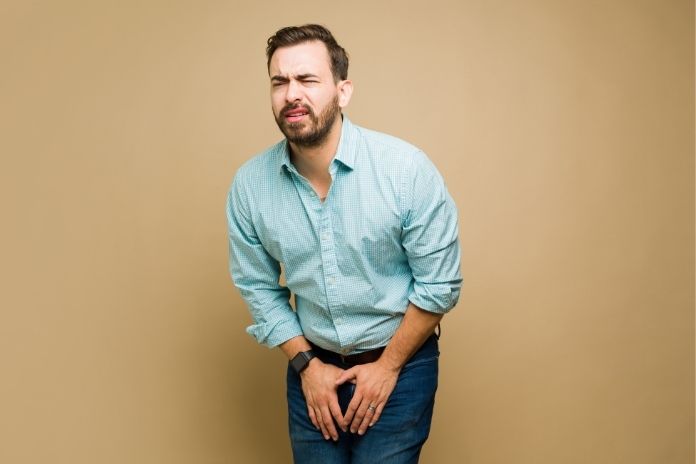
While a UTI, interstitial cystitis (IC) is not an acute condition with a known cause. It consists of chronic inflammation of the bladder wall and can cause:
- Painful bladder pressure
- Urgency and frequency, even soon after peeing
- Pain with increasing bladder filling
- Intermenstrual pain
IC can be mistaken for UTI, but it is not treated with antibiotics. Symptoms tend to change from day to day or season to season and commonly become worse with some foods or stress.
Pelvic Floor Dysfunction:
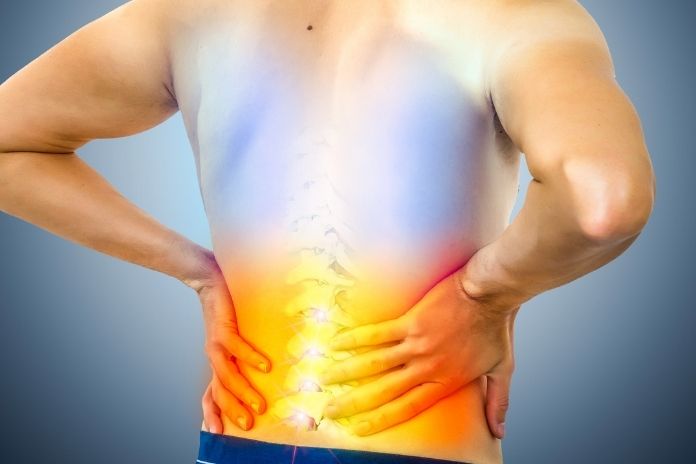
Your pelvic floor muscles hold up the bladder, bowel, and reproductive organs. When they become too tight, weak, or out of sync, they can mislead your bladder into telling your brain false information.
Pelvic floor dysfunction occurs most frequently in women after childbirth, in individuals with chronic pelvic pain, or in individuals who have prolonged sitting. You may also experience:
- Painful intercourse
- Tailbone or lower back pain
- Constipation
- Incomplete bladder emptying after urination
Treatment of the underlying tension with physical therapy can be very effective in relieving symptoms.
Bladder Irritants in Your Diet:
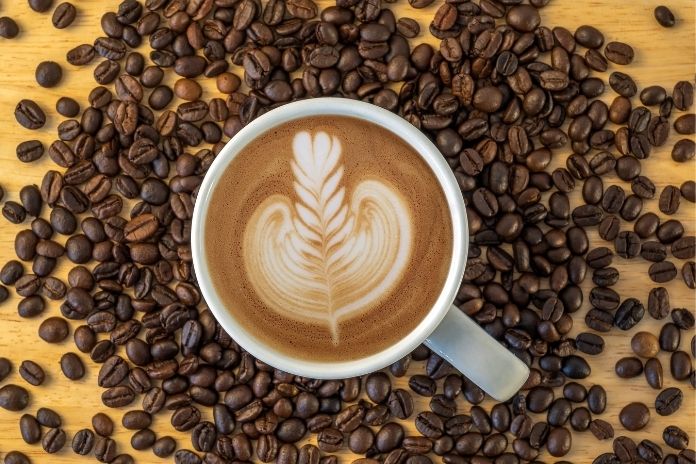
Certain foods and beverages can irritate your bladder and cause urgency without an underlying medical condition. The most common culprits are:
- Caffeine
- Alcohol
- Artificial sweeteners
- Including citrus fruits
- Spicy or acidic foods
In my case, I was feeling worse after my Saturday morning coffee or weekend wine. This made me think that my bladder was reacting to something I was eating or drinking.
Read More: All That You Need To Know About Urinary Incontinence – Get Educated!
Anxiety or Stress:

Surprisingly, your brain and bladder are very much linked. If you’re nervous or stressed, your fight-or-flight response may increase body awareness, leaving you more sensitive to sensations in your bladder.
Health-conscious people tend to develop an increased sensitivity to their bodily processes, including the need to pee. This puts you in a feedback loop where the more attention you give the need, the worse it becomes.
Changes in Hormones (e.g., Menopause or Pregnancy):
Hormonal changes, particularly in menopause and pregnancy, can play havoc with your bladder. A decrease in estrogen influences the bladder lining, urethra, and pelvic tissues, causing loss of elasticity and alteration of sensation.
Pregnant women commonly suffer from urinary urgency because of:
- Physical compression of the bladder by the expanding uterus
- Increased circulating blood volume and fluid handling
- Relaxation of the bladder-supporting ligaments due to hormonal changes
When to See a Doctor
In conversation with the New York Post, Dr. Seth Cohen, a urologist at NYU Langone’s Preston Tisch Center for Men’s Health, emphasizes how urinary habits can have a significant impact on the quality of your life.
Dr. Seth Cohen says, “If your urinary habits are preventing you from living your normal life, it’s worth bringing it up to your doctor. I’ve also seen spouses bring in their loved ones because their frequent urination is affecting them as well, and they’re concerned. I know that it may feel embarrassing or awkward to talk about this condition, but frequent urination is common, and there are solutions to help you get back to your regular life.”
Not all instances of needing to pee are emergencies, but recurring symptoms should not be overlooked. You must visit a healthcare provider if:
- Your symptoms continue for more than a few days without fading away
- You have received several negative UTI tests
- The urge interferes with sleep, work, or daily activities, making it difficult to lead a quality life.
- You have new symptoms such as blood in urine, pain during urination, or leakage
A physician can help prevent and treat serious illnesses such as bladder stones, prolapse, or even neurological disease.
Diagnosis: What to Expect
If your physician is suspicious of something other than a UTI, they might order some tests to try to pinpoint the cause:
- Urinalysis and urine culture to test for infection
- A bladder scan that tests post-void residual volume to make sure you’re fully emptying
- Pelvic exam to look for signs of prolapse or muscle dysfunction
- Cystoscopy, where a camera is used to look at the lining of your bladder for inflammation or lesions
- Urodynamic testing is the test of how well your bladder holds and empties urine
These tests provide a clearer understanding of what’s not right and how to fix it.
Treatment Based on Cause
Here’s a treatment plan that’ll help you treat the cause the right way:
For UTI:
If bacteria are detected in your urine, an antibiotic short course will normally cure the infection. Drinking lots of water and avoiding bladder irritants can also hasten recovery.
For Overactive Bladder:
OAB can usually be treated with:
- Bladder Training: Gradually increasing the interval between bathroom visits
- Medications: Oxybutynin or mirabegron
- Lifestyle Changes: Decreasing caffeine, alcohol, and smoking
In more serious cases, Botox injections or nerve stimulation treatments can benefit you.
For Interstitial Cystitis:
IC frequently needs a comprehensive treatment plan:
- Avoiding identified bladder irritants
- Bladder instillations (therapeutic washes)
- Oral medications such as pentosan polysulfate
- Pelvic floor therapy and relaxation exercises
For Pelvic Floor Dysfunction:
A physical therapist who is a pelvic health specialist can instruct you in relaxing and coordinating your pelvic muscles. Techniques include:
- Biofeedback
- Internal massage
- Breathing exercises
- Strengthening or lengthening programs
For Dietary Triggers:
Try an elimination diet; begin with a caffeine-free, low-acid regimen for one week. Reintroduce one item at a time and note specific triggers.
For Anxiety-Related Urgency:
Bladder-centered cognitive behavioral therapy (CBT), journaling, mindfulness, and stress management can interrupt the anxiety-urgency loop. Pelvic floor relaxing methods may also help alleviate urgency.
Read More: 7 Best pH-Balanced Feminine Washes for Vaginal Health
At-Home Tips to Relieve the Urge
- Don’t Pee Simply: Don’t pee ‘just in case’ as this trains your bladder to signal too soon.
- Double-Voiding: For this, you first pass urine, wait a few seconds, and then again try to empty.
- Stay Hydrated: Not enough water results in concentrated urine that will irritate the bladder.
- Monitor Patterns: Diary of symptoms, fluid intake, diet, and stress levels.
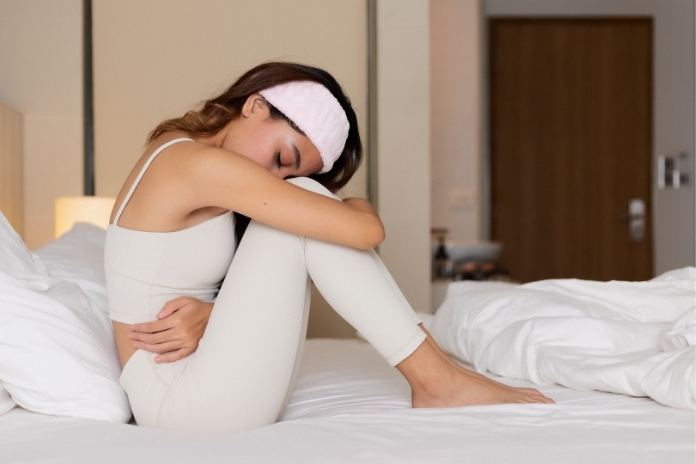
- Gentle Movement: Experiment with yoga poses, such as child’s pose, to relax your pelvic muscles.
- Quick-Flicks: A quick pelvic floor contraction might override a false urgency signal.
Consistency is the key. These strategies work over time to reset the sensitivity of your bladder and enhance control.
Final Words
The urge to pee after peeing can drive you crazy, but for many, it is treatable with proper diagnosis and care. From pressure in the bladder and no UTI to urgency of the urine and no infection, the list of possible causes is endless.
The good news? Whether your problem is a muscle issue, a diet issue, or an overactive bladder, there are plenty of solutions. Don’t wait to get answers. Getting to the bottom of the issue means less bathroom use and more peace of mind in your daily routine.
The above-mentioned tips helped me regain control and lead a better daily life. However, if the symptoms persist, it’s essential to check with a doctor.
References
- https://www.ncbi.nlm.nih.gov/books/NBK513238/
- https://www.webmd.com/women/your-guide-urinary-tract-infections
- https://dreminozbek.com/en/commonly-seen-urologic-problems-in-menopause/
- https://www.urologyhealth.org/urology-a-z/o/overactive-bladder-(oab)
- https://nyulangone.org/doctors/1922249135/seth-d-cohen
- https://nypost.com/2024/05/13/health/im-a-doc-and-this-embarrassing-health-issue-is-actually-very-common/
In this Article