










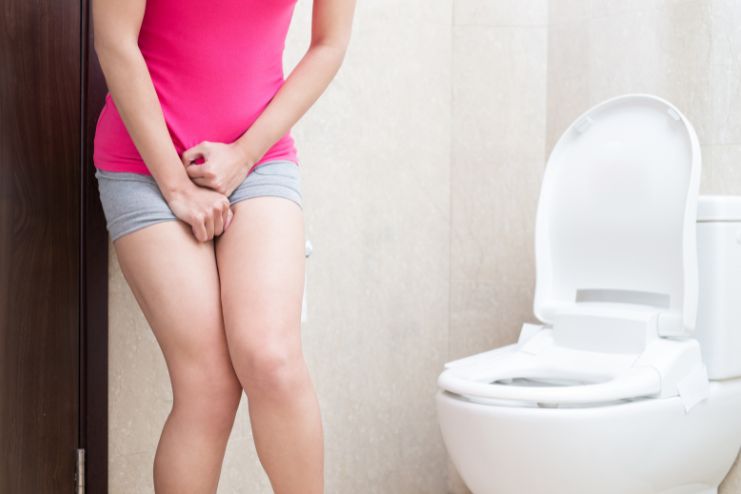
You can feel that you are going to sneeze and contract involuntarily since you are also aware that you will likely urinate during a sneeze.
Additionally, you likely leak a bit when you cough, laugh, stretch, or sneeze, which is becoming an issue. Should you refrain from laughing or forego your favorite pastimes to avoid embarrassment? Not.
You are likely experiencing stress incontinence, and you are not the only one. Women of all ages can experience stress incontinence, although it is more common following childbirth or throughout perimenopause and menopause, when muscle support and tone may wane.
The good news is that therapies, lifestyle changes, and regular physical activity can help reduce or even eliminate these symptoms, allowing you to enjoy each moment worry-free. There are several strategies you can try to help regain control. If not, you and your doctor can collaborate to determine the best course of action.
Read More: Understanding Pelvic Health: Common Issues and Maintenance Tips
The Anatomy Behind Bladder Control
After filtering blood, our urinary system generates urine to eliminate the waste materials. The kidneys, renal pelvis, ureters, bladder, and urethra comprise the urinary system’s organs.
Our body obtains nutrients from the food we eat and converts it into energy. Waste products remain in the blood and intestines after the body has absorbed the necessary components of the meal.
The urinary and renal systems help maintain the body’s balance of sodium, potassium, and water while removing liquid waste, such as urea. When the body breaks down protein-rich foods, such as meat, poultry, and certain vegetables, urea is produced. Urea is transported through the blood to the kidneys, where it’s removed alongside excess water and other waste materials in the form of urine.
Urine, or pee, is stored in the hollow, spherical urinary bladder. Most people’s bladder can retain 500–700 mL (about two cups) of urine. When it’s time to urinate, our bladder muscles contract while our sphincter muscles in the urethra relax, allowing the urine to leave our body.
Numerous layers make up the bladder wall, including:
- Transitional epithelium or urothelium. The layer of cells, known as transitional or urothelial cells, forms the inner lining of the kidneys, ureters, bladder, and urethra.
- Propria lamina. The next layer around the urothelium is this one. It belongs to the category of connective tissue.
- The muscularis propria, or detrusor muscle. It is the outermost layer. Beyond the lamina propria lies a substantial layer of smooth muscle tissue.
- Fatty connective tissue. It keeps the bladder isolated from other organs and covers its outside.
Why Some Women Leak and Others Don’t

You may have stress incontinence if you inadvertently leak pee when you cough, sneeze, laugh, jump, pick something up, or exercise. Stress incontinence is the most frequent form of urinary incontinence, followed by mixed incontinence, which is a combination of stress and urge incontinence, which involves a strong, abrupt need to urinate before you can reach the restroom.
Increased abdominal pressure causes stress incontinence by putting too much strain on the bladder and pushing down your pelvic floor muscles, which form the bottom of your “core” and connect to your pelvic bones.
Under typical circumstances, the pelvic floor muscles can tolerate this pressure shift and stop urine from passing through the urethra and leaving the bladder. Urine may uncontrollably leak out if the pelvic floor muscles are weak or overextended because they cannot support the bladder or regulate the urethra.
Urinary incontinence can be made more likely by certain factors, such as:
Pregnancy: Stress incontinence may result from hormonal fluctuations and the fetus’s increased weight.
Varies with Age: The bladder muscle may hold less urine as it ages. Additionally, as you age, the frequency of involuntary bladder spasms increases.
Obstruction: Overflow incontinence can result from a tumor in the urinary system that obstructs the regular flow of urine. Hard formations, called urinary stones, can sometimes contribute to urine leakage when they form in the bladder.
Menopause: Women’s production of estrogen, a hormone that supports the health of the bladder and urethral lining, declines after menopause. Incontinence may worsen if these tissues deteriorate.
Neurological Conditions: Damage or disruption to the nerve signals that regulate bladder control — due to conditions such as multiple sclerosis, Parkinson’s disease, stroke, brain tumors, or spinal injuries — can contribute to urinary incontinence.
Nancy Ringel, MD, MS, a pelvic floor problem specialist, says, “There are many different kinds of treatment options for urine leakage, and we are here to help you determine which are right for you.”
Read More: Pelvic Floor Exercises: Strengthening Solutions for Incontinence
How to Know If It’s a Sign of a Larger Issue

Although leakage is widespread and typically not a health issue, it is something to be aware of, as it may be a sign of a more serious underlying condition. It occurs particularly after a sneeze, a laugh, or lifting something heavy.
If your leaks become worse, occur more often, or are more difficult to conceal, you may need to see a urogynecologist or physical therapist trained in pelvic floors. These medical experts can determine the cause of your condition, prescribe treatment procedures tailored to your needs, and guide you through the functional processes.
Some of the symptoms to watch out for include recurring tightness around your pelvis, frequent urination, or having to urinate very frequently during the night. These symptoms may be a sign of prolapse, pelvic floor weakness, or an overactive bladder, all of which, if left unaddressed, can impair your everyday activities and overall quality of life.
Performing pelvic floor exercises, commonly referred to as Kegel exercises, may help alleviate stress incontinence. These exercises strengthen the muscles that support the urinary system. However, strengthening and using your pelvic floor muscles properly can be difficult.
Take control and listen to your body. If you are uncertain, it is worthwhile seeking professional assistance; you are not alone, and help is available.
What You Can Do About It
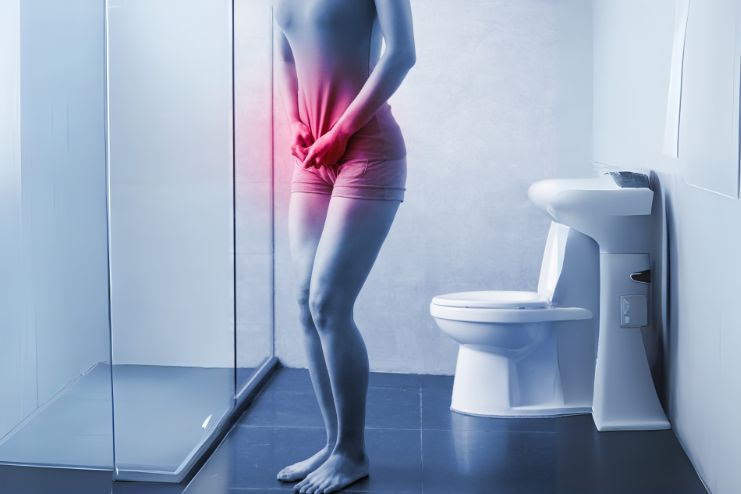
Despite being relatively common, urine incontinence can be humiliating to discuss, and many women suffer in silence from its symptoms. Along with the physical symptoms, there is an emotional cost that may cause people to avoid social interactions and even sexual contact, which can lead to despair and withdrawal.
Urinary incontinence affects around one-third of women, but according to Dr. Kimia Menhaji, an OBGYN and board-certified urogynecologist with Sharp HealthCare, there are numerous treatment options that can assist.
Numerous methods and interventions can help reduce symptoms and improve the strength and functionality of your pelvic floor muscles, which can help keep symptoms from returning.
If you experience symptoms of incontinence, consult your physician. If you do not address it, it will worsen over time. The good news is that there are treatments for urine incontinence. Depending on the kind, it might even be reversible.
According to Dr. Menhaji, a variety of nonsurgical and surgical treatment options can significantly improve and, in certain cases, completely eliminate urinary incontinence.
- Consistent Kegel exercises are one of the leading nonsurgical methods for strengthening the pelvic floor. This practice involves repeatedly tightening the pelvic floor muscles, which helps provide stability and support to the bladder, uterus, small intestine, and rectum.
- Another nonsurgical method is periurethral bulking, which narrows the urethra’s breadth by injecting a bulking substance around its walls. The most common treatments for urgency incontinence are oral medicines and bladder training.
- Slings are the most popular surgical procedure used to address urine incontinence. Surgeons position them beneath the urethra to provide support and stop leaks.
Read More: How To Deal With Elderly Incontinence? Know What Science Suggests
Conclusion
It is much more common than you probably think to have urine escape when you laugh, sneeze, or move in other ways, and there is nothing wrong with having this issue. It is essential to understand that even though pelvic floor health is a common and important aspect of overall health, many women quietly suffer from challenges related to pelvic floor health due to stigma or misjudgment.
The critical point is that the sooner you address it, the more likely you will have a favorable outcome. Whether it is an exercise program, lifestyle modification, or a medication-based treatment, you can improve your daily life.
If you are experiencing stress urinary incontinence, consider seeing your healthcare professional. They will work with you to develop an individualized action plan to help you manage your symptoms, allowing you to return to life without worrying thoughts. A lot of help is available for your specific issue, and you are not alone.
FAQs
Is leaking when sneezing normal after childbirth?
Indeed, postpartum urinary incontinence—the tendency to leak pee when sneezing after giving birth—occurs frequently. It is thought to affect roughly 50% of women because of weak pelvic floor muscles from pregnancy and childbirth.
Do Kegels actually work?
Kegel exercises, called pelvic floor exercises, can effectively prevent and treat stress incontinence.
Can young women experience this, too?
Urinary incontinence, or pee leakage, is a real possibility for young women. Although the likelihood of developing urine incontinence rises with age, young women might also be affected.
References
- https://www.healthline.com/health/pee-when-i-sneeze
- https://www.mayoclinic.org/diseases-conditions/urinary-incontinence/symptoms-causes/syc-20352808
- https://www.ncbi.nlm.nih.gov/books/NBK531465/
- https://my.clevelandclinic.org/health/body/25010-bladder
- https://www.hopkinsmedicine.org/health/wellness-and-prevention/anatomy-of-the-urinary-system
- https://www.saintlukeskc.org/health-library/anatomy-bladder
- https://www.nhs.uk/conditions/urinary-incontinence/
- https://www.mayoclinic.org/diseases-conditions/urinary-incontinence/symptoms-causes/syc-20352808
- https://my.clevelandclinic.org/health/diseases/22262-stress-incontinence
- https://www.nhsinform.scot/healthy-living/womens-health/middle-years-around-25-to-50-years/pelvic-health/urinary-incontinence-in-women/
- https://www.hopkinsmedicine.org/health/conditions-and-diseases/urinary-incontinence/solutions-for-a-leaky-bladder
- https://www.sharp.com/health-news/bladder-control-concerns-what-you-need-to-know
In this Article