













You’ve seen them.
The ones who somehow glide through flu season untouched. No sniffles, no sick days, no midnight runs for cough syrup. While everyone else is holed up with soup, stuffy noses, and streaming services, they’re out running errands, hitting the gym, or casually ticking off their to-do list like it’s nothing. It’s infuriating. And impressive.
You wonder, what gives? Are they just genetically blessed? Is it blind luck? Or is there something more intentional going on behind the scenes?
Turns out, it’s not a fluke. While genetics plays a role, research shows that certain lifestyle habits, quiet, consistent ones, stack the odds in their favor. They support the immune system, lower inflammation, and help the body recover faster when viruses do hit. And the best part? These habits aren’t complicated or out of reach.
They don’t involve expensive superfoods or extreme routines. In fact, most of these immune-boosting behaviors are surprisingly simple. But they require something most of us overlook: consistency. And when practiced day in and day out, they don’t just help you dodge the occasional cold; they fundamentally change how your body handles stress, germs, and recovery.
Let’s break down what these “never sick” folks are really doing, and how you can do the same.
Strong Daily Routines That Support Immunity

They’re not extreme biohackers or supplement junkies. But what they do have is rhythm, habits so steady, they barely think about them anymore. These daily patterns form the invisible scaffolding that keeps their immune system sharp and stress levels in check.
1. A Consistent Sleep Schedule
This is where it all begins. People who rarely get sick guard their sleep like it’s non-negotiable, because it is. They aim for 7 to 9 hours every night, and more importantly, they go to bed and wake up at roughly the same time, even on weekends.
Why it matters: Sleep isn’t just about feeling rested. It’s when your immune system does its deep repair work. During deep sleep, your body releases cytokines and proteins that help fight infections and reduce inflammation.
Just one night of poor sleep can suppress your natural killer cell activity by up to 70%. If you’re chronically underslept, your immune system’s first responders aren’t even showing up.
2. Regular, Low-Stress Movement
They’re not crushing two-hour HIIT classes. But they are moving daily. This could mean a 30-minute walk, some yoga in the living room, a quick bike ride to run errands, or even light strength training. The goal isn’t to punish the body, it’s to stimulate it.
Regular movement improves lymphatic circulation (how your body clears out waste and pathogens), increases white blood cell activity, and helps reduce chronic low-grade inflammation that weakens your immune response.
And here’s the real trick: they move even when they don’t feel like it. Because for them, it’s not about motivation, it’s about momentum.
“All acute exercise induces a low-grade inflammatory response that the body then adapts to, creating a longer-term, anti-inflammatory adaptation, says Stacy T. Sims, PhD, an exercise physiologist and nutrition scientist. “This is why the fitter you are, the less chronic inflammatory markers there are.”
3. Morning Sunlight Exposure
This one’s subtle, but powerful. Getting 10 to 15 minutes of direct morning light helps anchor your circadian rhythm, the internal clock that tells your body when to wake, sleep, and release key hormones.
Morning light exposure helps boost serotonin levels (a precursor to melatonin), improves sleep quality at night, and triggers your body’s natural production of vitamin D. Since low vitamin D is linked to higher rates of respiratory infections and slower immune responses, this simple habit quietly works overtime to keep you well.
Even standing by a sunny window or walking your dog around the block can do the trick. It’s a small move with big ripple effects.
Gut Health Plays a Bigger Role Than You Think
If your gut’s out of sync, your immune system probably is too. It’s not just about digestion; your gut is mission control for immunity.
Roughly 70% of your immune cells live in the gut wall. That means what happens in your digestive system influences how your body responds to viruses, bacteria, and inflammation. People who rarely get sick? They’re not just lucky, they’re likely nurturing a balanced, diverse microbiome without even realizing it.
Here’s what they’re doing right:
1. Eating a Fiber-Rich Diet, Daily
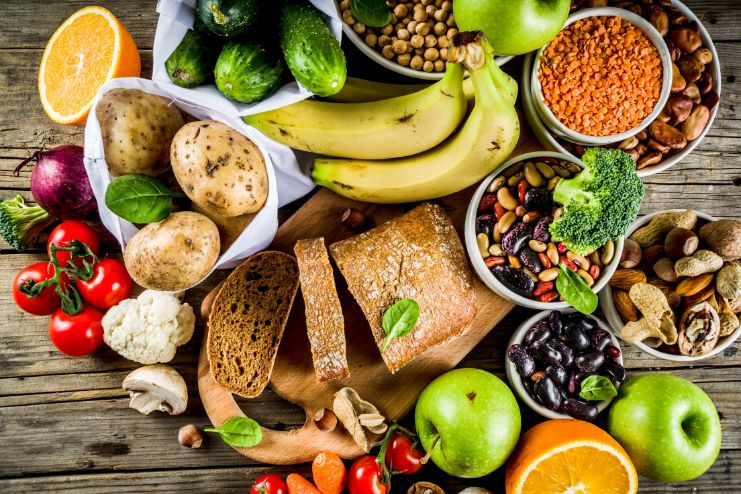
This isn’t about counting fiber grams. It’s about eating real food, mostly plants. Whole, unprocessed foods like:
- Beans
- Lentils
- Berries
- Leafy greens
- Whole grains
These act as prebiotics, feeding the good bacteria that help regulate immune signals and strengthen the gut lining. People with strong immune systems often eat this way out of habit, not because of a diet plan, but because they feel better when they do.
2. Incorporating Fermented Foods
Fermented foods aren’t just trendy, they’re essential.
- Yogurt
- Kefir
- Kimchi
- Sauerkraut
- Miso
These are rich in probiotics, live beneficial bacteria that add to your gut’s microbial diversity. And microbial diversity matters. A gut with a wide variety of bacteria is better at sorting friend from foe and calming overactive immune responses. These foods help build that ecosystem from the inside out.
“A diet rich in fermented foods steadily increased microbiota diversity and decreased inflammatory markers.”, Dr. Justin Sonnenburg, Ph.D., Associate Professor of Microbiology and Immunology at Stanford School of Medicine, commenting on a 10‑week randomized clinical trial published by Stanford Medicine in July 2021.
Getting Polyphenols from Real Food
Polyphenols are plant compounds with antioxidant and anti-inflammatory powers. They’re found in:
- Berries
- Green tea
- Olive oil
- Dark chocolate
- Turmeric
These compounds don’t just protect your cells; they feed certain strains of helpful bacteria. That’s how they double as immune allies. And the folks who always seem healthy? Chances are they’re snacking on polyphenol-rich foods without even trying, berries with breakfast, olive oil in cooking, and a square of dark chocolate after dinner.
Read More: 10 Signs Your Gut Health Needs Attention (And How to Fix It)
Stress Management Is Key

Nothing drains your immunity faster than unrelenting stress. It doesn’t matter how clean you eat or how much you sleep, if your stress levels are maxed out, your immune defenses take the hit.
Chronic stress pumps out cortisol, the stress hormone that, in high doses over time, suppresses white blood cell activity, disrupts gut health, and slows down recovery. You might not feel it instantly, but the wear-and-tear builds silently until your body taps out, through frequent colds, flare-ups, or exhaustion.
Now, here’s the important part: people who rarely get sick aren’t living stress-free lives. They’re just not letting stress own them. They have systems in place to keep it from hijacking their health.
1. They Set Boundaries and Actually Stick to Them
They’re not superhuman. They’re just better at protecting their energy. That means saying no without guilt, pausing before overcommitting, and recognizing when “busy” becomes self-sabotage. They don’t see rest as a reward; it’s part of their routine. That one shift helps their immune system stay charged instead of constantly being depleted.
2. They Use Micro-Resets Like Breathwork or Mindfulness
It’s not always a 30-minute meditation or yoga session. Sometimes it’s 5 minutes of deep breathing before a meeting, a mindful walk, or a few slow inhales in traffic. These mini check-ins reduce cortisol, improve heart rate variability, and nudge the nervous system from fight-or-flight into rest-and-repair mode, where the immune system thrives.
3. They Spend Time in Nature (Even Briefly)
Nature isn’t just good for the soul; it’s medicine for the immune system. Regular time outdoors, even in a park or on a balcony, lowers stress hormones and boosts immune cell activity. Why? Trees release phytoncides, natural compounds that increase natural killer (NK) cell function. Fresh air, sunlight, and green views are underrated but powerful tools in the “rarely sick” toolkit.
Studies show that sustained high cortisol levels impair immune function, specifically by reducing the activity of key white blood cells like lymphocytes and NK cells, and by skewing cytokine balance.
Micronutrients and Immune-Boosting Diet
The healthiest people aren’t just consuming a dozen supplements every morning. Their secret isn’t found in a pill bottle; it’s on their plate. They focus on consistency, not extremes. Every meal is a quiet investment in their immune system.
1. They Prioritize Nutrient Density
No food tracking apps. No trendy powders. Just whole foods, chosen with purpose. Their meals regularly include:
- Zinc – critical for white blood cell production and wound healing. Found in pumpkin seeds, lentils, chickpeas, and meats.
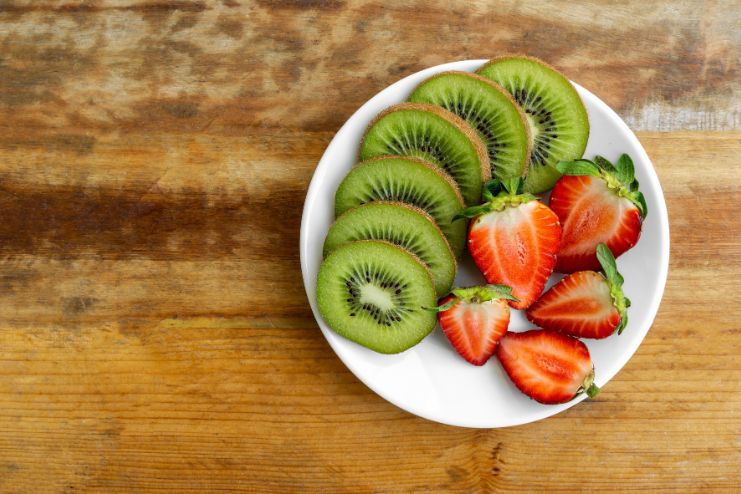
- Vitamin C – supports antioxidant defense and helps mobilize immune cells. You’ll find it in citrus fruits, bell peppers, kiwis, and strawberries.
- Vitamin D – not just for bones. It regulates the immune response and reduces the risk of respiratory infections. Sunlight is best, but eggs, mushrooms, and fortified milks help too.
- Selenium – a trace mineral with an outsized impact. Just one or two Brazil nuts a week can meet your needs. Also in tuna, eggs, and whole grains.
- Omega-3s – anti-inflammatory powerhouses found in fatty fish, flaxseeds, chia, and walnuts. They help control immune overreactions and support cell membranes.
These nutrients aren’t rare or hard to find; they’re just consistently included. That consistency is what keeps the immune engine running smoothly.
2. They Avoid Excess Sugar and Ultra-Processed Foods.
Sugar isn’t just bad for your waistline; it can suppress the immune system for hours after consumption. Highly processed snacks spike blood sugar, feed inflammation, and disrupt gut balance.
People who rarely get sick don’t swear off indulgence. But they don’t rely on junk to fuel their day. They eat real meals: whole grains over pastries, fresh fruit over candy, home-cooked over packaged. Their immune system benefits from fewer inflammatory triggers and more raw materials to work with.
Hygiene (But Not Obsession)

Here’s the thing: staying healthy doesn’t mean living in a bubble of hand sanitizer and disinfectant wipes. People who rarely get sick don’t obsess over hygiene; they practice it with intention. They’re clean, not compulsive.
In fact, over-sanitizing your environment and your body can backfire. Constant exposure to harsh antibacterial products strips away beneficial microbes, especially the ones living on your skin and in your gut. These microbes are part of your immune system’s training ground. Remove them entirely, and your immune system doesn’t get the practice it needs to regulate properly.
1. Smart Hygiene Habits (Not Germophobia)
They wash their hands, but not a hundred times a day. Instead, they follow simple, consistent habits:
- Washing hands thoroughly with plain soap and water, especially before meals, after public transport, or post-restroom.
- Keeping nails trimmed and clean to avoid harboring bacteria.
- Avoiding face-touching throughout the day (easier said than done, but it matters).
- Cleaning their phone and high-touch surfaces regularly, without obsessing over every possible germ.
They’re not avoiding germs, they’re avoiding carelessness.
2. Controlled Exposure Builds Resilience
The healthiest people often had pets growing up, spent time outdoors, got dirty, scraped their knees, and didn’t freak out if they dropped food on the ground. That early and ongoing microbial exposure helped train their immune system to distinguish between real threats and harmless particles.
Research shows that moderate exposure to everyday microbes, especially those found in soil, animals, and nature, can reduce the risk of allergies, autoimmune issues, and even chronic illness later on. This is known as the “hygiene hypothesis”: the idea that a little dirt is good for you.
They don’t avoid all germs; they just avoid the unnecessary ones.
Social and Mental Health Connections

We often think of immunity as a physical system, white blood cells, vitamins, maybe a dose of turmeric. But here’s what gets overlooked: your immune system listens to your emotions. And loneliness? It weakens your defenses.
Research has consistently shown that social isolation and chronic stress lead to higher levels of inflammation, slower wound healing, and increased susceptibility to illness. On the flip side, people who feel connected, emotionally, socially, and purposefully, bounce back faster and get sick less often. It’s not just a feel-good psychology. It’s biology.
1. Quality Over Quantity
People who rarely fall ill don’t necessarily have packed social calendars, but they do have dependable emotional anchors. A weekly chat with a friend. A hug from a loved one. A sense that someone sees them. These small, steady bonds act as emotional insulation against life’s stressors, and that directly impacts immunity.
It’s not about being the life of the party. It’s about not going through life alone.
2. Laughter, Joy, and Playfulness
Here’s something wild: laughing doesn’t just boost mood, it boosts immune function. Studies show that laughter increases natural killer cell activity (yes, those are real), lowers stress hormones, and improves circulation.
The healthiest people find ways to keep things light. They dance in the kitchen. They play with their pets. They know that a silly meme can be just as medicinal as a multivitamin.
3. Purpose Keeps the System Engaged
There’s also a deep connection between having a sense of purpose and staying physically resilient. People who feel their life has meaning, whether through family, work, creativity, or service, tend to take better care of themselves. They manage stress better. They heal faster. They stay engaged with life, and that engagement fuels their health.
The purpose isn’t abstract. It’s protective.
A systematic review reports that social support speeds wound healing, while social isolation slows it, likely due to reduced oxytocin, higher cortisol, and weakened immune cell function.
Read More: Recover your Resilience – Top 18 Methods for becoming mentally strong
They Listen to Their Body

This might be the most underrated immunity tool of all, not a supplement, not a hack, but self-awareness. People who rarely get sick aren’t tougher. They’re more tuned in. They notice the subtle shifts, the scratchy throat, the sudden drop in energy, the irritability that hints at burnout, and they do something about it before it spirals.
This isn’t about being paranoid. It’s about knowing what “normal” feels like for you, so you can catch it when you’re drifting from it.
1. Rest Isn’t Optional, It’s Protective
When they feel unusually tired, they don’t push harder. They slow down. They nap. They skip the late-night Netflix binge. They treat fatigue as a signal, not a speed bump. And when symptoms show up, be it congestion, chills, or brain fog, they take it seriously. Early rest often means faster recovery.
2. They Actively Build in Recovery
Life takes a toll, even when you’re not “sick.” Mentally draining days, emotional stress, or intense workouts all deplete your reserves. The people who stay well make recovery non-negotiable. That could be a quiet weekend, light movement instead of a HIIT session, or simply going to bed an hour earlier. They know that true health isn’t just performance, it’s restoration.
3. Quick Course-Correction Is the Norm
The moment something feels off, they pivot. More hydration. A cleaner plate. Cutting back on caffeine or alcohol. More downtime. These aren’t drastic changes, they’re quick, subtle recalibrations that keep the system steady. And because they act early, they rarely have to deal with full-blown illness.
What You Can Learn and Apply

You don’t need to live like a monk or take an immunity supplement for every meal. The truth is, the people who rarely get sick aren’t doing anything wildly extreme; they’re just consistent. They’ve built micro-habits that compound over time into real resilience.
Here’s where you start.
Begin With Just Three Changes
- Lock in a Regular Sleep-Wake Cycle: Forget chasing more hours; start by going to bed and waking up around the same time every day.
- Add One Gut-Healthy Food Per Day: Don’t worry about revamping your entire diet. Just begin by slipping in one fiber-rich or fermented food daily.
- Ditch One Processed Thing for a Whole-Food Alternative: Not everything, just one. Swap the soda for sparkling water with lemon.
Then Expand, Gradually, Naturally
- Move a Little Every Day: You don’t need a gym membership. A 15-minute walk clears your mind, circulates immune cells, and helps regulate inflammation.
- Start the Day With Light, Not Screens: Get outside in the first hour after waking, even if it’s just standing on a balcony or by a window.
- Add a Mini Wind-Down Ritual: Five minutes. That’s all. Light a candle. Listen to calming music. Breathe deeply. Stretch. Journal.
- Deepen One Social Connection Per Week: Send a voice note. Make a real phone call. Ask a friend to meet up for a walk.
Final Takeaway
You don’t need supergenes or some mystical immunity hack to stay well more often. The truth is, most people who rarely fall sick aren’t lucky, they’re intentional. They’ve built quiet, consistent habits that make a loud difference over time.
Strong immunity isn’t about doing everything right. It’s about listening to your body, honoring your limits, and showing up for your health in small but meaningful ways, day after day.
You won’t feel the shift overnight. But give it time, and your body will show you what it’s capable of. Fewer colds. Less burnout. Quicker recovery. More clarity, energy, and ease.
Because real immunity isn’t just about avoiding illness. It’s about creating a life where your body feels safe, supported, and ready for whatever comes next. That’s the version of you that stays strong, not just during flu season, but always.
References
- https://www.betterhealth.vic.gov.au/health/healthyliving/gut-health
- https://my.clevelandclinic.org/health/body/25201-gut-microbiome
- https://www.healthline.com/nutrition/gut-microbiome-and-health
- https://pmc.ncbi.nlm.nih.gov/articles/PMC4528021/
- https://www.hopkinsmedicine.org/health/wellness-and-prevention/the-brain-gut-connection
- https://www.webmd.com/digestive-disorders/ss/slideshow-how-gut-health-affects-whole-body
- https://www.gaucherdisease.org/blog/4-ways-to-improve-gut-health-naturally/
- https://www.sparshhospital.com/blog/gut-health/
- https://www.nm.org/healthbeat/healthy-tips/what-does-gut-microbiome-have-to-do-with-your-health
- https://www.uchealth.org/today/improving-gut-health-improves-all-aspects-of-your-health/
- https://www.healthdirect.gov.au/gut-health
- https://www.bmj.com/content/361/bmj.k2179
- https://www.sciencedirect.com/science/article/pii/S2772431X22000375
In this Article