












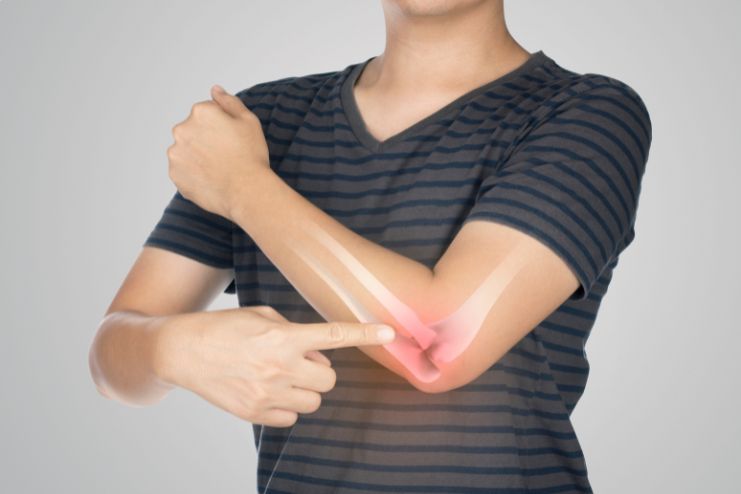
Most broken bones heal with time, rest, and proper care. For the majority of patients, fractures gradually mend over the course of several weeks to months, eventually restoring strength and function. However, in some cases, the healing process doesn’t go as expected. Instead of progressing steadily, the bone remains unhealed or heals at an abnormally slow pace. This is where complications like delayed union and nonunion come into play.
These terms refer to fractures that fail to heal within the normal timeframe (delayed union) or show no signs of healing at all after several months (nonunion). What should have been a routine recovery can turn into a frustrating, prolonged ordeal marked by persistent pain, limited mobility, and a diminished quality of life. These complications may require additional treatments, including surgery, bone stimulation therapies, or changes in medication and lifestyle.
In the following sections, we’ll explore the differences between delayed union and nonunion, examine their causes, symptoms, diagnosis, and treatment options, and offer guidance on how to reduce your risk and promote better bone healing.
How a Normal Fracture Heals
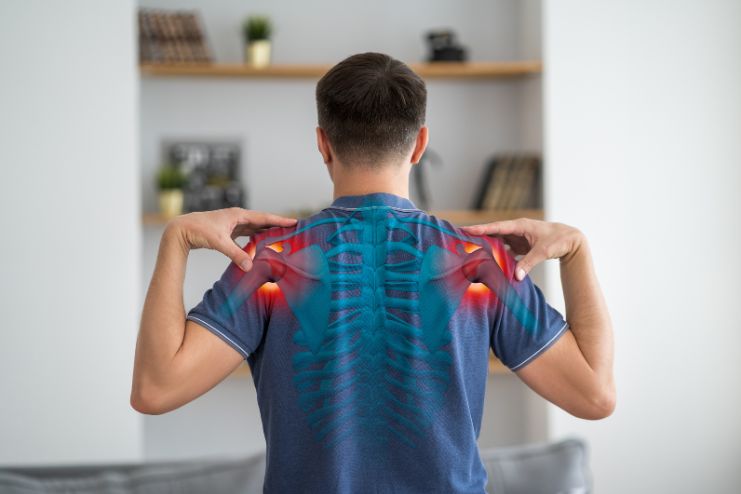
Bone healing is an intricate biological process that mirrors the body’s remarkable ability to repair itself. When a bone breaks, it doesn’t simply “glue” itself back together; it rebuilds through a series of highly coordinated cellular and molecular steps. This process unfolds in three overlapping phases, each critical for a full and functional recovery.
1. Inflammation Phase (First Few Days)
Immediately after the fracture, blood vessels within the bone and surrounding tissues rupture, causing bleeding and inflammation at the injury site. This leads to the formation of a fracture hematoma, a blood clot that surrounds the broken ends of the bone.
This clot is more than just a physical barrier; it’s a biological signal. Specialized inflammatory cells (like macrophages and neutrophils) rush to the area, clearing away dead cells and debris. They also release growth factors and cytokines that activate the next stages of repair. This phase lays the groundwork for healing and typically lasts for the first few days.
2. Bone Production Phase (First Few Weeks)
As inflammation subsides, the body begins forming a soft callus, composed of collagen, cartilage, and immature bone tissue. This soft callus acts like scaffolding, bridging the fracture gap and stabilizing the bone.
Over the next several weeks, this soft callus is gradually mineralized and transformed into woven bone, a type of immature bone that is structurally weaker than healthy bone but strong enough to support initial function and movement. This stage is where the real rebuilding takes place, and it continues for several weeks, depending on the individual and fracture type.
3. Bone Remodeling Phase (Months to Years)
In the final phase, the body reshapes and strengthens the newly formed bone. The initial woven bone is replaced with lamellar bone, a more organized and mechanically stronger form of bone tissue.
During this time, the bone continues to remodel, adjusting its shape and structure to meet the demands placed on it. Excess bone is removed, the marrow cavity is restored, and the bone regains its original shape, density, and strength. In some cases, this phase can continue for months or even years after the initial injury.
Key Requirements for Proper Healing
For this sequence to progress smoothly, several conditions must be met:
- Adequate blood supply to deliver oxygen and nutrients.
- Mechanical stability of the fracture (achieved through casting, splinting, or surgery).
- Proper nutrition, especially adequate calcium, vitamin D, and protein intake.
- Absence of infection or chronic inflammation.
In healthy adults with uncomplicated fractures, bone healing typically occurs within 6 to 12 weeks. However, healing time can vary depending on the bone involved, the severity of the fracture, age, and overall health.
When Fractures Don’t Heal as Expected
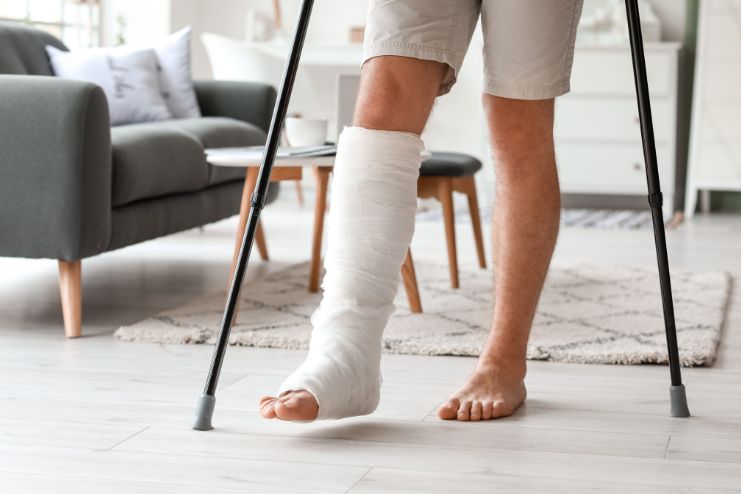
While most broken bones follow a predictable healing timeline, some fractures fail to progress as they should. In such cases, patients may find themselves still in pain or struggling with mobility, months after the injury, despite following treatment protocols. These complications fall under two primary categories: delayed union and nonunion.
Both conditions involve impaired bone healing, but they differ in severity and progression. A delayed union means the bone is healing too slowly, while a nonunion indicates the healing process has come to a complete halt. Identifying which of these is occurring is crucial for determining the next steps in treatment.
In the sections below, we’ll explore what each of these conditions means, how to recognize them, and what causes fractures to fall off the normal healing track.
What Is a Delayed Union?
A delayed union refers to a fracture that is healing, just not as quickly as expected. In these cases, the body is still attempting to repair the bone, but the process is unusually slow. There is no exact timeline for when a fracture is considered delayed, but most clinicians suspect delayed healing if there’s insufficient progress after about 3 months, especially if there’s minimal callus formation on X-rays or continued symptoms like pain and poor function.
Importantly, a delayed union doesn’t mean the bone won’t heal; it simply means it’s behind schedule. With proper intervention, most delayed unions can still go on to full recovery without the need for surgery.
Signs of Delayed Union:
- Persistent pain or tenderness at the fracture site.
- Minimal or no visible callus on imaging (X-ray or CT scan).
- Little to no improvement in mobility, function, or weight-bearing ability over time.
Common Causes:
- Inadequate immobilization causes the bone ends to shift or move too much.
- Repetitive stress on the healing bone (e.g., walking too soon or lifting too much).
- Nutritional deficiencies, particularly calcium, vitamin D, or protein.
- Medical conditions such as diabetes, anemia, hypothyroidism, or smoking-related vascular changes.
Early diagnosis and prompt changes, such as better immobilization, nutritional support, or bone stimulation therapy, can often reverse a delayed union.
What Is a Nonunion?
A nonunion occurs when a fracture fails to heal altogether, even after a prolonged period (typically 6 to 9 months), and shows no further biological activity at the site. At this point, the body has essentially stopped trying to repair the fracture, and healing is unlikely without medical or surgical intervention.
Nonunions can be deeply frustrating for patients, often resulting in chronic pain, functional impairment, or deformity. The cause of nonunion varies, but it is usually due to a failure of either biology (healing capability) or mechanics (stability and alignment), or both.
Types of Nonunion:
- Atrophic Nonunion:
- The bone ends appear thin, tapered, and sclerotic (hardened), with no visible callus.
- This type suggests a biological problem, such as poor blood supply or extensive soft tissue damage.
- Common in severe injuries or in patients with poor vascular health (e.g., smokers and diabetics).
- Hypertrophic Nonunion:
- There is excessive callus formation around the fracture site, but the bones still fail to unite.
- This indicates that the biology is intact, but the fracture lacks proper mechanical stability, and the bones are moving too much to fuse.
- Often caused by inadequate fixation or early weight-bearing.
Symptoms of Nonunion:
- Ongoing or chronic pain at the fracture site.
- Visible gaps or misalignment on X-rays.
- Instability or abnormal movement at the site of injury.
- Swelling, tenderness, or deformity, especially if left untreated.
- Persistent difficulty with weight-bearing or daily activities long after the initial injury.
Nonunion usually requires surgical treatment, which may include bone grafting, improved fixation (plates, screws, or rods), or biological stimulants like bone morphogenetic proteins (BMPs).
Top Causes of Delayed Union and Nonunion

Bone healing is a complex, finely balanced process. When that balance is disrupted, healing may stall, leading to delayed union or nonunion. Below are the most common and clinically significant factors that interfere with fracture recovery:
1. Poor Blood Supply
Adequate blood flow is essential for bone healing. It brings in oxygen, nutrients, immune cells, and repair factors that drive the entire recovery process. When circulation is compromised, the bone struggles to regenerate.
- Certain bones, like the scaphoid (in the wrist) and femoral head (in the hip), have naturally limited blood supply, making them more vulnerable to delayed or failed healing.
- Severe soft tissue damage, vascular injuries, or conditions like compartment syndrome can also reduce local blood flow.
- Smoking is one of the biggest preventable causes. Nicotine constricts blood vessels, reducing oxygen delivery to healing tissue and impairing the function of bone-building cells.
2. Infection at the Fracture Site
Infections, particularly after open fractures or surgical fixation, can be a major obstacle to healing. When bacteria invade the fracture site, they can form biofilms, protective coatings that resist both antibiotics and the immune system.
- Infected bone becomes inflamed and damaged, halting the healing process.
- Signs of infection may include fever, worsening pain, redness, warmth, drainage, or a foul odor from the wound.
- Chronic infections may require debridement (removal of infected tissue), antibiotics, and sometimes implant removal.
3. Malalignment or Movement at the Fracture Site
For a bone to heal, the fractured ends must be properly aligned and held still.
- If a cast, brace, or internal fixation device doesn’t provide adequate stability, micromovements can interfere with callus formation.
- Improper alignment, where bones don’t line up anatomically, can lead not only to nonunion but also to malunion, where the bone heals incorrectly.
- Premature weight-bearing, excessive physical activity, or non-adherence to immobilization instructions significantly increases this risk.
4. Nutritional Deficiencies
Bone regeneration is nutrient-intensive. Deficiencies in key nutrients can delay or stop healing entirely:
- Calcium and vitamin D are crucial for mineralization and callus formation.
- Protein is needed for collagen synthesis, which forms the structural framework of healing bone.
- At-risk groups include elderly patients, those with eating disorders, or individuals with chronic gastrointestinal conditions (like Crohn’s disease or celiac disease) that impair nutrient absorption.
5. Medical Conditions and Medications
Underlying health issues can significantly impair bone healing:
- Diabetes slows healing by reducing blood flow and immune response.
- Hypothyroidism decreases metabolism, slowing down cellular repair.
- Autoimmune diseases and osteoporosis weaken bone quality and disrupt repair processes.
Additionally, certain medications interfere with bone regeneration:
- Corticosteroids suppress inflammation but also inhibit osteoblast activity, which is essential for new bone formation.
- NSAIDs (like ibuprofen) may impair early healing if used long-term, especially at high doses, by blocking prostaglandins involved in bone repair.
6. Smoking and Alcohol Use
Both habits have direct toxic effects on bone health:
- Nicotine damages blood vessels and impairs the activity of osteoblasts.
- Alcohol, particularly when consumed in excess, disrupts hormone balance, slows down cell turnover, and interferes with nutrient absorption, collectively reducing the body’s capacity to regenerate bone tissue.
How Are Delayed Union and Nonunion Diagnosed?
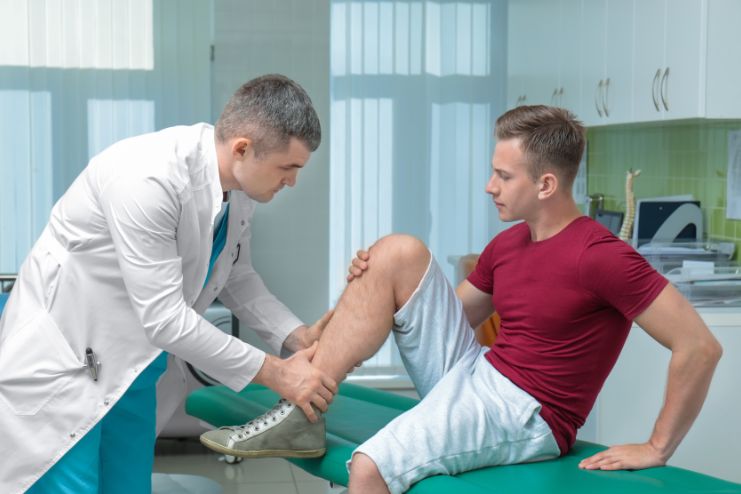
Timely and accurate diagnosis is essential when a fracture isn’t healing as expected. Distinguishing between a delayed union (slow healing) and a nonunion (complete failure to heal) allows clinicians to intervene appropriately, whether through conservative support, biological stimulation, or surgical repair.
Doctors rely on a combination of clinical evaluation, imaging studies, and laboratory tests to make this determination.
1. Clinical Examination
The first step in diagnosis involves a thorough physical assessment. Key indicators of a problem include:
- Persistent pain or tenderness at the fracture site well beyond the expected healing time.
- Swelling, warmth, or visible deformity.
- Limited range of motion or inability to bear weight.
- Instability or unusual movement at the fracture site (in cases of nonunion).
Patient history is also important; factors such as smoking, prior infections, or early weight-bearing can influence healing outcomes.
2. Imaging Studies
Imaging is the cornerstone of diagnosing delayed and nonunion fractures, helping assess both mechanical and biological aspects of healing.
- X-rays: The first-line imaging tool. They can reveal:
- Gaps between fracture ends.
- Lack of callus formation.
- Signs of sclerosis (hardening) at the bone ends in nonunion.
- CT Scans (Computed Tomography): Provide high-resolution, 3D images to:
- Visualize the bone architecture in detail.
- Confirm subtle fracture lines or incomplete healing not seen on X-rays.
- Assess the degree of malalignment.
- MRI (Magnetic Resonance Imaging): Useful for evaluating:
- The vascularity (blood supply) around the fracture.
- Soft tissue damage or inflammation.
- Hidden infections or edema (particularly in atrophic nonunions).
- Bone Scans (Nuclear Medicine Imaging):
- Assess biological activity at the fracture site.
- Help distinguish between atrophic nonunion (low or no healing activity) and hypertrophic nonunion (healing potential present but stability lacking).
3. Blood Tests
If infection is suspected, especially in cases of surgical fractures or open wounds, laboratory testing becomes essential:
- Complete Blood Count (CBC): An Elevated white blood cell count may indicate infection.
- C-reactive Protein (CRP) and Erythrocyte Sedimentation Rate (ESR): Elevated levels suggest inflammation or chronic infection.
- In some cases, blood cultures or tissue biopsy may be needed to identify specific bacteria, especially if hardware infection is suspected.
Diagnosing delayed union or nonunion requires a multidisciplinary approach, combining physical signs, imaging data, and sometimes lab work. The earlier the issue is identified, the better the chances of correcting it before long-term complications set in.
Treatment Options for Delayed Union and Nonunion
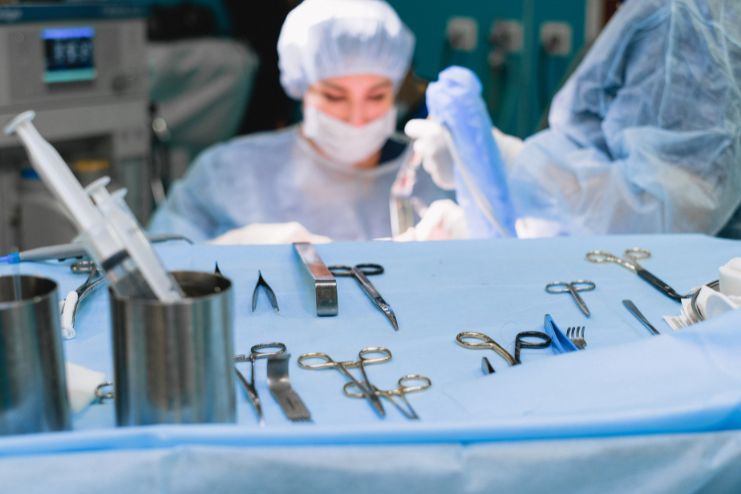
The treatment of delayed union and nonunion fractures depends on the underlying cause, the severity of the condition, and the patient’s overall health. While some cases can be managed without surgery, others require more invasive intervention to restore bone continuity and function.
Non-Surgical Approaches
Not all delayed or nonunion fractures require surgery, especially in the early stages. Many cases respond well to conservative treatments aimed at stimulating the body’s natural healing mechanisms.
- Bone Stimulators: Devices that use low-intensity pulsed ultrasound (LIPUS) or electromagnetic fields to promote bone healing. These non-invasive therapies help enhance cellular activity, blood flow, and mineralization at the fracture site. Studies show they can improve healing rates in select patients, particularly those with delayed union.
- Nutritional Support: Adequate levels of calcium, vitamin D, protein, and other micronutrients (like magnesium and vitamin K) are essential for bone repair. When deficiencies are found, dietary changes or supplements may be recommended to support recovery.
- Lifestyle Modifications: Habits like smoking and heavy alcohol use significantly impair bone healing. Quitting smoking, reducing alcohol intake, getting enough sleep, and managing chronic conditions like diabetes can all improve healing outcomes and reduce the risk of long-term complications.
Surgical Interventions
When conservative treatments fail or when the fracture shows no signs of healing after several months, surgical management becomes necessary. The choice of procedure depends on the type of nonunion, the location of the fracture, and any associated complications, such as infection.
- Bone Grafting: Bone grafts help bridge gaps and stimulate healing by providing a scaffold for new bone growth. Grafts can be:
- Autografts: Bone taken from the patient’s own body (e.g., pelvis or tibia).
- Allografts: Donor bone from a tissue bank.
- Sometimes combined with synthetic graft materials or bone morphogenetic proteins (BMPs) to enhance effectiveness.
- Revision Fixation: If prior fixation (like a plate or rod) has failed to provide adequate stability, the surgeon may revise the hardware. This involves realigning the fracture and applying stronger or more precise fixation devices, such as screws, intramedullary nails, or external fixators, to eliminate movement and encourage fusion.
- Debridement (If Infection Is Present): In infected nonunions, surgery may also involve removing infected, dead, or damaged tissue, cleaning the site thoroughly, and sometimes replacing or removing fixation devices. A course of targeted antibiotics is typically prescribed post-surgery.
Every surgical plan is individually tailored, taking into account the patient’s age, bone quality, general health, and specific risk factors.
Preventing Nonunion and Delayed Healing
The best way to treat nonunion is to prevent it from happening in the first place. From the moment a fracture occurs, patients play a vital role in ensuring proper healing.
Here’s what you can do to reduce the risk:
- Follow Your Treatment Plan Exactly: Adhere to instructions regarding casting, bracing, physical activity limits, and rehabilitation timelines. Avoid rushing back to normal routines or bearing weight before you’re cleared to do so.
- Avoid Smoking and Alcohol: Both habits are linked to significantly higher rates of delayed healing and nonunion. Eliminating them, even temporarily, can drastically improve outcomes.
- Prioritize Nutrition: Eat a balanced, nutrient-rich diet with plenty of lean protein, dairy or plant-based calcium sources, fruits, vegetables, and healthy fats. If you have dietary restrictions or absorption issues, talk to your doctor about supplementation.
- Attend All Follow-Up Appointments: Regular imaging and clinical evaluations help your doctor track progress, detect early signs of complications, and make timely adjustments to your care plan.
Final Thoughts
A broken bone can feel like a temporary setback, but when healing stalls, it becomes something much more serious. Delayed union and nonunion fractures aren’t just medical complications; they’re interruptions to your freedom, your function, and your quality of life. But they are not the end of the road.
The good news is that with early diagnosis, the right treatment, and proactive self-care, recovery is still possible, even when healing seems out of reach. Whether your path involves bone stimulators, better nutrition, lifestyle changes, or surgery, your body can heal, and so can your confidence in it.
More than anything, this journey demands awareness. Listen to your body. Respect the healing timeline. Ask questions. Follow through.
References
- https://kidshealth.org/en/parents/fractures-heal.html
- https://www.ncbi.nlm.nih.gov/books/NBK551678
- https://my.clevelandclinic.org/health/diseases/15241-bone-fractures
- https://www.betterhealth.vic.gov.au/health/conditionsandtreatments/bone-fractures
- https://www.denverhealth.org/blog/2019/09/how-do-broken-bones-heal
- https://www.physio-pedia.com/Bone_Healing
- https://pmc.ncbi.nlm.nih.gov/articles/PMC11201148/
- https://www.sciencedirect.com/science/article/abs/pii/S0020138314001703
- https://orthoinfo.aaos.org/en/diseases–conditions/nonunions
- https://journals.lww.com/pedorthopaedics/Fulltext/2005/01000/Delayed_Union_and_Nonunion_Following_Closed.12.aspx
- https://www.icliniq.com/articles/orthopedic-health/delayed-union-and-non-union
- https://www.researchgate.net/publication/262491454_Delayed_union_and_nonunions_Epidemiology_clinical_issues_and_financial_aspects
- https://www.slideshare.net/slideshow/delayed-mal-non-union/61254498
- https://www.ortho.wustl.edu/content/Patient-Care/6815/Services/TraumaFracture-Care/Overview/Nonunions.aspx
- https://www.researchgate.net/publication/300568554_Management_of_Delayed_Union_Non-Union_and_Mal-Union_of_Long_Bone_Fractures
In this Article