















Have you ever had your hands shake or legs tremble when you’re really nervous, and wondered what was wrong with you? Relax, you’re not broken. This type of shaking is not strange; it’s your body doing what it’s supposed to do.
When you’re stressed, your body is flooded with hormones such as adrenaline to get ready to move. That’s part of your fight-or-flight response. But once the threat is over, your nervous system must find a release for that pent-up energy.
Shaking or trembling is one of the ways that your body tends to calm down on its own. It’s like your body is hitting a reset button for your nerves. Although it will seem frightening or unpleasant, it’s actually a positive indicator that your body is dealing with stress.
Here, we will discuss how your nervous system responds to anxiety, why physical responses such as shaking occur, and how accepting this process can make you feel more in charge.
Read More: 7 Essential Oil Diffusers for Stress Relief
What Happens in the Body During Stress

Our bodies respond immediately to anxiety or fear, frequently in unexpected ways like shaking or trembling. Although these reactions may seem concerning, they are entirely normal. You can feel more in control and less puzzled if you know why shaking happens during stress.
The Fight-Flight-Freeze Response: Your Body’s Alarm System
Your body goes into survival mode—also known as fight, flight, or freeze—automatically when you experience stress or anxiety. This occurs when the brain perceives a threat, even if it is not life-threatening, such as meeting new people or giving a speech in front of an audience.
Stress hormones like cortisol and adrenaline are released in response to messages from your brain. In order to prepare you to either combat the threat, flee from it, or freeze until it passes, these hormones raise your heart rate, quicken your breathing, and pump more blood to your muscles.
Energy Buildup: Getting Ready for Action
Your body generates a lot of energy as this reaction takes over. Your entire system gets ready for vigorous exercise as your muscles tighten and your senses become more acute. The problem is that we don’t really fight or flee in a lot of contemporary circumstances.
For instance, we merely sit there and try to maintain our composure in social situations or during professional presentations. Your body has nowhere to go with the energy it produces for activity.
When Energy Doesn’t Get Released: Storing Stress in the Body
Your body must somehow retain this stored energy if it isn’t released. At that point, it is stored in your muscles, fascia, connective tissue, and even your neural system. This may eventually result in tension, aches, exhaustion, or symptoms like body tremors, twitches, or shaking hands.
Your body is attempting to regain equilibrium and release stored energy through these physical signs. This is a type of somatic release called “shaking to release trauma,” in which the body discharges stress through shaking, which aids in system reset.
People suffering from anxiety or social anxiety may notice that they shake more frequently, but this isn’t because something is wrong; rather, it’s because their bodies are doing their best to manage.
Read More: At-Home Cortisol Tests for Stress Management
Why Shaking Happens

Your body uses shaking as a coping mechanism for managing overload, so it’s not random. It’s part of what specialists refer to as somatic stress discharge and a potent illustration of nervous system stress release.
A Natural Reflex Shared with Animals
You’ve seen nature at work if you’ve ever watched a dog shiver after a frightening experience. Despite our best efforts to conceal it, humans also have the same reaction.
Animals and humans both employ shaking, a basic, innate reaction, to reset their bodies after stressful situations. There’s no need to feel guilty about it. It’s actually one of the earliest ways our bodies begin to recover from stressful or emotional experiences.
The Body’s Way of Letting Go
Your body releases stress chemicals like cortisol and adrenaline when you’re feeling nervous. These hormones tense your muscles, increase your heart rate, and sharpen your mind, preparing you to react to danger. This is part of the fight, flight, freeze, and fawn survival response.
Kathryn Boger, PhD, ABPP, the chief clinical officer of InStride Health, explains that “trembling happens when the sympathetic nervous system is activated; this is known as the ‘fight, flight, freeze’ response.”
However, your body needs a different mechanism to let go of that energy once the stress subsides and you don’t use it physically (such as by running or fighting). At that point, shaking enters the picture.
It acts as a sort of natural biological reset, helping to calm your nervous system and burn off any remaining adrenaline. Shaking during or after anxiety is beneficial because it enables the body to expel extra energy and regain equilibrium.
Recovering from Overwhelm
The nervous system can occasionally get overpowered by strong emotions or unpleasant memories. When attempting to process or let go of these experiences, the body may react by shaking, twitching, or trembling. This is the body’s attempt to heal from what it perceives as a threat; it is not an indication of weakness or illness.
According to medical professionals, anxiety-related shaking occurs as a result of the brain remaining on high alert, which increases muscular sensitivity and reactivity.
Even though it could be uncomfortable, this reaction is a normal component of the body’s healing process and indicates that your system is using somatic stress discharge to relieve tension from the neurological system.
Read More: 6 Home Remedies for Stress and Anxiety
The Science Behind Shaking
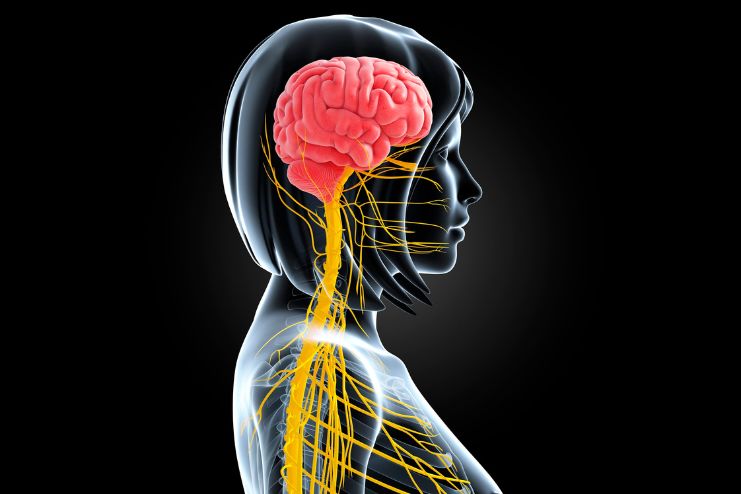
Somatic shaking explained that shaking is a normal method your body employs to release tension; it is not only a random reaction. The vagus nerve and shaking work together to bring peace and equilibrium.
The Autonomic Nervous System and the Vagus Nerve
Shaking is intimately related to the autonomic nerve system (ANS), which regulates digestive processes and heartbeat, among other involuntary physiological activities. The vagus nerve is crucial in the ANS in helping the body to relax following stress.
Your nervous system turns on to defend you when you are traumatized or afraid. Your body uses shaking to help the vagus nerve bring your system back to equilibrium, or homeostasis. It is a natural means of resetting yourself.
Research Supporting Somatic Experiencing and TRE
Studies supporting somatic experience and TRE reveal that shaking can be a useful technique for trauma and tension release. Therapies such as Tension & Trauma Releasing Exercises (TRE) and Somatic Experiencing help people gently shake or tremble to release tension locked in muscles and tissues.
These techniques enable the nervous system to control strong emotions and get back to a peaceful condition. It is shown that this bodily release lowers anxiety, raises mood, and helps the body to feel safe.
How Shaking Helps the Body Return to Balance
One natural “reset button” is shaking. Your body gets caught in a stressful condition, resulting in more tension and energy. Shaking helps your muscles release this tension and causes your neurological system to go from high alert to relaxation.
After a demanding event, this process enables your body to reach homeostasis, that is, to balance itself both physically and emotionally.
Shaking vs Tremors: What’s the Difference?
Medical tremors are not like shaking brought on by stress or trauma. Stress-related shaking is usually temporary, voluntary, and a healthy response to discharge tension. Conversely, medical tremors could be ongoing and connected to neurological conditions such as Parkinson’s disease.
See a doctor if shaking continues too long or occurs without justification. Still, most of the time, shaking following stress is a good indication that your body is repairing itself organically.
Read More: Top Breathwork and HRV Monitors for Stress and Longevity
Shaking Is Common After…

Shaking may feel uncomfortable or even scary, but it’s actually a natural response your body uses to deal with stress or strong emotions. It often shows up after intense experiences and is your nervous system’s way of releasing built-up energy and returning to balance.
This is why experts recognize shaking as a nervous system reset, a key part of physical and emotional recovery.
After a Traumatic Event
Whether it’s a car accident, physical assault, surgery, or the loss of a loved one, trauma can trigger your body’s fight-or-flight response. This reaction sends a rush of stress hormones like adrenaline through your system, increasing heart rate, muscle tension, and alertness.
Once the immediate danger passes, your body may shake as a way to let go of that stored tension. Shaking after trauma is not a sign of weakness, it’s a natural way your body begins to regulate and recover. It’s also a first step in shaking and trauma healing, allowing the release of trapped survival energy.
After Intense Emotional Release
Shaking is also common after a powerful emotional outburst, like sobbing, a rage episode, or a panic attack. Emotions are energy, and when they reach an intense peak, your body needs to discharge the physical stress they create.
Crying can be an emotional purge, but shaking often follows as a physical purge. It helps calm the body and restore your emotional equilibrium.
After Somatic Therapy or Bodywork
Somatic therapies and body-based healing methods such as massage, TRE (Tension & Trauma Releasing Exercises), or breathwork often cause people to shake or tremble during or after a session.
This is a normal part of shaking and trauma healing, where the body physically lets go of the tension it has been holding for a long time. Practitioners even encourage gentle shaking as part of trauma recovery.
After Public Speaking, Performing, or Panic Episodes
Situations like speaking in front of an audience, performing, or having a panic attack can activate your sympathetic nervous system — also known as the fight, flight, freeze response.
Once the stressful moment ends, you might notice your hands or legs trembling. This is just your body discharging the nervous energy it built up to help you “survive” the moment — another example of shaking as the nervous system resets itself.
In all these situations, shaking after trauma is a healthy, built-in way your body releases stress and supports healing.
Read More: Ashwagandha Gummies for Stress Relief
What It Might Feel Like
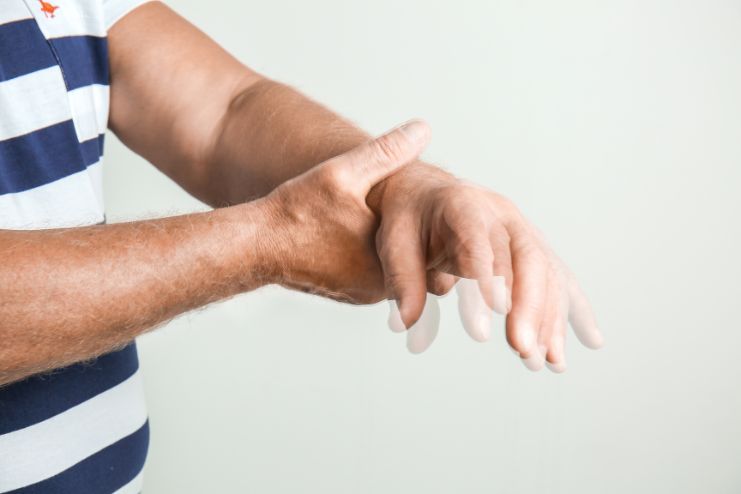
Shaking is your body’s built-in way of releasing stress and tension, and it can show up in ways that might feel surprising at first.
From trembling hands to internal vibrations, these sensations are part of your nervous system’s natural reset process. Knowing what to expect can help you welcome the experience rather than fear it.
Legs or Hands Trembling
- You might feel your hands or legs start to shake during or after a stressful moment.
- It can feel like your limbs are unsteady, weak, or “buzzing” with energy.
- This often happens after situations like panic attacks, public speaking, or emotional overwhelm.
- It’s your body’s way of offloading the extra adrenaline that builds up.
Full-Body Vibrations
- Some people feel a gentle wave of movement spreading through their entire body.
- It can feel like an internal buzzing or like your body is slightly vibrating all over.
- This often happens during somatic therapies, deep emotional release, or intense moments of fear.
- These full-body tremors are part of your system working to reset itself.
Shivering or Muscle Fluttering
- Unlike shivering from cold, this type of shaking is more like a flutter or twitch in your muscles.
- It can occur in areas like your thighs, arms, back, or shoulders.
- Often, it shows up in short bursts or mild ripples that pass quickly.
- It’s a common sign that your body is trying to release stress gently.
Internal Shaking That Isn’t Visible Externally
- You might feel like you’re shaking on the inside, even if no one else can see it.
- This often happens after anxiety peaks or during quiet recovery moments.
- It can feel like a soft tremble under your skin or deep in your core.
- It’s still part of shaking as the nervous system resets, just less visible.
Often Followed by a Sense of Calm or Fatigue
- After the shaking stops, many people feel deeply calm or surprisingly tired.
- You may feel emotionally lighter, clearer in your thoughts, or physically relaxed.
- This is your body returning to balance after releasing built-up tension.
- It’s also a powerful sign of shaking and trauma healing at work.
Read More: Stress-Relief Techniques to Manage Hypertension
Why It’s Actually a Good Sign

Shaking can feel odd or even frightening, but it’s one of the body’s most natural and beneficial methods of shedding stress and trauma. Instead of something that needs to be corrected, it can be an indication that healing is occurring from the inside out.
Your Body Is Letting Go, Not Breaking Down
When you shake following a traumatic or stressful experience, it is actually your body that is releasing the energy that was stored in the experience. Rather than letting the stored energy remain in your muscles or nervous system, your body finds a way to release it, allowing it to move through and out of you.
This natural release can be a guard against long-term problems such as chronic tension or fatigue. It’s not a defect, it’s a safety valve.
A Step Toward Long-Term Health
Stress trapped in the body can manifest into chronic bodily symptoms like headaches, stomach problems, or insomnia. Eventually, this is referred to as somatization, where the body holds emotional tension in the form of physical pain.
Shaking interrupts this process before it becomes established. By releasing that energy early, your body shields itself from deeper, more longstanding imbalances. This is trauma release with movement in action.
You Don’t Have to Relive Trauma to Heal It
For some, reliving traumatic events using conversation or memory can be overwhelming. But the body also stores trauma, and it can release it without words.
Shaking is one mechanism for releasing that experience at a body level, providing relief without having to re-experience it mentally. This gentle route to recovery facilitates emotional recovery without re-traumatization.
A Sign of Nervous System Recovery
Shaking tends to occur when the nervous system is coming out of high alert into a more relaxed state. That is, your body is moving away from the fight-or-flight response and into the rest-and-digest mode, where healing really starts.
Most individuals report feeling calmer, lighter, or more centered after shaking, an indication that the body is recalibrating itself and becoming balanced again.
Steve Haines, a TRE practitioner, explains that “we don’t shake because we are traumatized, we shake as a response. It’s a very primitive mechanism to reset muscle tension from a stuck state, release stress and enhance the mind-body connection,” as noted on TRE College.
Read More: Top 10 Bach Flower Remedies for Stress
How to Support This Natural Discharge

Shaking is a normal part of the way the body processes stored tension and trauma. Rather than trying to suppress it, you can aid in the process to make you feel safer, more grounded, and better balanced.
In polyvagal theory, shaking is one method your nervous system transitions out of survival mode back into safety. Here is how you could gently assist this process as it unfolds:
Don’t Resist or Suppress the Shaking — Stay Present and Breathe
When your body starts shaking, don’t panic or close down. Shaking is a natural healing response, not a weakness.
Breathe in slow, deep breaths and stay connected with your feelings. Let the movement happen without resistance, as it facilitates trauma release and allows your nervous system to cycle out stress.
Ground Yourself with Simple Tools
Staying connected to your body during and after shaking can help you feel safe. Sit on the floor with both feet flat, wrap a blanket around yourself, or hold something soft. These grounding mechanisms communicate to your nervous system that you are safe.
Establishing a feeling of safety is necessary for the nervous system to shift away from fight-flight-freeze and into calmness, as outlined in polyvagal theory shaking.
Practice Trauma-Informed Breathwork or Gentle Movement After
After the shaking subsides, give your body comfort with soothing movement or breathing. Gentle stretching, slow walking, or trauma-informed breathing may help release residual tension and balance your energy.
Methods such as Tension and Trauma Releasing Exercises (TRE) are constructed to facilitate somatic stress release in a gentle and safe manner.
Journaling or Resting to Integrate the Experience
After your body completes this release, rest or take the time to write down what you experienced. You may feel more tired or emotional, but that is totally normal.
Writing can assist in reflecting, and resting allows your body time to integrate the change.
Read More: Natural Remedies to Calm Your Mind and Body
When to Seek Guidance

The body uses shaking as a powerful and natural method of releasing tension, stress, and unresolved trauma.
However, occasionally the experience may feel emotionally taxing or overwhelming. In those situations, getting expert assistance can guarantee that your healing process stays secure and efficient.
If Shaking Feels Overwhelming or Retraumatizing
Shaking might be a relief to many, but it can also be too intense for others. You may experience emotional instability, disconnection, or panic. This may occur when your body tries to discharge more than your system is now capable of handling.
Professional coaching can help you pace the process so that you don’t feel uncomfortable or retraumatized because trauma stored in the body doesn’t always release gently.
If It Triggers Memories or Emotional Flooding
Shaking can occasionally lead to more than simply physical release; it may trigger unexpected memories, intense emotions, or flashbacks. This indicates that deeper layers of stored experience are being accessed through trauma release via movement.
However, you should slow down if you feel overwhelmed or confused. Processing of these feelings enables the body to let go without feeling overloaded.
Work With a Somatic Therapist or TRE Provider
You can receive careful guidance from a qualified somatic therapist or TRE (Tension & Trauma Releasing Exercises) provider. These experts recognize that shaking or other physical activities can sometimes bring stored trauma to the surface.
To make your nervous system feel secure, they can teach you how to anchor, control, and release tension gradually. By establishing trust between your body and mind, working with a guide enables your healing to proceed at a pace that suits you.
You don’t have to experience shaking alone if it ever becomes too much for you. There is support available, and it can transform a perplexing situation into a significant therapeutic stride.
Read More: Manage Stress During Major Life Transitions
Final Thoughts

When shaking occurs during a panic attack, following a stressful incident, or through emotional processing, it is the work of your nervous system doing exactly what it was designed to do.
When we no longer view shaking as a fear or something that needs to be fixed, we open the door to healing. Letting your body shake instead of resisting it can make you feel calmer and more capable afterward. It’s an indicator that you’re giving your body’s own resilience and wisdom space.
Start listening to your body and not judging it. Let the shakes come, and trust that they’re part of your healing.
References
- https://healthmatch.io/anxiety/how-stop-shaking-from-anxiety
- https://www.uhc.com/news-articles/healthy-living/6-sneaky-physical-signs-of-anxiety
- https://calahealth.com/tremor-resources/general-tremor/anxiety-tremors-and-shaky-hands/
- https://www.medicalnewstoday.com/articles/body-tremors
- https://www.verywellmind.com/why-do-people-with-social-anxiety-disorder-shake-3024886
- https://healthmatch.io/anxiety/how-stop-shaking-from-anxiety
- https://www.truworthwellness.com/blog/shivering-while-facing-anxiety-stress/
- https://www.medicalnewstoday.com/articles/anxiety-shaking
- https://medlineplus.gov/tremor.html
- https://www.charliehealth.com/post/how-to-release-trauma-from-the-body
- https://musefloweretreat.com/how-shaking-can-help-to-discharge-stress/
- https://www.healthshots.com/mind/happiness-hacks/somatic-shaking-for-stress-relief/
- https://www.medicalnewstoday.com/articles/322515
- https://www.ncbi.nlm.nih.gov/books/NBK541120/
- https://www.truworthwellness.com/blog/shivering-while-facing-anxiety-stress/
- https://patient.info/signs-symptoms/tremors-shaking
- https://www.pacesconnection.com/blog/therapeutic-tremoring-shake-off-stress-and-trauma
- https://my.clevelandclinic.org/health/symptoms/tremor
- https://indianexpress.com/article/lifestyle/health/shake-it-off-practice-body-deal-with-stress-experts-benefits-9596082/
- https://www.thenurturespace.com.au/body-signs-releasing-trauma
- https://www.healthshots.com/mind/happiness-hacks/somatic-shaking-for-stress-relief/
- https://thewaveclinic.com/treatment/tension-and-trauma-release-exercise/
- https://complicated.life/blog/somatic-experiencing-therapy-healing-trauma/
- https://www.charliehealth.com/post/how-to-release-trauma-from-the-body
In this Article