











If you are going to have chemotherapy or radiation, one step that is commonly forgotten is dental care before cancer treatment. However, this one step can significantly impact how well your mouth tolerates the treatment. Particularly, it can reduce the severity of oral mucositis, which is the occurrence of mouth sores during chemotherapy.
Chemotherapy and certain types of radiation attack fast-dividing cells, and unfortunately, the soft tissues in your mouth are made of those same delicate cells. When the oral health before chemotherapy is poor, these tissues get more inflamed, more painful, and are more likely to get infected.
This article helps you understand what causes these sores, why pre-cancer treatment dental checkups are beneficial, what steps to take before treatment, daily hygiene strategies, and when to get medical help.
Read More: 7 Comfort Items for Cancer Patients Undergoing Chemotherapy
What Causes Mouth Sores During Chemo and Radiation?
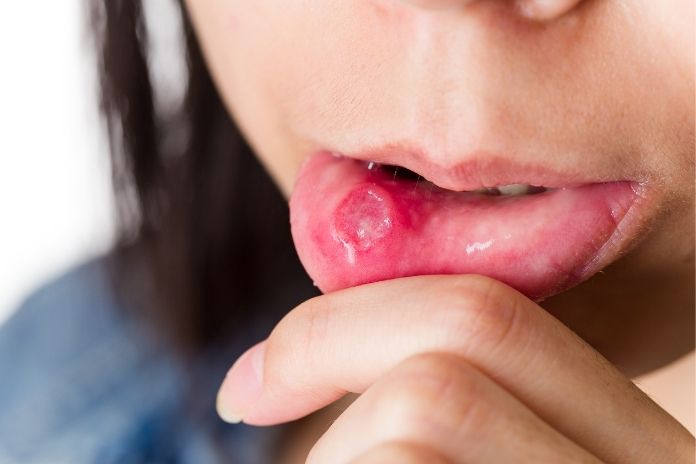
Chemotherapy aims at rapidly dividing cells. However, the body has healthy cells that also get divided quickly, such as those lining the mouth and digestive tract. Damage to these cells results in inflammation that can turn into painful ulcers.
Radiation to the head or neck can have the same effect. Additionally, it can make the mouth dry, reduce saliva, change the oral microbiome, and make the tissues less resistant. This, in turn, significantly increases the possibility and the extent of chemotherapy oral side effects and radiation mouth complications.
Cancer societies always emphasize that dental intervention at an early stage:
- Gives the mouth a chance to prevent chemo mouth sores known as mucositis.
- Decreases the risk of infection level.
- Eases the process of eating and drinking.
- Reduces hospital visits and emergency dental needs.
Minor dental problems, such as slight gum irritation or the very early stage of tooth decay, can become major issues when you go through the treatment. Since your immune system will be weakened, minor infections will advance rapidly, and sores will take longer to heal.
The healthier and cleaner your mouth is before the therapy, the less you will have to deal with complications.
How Proper Dental Care Can Help Prevent Mouth Sores

Good oral hygiene will not put up such strong resistance to the treatment. The following benefits clearly show how dental care can reduce the risk of developing mouth sores. We will also learn why these measures are so important before chemo or radiation therapy.
1. Removes Infection Sources Before They Become Serious
A thorough dental check-up for cancer patients is a major step in identifying issues such as dental caries, periodontitis, and oral abscesses early on.
During chemotherapy, these issues that are now under control might get worse. This happens as the infection control will be more difficult due to the reduced immunity.
When you take care of these symptoms in advance, there are fewer chances of suffering from painful infections, swelling, and emergency dental procedures during your therapy.
2. Reduces Bacterial Load in the Mouth
Before a cancer patient undergoes a professional clean-up, the oral bacterial load must be significantly reduced.
In this condition, the oral tissues become weak due to chemotherapy or radiation. Due to this, the sores will get deeper or will be infected with bacteria present at high levels.
A less contaminated mouth also helps prevent oral mucositis by promoting the healing of the tissues.
3. Treats Gum Disease Before Immunity Drops
If there is anything rough inside your mouth, such as a broken tooth, a sharp filling, or a loosely fitted denture, it will constantly flap the delicate lining of your mouth.
These tiny injuries may develop into ulcers, which then turn into severe mucositis once treatment is initiated.
The dentist tackles this issue by reducing unnecessary friction and irritation with appropriate treatment.
4. Treats Gum Disease Before Immunity Drops
Periodontal disease is a major cause of inflammation.
When your immune system is down, gum inflammation may become very severe and lead to the formation of mouth sores.
By treating gum disease early, oral hygiene and chemotherapy will see significant changes. With this, the level of discomfort during therapy will be greatly reduced.
5. Prevents Treatment Delays
When a dental infection develops during chemo or radiation, your oncologist may decide to stop the treatment to prevent further complications.
This can influence your whole treatment duration and, therefore, the final results.
Maintaining good oral health will ensure that you are still on the right track and that you will not have to take any breaks.
Read More: Early Signs of Oral Cancer You Shouldn’t Ignore
Essential Dental Steps to Take Before Cancer Treatment

Oral care before cancer therapy is considered one of the main parts of the whole cancer treatment planning. These moves are a guarantee that your oral cavity will be ready to go through the stress of therapy.
1. Full Dental Examination
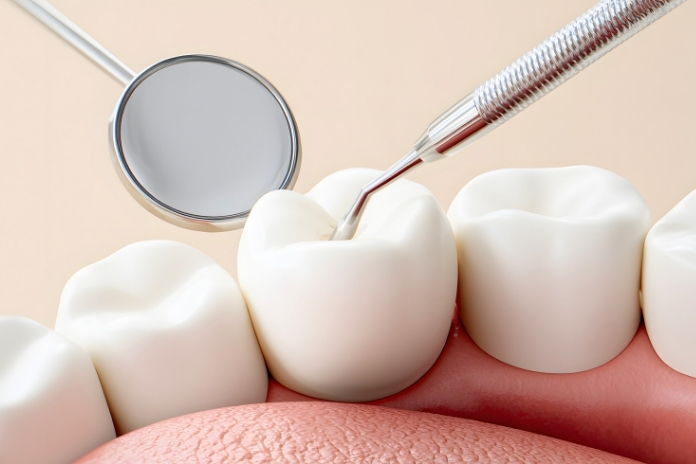
A complete dental examination will help when you are preparing for chemotherapy or radiation. The dentist will check for the following things:
- Dental caries
- Periodontal disease
- Broken or loose teeth
- Wear of fillings
- Abscesses
- Denture problems
In order to detect the hidden problems, it might be necessary for the dentist to take some X-rays.
2. Professional Cleaning
Cleaning can significantly reduce plaque and tartar that’s built up over a long period.
This reduces your total bacterial load while preventing infections and reducing sore severity.
3. Early Resolution of Dental Problems
Proper timing plays an important role. Ideally, the treatment should be done 2–3 weeks before chemotherapy or radiation so that the recovery period is long enough.
These can be:
- Filling cavities
- Treating gum disease
- Fixing chipped teeth
- Changing old or broken fillings
- Adjusting or relining dentures
- Taking out teeth that cannot be saved
Starting with these dental care problems early will make the oral environment safer during therapy.
4. Fluoride Application
Fluoride is a strong enamel builder, and it keeps the teeth safe from decay. Thus, it is essential for patients going through radiation or those who are at a higher risk of dry mouth.
The dentist can recommend fluoride trays, varnishes, or gels as the application method.
5. Collaboration of Dentist and Oncologist
The collaboration between dentist and oncologist should be geared towards:
- Ensuring that the timing of the procedures is right
- Periods of healing are long enough
- Dental work is not in conflict with the treatment cycles
By using this strategy, there is less chance of preventing any further unprecedented complications.
Daily Oral Care Routine to Reduce Mouth Sores

You may not have control over which cells chemotherapy affects. However, you do have control over how clean and comfortable your mouth feels each day.
1. Gentle Brushing and Flossing
Opt for good oral hygiene practices right from the start. You may:
- Use a soft-bristle toothbrush.
- Put a small amount of a mild, non-mint-flavored toothpaste on the brush.
- Brush 2–3 times a day.
- Floss gently so as not to cause bleeding.
A gentle regimen helps to reduce irritation and also to prevent bacteria from developing.
2. Mouthwash Without Alcohol
The use of mouthwashes that contain alcohol can lead to a stinging sensation, dry the mouth, and increase irritation.
You may use alcohol-free mouth rinses that have soothing properties. These help keep the mouth clean and reduce the risk of complications.
3. Baking Soda or Saltwater Rinses
These rinses are both safe and effective. They:
- Help stabilize pH
- Reduce bacteria
- Relieve irritated tissues
Many cancer centers advise rinsing several times a day during treatment.
4. Hydration
The tissues in your mouth, the ones that are exposed to friction and sores, become more sensitive when your mouth is dry. Thus, water intake is a must.
You can keep yourself well hydrated in the following ways:
- Sip water regularly throughout the day.
- Go for ice chips.
- Opt for liquids that hydrate well.
Proper hydration promotes healing and brings comfort.
Read More: Best Oral Care Products for Healthier Teeth and Gums (Dentist-Approved Essentials)
How Dental Health Affects Radiation to the Head and Neck
Patients who are to be irradiated on the head and neck areas are more likely to develop the most serious dental and oral side effects. Radiation may give you:
- Extreme dry mouth
- Dental caries
- Periodontal disease
- Decreased swallowing function
- Higher infection risk
- Osteoradionecrosis, which is the destruction of bone
This is the main reason you need good pre-treatment planning.
By placing fluoride trays, removing badly damaged teeth, and doing a dental cleaning before radiation, the condition’s progression can be slowed.
Once tissues have been well-maintained in the oral cavity after radiation, they can endure better and also recover faster.
When to Contact a Dentist or Doctor
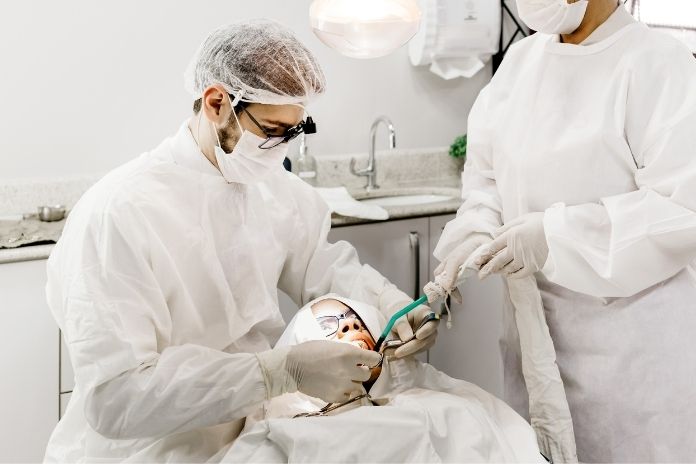
If during the treatment you observe any of these conditions, please consult your doctor immediately. These can be local ulcers lasting over a week, bleeding or swollen gums, or white spots (fungal infection). You may also visit the doctor right away if there is pain at mastication or deglutition, fever, chills, or teeth loosening
- Discomfort caused by dentures
- Extreme swelling or bad-smelling discharge
These symptoms may indicate an infection or worsening of mucositis and therefore require immediate medical attention.
Final Summary
Good dental care is a great help in the prevention of mouth sores caused by chemo, in making the situation less painful, and in keeping the patient’s general comfort during cancer treatment.
A dental check-up before the start of treatment, fixing any dental issues, maintaining daily oral hygiene, and communicating with your healthcare team can significantly reduce the chance of complications. Doing this will result in less pain and a smoother cancer treatment journey.
A strong oral cavity is a key to a path of less resistance, more safety, and ultimately a better prognosis. This is why oral care before treatment counts.
References
- MD Anderson Cancer Center. (n.d.). Oral care during cancer treatment.
- Shenoy, N., & Shenoy, A. (2014). Xerostomia: Causes, consequences, and management. International Journal of Head and Neck Surgery, 5(2), 93–98.
- WebMD. (n.d.). Fluoride treatment.
- Dent Akademi Global. (n.d.). Dental treatments FAQ.
- Delta Dental Michigan. (n.d.). Dental care and cancer treatment.
- Bocci, E., et al. (2023). Oral complications in cancer patients: A comprehensive review. Diseases, 13(6), 186.
- Gaviria, C., et al. (2019). Multidisciplinary management of oral complications in cancer patients. Revista Facultad de Odontología Universidad de Antioquia, 30(2), 178–190.
In this Article