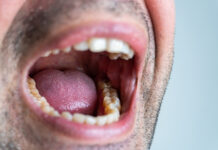













You wake up, and the first thing you notice is your mouth. It feels sticky. Your tongue feels dry. There’s a strange taste, maybe thick saliva, and an immediate urge to reach for water before you even fully open your eyes. If this often happens, you’re not imagining it, and you’re far from alone.
Morning dry mouth, also called waking xerostomia, is one of the most common yet overlooked sleep-related complaints. During sleep, saliva production naturally drops. But when that normal decrease is combined with mouth breathing, dehydration, certain medications, or a dry sleep environment, the mouth can become uncomfortably dry by morning.
For many people, the cause is behavioral or environmental. Sleeping with your mouth open, using a fan or air conditioning overnight, drinking alcohol in the evening, or not hydrating enough during the day can all reduce moisture in the oral tissues.
These factors disrupt saliva’s role in protecting teeth, gums, and the soft tissues of the mouth.
In some cases, though, persistent dry mouth can signal something deeper. Chronic nasal congestion, sleep apnea, acid reflux, diabetes, autoimmune conditions, or medication side effects can all interfere with normal saliva flow.
When dry mouth is frequent, severe, or accompanied by symptoms such as bad breath, sore throat, frequent cavities, or trouble swallowing, it warrants closer attention.
This article breaks down what’s really happening when you wake up with a dry mouth, the most common causes behind it, related symptoms to watch for, evidence-based ways to reduce it, and clear guidance on when it’s time to see a doctor.
What Is Dry Mouth (Xerostomia) and Why Does It Happen at Night?
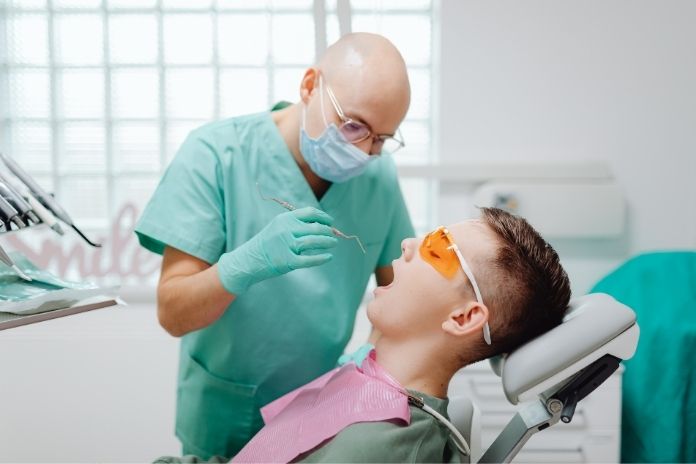
Dry mouth, medically known as xerostomia, occurs when the salivary glands don’t produce enough saliva to keep the mouth properly moist. This isn’t just about comfort. Saliva plays a protective and functional role that most people don’t think about until it’s missing.
Saliva helps the mouth function normally by
- Protecting teeth from cavities.
- Washing away bacteria and food debris.
- Aiding swallowing and early digestion.
- Maintaining a healthy oral pH balance.
When saliva levels drop too low, the mouth becomes more vulnerable to irritation, bacterial overgrowth, and tooth decay.
Here’s the thing. Saliva production naturally decreases during sleep. That’s part of normal physiology. Your nervous system shifts into a rest state, and your salivary glands slow down. For most people, this reduction isn’t enough to cause noticeable dryness. The problem starts when something pushes saliva production below a comfortable threshold.
Nighttime dry mouth becomes more likely when normal saliva reduction is combined with other factors. According to the Mayo Clinic, mouth breathing during sleep, dehydration, certain medications, and medical conditions that affect salivary gland function can significantly worsen dryness overnight.
When the mouth stays open, or airflow constantly passes over oral tissues, moisture evaporates faster than it can be replaced. Over time, repeated morning dryness isn’t just annoying. It can contribute to bad breath, a sore throat, increased risk of cavities, gum irritation, and disrupted sleep.
In some cases, it may also reflect an underlying issue that needs attention rather than just more water at the bedside.
Understanding why dry mouth happens at night is the first step toward fixing it, because the solution depends entirely on what’s interfering with saliva in the first place.
Read More: Dry Mouth at Night: Causes, Symptoms, and Solutions
The Most Common Causes of Waking Up With a Dry Mouth
Waking up with a dry mouth isn’t random. In most cases, it’s the result of changes in airflow, fluid balance, or nervous system signals during sleep. Sometimes it’s behavioral and easy to fix. Other times, it’s your body flagging an underlying issue that’s interfering with normal saliva production.
What matters is pattern and frequency. An occasional dry mouth after a late night or alcohol intake is common. Dry mouth that shows up most mornings points to a consistent trigger. Understanding these causes helps you narrow down what’s actually driving the problem, instead of guessing or masking it with water alone.
Below are the most common and medically recognized reasons people wake up with a dry mouth, starting with the ones doctors see most often.
Mouth Breathing at Night
One of the most common causes of morning dry mouth is simple mouth breathing.
When you sleep with your mouth open, airflow continuously dries out oral tissues. Saliva evaporates faster than it can be produced.
Mouth breathing is often linked to:
- Chronic nasal congestion
- Allergies
- Deviated septum
- Enlarged tonsils
- Habitual breathing patterns
Snoring worsens this effect. Increased airflow accelerates moisture loss, which explains why snoring and dry mouth often occur together.
On the Cleveland Clinic’s health library page, mouth breathing is described as a condition that can lead to dry mouth and bad breath. Because saliva plays a key role in rinsing bacteria and protecting teeth and gums, breathing through the mouth instead of the nose dries saliva and can contribute to gum irritation and tooth decay over time.
Sleep Apnea (One of the Strongest Links)
Obstructive sleep apnea (OSA) is one of the most important causes to rule out when someone consistently wakes up with dry mouth.
People with OSA often:
- Breathe through their mouth during sleep
- Snore loudly
- Experience airway collapse that disrupts breathing
These repeated airflow changes dry the mouth and throat throughout the night.
Red flags include:
- Loud, chronic snoring
- Choking or gasping during sleep
- Excessive daytime sleepiness
- Morning headaches
According to Johns Hopkins Medicine, dry mouth is a common symptom of sleep apnea, and symptoms related to mouth breathing often improve once the underlying apnea is properly treated.
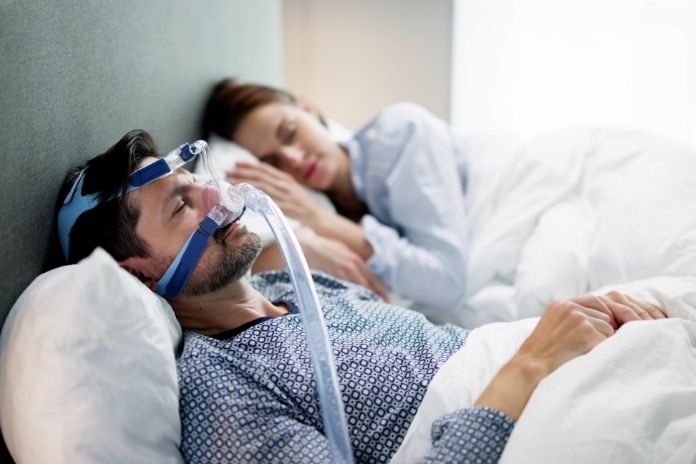
CPAP and BiPAP machines can also contribute to dryness if humidification settings are too low or if air leaks occur around the mask.
Dehydration
Dehydration is a straightforward but often overlooked cause.
If you don’t drink enough fluids during the day, your body prioritizes vital organs overnight. Saliva production drops further, leading to morning dryness.
Factors that worsen dehydration include:
- Heavy sweating
- Hot climates
- Fever or illness
- Diuretic medications
- High salt intake
Alcohol and caffeine increase fluid loss and reduce saliva production, especially when consumed in the evening.
According to the National Institutes of Health, dry mouth and dry lips are among the early signs of dehydration, often showing up before other symptoms develop.
Medications That Reduce Saliva Production
Dry mouth is one of the most common side effects of medication.
Medications known to reduce saliva include:
- Antidepressants (especially SSRIs and SNRIs)
- Antihistamines
- Anti-anxiety medications
- Blood pressure drugs
- Muscle relaxants
- Some pain medications
According to the American Dental Association, hundreds of commonly prescribed medications list dry mouth as a side effect due to their impact on the nervous system and salivary glands.
If dry mouth started after a medication change, this is a strong clue.
Alcohol Before Bed

Alcohol contributes to morning dry mouth in two ways.
First, it dehydrates the body by increasing urine output. Second, it relaxes throat muscles, making mouth breathing and snoring more likely.
This combination significantly reduces saliva overnight.
According to Dr. Abhinav Singh, MD, MPH, FAASM, a sleep medicine physician, alcohol acts as a diuretic and also relaxes the muscles of the throat and upper airway, which increases the likelihood of mouth breathing, snoring, and reduced saliva flow overnight, all of which contribute to waking up with a dry mouth.
Smoking or Vaping
Smoking and vaping impair saliva production and irritate oral tissues.
Nicotine reduces blood flow to salivary glands, while smoke and vapor directly dry out the mouth.
According to the CDC, smoking and tobacco use are linked to a higher prevalence of oral health problems such as gum disease and cavities, and smokers are significantly more likely than non‑smokers to experience issues associated with reduced saliva flow and chronic dry mouth.
Using tobacco or vaping products close to bedtime increases morning dryness.
Allergies and Nasal Congestion
When your nose is blocked, your body defaults to mouth breathing.
Seasonal allergies, sinus infections, or chronic rhinitis force air through the mouth overnight, drying tissues and reducing the effect of saliva.
This is one of the most common causes of dry mouth at night, especially during allergy seasons.
Diabetes or High Blood Sugar
High blood sugar increases urine output, leading to dehydration and excessive thirst.
Dry mouth in the morning can be an early sign of diabetes, especially when paired with:
- Frequent urination
- Increased thirst
- Fatigue
- Blurred vision
According to the Mayo Clinic, chronic dry mouth can be associated with underlying health conditions such as diabetes, in which high blood sugar levels contribute to reduced saliva production and increased risk of oral infections.
Sjögren’s Syndrome (Less Common but Important)
Sjögren’s syndrome is an autoimmune condition where the immune system attacks moisture-producing glands.
Key symptoms include:
- Persistent dry mouth
- Dry eyes
- Joint pain or stiffness
- Fatigue
While less common, it’s crucial to mention because untreated Sjögren’s can cause serious dental and systemic complications.
The National Institutes of Health emphasizes that when chronic dry mouth occurs alongside dry eyes, it can indicate a more serious underlying condition, such as Sjögren’s syndrome, an autoimmune disorder that targets moisture-producing glands.
Persistent symptoms affecting both the mouth and eyes should not be ignored, as early medical evaluation can help prevent complications such as dental decay, oral infections, and eye damage, and enable timely management of the underlying disease.
Acid Reflux (GERD or LPR)
Acid reflux can irritate the throat and salivary glands.
Stomach acid reaching the upper airway, especially in laryngopharyngeal reflux (LPR), can reduce the effectiveness of saliva and cause dryness.
This is often accompanied by:
- Morning hoarseness
- Sour or bitter taste
- Throat clearing
- Cough
Dr. Celeste Robb‑Nicholson, MD, contributing physician at Harvard Health Publishing, emphasizes that when stomach contents, including acid and digestive enzymes, travel up into the larynx and throat, they can injure the delicate tissues there and lead to hoarseness, chronic cough, throat clearing, and irritation that may worsen dry or scratchy feelings in the mouth and throat.
Read More: The Link Between Acid Reflux and Breathing Patterns
Related Symptoms That Help Identify the Cause

Dry mouth rarely appears in isolation. The symptoms that come with it often reveal what’s actually driving the problem. Paying attention to patterns, not just dryness itself, makes it easier to narrow down the cause.
Common accompanying symptoms include:
- Cracked or peeling lips
- Sore throat or scratchy feeling on waking
- Thick, stringy, or foamy saliva
- Trouble swallowing dry or crumbly foods
- Persistent bad breath despite good oral hygiene
- Increased cavities, plaque buildup, or gum inflammation
- Snoring, mouth breathing, or fragmented sleep
- Intense thirst first thing in the morning
Certain symptom combinations are especially telling. Dry mouth, loud snoring, and unrefreshing sleep point toward mouth breathing or sleep apnea. Dryness paired with frequent urination and excessive thirst raises concern for dehydration or blood sugar issues. Thick saliva, bad breath, and recurring cavities suggest chronically low saliva flow rather than a one-off dry night.
When dry mouth is mild and occasional, symptoms tend to resolve quickly after drinking water. When multiple symptoms occur together or persist daily, it usually means that saliva production is consistently disrupted, not temporarily.
Tracking these associated signs helps determine whether the issue is behavioral, environmental, medication-related, or medical. It also helps guide when home adjustments are enough and when a professional evaluation is the smarter next step.
How Morning Dry Mouth Affects Your Health
Repeated morning dry mouth isn’t just uncomfortable. When saliva stays low night after night, the mouth loses one of its main protective systems. Saliva helps neutralize acids, control bacteria, and protect tooth enamel. Without it, damage builds quietly over time.
Low saliva production increases the risk of:
- Cavities and tooth decay
- Gum disease and inflammation
- Oral infections
- Mouth sores and irritation
- Persistent bad breath
- Difficulty chewing or swallowing
Dry mouth also affects sleep quality when mouth breathing or sleep apnea is involved. Airflow through the mouth fragments sleep and worsens fatigue, even if you don’t fully wake up.
How to Fix Morning Dry Mouth: Evidence-Based Strategies

Fixing morning dry mouth isn’t about quick hacks like chugging water at night. The goal is to support saliva production, reduce overnight moisture loss, and address whatever is disrupting your mouth during sleep. The most effective strategies target behavior, environment, and underlying causes rather than just symptoms.
Improve Your Hydration Strategy
Drinking a lot of water right before bed rarely fixes morning dryness. It often just leads to nighttime bathroom trips. What works better is consistent hydration across the day, so your body isn’t already depleted by bedtime.
Practical tips include:
- Sip water regularly throughout the day.
- Limit alcohol and caffeine in the evening.
- Eat water-rich foods like fruits and vegetables.
Adequate daytime hydration supports saliva production overnight rather than trying to compensate at the last minute.
Switch From Mouth Breathing to Nasal Breathing
Mouth breathing is one of the biggest drivers of morning dry mouth. Addressing why it’s happening is far more effective than treating dryness afterward.
Helpful steps include:
- Treat allergies with saline rinses or prescribed antihistamines.
- Manage chronic nasal congestion.
- Avoid sleeping flat on your back.
- Elevate your head slightly to improve airflow.
If nasal blockage is structural, an ENT evaluation may be necessary to correct the root cause.
Increase Bedroom Humidity
Dry air accelerates moisture loss from the mouth and throat. This is especially common in air-conditioned or heated rooms.
Using a cool-mist humidifier can reduce overnight dryness and irritation. The Cleveland Clinic recommends humidifiers for people with recurrent dry mouth and nasal dryness, particularly during colder or drier seasons.
Try Oral Moisturizers or Dry-Mouth Gels
Over-the-counter saliva substitutes, gels, or sprays can coat oral tissues and reduce discomfort overnight. They don’t replace natural saliva, but they help protect tissues and reduce irritation.
Dentists often recommend these products for persistent xerostomia, especially when medication-related dry mouth is involved.
Adjust CPAP Settings if You Use One
CPAP and BiPAP therapy should improve sleep, not worsen dryness. If you wake up with a dry mouth while using one, the settings may need adjustment.
Helpful fixes include:
- Increasing humidification levels.
- Checking for mask leaks.
- Use a chin strap if mouth leaks persist.
Sleep specialists emphasize that proper CPAP setup often resolves dry mouth rather than causing it.
Avoid Smoking or Vaping at Night
Nicotine reduces saliva production and irritates oral tissues. Smoking or vaping close to bedtime significantly worsens overnight dryness.
Reducing or quitting tobacco improves saliva flow and overall oral health. At a minimum, avoid use in the evening hours.
Use Sugar-Free Gum or Lozenges Before Bed
Sugar-free gum or lozenges can stimulate saliva production without increasing cavity risk.
Dentists often recommend products containing xylitol because they support saliva flow while protecting teeth.
When these strategies are applied consistently, most people notice meaningful improvement within days to weeks. If dry mouth persists despite these changes, it’s a sign that a medical or medication-related cause should be evaluated rather than ignored.
Read More: How a Simple Mouth Tape Hack Can Improve Sleep and Reduce Snoring
When Morning Dry Mouth Is a Reason to See a Doctor
Seek medical evaluation if:
- Dry mouth persists for weeks
- You also have dry eyes or joint pain
- You snore loudly or feel excessively tired during the day
- You develop frequent cavities or oral infections
- CPAP-related dryness doesn’t improve with adjustments
- You suspect medication side effects
According to Harvard Health, persistent xerostomia warrants medical evaluation rather than dismissal as a nuisance, as chronic dryness can interfere with eating, increase the risk of infection, and jeopardize oral health if left unaddressed.
Conclusion
Waking up with dry mouth is uncomfortable, but it’s rarely random or harmless. In most cases, it reflects something interfering with normal saliva production during sleep rather than a simple lack of water. Dehydration, mouth breathing, allergies, medications, and sleep-related breathing issues account for the majority of cases.
In others, persistent dryness can be an early clue to conditions such as sleep apnea, poorly controlled blood sugar, or chronic nasal obstruction. The important takeaway is that dry mouth is usually fixable once the cause is identified.
Improving daytime hydration, reducing evening alcohol or caffeine, addressing nasal congestion, adjusting sleep position, or optimizing CPAP settings can significantly reduce morning dryness. When medications are involved, a doctor or dentist can often help adjust timing or recommend supportive treatments.
Ignoring ongoing dry mouth can lead to more than discomfort. Over time, low saliva increases the risk of cavities, gum disease, oral infections, and disrupted sleep.
Addressing the issue early protects oral health and improves sleep quality, which affects energy, focus, and overall well-being.
References
- Cleveland Clinic. (n.d.). Dry mouth (xerostomia).
- Mayo Clinic. (n.d.). Dry mouth (xerostomia) – symptoms and causes.
- Sleep Foundation. (n.d.). Dry mouth at night while sleeping.
- Colgate. (n.d.). Dry mouth at night: The causes and management tips.
- National Center for Biotechnology Information. (n.d.). Xerostomia. In StatPearls.
- WebMD. (n.d.). Sleep apnea and dry mouth: Causes.
- Vinmec. (n.d.). 9 causes of dry mouth when waking up.
- Houston Methodist. (2021, May). Dry mouth at night: 5 reasons you may be waking up thirsty.
- NHS Inform. (n.d.). Dry mouth.
- Clove Dental. (n.d.). Dry mouth: Symptoms, causes, and treatment.
- Signature Smiles. (n.d.). Dry mouth.
- Pacific Northwest Dentist. (n.d.). The causes of headache and dry mouth in the morning.
- YouTube. (2020, August 5). Dry mouth causes and remedies [Video]. YouTube.
- YouTube. (2021, March 10). Why you wake up with a dry mouth [Video]. YouTube.
- YouTube. (2022, July 15). Morning dry mouth explained [Video]. YouTube.
In this Article