













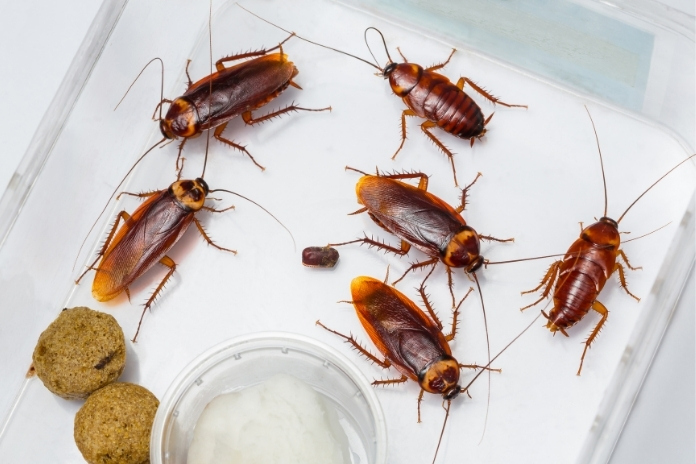
Cockroaches pose a serious health concern in homes and workplaces and are more than simply spooky pests. Equal-opportunity invaders are cockroaches. Anywhere they can find dependable sources of food, water, and shelter, these annoyances can establish themselves.
Sadly, one of the primary sources of all three of these cockroach essentials is people’s homes.
Worldwide, cockroaches inhabit a diverse range of habitats. These pest species are frequently found in the structures of crowded cities and the southern United States due to their preference for warm environments.
According to the Asthma and Allergy Foundation of America, cockroaches are present in 78–98% of metropolitan households, with up to 900–330,000 cockroaches per residence!
They leave behind viruses that can lead to infections when they crawl over food supplies, dishes, or worktops. This article will discuss the numerous ways cockroaches impact human health, ranging from the transmission of illnesses to respiratory issues that should not be disregarded.
Read More: 15 Effective Natural Remedies to Get Rid of Skin Rashes Easily
Why Cockroaches Are Considered a Health Hazard
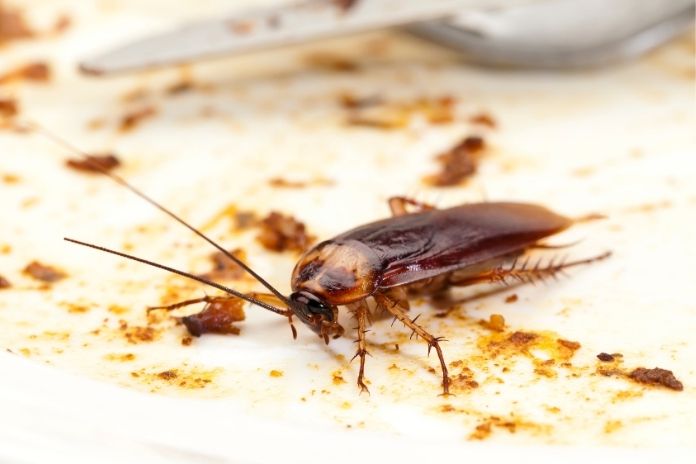
Despite their unnerving appearance, cockroaches are significantly more harmful.
Cockroaches have historically been controlled because of their offensiveness, foul odor, and their ability to induce respiratory and gastrointestinal disorders. However, studies have shown that individuals who are sensitized to cockroach antigen—proteins present in the debris—experience asthma episodes when exposed to cockroach detritus, which includes old shells, saliva, body parts, and droppings.
Elevated airborne levels of several kinds of allergens, including dust mites, mold, hairy animals, tobacco smoke, and certain chemicals, can lead to children having severe and frequent asthma attacks.
The presence of allergens in homes and buildings poses a genuine health risk to asthmatics, as children spend more time indoors than outdoors. Given the alarming rise in asthma cases, it is imperative to manage the risk that any cockroaches pose.
Being nocturnal, cockroaches are skilled at hiding. Many other cockroaches can be hiding nearby if you do spot one.
Although cockroaches aren’t known to bite, several common species can cause skin irritation due to their hefty leg spines.
Diseases Linked to Cockroaches
In addition to being unsightly, cockroaches are silent carriers of harmful infections in your house. Cockroaches carry numerous germs, disperse them throughout their bodies, and leave them behind in their excrement.
Cockroach-borne bacteria can be particularly harmful if they come into contact with items you frequently handle, cook with, or even consume. Cockroaches carry numerous bacterial strains that have been linked to foodborne diseases.
Salmonella: There are various types of Salmonella bacteria, which typically induce nausea, vomiting, stomach cramps, and diarrhea. Eating or drinking tainted food might cause an infection with Salmonella.
Shigella infections result in fever, abdominal cramping, and diarrhea. Eating or drinking tainted food or coming into close contact with an infected individual can expose you to Shigella.
Staphylococcus aureus: This type of bacteria, which is frequently present on your skin, generates toxins that can make individuals who eat infected food sick. Nausea, vomiting, diarrhea, and stomach cramps are a few symptoms.
Escherichia coli, which is commonly referred to as E. coli, exists in a variety of strains. While some are innocuous, others can lead to disease. Infections with E. coli can cause fever, abdominal cramps, vomiting, and severe diarrhea.
Read More: Sneezing and Sniffling? How to Know If It’s a Cold or Allergies
Cockroaches and Allergies/Asthma
Beyond spreading parasites and pathogens, cockroaches are a leading cause of indoor allergies.
More recent studies have indicated that cockroaches can aggravate allergies, including asthma, which is one of the most common causes of hospitalization in children. Arnold Mallis, in the Mallis Handbook of Pest Control, states that “the skin testing shows about 26% of the U.S. population is sensitive to the German cockroach allergen.”
Many people may experience an allergic reaction to a protein produced by cockroaches. Their excrement, saliva, molting (shedding of skin), and even the remains of dead cockroaches within their colonies can trigger them.
The proteins in and on the bodies of cockroaches cause an immune system reaction in people who are allergic to them.
Symptoms of cockroach allergies include:
- Skin rash
- Itchy
- Congestion
- Eyes that are watery or itching
- Runny nose
- Sneezing
- Coughing
People living with Asthma may experience severe symptoms, such as wheezing, chest tightness, and difficulty breathing, due to a cockroach allergy.
Hidden Dangers of Cockroach Infestations

Cockroach infestations are more than just the gross factor of seeing cockroaches running all over your home. There are many dangers you cannot see that can negatively affect mental and physical health. Here are the main risks to look out for:
Food Contamination: Roaches will crawl on your kitchen surfaces, cooking utensils, and anything involved in preparing food and feeding you. It enables them to pass bacteria and diseases that could damage your food and drink. Food contamination related to roaches carries a greater risk of potential food poisoning, gastrointestinal illness, and diarrhea.
Rapid Reproduction: A tiny roach infestation can quickly grow to be a large infestation before you know it. Cockroaches breed at a fast pace, and when an infestation starts to grow, you should know that roach contamination is also increasing, meaning that the health risks are growing too.
Psychological Toll: When you live in the presence of cockroaches, it can cause a dreadful increase in worry and even anxiety over having cockroaches in your home. Some individuals have recently expressed concerns about sleep due to worries about cockroaches.
Read More: 15 Natural Remedies For Year-Round Allergies – Keep Them In Check
How to Protect Yourself
Cockroaches easily disperse allergens throughout homes, schools, and other public areas, and a few simple procedures can protect individuals who are highly sensitive to these allergens.
- Maintain a tidy workspace. Food scraps should not be on the floor. Be sure to clean underneath large kitchen appliances, like the refrigerator and stove, where food can become trapped and accumulate. Water and food should never be left out.
- Decrease the humidity. Cockroaches and other pests thrive in the damp indoor environment. Maintain a relative humidity of 30–50%.
- Focus on areas where cockroach allergens may accumulate. Clothing, furniture, carpet, and beds are familiar trouble spots. Cover pillows and mattresses at home, and wash bedding weekly in hot water. Remove extraneous textiles from upholstered furniture, drapes, and rugs.
- Removed Infestations. If the issue is severe, you may need to hire an expert; however, in the meantime, try low-toxicity solutions, also known as Integrated Pest Management strategies.
- Take out the carpet. Homeowners should install hard-surface flooring instead of carpet in houses with allergy sufferers.
- If this isn’t feasible, weekly carpet sweeping can help reduce exposure to allergies.
Read More: 6 Everyday Household Items That May Be Triggering Inflammation (and What to Do Instead)
When to Seek Medical Help

If you experience any symptoms of a cockroach allergy, consider scheduling an appointment with your healthcare provider to discuss treatment options. They may recommend that you see an immunologist or allergy specialist. An allergist is a medical provider who diagnoses and treats allergies. As part of the exam process, they will ask the following questions.
- What symptoms do you have?
- When did you first start having symptoms?
- Have you taken any steps to manage your symptoms?
- Have you ever seen cockroaches in your residence or workplace?
An allergist may use one or more allergy tests based on your symptoms to determine whether you have a cockroach allergy. These tests may include the following.
Skin prick (scratch) test. The allergist will use a small needle to scratch the surface of your skin with different allergens. After that, they will measure any itchy areas of your skin that look like mosquito bites.
Blood test. The allergist will take a small blood sample from your arm to send to the laboratory for analysis. Labs test for many indoor and outdoor allergens, including cockroaches.
The allergist may recommend or prescribe the following medications to treat symptoms of your cockroach allergy.
- Oral and nasal antihistamines
- Nasal corticosteroids
- Leukotriene modifiers
- Allergy shots (immunotherapy)
Conclusion
Cockroaches can pose a serious threat to human health, particularly as they are more than just a nuisance in your home. These resilient pests can cause health effects, including both physical and mental issues, such as allergies, asthma, and exposure to bacteria, viruses, and parasites. The potential for concern, especially as it relates to food contamination, surfaces, and indoor environments, is heightened by the presence of cockroaches.
Nonetheless, all situations would benefit from a plan to prevent and manage cockroaches. Cleaning surfaces, storing food properly, caulking cracks and crevices, managing moisture, and maintaining the cleanliness of indoor spaces are actions that can reduce the risk of infestation. Once you identify cockroaches, implement pest management actions as soon as possible to prevent them from spreading rapidly and reduce health risks.
Read More: Top 5 Viral Infections Mistaken for Allergies (And How to Spot the Difference)
FAQs
Can cockroaches bite humans?
Cockroaches rarely bite humans. Typically, this occurs at night when people are asleep and is not considered a severe matter. These pests may be a nuisance, but they are generally not harmful.
Are cockroaches more dangerous than rats?
Both pests are capable of carrying parasites that cause diseases. Cockroaches can contaminate food items with bacteria without detection. They are associated with asthma as opposed to a rat, which is more likely to bite you and introduce disease-carrying parasites directly into the body.
Do all cockroaches spread disease?
No, not all cockroaches carry disease. While some species of cockroach potentially carry infections that can cause sickness, not every member of a cockroach “species” is diseased.
Can cockroaches make you sick just by being in your house?
Yes, they can cause illness because they contaminate food and the surrounding area with germs, viruses, and parasites.
References
- https://www.terminix.com/cockroaches/are-roaches-dangerous
- https://www.health.com/cockroach-bite-11752430
- https://www.pestworld.org/news-hub/pest-health-hub/the-truth-about-cockroaches-and-health/
- https://nchh.org/information-and-evidence/learn-about-healthy-housing/health-hazards-prevention-and-solutions/cockroaches
- https://aafa.org/?id=9&sub=18&cont=227
- https://www.reynoldspest.com/blog/post/are-cockroaches-dangerous-here-are-7-reasons-roaches-are-bad-for-your-health
- https://www.jonesbrospc.com/blog/types-of-health-problems-caused-by-cockroaches
- https://www.lung.org/clean-air/indoor-air/indoor-air-pollutants/cockroaches
- https://aafa.org/allergies/types-of-allergies/insect-allergy/cockroach-allergy
- https://www.betterhealth.vic.gov.au/health/healthyliving/cockroaches
- https://my.clevelandclinic.org/health/diseases/25229-cockroach-allergy
In this Article