










If you’ve ever caught yourself wondering why you crave chocolate during your period, it’s not random, nor is it an exaggerated emotional response, as we feel it to be. The craving for chocolate during your period is one of the most common PMS symptoms, and it follows a predictable biological rhythm.
Notably, the craving is not just for something sweet. Many women have reported that fruit, candy, or baked goods do not satisfy the craving in the same way that chocolate does. When cravings for a particular food occur repeatedly and cyclically, it means that physiology, not willpower, is driving the behavior.
Studies in nutrition science, endocrinology, and neuroscience have shown that chocolate cravings occur due to interactions among hormones from the menstrual cycle, neurotransmitters such as serotonin and dopamine, blood sugar regulation, and nutrient signals. The luteal phase provides the ideal internal environment for chocolate to be particularly rewarding, calming, and essential.
In this article, we’ll explain why chocolate cravings during your period are so common and specific, focusing on the roles of estrogen and progesterone, changes in serotonin and dopamine, and shifts in blood sugar and magnesium needs during the luteal phase.
We’ll also look at why chocolate stands out from other sweets, when it’s reasonable to honor the craving, and when unusually intense cravings may point to something beyond typical PMS.
Read More: 5 Surprising Health Benefits of Hot Chocolate (When Made the Right Way)
Why Chocolate Cravings Are So Common During Your Period
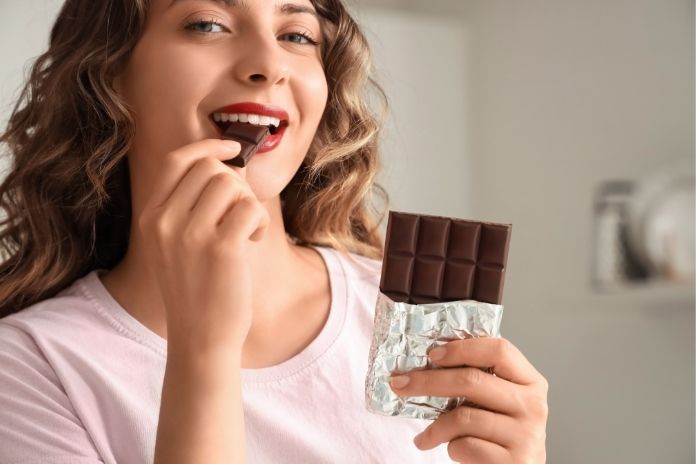
Studies and surveys show that chocolate cravings peak during the luteal phase, roughly 7-10 days before a period starts. This is when PMS symptoms tend to show up as fatigue, bloating, mood swings, sleep trouble, and a bigger appetite.
The craving for chocolate during a period often hits its high in the last days before bleeding and can linger into early menstruation. A key reason these cravings feel stronger is that the body’s baseline energy needs creep upward a bit during the luteal phase.
Metabolism nudges higher, and the brain becomes more attuned to reward and comfort cues. At the same time, emotional regulation becomes more fragile because of hormonal shifts. Chocolate stands out because it tackles energy needs and offers emotional comfort at once.
That combination helps explain why period-time chocolate cravings are so common, even for people who don’t usually crave sweets. It’s not about indulgence; it’s about reestablishing balance during a hormonally sensitive stretch of the cycle.
Hormonal Changes That Drive Chocolate Cravings
The menstrual cycle is driven by estrogen and progesterone levels, but the changes in these hormones have ripple effects that go well beyond reproductive function.
In the late luteal phase of the menstrual cycle, both estrogen and progesterone levels begin to decline, with estrogen being the more prominent drop. The absence of these hormones has immediate effects on appetite, insulin, and mood.
Estrogen has a protective function in appetite regulation. The higher the estrogen levels, the more responsive the brain is to the signals of fullness and the better it regulates its mood.
With the decrease in estrogen levels before menstruation, the brain becomes more sensitive to the signals of hunger and has a greater drive to look for foods that can give it instant energy and relief.
Progesterone, which is higher in the early part of the luteal phase, is related to increased appetite and water retention. These hormonal changes are the reason why cravings before the period feel more pressing and difficult to resist than cravings at other times in the cycle.
By the time the period actually starts, the body is functioning on a reduced level of hormonal support for mood and appetite control, making chocolate cravings during the period both common and understandable.
Read More: Dark Chocolate and Heart Health: How a Sweet Treat Supports Circulation
The Serotonin–Chocolate Connection

PMS cravings are tied to the chemical interaction between estrogen and serotonin. Chemicals in the brain, particularly serotonin, which regulates a person’s overall mood, emotional stability, quality of sleep, and self-controlling power, are boosted by estrogen, which supports its production and the activity of its receptor sites.
When levels of estrogen go up, it can make a person feel more stable. However, during the luteal phase, the estrogen levels go down, as does serotonin. This mirrors the more common symptoms of premenstrual syndrome, including low spirits, irritability, tearfulness, and emotional sensitivity.
When serotonin levels are low, the brain goes on the search to replenish them quickly, and one of the fastest ways to do this is via the foods we ingest. Chocolate is essential in this case, especially because it provides the body with carbohydrates to carry the amino acid tryptophan to the brain, making serotonin synthesis possible.
On the other hand, chocolate instantly releases the body’s dopamine, which hastens the release of pleasure, drive, and reward. It’s not the mere psychological need to eat the chocolate; the body seeks to attain the chemical balance instantly.
Dr. Pamela Peeke, MD, MPH, author of “Fight Fat After 40” and assistant professor of medicine at the University of Maryland School of Medicine in Baltimore, shares similar thoughts. She says, “If cortisol is high and serotonin is low, you’ll seek carbs and fats, but really heavy duty on the simple carbs — sugar-based sweets like chocolate bars.”
Is Chocolate Craving a Sign of Magnesium Deficiency?

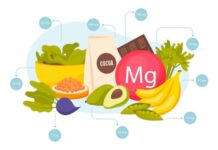
One nutrient we think of when we talk about craving chocolate during the week before the start of the menstrual period is magnesium. The whole story may not be quite so clear in terms of the single nutrient solution, but part of it is, in a strange way.
The nutrient magnesium significantly affects the body, right from the relaxation of the muscles to the direction in which nerves fire, how it counters normal tension, and the way it balances the chemicals in the brain. If the body doesn’t have sufficient amounts of this nutrient, PMS symptoms seem to intensify, such as cramps, headaches, and fatigue.
Some data show that the level of magnesium changes during the course of the menstrual cycle. It is suggested that people with more severe symptoms might need a little more magnesium. Dark chocolate also contains measurable quantities of magnesium, which may contribute to its attraction during this time.
However, lacking the craving or desire to eat chocolate by itself doesn’t necessarily mean that the individual might have a magnesium deficiency. Although chocolate does contain magnesium, it isn’t a reliable solution for correcting a magnesium deficiency.
Instead, it can be said that the consumption of chocolate might have a direct relation to the stability provided to the nervous system, leading to the stress that comes in the luteal phase.
Read More: How Much Dark Chocolate Is Too Much? Doctors Explain Safe Daily Limits
Blood Sugar Changes and Period Cravings
Another vital element, often overlooked, is the significant effect blood sugar levels have on cravings for chocolate during this process. During the menstrual period, the levels of insulin resistance fluctuate in the body.
Additionally, in the luteal phase, the body’s responsiveness to insulin decreases. As a result, the levels of glucose absorbed by the body decrease, causing blood sugar levels to fluctuate between meals.
When blood sugar drops, the brain looks for quick energy. Foods that combine sugar and fat are especially appealing because they deliver fast glucose along with a longer-lasting feeling of satisfaction.
This is exactly what chocolate combines. During PMS, when the body already has a way of regulating its energy, chocolate acts like the fastest way to stabilize everything in your body.
This also explains why cutting calories too strictly, skipping meals, or consuming too much caffeine can induce PMS cravings. When blood sugar is irregular, the chocolate cravings are definitely boosted and enhanced, not diminished.
Why You Crave Chocolate More Than Other Sweets

If cravings were simply related to sugar, anything sweet would do. Chocolate craving during a particular time has a unique specificity to it. Chocolate craving has a unique composition to it.
Chocolate contains quick energy in the form of sugar, satiating fats, and substances in the chocolate itself, which affect the chemicals in the brain in a different way than any other sweet. These affect the dopamine level, which in turn engages the reward systems in the brain more clearly.
Finally, the taste, smell, and feel, and how chocolate melts on the tongue, altogether make it a soothing, safe feeling in the brain.
In certain cultures, chocolates are often defined as a form of tasty food, a stress reliever, and a comfort food. Eventually, the brain conditions itself to associate chocolates with emotional relief in periods of menstruation.
Does Craving Chocolate Mean You Should Eat It?
Cravings are not orders but rather a form of communication asking for something, not necessarily a bar of chocolate.
Furthermore, ignoring a craving can backfire. Research on eating behavior shows that strict restriction often makes the desired food more noticeable in your thoughts. This can increase the risk of rebound eating, especially during hormone-sensitive phases like the luteal phase.
For many people, enjoying a small amount of chocolate mindfully during the PMS week can actually be more satisfying than avoiding it altogether and may reduce the urge to binge.
Having chocolate as part of a balanced meal or choosing darker varieties tends to support better blood sugar control than eating chocolate on an empty stomach.
How to Reduce Intense Chocolate Cravings (If They Feel Unmanageable)
Chocolate cravings can be extreme when they start during your period, and the objective is not to eliminate such cravings but to manage them effectively. Good levels of sugar in the blood can effectively reduce cravings due to the demand for quick energy. It is therefore important to eat meals frequently and combine them with protein and complex carbohydrates.
Sleep and stress strongly influence serotonin and dopamine levels, but allowing yourself to enjoy chocolate intentionally during the luteal phase can also help reduce the intensity of cravings rather than increase them.
When Period Cravings May Signal Something Else
While most period chocolate cravings are normal, unusually intense or compulsive cravings, especially when paired with severe mood symptoms, depression, or signs of PMDD, may indicate that additional support is needed.
In such cases, underlying hormonal dysregulation, nutritional deficiencies, or mood disorders may be amplifying the response and should be discussed with a healthcare provider.
The Practical Takeaway
Cravings for chocolate during menstruation are not a whim but a normal biological reaction. The increase in the need is fueled by the changes in hormones, neurotransmitters, and energetic balance.
When estrogen and progesterone wobble, serotonin dips, and dopamine nudges you toward reward, the call of chocolate grows louder. These cravings are also shaped by the body’s changing magnesium needs and natural blood sugar swings during menstruation.
When understood this way, chocolate cravings stop being something to fight or feel guilty about. Instead, they become useful signals, inviting smarter, more supportive choices that honor what the body actually needs, without overindulgence or deprivation.
References
- Aime, M. (2025, May 9). Why you’re craving chocolate on or around your period. GoodRx.
- Lazar’s Chocolate. (n.d.). The science of sweet relief: How chocolate soothes the mind. Lazar’s Chocolate.
- UltraHuman. (n.d.). Why you crave chocolate on your period and truth behind hunger and your cycle. UltraHuman Blog.
- Samphire Neuroscience. (2025, October 23). Why do some women crave chocolate before their period? Samphire Neuroscience.
- Merck & Co., Inc. (2026). Menstrual cycle. In MSD Manual: Consumer version.
- Meule, A. (2020). The psychology of food cravings: The role of food deprivation. Current Nutrition Reports, 9(3), 251–257.
- OUP. (2025). Why do some women crave chocolate before their period? European Human Rights Review, 138(590–591), 61.
In this Article