











Watching your daughter mature and navigate puberty is a significant milestone for both parents and children. As their bodies begin to change, questions, concerns, and doubts about reproductive health are perfectly natural. A gynecologist can provide knowledgeable guidance, support, and care during this important transition.
According to the American College of Obstetricians and Gynecologists (ACOG), girls should get their first gynecologic consultation between the ages of 13 and 15.
However, many parents may not realize that they should schedule a teenage girl’s first gynecologist appointment between the ages of 13 and 15. “Gynecologic care for the girls falls into what is called a gap,” says the Yale Medicine Pediatric & Adolescent Gynecology (PAG) chief Alla Vash-Margita, MD. “And we can help bridge that gap.”
During this initial visit, you can establish a relationship with a gynecologist, discuss any concerns you may have, and receive information on STIs, menstrual health, and contraception. Importantly, unless there are specific symptoms or problems, this first visit typically does not include intrusive tests, such as pelvic exams.
The purpose of this article is to help you prepare for your daughter’s first gynecologic visit, reduce your anxiety, and arm you with knowledge.
Read More: 7 Best pH-Balanced Feminine Washes for Vaginal Health
Why Early Gynecologic Care Matters for Teens
Gynecology is frequently associated with adult women maintaining their reproductive health or undergoing yearly examinations. However, what about younger patients who are dealing with puberty, menstruation, and occasionally complicated medical conditions? These patients include preteens, teens, and young adults. This is where pediatric and adolescent gynecology becomes essential.
Every stage of a woman’s life—including adolescence and times when she is not sexually active—is essential for maintaining reproductive health. According to Stephanie Teal, MD, obstetrician and chief gynecologist at University Hospitals, it’s crucial to start treatment with a gynecologist early so that they can be a reliable resource for your daughter if any issues occur.
Teenagers facing regular developmental changes, menstrual problems, or puberty-related concerns require specialized gynecological care tailored to their age group. Early engagement with a qualified gynecologist provides numerous benefits, as specialists in pediatric and adolescent gynecology can provide age-appropriate information about their bodies and health.
Doctors and other qualified healthcare professionals must treat young people with kindness, compassion, and respect when seeking gynecological care, especially for the first time. Children and teenagers are not little grown-ups. As they develop, they need age-appropriate care and consideration of their physical and emotional needs.
Adolescence is a time of many changes, inquiries, and occasionally health issues. Pediatric and adolescent gynecologists’ training aims to meet children and adolescents where they are regarding their physical, emotional, and developmental stages. While providing information and comfort, they assist patients with everything from early puberty and congenital disorders to pelvic pain and menstrual problems.
More significantly, these early consultations offer an opportunity to establish trust and familiarity with healthcare environments, ensuring that teens are already at ease discussing their health and asking questions as they mature into young adults.
What’s the Recommended Age for a First Visit?

Routine wellness examinations with a gynecologist are a vital component of women’s healthcare. Most women benefit from regular well-woman visits, during which their gynecologist performs preventive examinations, screenings, and treatments to maintain health at all life stages.
As a parent, prioritizing your child’s health is equally important. Most American girls experience their first menstrual cycle between ages 10 and 15. When your children reach puberty, it’s crucial to discuss menstruation so they understand what to expect.
According to Dr. Sarah Beebe of Novant Health Glen Meade OB/GYN in Wilmington, several variables can influence the optimal age for a first GYN visit. However, in general, the American College of Obstetricians and Gynecologists (ACOG) recommends an age range.
According to Beebe, “between the ages of 13 and 15, they advise that a girl have access to a reproductive health conversation.”
However, you should consider scheduling an earlier appointment for several reasons:
- If your daughter’s menstrual cycles begin before age 12
- If she experiences severe period symptoms, such as heavy bleeding or severe cramps
- If she hasn’t started menstruating by age 16
- If she shows signs of early puberty before age 8
Discuss with your daughter what to expect before her first appointment. While it’s normal for girls to feel anxious or embarrassed, this is an excellent opportunity to emphasize the importance of preventive healthcare. Even if your daughter is healthy and feels well, she still needs preventive gynecological care to maintain her health.
Read More: Top Vaginal Health Supplements You Can Buy Online (Probiotics, Prebiotics & More)
Common Reasons for a First OB-GYN Visit
All concerns leading to a first OB-GYN visit are normal and legitimate. Common reasons include:
Menstrual Issues: Periods that are painful, heavy, too frequent, or too infrequent warrant evaluation. If a girl is 16 years old and hasn’t started menstruating or hasn’t entered other stages of puberty (such as pubic hair), Dr. Wurzbacher would recommend a gynecologist.
Referrals from Other Specialists: Teens might be referred from pediatrics or dermatology for hormonal acne treatment or for issues with tampon use, which can sometimes involve anatomical concerns with insertion or removal.
Behavioral Changes: Parents might consider a gynecologist visit if they notice changes in their teen’s behavior or habits that could be health-related.
Teen’s Request: If your child asks about seeing a gynecologist, that’s an excellent reason to schedule a visit. They might feel more comfortable discussing certain topics with a healthcare provider than with family members.
What to Expect at the First Appointment

The first gynecologist visit usually focuses on establishing care and does not include a pelvic exam. The majority of the doctor’s visit will be devoted to talking about your teen’s medical history, menstrual cycle, any discomfort, and whether or not she engages in sexual activity.
Your child’s provider will also want to ask specific questions about your child’s development and other relevant details during the session. Additionally, it’s an opportunity for your teen to become more comfortable with their provider by getting to know them better.
If a physical examination is necessary due to specific symptoms or concerns, it may include some or all of the following:
- External genital examination
- Breast examination
- In rare cases, a pelvic examination using a speculum to check the cervix, vagina, ovaries, and uterus for abnormalities, particularly if there are concerns about sexually transmitted infections
It’s important to remind your daughter that she has control over her body and can decline any part of the examination that makes her uncomfortable.
Read More: 18 Effective Home Remedies For Irregular Periods That You Need To Be Aware of
Helping Your Daughter Feel Comfortable
You can support your daughter in feeling comfortable, confident, and empowered during her first gynecologist appointment through several strategies:
Start Early Conversations: Discuss the appointment well before the visit so she can process any fears or misconceptions. Help her understand what the appointment may involve and emphasize that it’s a normal, healthy step in growing up.
Choose the Right Provider: Consider selecting a pediatric gynecologist or practitioner experienced in working with teenage patients. These specialists address youth-specific needs with age-appropriate language and respectful explanations.
Encourage Questions: No matter what concerns your daughter has—whether about relationships, growing up, periods, or STIs—encourage her to ask questions. Providing accurate information builds her understanding, confidence, and ability to advocate for her health.
Normalize the Experience: Frame the visit as a responsible and natural transition—part of maturing and taking care of her health. Many young people leave their first gynecologist visit feeling less anxious and more empowered.
When It’s More Than Just a Check-Up
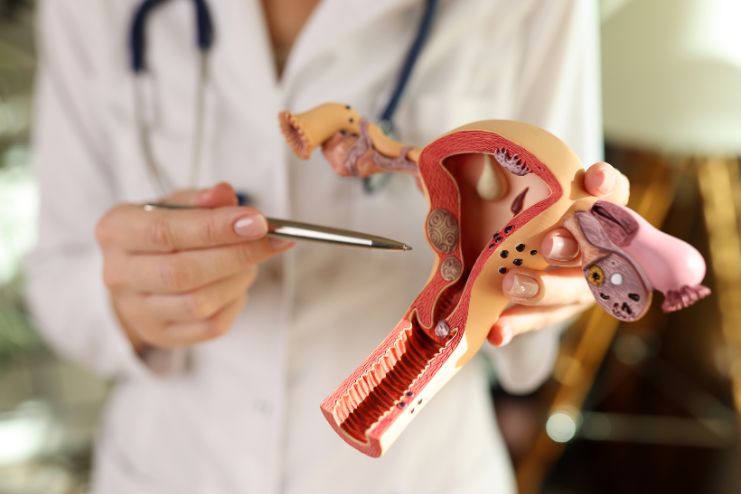
Routine gynecologic appointments are a healthy and normal part of growing up. However, there could be a number of warning signs that indicate something more serious requiring attention from a doctor.
- A gynecologist can help determine the cause of heavy, painful, or unusual periods and prescribe appropriate treatment.
- Gynecologists can also address issues concerning uncomfortable urination, pelvic pain, or other reproductive and gynecological health issues.
- Missed periods are an obvious warning sign, especially if your daughter’s cycles have been irregular for several months or have stopped completely for no apparent reason. It may indicate some hormonal imbalance or other medical checkup.
- On rare occasions, some girls show signs of early puberty before the age of eight, and while there can be a physical and mental impact on the body, it is best to have the management of a physician.
Read More: Best Non-Toxic Period Products for a Healthier Cycle: Eco-Friendly & Safe Alternatives
Confidentiality, Consent, and Respecting Teen Privacy
Adolescents benefit from confidential healthcare because it promotes access to care and encourages open dialogue about sensitive topics that significantly impact their health and well-being.
Healthcare professionals working with minors, including obstetricians and gynecologists, must understand federal and state laws regarding confidentiality. The healthcare provider should provide private counseling time with the teen patient.
In many states, unemancipated minors have the right to seek and receive confidential services for contraception, pregnancy testing, prenatal care, and delivery services. Similarly, many states allow unemancipated minors to seek confidential medical services for STI prevention, diagnosis, and treatment.
Healthcare providers should inform both adolescents and their parents or guardians about confidentiality policies, explaining what information will be kept private and any limitations to confidentiality.
OB-GYNs receive specialized training in handling sensitive topics professionally, discreetly, and compassionately. They work to respect patients’ autonomy and dignity while ensuring they feel supported and comfortable. This approach promotes positive attitudes toward their bodies and medical care as adolescents mature.
Read More: Understanding Pelvic Health: Common Issues and Maintenance Tips
Conclusion
Your daughter’s first gynecology visit represents an important milestone that can instill confidence in taking care of herself and making informed health decisions. While parents and adolescents may initially feel apprehensive, understanding what to expect and creating a supportive, trusting environment can help overcome these concerns.
This visit is about guidance, support, and education, not just medical tests. Your gynecologist can assist with everything from menstrual and skin issues to facilitating important health conversations.
As a parent, you can ease this transition by choosing a healthcare provider who shares your values, supporting your daughter’s growing independence, and maintaining open communication that promotes her health and well-being.
FAQs
Will my daughter have a pelvic exam during the first visit? A pelvic exam is rarely performed during a first gynecologist visit unless there are specific medical concerns. The initial visit typically includes a general health assessment, developmental discussion, and building a doctor-patient relationship.
What should she wear or bring to the appointment? She should bring her medical history, a list of questions and concerns, and wear comfortable, easily removable clothing.
Is it appropriate to see a gynecologist before becoming sexually active? Yes, doctors recommend that teens consult a gynecologist before becoming sexually active, preferably between ages 13 and 15. This early visit enables discussions about contraception options, sexual health, and other important topics to ensure teens are informed and prepared.
Can a teen see a gynecologist without a parent present? Yes, minors can often see a gynecologist without parental knowledge or presence. Many OB-GYN clinics and offices allow teens to make appointments and receive care independently, though this varies by state and clinic policies.
References
- https://www.yalemedicine.org/news/when-do-girls-need-a-gynecologist
- https://kidshealth.org/en/parents/first-gyn-exam.html
- https://www.michiganmedicine.org/health-lab/when-and-why-teen-should-start-seeing-gynecologist
- https://www.bobgyn.com/when-to-schedule-a-girls-first-gynecologist-visit-a-guide-for-parents/
- https://jacksonhealth.org/what-parents-and-teens-need-to-know-about-early-gynecological-care/
- https://womenshealth.stonybrookmedicine.edu/youngpeople
- https://carlosparnellmd.com/why-pediatric-teen-gynecology-matters-and-how-to-support-the-transition-to-adult-care/
- https://www.uchicagomedicine.org/forefront/pediatrics-articles/when-should-a-young-girl-visit-a-gynecologist
- https://www.acog.org/womens-health/experts-and-stories/the-latest/should-my-teen-see-an-ob-gyn-heres-what-i-tell-parents
- https://www.trihealth.com/provider/Constance-A-Wurzbacher/775172
- https://madisonwomenshealth.com/womens-health/teen-first-gynecology-appointment/
- https://www.acog.org/clinical/clinical-guidance/committee-opinion/articles/2020/04/confidentiality-in-adolescent-health-care
- https://code-medical-ethics.ama-assn.org/ethics-opinions/confidential-health-care-minors
- https://www.contemporaryobgyn.net/view/privacy-and-adolescent-patient
- https://www.thechristhospital.com/physician-details?Provider=%23003GTY2BF
- https://www.thechristhospital.com/healthspirations/obgyn-and-your-teen
- https://www.novanthealth.org/healthy-headlines/when-should-my-teen-start-seeing-a-gynecologist
In this Article