













A child comes back from playing outside. Maybe they were helping in the kitchen with lime, or running through garden plants, or squeezing oranges on a sunny day. By evening, the skin looks red. The next day, there are painful blisters. Parents often panic because it looks like a burn, an allergy, or even an infection.
One condition that creates this exact confusion is phytophotodermatitis, a skin reaction caused by plant chemicals and sunlight together.
Most mild cases settle with simple care. But when blistering becomes severe, it is not something to just “wait and watch.” Some situations actually need urgent medical attention, especially in children, because their skin is more sensitive and fluid loss happens really faster.
This article is written for parents who want clear red flags, not vague advice. The perspective here is practical and based on how this condition actually presents in children seen in clinics and emergency rooms.
What Is Phytophotodermatitis and Why Does It Happen in Kids
Phytophotodermatitis is not an infection and not a normal sunburn. It happens when a child’s skin touches certain plant juices or oils, and then the skin is exposed to sunlight (UV rays). The plant substances make the skin extra reactive to UV light. This creates a burn-like injury.
Common triggers around children include:
- Lime, lemon, orange juice
- Celery, parsley
- Fig plants
- Wild weeds or grass with sap
- Some perfumes or plant-based oils
Why kids get it more easily:
- They play outdoors longer
- They touch plants without noticing the sap
- They don’t wash their hands quickly
- Their skin barrier is thinner
The reaction is often delayed, which makes it tricky. The rash may show up 12–48 hours later, so parents don’t connect it to the real cause.
What Severe Phytophotodermatitis Looks Like
Severe cases are not just “a rash.” They behave more like chemical burns.
1. Early Signs (First 24 Hours)
In the beginning, it can look harmless:
- Redness in patches
- Mild swelling
- Burning or stinging feeling
- Skin warmth
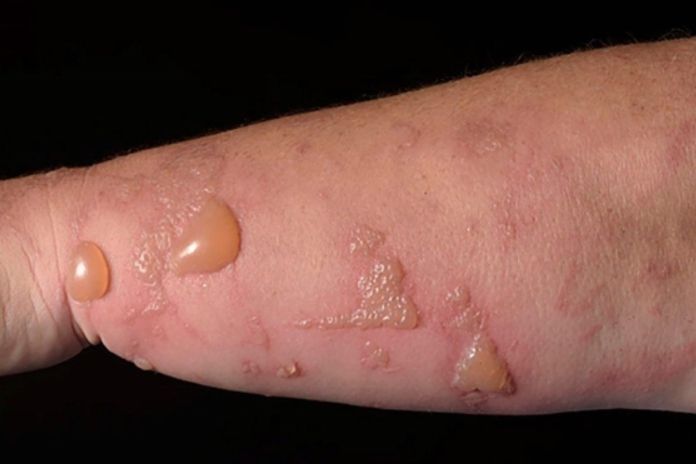
Important clue: The pattern is often strange, like fingerprints, streaks, drip marks, or hand-shaped patches. This is because the plant juice spreads unevenly.
“Phytophotodermatitis commonly happens on the hands, on the wrists — has an appearance that shows where the juice drips down the hands,” says Dr. Joshua Zeichner, a dermatologist. “In other cases, there may be tiny dots that represent where the juice sprayed onto the skin when squeezing a lime.”
This unusual shape is often what helps doctors distinguish it from allergies or infections.
2. Advanced Stage (24–72 Hours)
This is when severe blistering appears. Parents usually get alarmed here. Signs include:
- Large fluid-filled blisters
- Painful raw skin underneath
- Rapid swelling
- Skin looking like a scald burn
- Child avoiding movement because of pain
Blisters may appear on:
- Hands (after squeezing citrus)
- Legs (after outdoor plants contact)
- Face or neck (after juice splashes)
At this stage, the risk of secondary infection increases, especially if blisters break.
3. Healing Stage (After a Few Days)
Even after blisters heal, many children develop:
- Dark brown pigmentation
- Patchy marks lasting weeks to months
- Skin sensitivity to sunlight
This pigmentation is not scarring, but it can look dramatic. Parents should know: the mark lasting long does not always mean permanent damage.
When to Go to the ER (Red Flags for Parents)
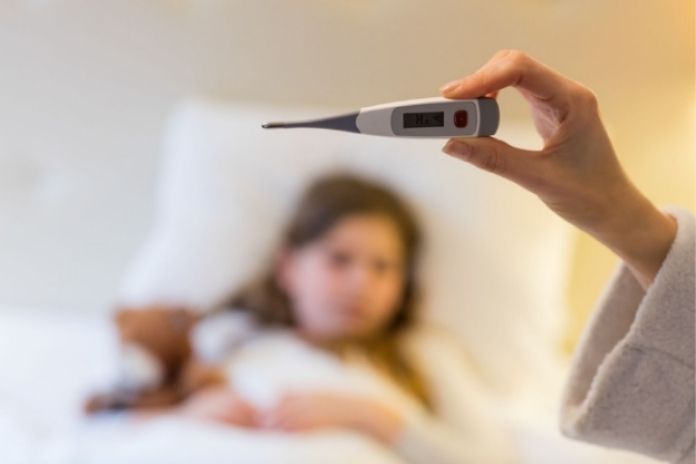
This is the most important section. Most parents delay because they think it is “just a reaction.” But severe phytophotodermatitis can become medically serious.
Go to the ER or urgent care immediately if:
1. Blisters Are Large or Spreading Fast
If blisters cover a big area or keep expanding for hours, it needs medical evaluation. Children can lose fluids quickly through damaged skin.
2. Involvement of Face, Eyes, or Genitals
Any blistering near the eyes, lips, inside mouth, and private areas should not be managed at home. These areas are delicate, and complications develpo rapidly.
3. Severe Pain That the Child Cannot Tolerate
If the child is crying continuously or cannot sleep due to burning pain, it is beyond simple home care. Pain control may require prescription treatment.
4. Fever or Signs of Infection
Phytophotodermatitis itself does not cause fever. So if fever develops, think of infection.
Warning signs:
- Pus or yellow discharge
- Increasing redness around the blister
- Bad smell
- Child becoming lethargic
5. Blisters Look Like Deep Burns
If the skin appears white, grey, or deeply peeled, it may need burn-type care, not routine rash care.
6. Child Is Very Young (Infant or Toddler)
Smaller children dehydrate faster and cannot communicate pain well. Any significant blistering in the under-5 age group should be assessed early.
7. Blisters Prevent Normal Movement
If blisters are over joints (hands, knees, elbows) and the child cannot bend properly, doctors may need to dress it properly to prevent stiffness and scarring.
8. Breathing Issues or Swelling of Lips
Rare, but if there is swelling of the lips, tongue, or breathing difficulty, treat it as an emergency.
When It’s Safe to Manage at Home
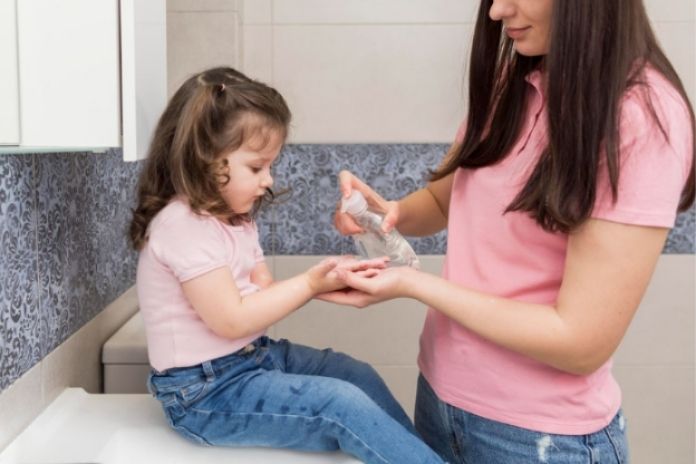
Home care is only safe when:
- Rash is mild
- Blisters are small and limited
- The child is comfortable
- No fever
- No sensitive areas involved
Basic home steps:
- Wash the area gently with soap and water
- Cool compress (not ice directly)
- Keep skin covered from sunlight
- Do not pop blisters
- Use a bland moisturiser or a doctor-advised cream
Avoid home remedies like toothpaste, turmeric paste, and strong antiseptics. These irritate damaged skin more. If unsure, always choose doctor review.
What Doctors Do in Severe Cases
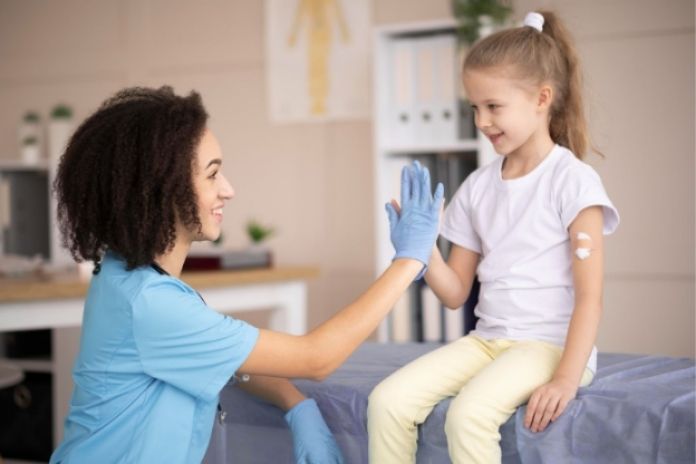
Parents often fear hospitals because they imagine “big treatment.” But medical care is usually supportive and protective.
Doctors may perform/advice:
1. Wound and Burn Care
- Sterile dressings
- Non-stick bandages
- Protection from infection
2. Prescription Topical Steroids
To reduce inflammation in the early stages.
3. Pain Relief
Stronger medicines if needed.
4. Infection Prevention
If blisters are open, antibiotics may be prescribed.
5. Fluids (Rare but Important)
If blistering is extensive, IV fluids may be needed.
6. Referral to a Dermatologist or Burn Unit
For very large reactions.
The key benefit of medical care is preventing complications, not just treating rash.
Read More: What Causes Milia? Tiny Bumps That Look Like Whiteheads but Aren’t
How to Prevent Future Reactions
Parents don’t need to stop children from playing outdoors. Prevention is about awareness.
Practical prevention:
- Wash your hands after handling citrus fruits
- Don’t let kids play with lime/lemon outdoors in the sun
- Rinse skin if plant sap exposure happens
- Use sunscreen if gardening outdoors or going on picnics
- Avoid plant-based perfumes on sunny days
Dermatologists emphasize that timing matters just as much as contact. “Avoiding contact with plants or plant products that can trigger this reaction before stepping out into the sun is key — and consider avoiding skin-care products that contain citrus extracts before going outside too,” suggests Dr. Tsippora Shainhouse, a dermatologist.
Simple rule: Plant juice with sunlight over time means a reaction. Early washing reduces the risk a lot.
If the discoloration sticks around longer than you’d like — fading creams can reduce the pigmentation, says Dr. Tsippora Shainhouse, who recommends looking for products that contain ingredients like hydroquinone, kojic acid, and azelaic acid, which all affect melanin production.
Read More: 10 Everyday Triggers of Atopic Dermatitis (Eczema) Flare-Ups—and How to Avoid Them
Long-Term Skin Care After Blisters Heal
Once healing starts, parents focus on the marks left behind. Aftercare includes:
- Daily moisturizing
- Sunscreen on healed areas
- Avoid scrubbing pigmentation
- No bleaching creams without a doctor’s advice
Pigmentation usually fades slowly over months. If marks persist beyond 6–8 months, a dermatology review helps.
Also watch for emotional impact: children may feel conscious if marks are visible. Reassurance matters.
Read More: Top Footwear & Sock Tips to Prevent Atopic Dermatitis Flare-Ups on Your Feet
Final Thoughts
Severe phytophotodermatitis is one of the most misunderstood skin injuries in children because it looks like burns, an allergy, or even abuse.
Parents should remember: It is a chemical-sun reaction, not an infection. Mild cases heal well. Severe blistering needs urgent care. Early treatment prevents scarring and infection.
Knowing when to go to the ER is the difference between simple recovery and avoidable complications.
- Severe phytophotodermatitis blistering in children can behave like a burn, not just a simple rash..
- Visit ER if blisters are large, painful, spreading, or involve the face/genitals.
- If fever occurs, infection must be ruled out urgently.
- Prevention is mostly about washing plant juices off skin quickly before sunlight exposure.
- There is still limited paediatric-focused guidance on how much blistering should be treated like burns versus dermatologic rash.
FAQs
1. Is phytophotodermatitis contagious?
No, it cannot spread from one child to another.
2. Does it always cause blisters?
No, mild cases may only cause redness and pigmentation.
3. Can I apply antiseptic creams at home?
Only mild bland creams are safe. Strong antiseptics may worsen irritation.
4. How long do the dark marks last?
Usually weeks to months, fading gradually with sun protection.
5. Should I pop the blisters?
No, popping increases infection risk and delays healing.
References
- Beniwal, S. S., Devasper, M., Bhaskar, Y., Rawat, A., Mehta, P., Sohi, G. S., Jayaraman, A., Khaleel, K., & Dwivedi, A. (2025). Phytophotodermatitis and the effects of parthenium plants in india: a comprehensive review. Annals of Medicine & Surgery, 87(8), 4937–4948
- Cleveland Clinic. (2026, January 23). Phytophotodermatitis: Rash, Causes & Treatment. Cleveland Clinic
- Dumitrescu, G., Jîjie, A.-R., Manea, H. C., Moacă, E.-A., Iftode, A., Minda, D., Chioibaş, R., Dehelean, C.-A., & Vlad, C. S. (2024). New Insights Concerning Phytophotodermatitis Induced by Phototoxic Plants. Life, 14(8), 1019.
In this Article