









Most of us have tried to become healthier by trading burger joints for salads, pumping iron, and spending money on health products. These practices, in moderation, can change lives. What do we do, however, when “healthy living” turns into an obsession?
In contemporary well-being, the mantra is the more-is-better principle: more green juice, more exercise, more supplements, more cleanses. Social media reinforces this message, for example, through clean eating challenges or ultra-high-intensity exercise regimens.
But becoming “too healthy” is risky. Eliminating too many foods, overtraining without adequate rest, or supplementing excessively can lead to problems. This especially leads to deficiencies, stress injuries, and even mental illness.
This article examines the risks associated with excessive health obsession, including warning signs, potential dangers, and, most importantly, strategies for achieving balance and enhancing your health journey without letting it consume your life.
Read More: Orthorexia vs. Anorexia: The Overlooked Eating Disorder You May Not Know
What is “Too Healthy” Really?

Health should free people, not trap them. But sometimes routines that start with the best of intentions stray into stiffness.
Healthy Discipline vs. Obsession:
- Discipline: Eating a healthy salad for lunch most days, but not losing it if you also eat pizza with friends.
- Obsession: Feeling guilty for consuming even a single “off-plan” meal, or doing twice the exercise in a day to “catch up” on it.
True health is flexible. Obsession robs that elasticity and replaces it with anxiety and strict control.
Orthorexia Nervosa:
A classic example is orthorexia nervosa, an eating disorder in which weight loss is not the aim, but rather purity. Someone with orthorexia may cut out entire food groups (grains, dairy, oils), eat at restaurants never, or spend hours on end scanning ingredients to consume “clean.”.
A study found that orthorexic behaviors were increasing among those who were highly exposed to online health and well-being information.
The irony is real. While trying to be “perfectly healthy,” people may end up being malnourished, lonely, and troubled.
Signs You’ve Gone Too Far
Healthy habits become unhealthy when they interfere with daily functioning, relationships, or overall health. Let’s discuss some of the most frequent red flags.
a) Eating Habits:
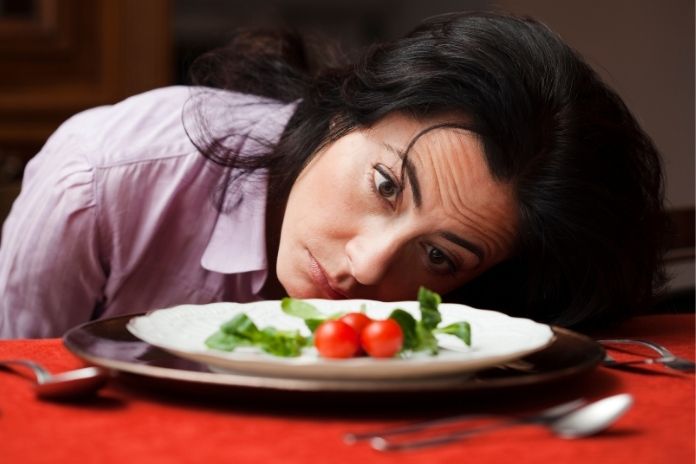
Eating habits that make you avoid a food group altogether. You label foods as “bad” or “toxic,” and even a small bite is a failure. You get anxious if there’s a slight change in the so-called “healthy” meal plan.
Example: Avoiding cake during a birthday party because you are afraid of the ingredients.
- Extreme obsession with clean or organic food
- Farmers’ markets and organic labels become your go-to places. If not, you’d rather go hungry.
- Fear of dining out or social eating makes you avoid gatherings or parties.
- Dinner invitations from friends are declined to avoid eating unpredictable foods.
Sadly, all this leads to isolation, loneliness, and disconnection.
b) Exercise Behavior:

Another sign of being healthy, but taking it too far, is the way you work out. Overtraining despite injury or fatigue is a red flag.
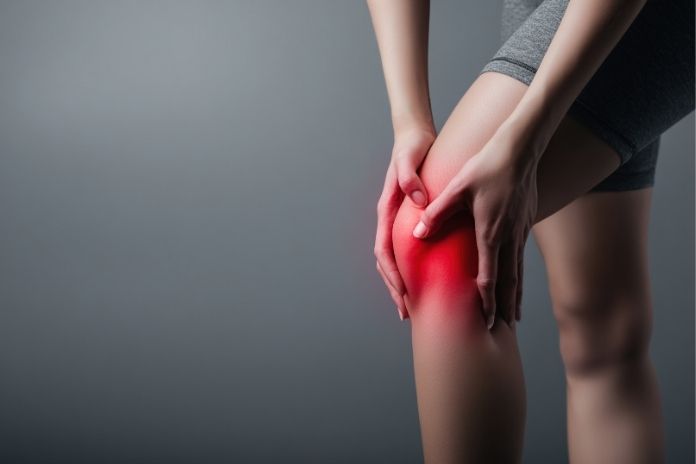
Knee soreness? Ankle sprain? You still get through because skipping a workout is worse than being sore.
- Rest days are often regarded as a weakness, rather than a true rest. One lost session causes concern.
- Exercise takes the front seat, even before relationships
- Prioritizing exercising over family dinners, dates, or even work deadlines.
Insufficient recovery time with overtraining increases risk for stress fracture, hormonal imbalance, and immune suppression.
Read More: Active Recovery: Why Rest Days Don’t Have to Mean Doing Nothing
Wellness Supplements and Products:
Overconsumption of supplements is another issue. Swallowing handfuls of supplements daily for no medical reason, be it probiotics, adaptogens, or detox supplements.
Dr. Naresh Bathla, Consultant Chest Physician and MD in Pulmonary Medicine, warned patients against the overuse of supplements. “It’s a widespread misconception that more vitamins mean better health. In reality, consuming them without confirmed deficiency or a doctor’s advice can lead to toxicity and serious health problems,” he said.
- Natural is not always safe. Believing that drugs or powders will not harm you, even if others have reactions to drugs or produce side effects.
- Not following dosage directions. Doubling vitamin D or iron “just in case” increases the risk of toxicity.
Mental & Emotional Health:
Health Anxiety: If you find yourself constantly thinking that any headache must be a tumor. This disturbs not just your physical but mental health.
Perfectionism: If a person gets anxious over one eating error, it and snowball into self-criticism.
Social Withdrawal: Avoiding events because you’re not included in your health plan is another way being too healthy can harm you. This leads to isolation and deteriorating emotional health.
Physical & Mental Health Risks of Being “Too Healthy
Physical Risks:
Physical risks of the ‘being healthy’ fascination are significant and many. These include:
1. Nutrient Deficiencies:
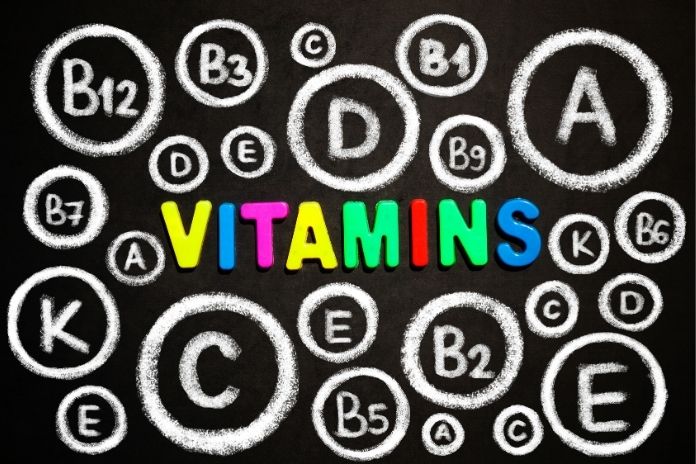
When diets become overly restrictive. That is, when cutting out carbs, fats, dairy, or food groups, your body may not receive the necessary nutrients. For example:
- Iron deficiency can lead to anemia, weakness, and reduced concentration.
- Calcium and Vitamin D are crucial for maintaining bone density; deficiency increases the risk of fractures.
- Vitamin B12 is essential for nerve function and the production of red blood cells; deficiencies can lead to neurological problems.
- Omega-3 fatty acids, which are less than optimal in very “clean” or vegetarian diets, support brain function and reduce inflammation.
Ironically, the pursuit of “eating clean” removes the very life itself that people are seeking, leaving them weaker and more prone to disease.
2. Hormonal Imbalance:
Over-training and under-fueling interfere with the subtle hormonal balances that protect everything from fertility to mood. In females, excessive training and inadequate nutrition can result in amenorrhea (loss of menstrual period). This is a sign that reproductive hormones are being suppressed. Testosterone can drop in men, reducing energy, sex drive, and muscle strength.
The stress hormone cortisol also surges when the body is under chronic physical stress, which disrupts sleep, appetite, and emotional well-being. Over time, this hormonal imbalance affects the bones, cardiovascular system, and even the brain.
3. Immune Weakness:
Healthy living is meant to boost immunity. However, when it is carried too far, the opposite happens. Chronic stress resulting from tight diets or over-training suppresses immune effectiveness. If your body does not have adequate nutrients (e.g., zinc, vitamin C, or protein), your body will not produce as many white blood cells, making you more vulnerable to constant colds, infections, or slow healing of cuts.
Overtrained athletes will also tend to report getting colds or sinus infections more often, which is the signal from the body that the immune system is under threat.
4. Injuries:
The musculoskeletal system thrives on activity but requires recovery to rebuild. When training is relentless with no rest, overuse injuries like stress fractures, tendonitis, and joint aches set in. In contrast to acute injuries (like a sprained ankle), these chronic injuries develop gradually, necessitating extended periods off training.
Worse, forcing through pain is common among those who fear to “lose ground. This can transform minor injuries into chronic conditions, like arthritis or chronic joint instability.
Read More: Anorexia vs. Bulimia: How These Eating Disorders Differ and Overlap
Mental & Emotional Risks
1. Anxiety & Depression:
The mental weight of being “too healthy” generally manifests as increased anxiety. The state of constant concern about the cleanliness of food, exercise habits, or supplement regimens creates non-stop worry. If one habit is not followed completely, it can serve as an excuse for guilt or self-blame.
This inflexibility can spiral into depressive behavior, causing feelings like a lack of initiative, low self-worth, or being stuck. Rather than health being an empowering factor, it is a cause of distress.
2. Loss of Joy:
When wellness becomes the only goal, every activity that once brought you joy, such as eating, exercising, and socializing, feels like a chore. Meals become more like macro and ingredient math problems. Exercise is an unavoidable task, not an opportunity for pleasure or stress relief.
This loss of spontaneity can rob life of its richness. Birthday parties become anxiety-provoking rather than enjoyable. A holiday can become threatening because it disrupts routines. Ultimately, this “joyless health” compromises emotional well-being.
3. Disordered Eating:
The greatest danger is the development of full-blown eating disorders. Orthorexia, while never yet officially included in the DSM-5, shares characteristics with anorexia nervosa and bulimia nervosa. The extreme quest for purity can lead to calorie restriction, severe fasting, or purging.
Disordered eating behaviors, if left untreated, can damage vital organs, create a risk of hospitalization, and cause devastating effects on quality of life.
How to Reset and Find Balance
When healthy living turns into an obsession, the way back isn’t about abandoning your habits; it’s about finding a balance. It’s about loosening them up, adding some flexibility, and refocusing on what counts: living a rich, balanced life. These are real-life tips to reboot:
1. Apply the 80/20 Rule:

The 80/20 rule is a simple yet useful concept. In this, aim for healthy, whole-food meals 80% of the time and leave some flexibility for yourself the other 20%. This is not a permission slip to have “cheat days” or abandon goals. However, it emphasizes that health is best supported by consistency, not perfection.
Why it works: Consistency pays dividends in the long term. The occasional treat helps avoid deprivation, curbs binge eating, and promotes social and emotional well-being.
Pro Tip: You can prepare healthy meals during the workweek, but splurge on a pizza night with buddies over the weekend guilt-free. That flexibility makes your habits sustainable for years, not weeks. You learn to make the best of both worlds.
2. Practice Mindful Eating:
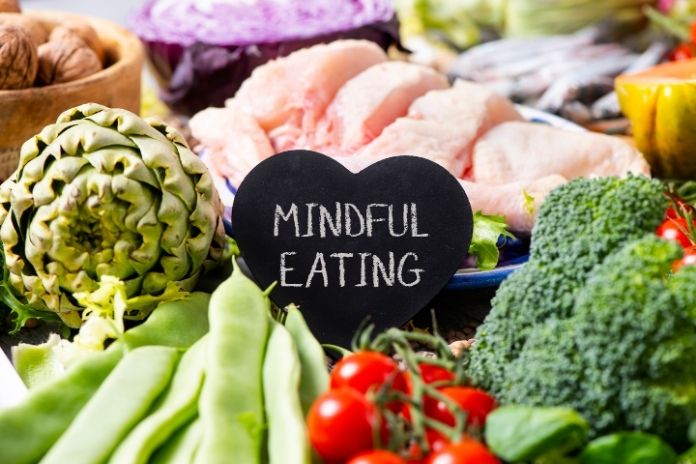
Mindful eating involves sticking to outside “rules,” which teach you how to listen to your body’s cues, such as hunger, fullness, and satisfaction.
How to do it:
- Eat slowly and with attention (e.g., no TVs or phones).
- Be aware of your taste, texture, and how food affects you.
- Pause during the meal and ask yourself: “Am I still hungry, or am I satisfied?”
Benefits: Conscious eating prevents overeating, reduces food anxiety, and causes people to enjoy food without remorse. It is said that it also improves digestion because the body relaxes more when eating consciously.
3. Add Rest to Habits:
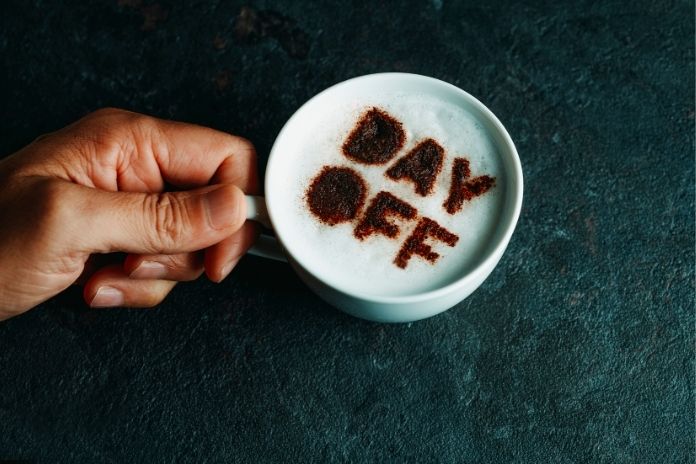
Rest is not laziness. A rest day helps your body restore, build, and adjust during recovery. This is not possible during continuous activity.
Why it matters: Without rest, muscles weaken, hormones get imbalanced, and the risk for injury soars. Mental burnout also leads to frustration and resentment towards exercise.
Practical Tips:
- Schedule one or two full rest days per week.
- Include active recovery (e.g., yoga, stretching, or walking).
- Keep in mind, recovery makes you stronger. You’ll return to training stronger, not weaker.
- Mindset change: Instead of viewing rest days as “lost progress,” consider them “investment days” when your body can build strength and energy.
4. Simplify Supplements:

Supplements should complement health, not replace good sense. The issue is when they’re abused beyond their need.
Regulations to simplify:
- Consult a professional or have a blood test before introducing new supplements.
- Adhere to basics according to your health requirements (e.g., vitamin D if low, iron if anemic).
- Be cautious of “miracle” capsules or powders offered online. Most are unregulated and can interact with medications.
The bottom line: Prioritize whole foods as the first source of nutrition. Supplements are to complete the blanks, not direct your wellness plan.
5. Reconnect with Joy:

Health must improve life, not restrict it. To regain pleasure is to rediscover pleasure in movement, in eating, and in community. Here’s how to regain that lost happiness:
- Enjoy Food: Eat with others and not with a calculator. Enjoy birthday cake, try a new food, or eat a meal prepared by someone else without analyzing every food.
- Joy of Movement: Choose enjoyable activities, not just those which “burn calories.” Dancing, hiking, or swimming might all count as exercise—even if they don’t fit into a formal schedule.
- Social Enjoyment: Rekindle relationships by committing to dinner dates, weekend trips, and spontaneous outings. Shared experiences will engage the mind better than the “ideal” diet ever will.
Getting back to joy is the final answer to health obsession. It reminds you that to be healthy is to live, not to live flawlessly.
When to Seek Professional Help
It may be ideal if you face the following issues:
- Your health routine, meal plan, and thoughts about healthy food dominate your mind all the time.
- You avoid social or professional gatherings to maintain your routines.
- You’re always fatigued, anxious, or injured.
Who can help?
- Doctors help diagnose deficiencies or hormonal issues and treat them effectively.
- Therapists help address anxiety, perfectionism, and eating disorders.
- Registered dietitians help create balanced, realistic eating plans that align with your weight goals and body type.
Conclusion
Health is a lifelong path, but never a sentence. If “being healthy” is something that stresses you out, holds you back, or isolates you, then it’s no longer helping you; it’s hurting you. The message is clear: Healthy living should add to your life, not control it.
A piece of cake, a sick day when you don’t feel well, or skipping a supplement won’t ruin your well-being. However, an obsession with perfection just might be more harmful. Choose balance. Choose freedom. Choose health that allows you to live, not in fear, but with joy.
In this Article