













We don’t talk enough about what happens after a cry.
You’ve just released a wave of emotion, maybe from heartbreak, grief, burnout, or one of those overwhelming days where everything bubbles up at once. The tears have come and gone, your face is warm and blotchy, your throat’s tight, and you feel wrung out, like someone pulled the plug on your energy.
There’s a weird stillness in your body, but also an ache behind your eyes and a craving you can’t quite name. This is the moment when most of us reach for something, anything, that feels like comfort. A bag of chips, chocolate, ice cream, and carbs. And honestly? That’s not wrong. After crying, your body is seeking relief. But there’s a quiet line between soothing and numbing. And not all comfort food is created equal.
Some foods do more than fill a void. They rehydrate you. Replenish electrolytes. Help stabilize blood sugar and ease the stress chemicals still lingering in your system. The right ones can gently support your emotional recovery, without pushing those feelings away or spiking you into another crash.
So let’s talk about what to eat after crying. Not in a restrictive, diet-y way, but in a kind, healing way. Foods that feel good and actually do good. Your body just carried a heavy emotional load. Let’s help it land softly.
What Happens to Your Body When You Cry a Lot?
Before we dive into what to eat, let’s take a moment to understand what crying actually does to your body, especially when it’s not just a few tears, but a full-on emotional release. Because here’s the truth: crying isn’t just mental. It takes a physical toll, too.
You Lose Fluids
Tears aren’t just salty water; they’re made of water, enzymes, electrolytes, and stress hormones. When you cry heavily or for a long time, you lose more fluid than you think. It might not dry you out like a long run in the sun, but it can still leave your mouth parched, your throat scratchy, and you feeling oddly thirsty. That tight, uncomfortable feeling in your face and eyes? It’s your body asking for replenishment.
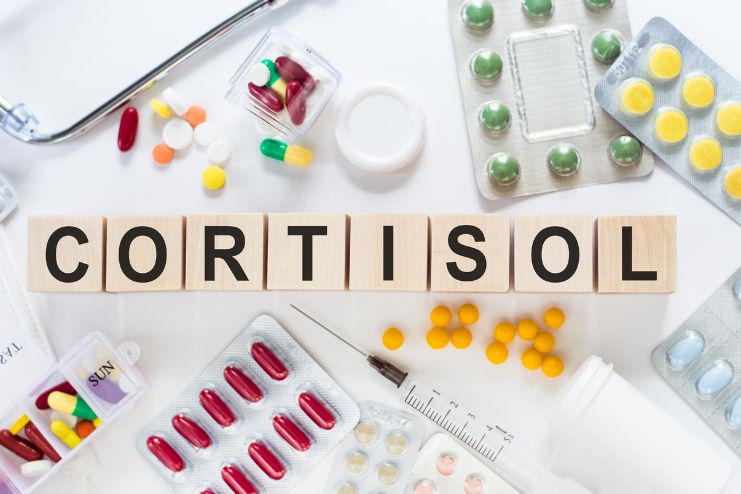
Cortisol Spikes, Then Crashes
Emotional crying is often your body’s response to stress, fear, grief, or overwhelm. When those feelings hit, your nervous system releases cortisol and adrenaline, gearing up as if for a threat. Your heart races, your breathing shifts, your muscles tense.
But once the tears slow down, your body goes the other way: into crash mode. That’s why you might feel foggy, shaky, wiped out, or emotionally hollow afterward.
Physical Side Effects Add Up
Crying is a full-body event. Your face tightens. Your breathing becomes irregular. Your throat and sinuses might hurt from sobbing. You might get a dull headache behind your eyes, feel tension in your jaw or neck, or notice puffiness that lingers for hours. Crying can feel cathartic, but it can also leave you feeling like you’ve been through something. Because… you have.
Your Nervous System Reboots
After that wave passes, something quiet but important happens: your parasympathetic nervous system kicks in. This is your body’s recovery mode, the part that helps you rest, digest, and return to calm.
Supporting this process with the right kinds of nourishment can help you feel more grounded and less emotionally raw. It’s about giving your body the signal: “You’re safe now. It’s okay to rest.”
Dr. Sarah Bonza, M.D., a board-certified physician and founder of Bonza Health, emphasizes that: “Emotional crying releases oxytocin and endorphins. In releasing those chemicals, our body is trying to re-regulate. It can feel really good. It can feel really healing.”
Read More: What Happens to Your Brain When You Cry (And Why It Feels Better After
Nutritional Goals After a Big Cry

After a heavy cry, your body is running on low, low hydration, low energy, and low emotional reserves. You might crave something carby or sugary, and that’s a normal response. But the right food can do more than take the edge off; it can help your body recover. Not just emotionally, but physically too.
Here’s what your body is really asking for after a cry, and how to respond:
- Rehydrate and replenish fluids: Crying doesn’t drain your body like running a marathon, but it does leave you parched. Your mouth is dry, your throat is sore, and your eyes feel tight. Fluids like water, coconut water, herbal tea, or broth-based soups help restore moisture and electrolytes.
- Stabilize cortisol and blood sugar: After a spike in stress hormones, your system crashes. That’s where the emotional hangover kicks in: fatigue, shakiness, and brain fog. To ease this, go for a balanced snack or meal that combines complex carbs with protein or healthy fats.
- Support neurotransmitter function: Nutrients like tryptophan (found in eggs, dairy, turkey), magnesium (in leafy greens, dark chocolate, pumpkin seeds), and B-vitamins (in whole grains and legumes) help your body rebuild serotonin and dopamine levels, which improve calm and emotional clarity.
- Soothe your nervous system: Crying kicks your body into a stress cycle, but recovery begins when your parasympathetic nervous system activates. Warm, soft foods like soups, stews, or warm milk signal safety and calm.
- Reduce inflammation: Puffy face? Stomach discomfort? That’s inflammation talking. Omega-3 rich foods like walnuts, flaxseeds, salmon, or chia pudding can help reduce it. So can antioxidant-rich berries or a gentle cup of green tea.
What this really means is: you need food that’s comforting and functional. Something warm, hydrating, steadying, not something that spikes and crashes you all over again. You’re not just filling a hole; you’re helping your system cope after an emotional storm. That matters.
Let’s talk about what that can actually look like on a plate.
Best Comforting Yet Healing Foods to Eat After Crying
Let’s break down the most effective post-cry foods by category: hydrating, serotonin-supporting, deeply nourishing, and nutrient-dense.
A. Hydrating Heroes
Start here. Even if you’re not crying buckets, your body loses water and salts through tears, rapid breathing, and emotional sweating (yes, that’s a thing).
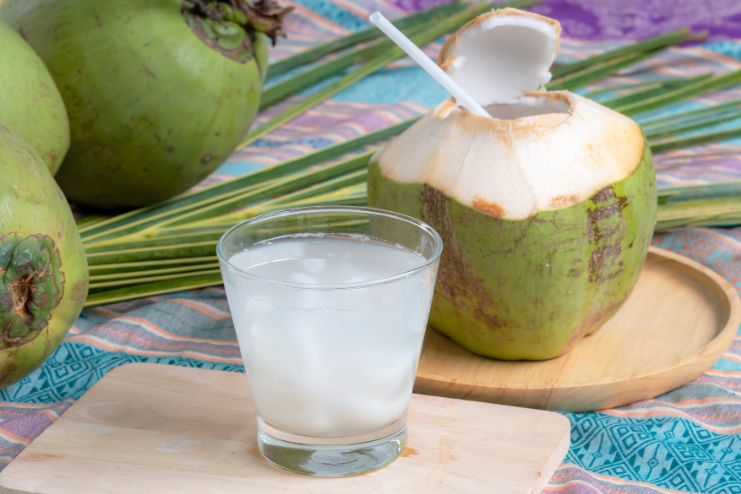
1. Coconut Water
Loaded with potassium and natural electrolytes. Great for rehydration without added sugar. Sip it slowly, cold or room temperature, depending on what feels best.
2. Water-Rich Fruits
- Watermelon cools the system and hydrates fast.
- Cucumber is gentle, alkaline, and refreshing.
- Oranges offer hydration and a boost of vitamin C, which can counteract stress-related inflammation.
3. Warm Herbal Teas
- Chamomile calms the nervous system and soothes a tense stomach.
- Peppermint eases bloating or nausea post-cry.
- Licorice root or fennel tea can help balance cortisol levels gently.
These aren’t just warm drinks, they’re liquid comfort with physiological benefits.
B. Serotonin-Boosting Snacks
Serotonin, the “feel-good” neurotransmitter, takes a dip after crying. These foods support its production naturally.
1. Bananas
They contain tryptophan, a precursor to serotonin, as well as potassium to counter dehydration and calm muscle tension.
2. Dark Chocolate (70% or higher)
Dark chocolate offers magnesium, iron, and phenylethylamine, a compound that can elevate mood. Just a square or two is enough to feel the shift.
3. Oatmeal
Warm, soft, and emotionally grounding. Oats provide complex carbs that help tryptophan cross the blood-brain barrier, boosting serotonin. Add berries or nuts for a nutrient lift.
Dr. Simran Malhotra, an internal medicine and lifestyle medicine physician in Bethesda, MD, emphasizes that Tryptophan is a key protein building block used to make serotonin. Meats such as turkey are rich in tryptophan, but our bodies struggle to convert it to serotonin due to competing amino acids. That’s why a high animal-protein diet can limit serotonin production, whereas tryptophan-rich whole-plant foods such as oats, walnuts, pumpkin seeds, tofu, spinach, and dark chocolate (more than 70% cacao) can boost serotonin levels and promote feelings of calm.
C. Nourishing Comfort Foods
Comfort food doesn’t need to be greasy or processed. Here are options that are both emotionally satisfying and nutritionally smart.
1. Avocado Toast
The healthy fats in avocado help support brain health and hormone balance. Combine with whole-grain bread for lasting energy. Add a sprinkle of chili flakes or lemon for extra zing.
2. Eggs
They’re rich in protein, vitamin B12, and choline, which support energy and cognitive function. Scrambled, boiled, or poached, whatever feels easiest to make in the moment.
3. Soup
There’s a reason we associate soup with healing:
- Miso soup offers probiotics and umami flavor that comforts without heaviness.
- Lentil soup delivers fiber and plant-based protein.
- Chicken broth or congee soothes the stomach and hydrates at the same time.
Soups are especially helpful if your appetite is low post-crying.
D. Magnesium and B-Vitamin Rich Sources
These nutrients are crucial for stress recovery and mood regulation.
1. Almonds or Walnuts
They’re easy to snack on, portable, and packed with magnesium and healthy fats. A small handful can stabilize blood sugar and offer a quick mood lift.
2. Leafy Greens (Spinach, Kale)
You might not feel like eating a salad after crying, but blending greens into a smoothie or tucking them into a wrap can give you B vitamins, folate, and iron, all important for replenishment.
3. Whole Grains
- Quinoa: High in protein and magnesium.
- Brown rice: Grounding and easy to digest.
- Whole-wheat toast: A fast, warm carrier for eggs, nut butter, or avocado.
They help you feel full without the crash that follows refined carbs.
Foods to Avoid After Crying
Some things feel like comfort, but don’t actually comfort. They might offer a momentary high, but often leave you more drained, inflamed, or emotionally scattered than before. After a big cry, your system needs grounding, not more chaos.
Here’s what to skip:
- Caffeine: That post-cry coffee might feel like a pick-me-up, but it’s really a stress amplifier. Caffeine spikes cortisol, tightens your nervous system, and worsens tension headaches.
- Sugary Sweets: Sugar hits fast and crashes even faster. Cookies, soda, or pastries can flood your system with a dopamine rush, then leave you shaky, moody, and more emotionally raw than before.
- Salty Processed Snacks: Chips, instant noodles, or salty crackers might feel emotionally familiar, but they do have a negative impact on your body. Sodium draws water out of your cells, increasing bloating and puffiness.
- Alcohol: It numbs in the short term, but amplifies emotional lows afterward. Alcohol is a depressant that can magnify sadness, mess with your sleep, and worsen dehydration. You’re already tender, don’t layer more volatility onto your nervous system.
A 2005 study (published in 2006) found that caffeine significantly increased cortisol levels in response to mental stress, especially in healthy adults who were regular caffeine users (Lovallo et al., 2006).
This suggests that post-cry coffee might not soothe your system, it could actually amplify your stress response.
Bonus: Gentle Eating Rituals That Calm the Mind

After a cry, your nervous system is tender. Food can help, but how you eat matters just as much as what’s on your plate. Think of it less as a meal and more as a moment to land. A chance to breathe, feel, and reset. Here’s how to make eating a quiet act of self-kindness.
- Create a Quiet Space: Find a spot that feels safe. Light a candle. Pull on your softest hoodie or wrap yourself in a blanket. Dim the lights. Breathe. The world can wait, you’ve earned this pause.
- Eat Without Distraction: Let it just be you and the food. No phone, no TV, no background noise unless it soothes. Notice each bite, its warmth, its texture, how it feels going down. This is a small but sacred way to say: “I’m here for myself.”
- Add Sound or Stillness: Put on a playlist that feels like a lullaby for your nerves. Or let the silence settle around you. If you feel up for it, write. One page. One sentence. One question: What do I need right now? Let the answer come slowly.
- Stay Seated, Stay Soft: Don’t eat standing over the sink. Don’t rush. Sit down. Let your body settle. Give your nervous system time to catch up with your heart. Even ten quiet minutes can shift something inside.
Conclusion
After a cry, you’re not just tired, you’re recalibrating. Crying drains more than tears; it takes energy, electrolytes, and emotional reserves. Your nervous system is shifting from chaos to calm, and your body quietly asks: Now what? This moment matters. What you feed yourself, physically and emotionally, can shape how you land.
That’s where intentional food comes in. Hydrating, serotonin-supporting, mineral-rich foods don’t just comfort, they help repair. They ease the puffy face, the foggy mind, the hollow feeling in your chest. And they remind you: you deserve care, even in your most vulnerable moments.
If all you can manage is something simple, a slice of toast, a piece of fruit, a warm cup of tea, that’s okay too. Because healing doesn’t always look like transformation. Sometimes it looks like feeding yourself, slowly, tenderly, without judgment. That’s enough. That’s everything.
References
- https://www.webmd.com/skin-problems-and-treatments/acne/what-to-know-biotin-acne
- https://www.healthline.com/nutrition/biotin-acne
- https://www.goodrx.com/conditions/acne/supplements-that-cause-acne
- https://clearstem.com/blogs/skin-care-learning-center/why-biotin-is-breaking-you-out
- https://www.hims.com/blog/can-biotin-cause-acne
- https://www.medicinenet.com/do_biotin_supplements_cause_or_treat_acne/article.htm
- https://www.healthline.com/health/biotin-side-effects
- https://synapse.patsnap.com/article/what-are-the-side-effects-of-biotin
- https://www.byrdie.com/can-biotin-cause-acne-5213753
- https://ods.od.nih.gov/factsheets/Biotin-HealthProfessional/
- https://www.kumaglow.co/blogs/acne-root-causes/can-biotin-cause-acne-breakouts
- https://www.calm.com/blog/stress-eating
- https://shegoestosucceed.com/5-morning-rituals-that-boost-focus-calm/
- https://drumanaidoomd.substack.com/p/a-gentle-daily-ritual-for-a-busy
- https://www.calm.com/blog/mindful-eating
In this Article