













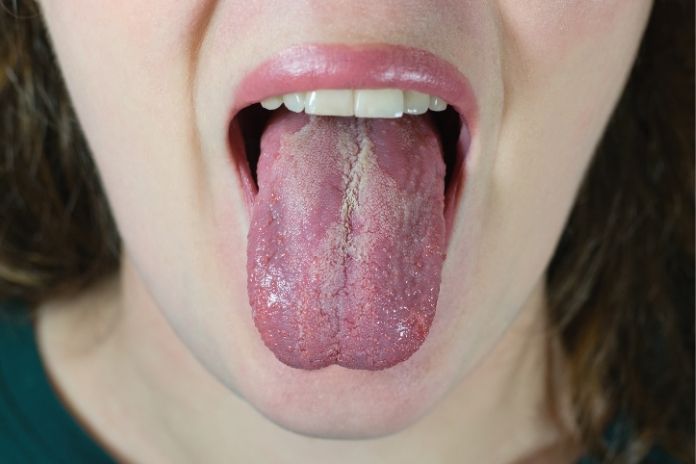
Oral thrush, also called oral candidiasis, occurs when the fungus Candida albicans grows in the mouth. Candida is a yeast that usually lives in the mouth. But occasionally, when yeast multiplies excessively, it can cause noticeable symptoms.
The condition often appears as creamy white spots or patches on the tongue or inner cheeks, though it can sometimes spread to the gums, tonsils, roof of the mouth, or the back of the throat.
Although anyone can develop thrush in the mouth, older people and babies are at greater risk because their immune systems are weaker. Others at higher risk of oral thrush include people with weakened immune systems, certain diseases, and those who take certain medications.
In this article, we will discuss primary causes, signs, treatments, and preventive measures for oral thrush.
Read More: 8 Oral Symptoms That Could Signal Serious Health Problems — From Diabetes to Heart Disease
What Causes Oral Thrush?
The majority of people have trace levels of the Candida fungus in their skin, digestive system, and mouth. A fungus causes thrush when diseases, stress, or medications upset this balance, allowing it to grow out of control.
It could occur for a variety of causes, including:
- Using antibiotics, especially for an extended period of time or at a high dosage
- Using asthma medicine that involves inhaling corticosteroids
- Wearing poorly fitted fake teeth or dentures increases the risk of irritation and infection
- Not practicing good oral hygiene
- Experiencing dry mouth as a result of an illness or medicine
- Smoking
- Receiving radiation therapy or chemotherapy for cancer
Oral thrush is most common in infants, young children, the elderly, and those with specific underlying medical disorders, such as diabetes, iron or vitamin B12 insufficiency, hypothyroidism, HIV, and an underactive thyroid.
Symptoms of Oral Thrush
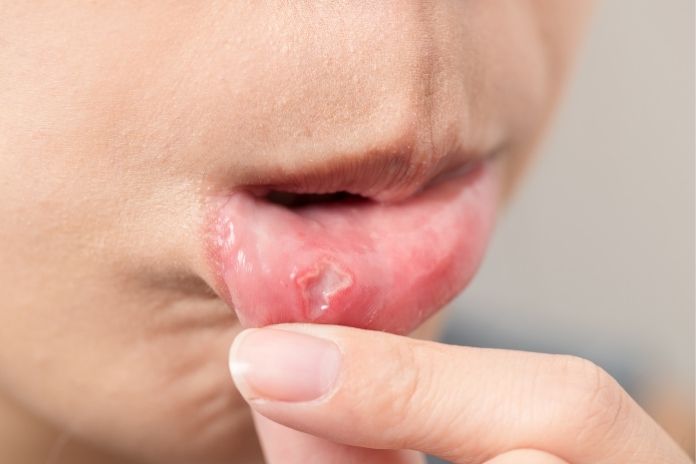
When oral thrush first develops, it may not show any symptoms. As the infection worsens, however, one or more of the following symptoms could appear:
- Your inner cheeks, tongue, tonsils, gums, or lips may have white spots or yellow spots
- If you scrape the places, there will be some bleeding
- Burning or pain in your mouth
- The corners of your mouth have dry, cracked skin
- Trouble while swallowing
- An unpleasant taste in your mouth
- A loss in flavor
- Discomfort, redness, and irritation behind dentures (denture stomatitis)
- A cottony sensation in the mouth
In severe cases, the patches or spots may expand lower into the esophagus, the long, muscular tube that runs from the back of the mouth to the stomach, and is frequently associated with cancer or a compromised immune system from HIV/AIDS. The condition is known as Candida esophagitis. You may experience pain when swallowing or feel as though food is stuck in your throat.
Read More: Dry Mouth at Night: Causes, Symptoms, and Solutions
Diagnosis — How Doctors Confirm Oral Thrush
A physician can generally tell if you have thrush at once by inspection, noting abnormal white spots on the inside of the mouth (cheeks, tongue, etc.). When the white spots are rubbed away, they reveal a red, painful area that may bleed slightly. Thrush may also be determined by taking a tissue sample from the affected area and examining it microscopically.
If your esophagus becomes infected with thrush, your doctor may:
- Take a throat culture by using sterile cotton to swab the back of your throat, then examine the germs under a microscope.
- Have an endoscopy, which uses a lighted camera on the tip of a flexible tube to inspect the lining of your stomach, small intestine, and esophagus.
- You should get esophageal X-rays.
Oral thrush is a yeast infection in the mouth that occurs due to an overgrowth of the Candida fungus. As Dr. Thomas P. Sollecito, DMD, chair of the department of oral medicine at the University of Pennsylvania, explains, this condition can lead to white patches in the mouth and also manifest as a metallic taste with a burning or tingling sensation.
Treatment Options for Oral Thrush
- Treatment for mild oral thrush:
Your doctor can suggest miconazole (Oravig) buccal tablets (which dissolve on your cheek), clotrimazole lozenges, or nystatin liquid suspension for a mild case of thrush.
These oral thrush treatment methods treat the oral area with medicine that is placed directly on the mucous membrane (inside of the mouth). Because they do not get into the system like oral and IV drugs, they have fewer side effects and drug interactions.
- Treatment for moderate to severe oral thrush:
Your doctor might suggest an oral prescription if your symptoms are worse or if none of the drugs mentioned above work. Fluconazole, often known as Diflucan, is the first-choice oral treatment. It comes in pill or liquid suspension form.
Posaconazole (Noxafil) suspension and itraconazole (Sporanox) solution are substitutes for fluconazole if it doesn’t work or you don’t tolerate it well. Only the liquid versions of these drugs are FDA-approved for treating oral thrush, even though they are also available as pills. Other treatments for severe oral thrush are off-label, which means they are being used in a manner that the FDA does not authorize.
These consist of:
- Vfend, or voriconazole
- Ambisome, or amphotericin B
- Cassids, or capsafungin
- Mycamine, or micafungin
Micafungin, caspofungin, and amphotericin B are available only as IV formulations.
How to Prevent Oral Thrush
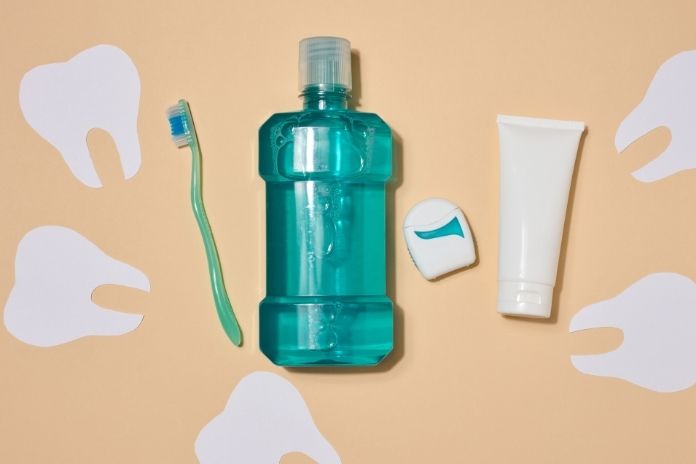
Here are some things to consider if you have thrush:
- Maintain a regular dental hygiene regimen and make an effort to consume yogurt with live, active cultures, particularly if you are taking antibiotics for a chronic illness, to help prevent thrush from developing or returning.
- Replace your toothbrush more frequently. You should change your toothbrush more often than the recommended three-month interval. After the thrush infection clears, you can continue using your toothbrush for up to 3 months or until it starts to look worn out.
- Select any floss. If you have thrush, you can use any dental tape or floss as part of your oral hygiene regimen as long as you utilize the correct method. You can also use an electric flosser.
- Infants and toddlers frequently have thrush because their immune systems are still developing. Healthy toddlers may not require any treatment beyond maintaining good oral hygiene, but if you observe white spots in your child’s mouth, consult your physician or dentist.
- By helping restore a balanced bacterial population in your body, acidophilus bacteria can help treat thrush infections. To combat the disease, your physician or dentist may recommend a short-term antifungal drug. To treat the infection in your baby, the doctor might advise nursing moms to apply an antifungal lotion to their nipples.
Read More: Why Does the Roof of My Mouth Hurt? Causes, Remedies, and Red Flags You Shouldn’t Ignore
When to See a Doctor

Minor symptoms of oral thrush may be relieved by simple at-home dental hygiene, but there are times when it’s necessary to seek medical attention. If the infection recurs after treatment, or if your symptoms persist for more than 1 week despite self-care, see your physician.
If eating is difficult, swallowing is painful, or you notice white spots spreading from the tongue to the tonsils, throat, or other areas of the mouth, seek medical attention immediately. These may indicate that your infection has spread or gotten further into your body.
Conclusion
A common but treatable disease of the mouth, oral thrush, caused by the fungus Candida albicans, can occur in people of all age groups, from infants to the elderly, due to overgrowth of the fungus in the mouth.
Painful mouth irritation appears as white patches that characterize the condition. Most mild cases respond satisfactorily to antifungal treatment combined with good mouth hygiene. Recurrent or persistent infections should be regarded as due to some underlying health condition requiring attention.
Prevention entails establishing a healthy oral environment by avoiding unnecessary antibiotic and steroid use, controlling chronic diseases such as diabetes, minimizing sugar intake, and practicing good dental hygiene. Regular check-ups, early detection, and treatment are essential to the well-being of those with a compromised immune system.
Read More: What Happens If You Don’t Brush Your Tongue? 7 Grave Side Effects!
FAQs
Can oral thrush go away without treatment?
Yes, especially in mild cases, oral thrush can occasionally disappear on its own.
What’s the fastest way to get rid of oral thrush?
Taking antifungal medications as prescribed by your medical professional, practicing good oral hygiene, and avoiding foods that promote yeast or sugar are the easiest ways to get rid of oral thrush and prevent reinfection.
Is oral thrush contagious through kissing?
Yes, you can kiss someone who has oral thrush, but you should probably avoid it because saliva can transmit the thrush. Avoid kissing and other close contact until the disease clears, as it can still spread even if it doesn’t cause a severe infection in everyone.
How can I tell if white patches in my mouth are thrush or something else?
You can often differentiate thrush from other illnesses by checking whether the white patches can be scraped off. Oral thrush typically appears as white patches resembling cottage cheese that can bleed when wiped, leaving red stains. Conditions like leukoplakia and oral lichen planus will also have patches that do not scrape off.
Are probiotics effective in preventing oral thrush?
Probiotics may reduce the risk of Candida overgrowth by restoring a healthy balance of bacteria. Probiotics are not a cure, nor are they intended to be, but they can be helpful in the mouth and gut when used with good habits and medical treatment.
References
- https://www.mayoclinic.org/diseases-conditions/oral-thrush/symptoms-causes/syc-20353533
- https://www.healthdirect.gov.au/oral-thrush
- https://www.mdanderson.org/cancerwise/what-does-oral-thrush-look-like.h00-159617856.html
- https://oralb.com/en-us/oral-health/conditions/oral-thrush/oral-thrush-symptoms-causes-treatments
- https://my.clevelandclinic.org/health/diseases/10956-thrush
- https://www.nhsinform.scot/illnesses-and-conditions/infections-and-poisoning/oral-thrush-in-adults/
- https://www.nhs.uk/conditions/oral-thrush-mouth-thrush/
- https://www.news-medical.net/health/Diagnosis-of-Candidiasis-(Thrush).aspx
- https://belldentalpa.com/news/oral-thrush/
- https://www.goodrx.com/conditions/thrush/oral-thrush-medications
- https://creativedentistryportage.com/understanding-oral-thrush-and-how-to-prevent-it-dentist-in-portage/
- https://www.cedars-sinai.org/health-library/diseases-and-conditions/c/candida-infection-thrush.html
- https://austinhillsdental.com/what-you-need-to-know-about-oral-thrush-dentist-in-bee-cave/
- https://www.mayoclinic.org/diseases-conditions/oral-thrush/diagnosis-treatment/drc-20353539
- https://www.uofmhealthsparrow.org/departments-conditions/conditions/oral-thrush
In this Article