













Hygge offers a tranquil escape from our often frantic, loud, and hectic lives. When the weather turns chilly, we naturally want to slow down, to rest, reflect, and care for ourselves. The Danish have been doing so for centuries, and they call it hygge.
At its heart, hygge isn’t about extravagance or appearances, but about how something makes you feel — whether that’s sipping tea in quiet solitude, having meaningful conversations, curling up on the couch with something that brings you joy, or any small moment that makes you feel warm, snug, and deeply content. These little things help counter the stress of day-to-day life.
Over the past decade, hygge has gained global attention as more people search for ways to protect their mental health and navigate burnout and uncertainty.
This guide explores the true meaning of hygge, the science-backed mental health benefits behind it, and practical, realistic ways to incorporate hygge into everyday life without pressure, excess, or perfection.
Read More: Coping with Seasonal Affective Disorder (SAD): Effective Strategies for Managing Symptoms
What Does Hygge Mean?
The word “hygge” has been used a lot lately, particularly in discussions of lifestyle and home décor trends. However, what does hygge actually mean? And why is it so well-liked? You can interpret hygge as a way of living, a new philosophy you consciously develop and actively embrace.
Although there isn’t a precise English equivalent for the Danish word “hygge,” it roughly means “coziness” or “well-being.” It includes a sense of fulfillment and joy often associated with life’s small pleasures.
Whether it’s in your house or in your everyday life, the idea is to make things feel cozy and welcoming. It’s about slowing down to enjoy the small things and finding delight in them.
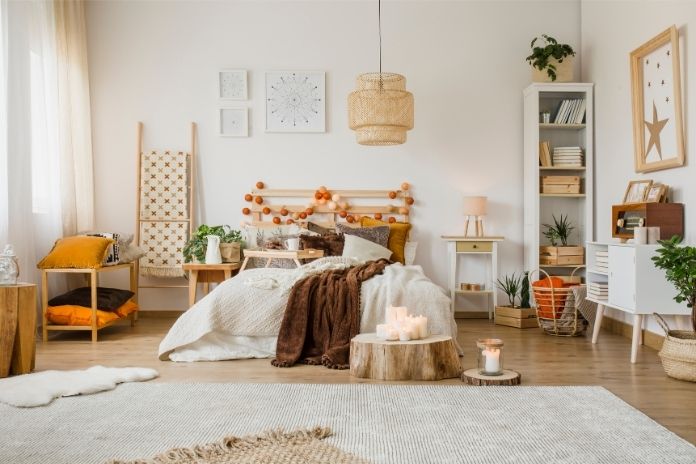
Warm lighting, gentle textures, and organic components such as wood or plants can all help create a hygienic atmosphere. Add blanket, candles, and your preferred hot beverage. Spend time with loved ones and engage in relaxing, comfortable activities.
“Hygge is not so much an activity you choose to do or not do; hygge is more a way of life, one that makes ordinary moments feel special, pleasurable, and meaningful,” according to Meik Wiking, the Copenhagen, Denmark–based CEO of The Happiness Research Institute and the author of The Little Book of Hygge: Danish Secrets to Happy Living.
Why Hygge Is Linked to Well-Being and Happiness
Hygge is, at its core, about enjoying the simplicity and being in the very moment. Finding a cozy contentment in everyday things is far more vital than chasing happiness in large measures or through wealth. The Danish have long known that it is the enjoyment of the little, big, beautiful things that brings joy to passion, rather than the pursuit of it on the outside.
Hygge encourages us to shift our perspective from “I’ll be happy when…” to “I am happy now.” It urges us to stop waiting for the next big event, promotion, or any holiday and to realize that happiness can be found in the small, everyday rituals, such as making coffee the way you like it, spending time with a friend, or reading a book.
The Core Principles of Hygge

The core concept of hygge is often misrepresented when used to describe an aesthetic that shops adopt to market their goods. At its core, hygge is actually about feeling better with less, not about purchasing more.
Atmosphere: Dim the Lights: Softening the harsh glare of overhead lighting is an essential step in creating a cozy atmosphere. Use dimmable lamps, candles, and small fairy lights to achieve a soft, glowing light atmosphere.
Presence: Present Here: Hygge is also about acknowledging the now and enjoying the moment. Put away your phone, turn off the television, and do something you enjoy. Speak to loved ones, pick up a book, or dive into a board game.
Enjoyment: Indulge in a treat, a perfumed bath, a slice of baked cake, and a cup of warm cocoa.
Gratitude: Take It In: Develop thankfulness by finding joy in life’s little pleasures. Maintain a gratitude diary, or set aside some time every day to reflect on your blessings. You will discover delight in the ordinary if you adopt this perspective.
Comfort: Get Cozy: Use warm blankets, plush pillows, and soft textiles to create a welcoming, cozy setting.
Togetherness: Establish Connections: Take the time to be with loved ones. Whether it’s a casual coffee date, a potluck meal, or a cozy evening with games and snacks, schedule frequent get-togethers.
Read More: 5 Best Sun Lamps for Seasonal Affective Disorder (SAD) Relief
How Hygge Supports Mental Health

The hygge lifestyle is so popular because it has a significant impact on mental health. Here’s how:
Hygge Fosters Contentment: In today’s world, we frequently feel pressured to pursue greater achievement, material belongings, and experiences. Hygge, however, invites us to stop and be grateful for what we already have.
It’s a mental shift from seeking approval from others to appreciating what we already have, from thinking in terms of scarcity to thinking in terms of abundance. Easy yet really powerful.
Hygge Encourages Mindfulness and Being Present: Hygge is about being present in the moment. When you’re eating breakfast or taking a stroll in the morning, you should be enjoying or noticing the things around you, not glancing over them, rushing through them, or multitasking.
Bonding with Your Loved Ones: Hygge is not just about cozy time alone; it’s about building deep ties with people. Friendly get-togethers over the dinner table or board games with your family are examples of hygge moments firmly entrenched in Danish culture.
Hygge Encourages Self-Compassion: Although we are frequently the hardest on ourselves, hygge promotes a kinder attitude. It’s about being kind to yourself and letting yourself relax and rejuvenate guilt-free.
Hygge vs Self-Care vs Mindfulness: What’s the Difference?
Although self-care, mindfulness, and hygge are sometimes used synonymously, they have distinct functions in promoting wellbeing.
Hygge: It is a way of life. It focuses on creating environments and habits that make you feel secure, cozy, and emotionally at ease. Hygge is a mood you create rather than a task you finish.
Self-Care: Self-care is the process by which people take care of their own health by using the information and knowledge at their disposal. It is a decision-making process that enables people to effectively and conveniently manage their own health, working with social workers and health care providers as necessary.
Mindfulness: Being fully present and conscious of your current situation without overreacting or losing yourself in your thoughts is a discipline.
Through practices such as sitting, walking, standing, or moving meditation, you can develop this natural human capacity. Mindfulness enhances focus and performance, reduces stress, increases self-awareness, and cultivates empathy for oneself and others.
While mindfulness, self-care, and hygge share a common goal—less stress and greater emotional balance—they diverge in their approaches. Mindfulness trains attention, self-care guides behavior, and hygge shapes the environment.
How to Include Hygge in Your Life

How do you introduce hygge in your life? Below are some of the simple ways to live with contentment and practice the method known as hygge:
Create a Calming Nighttime Routine: Light a candle, grab a warm blanket, and unwind before bed. This simple task could be excellent and relaxing – read a book, listen to some music, or sit in quiet.
Practice Gratitude: Pausing at the end of each day to consider a few things for which you are thankful. This easy habit helps you focus on the positive aspects of your life rather than on what’s lacking.
Make Time to Connect: Arrange a casual get-together with friends, have a meaningful discussion over tea, or spend time with someone who makes you feel welcome.
Savor the Small Things in life: Cuddle up with your favorite book, go for a walk in the outdoors, or have a hot beverage. The goal of hygge is to enjoy life’s small pleasures without making things too complicated.
Slow Down and be Present: Being attentive helps you thoroughly enjoy the moment, whether it means eating a meal without interruptions or paying attention when someone is speaking.
Read More: Anorexia vs. Bulimia: How These Eating Disorders Differ and Overlap
Hygge at Work or During Busy Seasons
Hygge can be particularly useful at work or during hectic, high-demand seasons; it’s not just for relaxing weekends or evenings. You can start with simple suggestions to create a more welcoming, cooperative, and upbeat work environment.
Encourage Deep Connections: Relationships are essential to hygge’s success. Developing relationships with your coworkers improves work satisfaction and lowers stress.
Accept Break-Time Joy: Quick pauses can help you focus, replenish your energy, and add a bit of additional joy to your day.
Make Your Workspace Comfortable: Your surroundings have a significant impact on how you feel throughout the day, so add some living green plants to make your workspace seem cozy.
What Hygge Is Not (Common Misunderstandings)
Viral social media success has primarily caused people to misrepresent hygge, and they have miscategorised and misunderstood it as a lifestyle worldwide. To help visitors understand the true nature of Hygge culture, we would like to address some common misconceptions.
Hygge is Only for Winter: Many people think hygge is only for winter, when people gather indoors under the warmth of candles. Hygge, however, is a year-round activity. It comes to life in the summertime with park picnics, leisurely bike rides, and outdoor performances. No matter the season, hygge is all about enjoying small joys and moments of contentment.
Hygge Demands Certain Materials: Another myth claims that people can achieve hygge only with certain items, such as woolen blankets or candles. While the heart of hygge is about presence and community, and, yes, Danes most often love those things for the cozy atmosphere they create, hygge can be found in very quiet moments, admiring the beauty of the city or a meal shared at home.
It’s more about mindset than material goods, so you don’t need to go out and purchase anything in particular.
The Greatest Locations for Hygge are Pricey Cafes: It’s false that hygge requires upscale cafes. In reality, hyggelige moments often occur in simpler settings, such as park picnics or local bakeries. It’s not about where you are, but about how you appreciate your environment.
Can Hygge Help With Seasonal Affective Symptoms?

It can be not kind to spend the entire winter indoors without the warmth and support of loved ones. And interacting with others and being surrounded by caring individuals are crucial components of a happy and healthy life.
We may get sad throughout the late fall and winter months and find it challenging to meet our social needs. A lack of emotional and mental support can also cause or worsen depression.
Implementing Hygge is very crucial in this situation and serves as a reminder that we don’t have to suffer in silence and all alone throughout the winter. Talk therapy helps the person with Seasonal Affective Disorder feel heard, understood, and noticed, which makes it a successful treatment.
Additionally, it provides perspective. As a result, having friends over at your place and having a conversation can significantly improve your mood and strengthen your bond. Vulnerability and sharing strengthen bonds and foster trust between two or more people.
The concept of hygge fosters and promotes relationship development. We create a more robust support network by focusing on developing and maintaining our relationships.
Advantages of Hygge
According to a 2018 review in the Annual Review of Psychology, the entire hygge idea focuses on fostering relationships and feelings of contentment, which are particularly advantageous for both physical and emotional well-being.
A “hyggeligt” approach allows you to be completely yourself at home. In general, hygge has many advantages, such as:
- Boost your feel-good hormones, like dopamine, by engaging in your favorite pastime. Exercise can release endorphins and raise serotonin levels. These hormones aid in mood regulation, pain management, sleep, appetite, digestion, memory, and learning.
- Reduction in cortisol, the stress hormone. Our bodies naturally produce cortisol when we are under stress. It is a component of our innate fight-or-flight response, which keeps us vigilant. You must have a release to lower cortisol.
Learning, memory, immunological responses, blood pressure, and cholesterol can all be negatively impacted by persistent spikes in cortisol levels.
- Assisting you in living in the present, genuinely appreciating a moment, and relishing the emotions this approach evokes.
- By practicing self-love and self-care.
- Boost your sense of satisfaction, which might help you feel successful in your daily tasks.
Read More: 10 Mood-Boosting Foods to Combat Seasonal Affective Disorder During the Winter
Conclusion
Hygge is about smoothing the edges of how you move through the everyday, not reshaping yourself and adding tasks to your to-do list to “get more done.” Hyggelig is the remedy for overwhelm, burnout, and pressure.
It reminds us that curating a physical and calm mental environment in which we feel safe and more comfortable is way more important for our well-being than always doing more, or making the most of every moment.
References
- Ask The Scientists. Hygge your way to calm comfort: How to find daily moments of sanctuary.
- Tianna Dow. (2023). The benefits of embracing hygge.
- Our Storied Home. Hygge Meaning: How to Appreciate the Way We Live.
- Kristen Hopper, LCSW, QS. The hygge lifestyle.
- Almost The Weekend. (2025, March 31). The connection between hygge and mental wellbeing.
- Global Self-Care Federation. What is self-care?
- Mindful Staff. (May 15, 2025). What is mindfulness?
- Nisha Vora. (2022, November 11). How to hygge: The Danish secret to a happier life.
- Peter Diaz. Hygge in the workplace.
- Invest EAP. Bringing hygge to work.
- Kayleigh Tanner. Hygge mythbusting.
- Anujj Trehaan. (2024, September 25). Unveiling Copenhagen’s hygge myths.
In this Article