














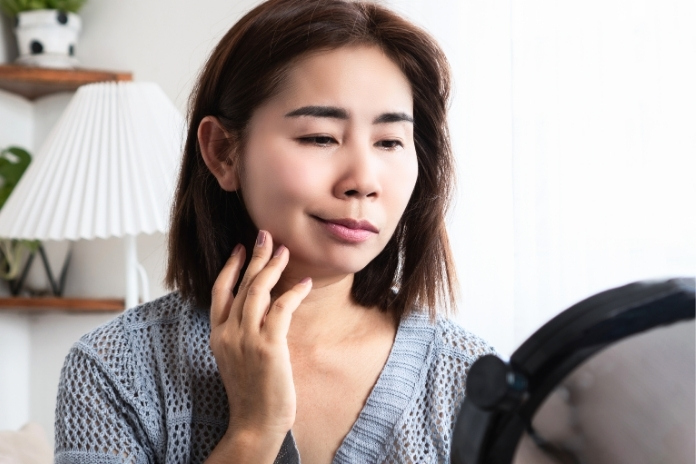
One-sided facial weakness can be scary for most of us. This condition, known as Bell’s palsy, is a sudden, temporary loss of movement or weakness on one side of the face. In most cases, it appears overnight.
The cardinal symptom of one-sided facial weakness leads to drooping of the face, difficulty closing the eye, and a lopsided smile. This might happen together with slurred speech and difficulty controlling saliva. This sudden change may easily be confused with a stroke, but Bell’s palsy has no relation to a brain attack and is caused by inflammation of the facial nerve.
Here’s the good news. Most people make a complete recovery from Bell’s palsy within a few weeks to months if the treatment starts early. In this article, you will learn the causes, symptoms, diagnosis steps, and Bell’s palsy treatment options, as well as an expected recovery timeline for the condition.
Key Takeaways — What You’ll Learn
- A clear explanation of what Bell’s palsy is, how sudden facial weakness occurs, and why it appears on only one side of the face.
- How Bell’s palsy vs stroke symptoms differ. This helps you spot when the causes of facial paralysis are urgent and unrelated to stroke.
- These are early warning signs: inflammation of the facial nerve, drooping of the face, dryness of the eye, changes in taste, and sensitivity to sound.
- Possible causes and triggers range from viral reactivation to metabolic conditions and immune-related factors.
- How doctors diagnose it, including neurological tests, including EMG testing, and MRI/CT scans.
- Treatment options that support faster recovery, from prednisone for Bell’s palsy to antivirals, eye care, physical therapy, and emerging therapies.
- Expected recovery timeline and what steps help you heal more effectively at home.
What is Bell’s Palsy?
The neurological condition of Bell’s palsy is caused by sudden irritation, swelling, or compression of the facial nerve (cranial nerve VII). This nerve is responsible for most of the facial movement. Because the nerve runs through a narrow bony canal, even mild swelling disrupts communication between the brain and facial muscles.
Here’s what you must know:
- Bell’s palsy usually develops within hours. The symptoms peak in about 48 hours.
- It affects about 1 in 60 people at some point in life.
- It most commonly affects individuals aged 15–60, but can also occur in children and older adults as well.
- Although the weakness can look scary, Bell’s palsy is not fatal and is not related to a stroke.
Symptoms — How to Recognize Bell’s Palsy
The symptoms of Bell’s palsy often appear quite suddenly. However, you may feel pain around the ear or jaw. Understanding a full symptom picture helps identify the condition early.
- Sudden onset of one-sided facial drooping is the primary symptom. During this, one side of the face looks slack, heavy, or expressionless, and is the most indicative sign. It is because the facial nerve is unable to send messages to the muscles.
- Difficulty in performing common facial movements, such as closing an eye tightly, raising one’s eyebrows, puffing the cheeks, or smiling correctly. Usually, the muscles on the affected side appear weak.
- Trouble eating or drinking due to poor lip control. The food might fall from one side of the mouth, liquids may leak, and drooling can cause more discomfort.
- Inability to shut one eye completely may cause dryness, irritation, tearing, or grittiness. This is due to the inability of the muscles in the eyelid to act.
- A changed taste on the front of the tongue is another symptom. Many people develop reduced or distorted taste, since the facial nerve also supports taste sensation.
- Hyperacusis (increased sensitivity to sound) is when everyday noises may seem louder or more piercing on the affected side. This occurs due to the weakening of the nerve controlling the stapes muscle in the ear.
- Changes in the production of tears and saliva. Patients may experience watery eyes, eye dryness, or a dry mouth, depending on the different fibers that are inflamed.
- There is a dull pain or headache behind the ear or near the jawline. The pain often starts hours before facial paralysis develops and may be an early warning sign.
Cedars-Sinai neurologist Dr Paula Barreras, MD, asserts, “Although it looks dramatic and severe, when it’s truly Bell’s palsy, it’s a benign syndrome that in most cases will get better. Understanding that can help ease anxiety and uncertainty.”
Bell’s palsy always affects one side, which helps to differentiate it from other causes of facial paralysis.
Read More: How to Fix an Asymmetrical Face: Causes, Treatments, and At-Home Tips That Actually Help
Bell’s Palsy vs. Stroke: How to Tell the Difference

It is sometimes difficult to tell the difference between Bell’s palsy vs stroke. Since both conditions are associated with sudden facial weakness, here is how you can differentiate:
1. How Bell’s Palsy Presents
- You may feel the entire half of your face weak, including the forehead, eyelid, cheek, and mouth.
- There is no weakness in the arm or leg.
- Your vision, understanding, speech, balance, and cognition are unaffected. However, speech may appear slurred due to weakness of the mouth muscles.
- The affected eye cannot close completely, and the forehead muscles do not form wrinkles.
2. How Stroke Presents
- In most cases, facial paralysis affects only the lower part of the face, with the forehead not being affected.
- Other symptoms include arm or leg weakness, confusion, vision problems, severe headache, or difficulty speaking.
- Stroke symptoms result from brain damage and require emergency treatment.
- If sudden facial weakness occurs, it is always a medical emergency until stroke has been ruled out.
Bell’s Palsy Causes and Risk Factors

1. What Causes Bell’s Palsy?
The exact cause isn’t always clear, but most experts agree that Bell’s palsy occurs when the facial nerve becomes inflamed or compressed. The most commonly suspected triggers are viral infections.
- The most common trigger involves reactivation of dormant herpes simplex virus (cold sores), which inflames the nerve.
- Herpes zoster, also known as shingles, causes severe pain and paralysis, especially when the rash appears on the ear.
- Epstein–Barr virus (mononucleosis), a virus known to cause nerve irritation.
- Influenza and respiratory infections cause inflammation of the upper airway, which may put pressure on the facial nerve.
- Lyme disease is a less common cause, but it might happen to individuals living in or near regions where ticks are common.
- COVID-19, where temporary inflammation of the facial nerve is seen in some cases.
The inflammation inside the tight facial canal reduces oxygen and nutrient supply to the nerve, causing sudden weakness.
2. Risk Factors
Certain conditions make you more likely to have Bell’s palsy. These include:
- Pregnancy, especially the third trimester, can cause fluid shifts, immune changes, and blood pressure variations that can increase nerve swelling.
- Diabetes or prediabetes are conditions wherein high blood sugar acts directly on nerve health. This leads to an increased risk of inflammation.
- Chronic stress weakens the ability of the body to control viral reactivation.
- Upper respiratory infections include colds, sinus infections, or the flu, which can indirectly inflame the facial nerve.
- Obesity or metabolic disorders may also affect nerve repair.
- A family history of Bell’s palsy may increase the risk of the disease.
- Autoimmune tendencies, in which the body may overreact to mild infections and inflame nerve tissues.
We must remember that no factor alone is responsible. In fact, the risk of Bell’s palsy goes up when it’s combined with another viral or inflammatory trigger.
Read More: 6 Everyday Household Items That May Be Triggering Inflammation (and What to Do Instead)
How Bell’s Palsy Is Diagnosed

Doctors diagnose Bell’s palsy through physical examination, along with tests to rule out any serious causes.
How Diagnosis Takes Place:
- Neurological Examination: This helps check facial muscle strength, reflexes, forehead movement, the ability of the eyebrows to lift, the strength of eye closure, and the symmetry of the smile.
- Assess the Timing: Understand the timing of symptoms. The symptoms include sudden onset and peak weakness within 48 hours, strongly suggesting Bell’s palsy.
- Physical Examination: Checking the forehead involvement is an important differentiator of Bell’s palsy from a stroke.
Tests That May Be Used:
- MRI or CT scan to rule out stroke, tumor, or inflammation of the brain if the symptoms seem atypical or severe.
- Electromyography (EMG) shows the conductivity of the facial nerve and helps predict recovery outcomes.
- Blood tests for diabetes, Lyme disease, viral infections, or autoimmune activity that might be impacting nerves.
- Bell’s palsy is detected once other facial paralyses have been ruled out.
Bell’s Palsy Treatment Options — What Helps You Recover Faster

1. Medications
Corticosteroids (prednisone)
This is the most preferred treatment for Bell’s palsy. The steroids reduce inflammation around the facial nerve, preventing permanent damage. Starting the treatment of prednisone for Bell’s palsy within 72 hours can improve the chances of full recovery.
Antiviral Medications (acyclovir or valacyclovir)
These medications are often given along with steroids, especially if a viral infection is suspected. Antivirals help suppress the viral replication that may further increase nerve swelling.
Pain Medications
Over-the-counter pain relievers can help manage ear pain, jaw discomfort, and headaches.
2. Eye Protection
- In certain cases, you may not be able to blink or close the eye properly; hence, it is important to protect the eye.
- Artificial tears throughout the day will help keep the eye moist and avoid irritation.
- Lubricating ointments at night help protect the eye during sleep.
- Eye patches or moisture chamber goggles protect the eye from dust, dryness, and accidental injury.
- Outdoor sunglasses also help protect against wind, sun, and debris.
3. Bell’s Palsy Physical Therapy
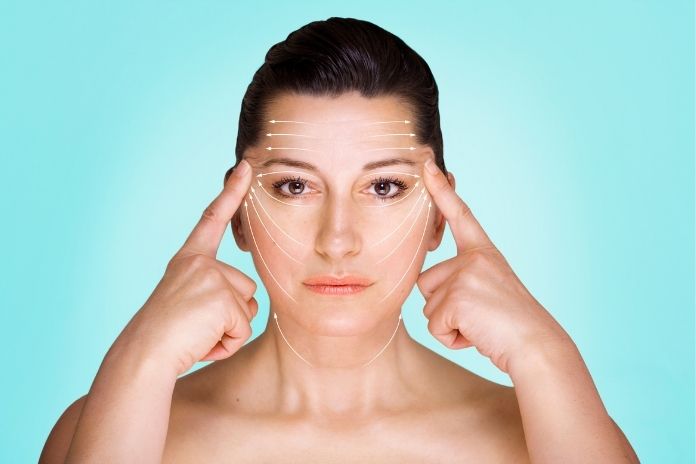
- Starting light exercises as part of Bell’s palsy physical therapy promotes nerve recovery.
- Facial muscle re-education that involves repetitive closing of the eyes, soft smiling, raising eyebrows, and gentle movements of the cheeks improves coordination.
- Facial massage relieves stiffness, increases blood flow, and prevents long-term tightness.
- Neuromuscular re-education helps avoid synkinesis. The unwanted movements, such as eye closure when smiling, can be corrected by teaching the brain to reconnect muscles correctly.
4. Complementary & Emerging Therapies
- Acupuncture can stimulate blood flow and promote nerve healing.
- Electrical stimulation, when used cautiously, can help activate muscles, but it must be guided by a trained therapist to avoid abnormal regrowth.
- Biofeedback therapy teaches patients how to gain better control over weak or recovering muscles.
- Low-level laser therapy may reduce inflammation and improve nerve repair.
Read More: Acupuncture Benefits for Health and Wellness
Recovery Timeline — What to Expect
Recovery from Bell’s palsy differs for every person, depending on the severity and how quickly treatment starts.
- For most people, early improvement starts within 2-3 weeks.
- In 3–6 months, mild to moderate cases can achieve near-complete recovery.
- Patients may continue to recover for a span of 6-12 months, especially in cases of full paralysis.
Certain factors that slow recovery include:
- Complete paralysis at the beginning
- Delayed treatment
- Old age
- Diabetes or metabolic problems
- Severe abnormalities in EMG tests
In the long term, less serious side effects may include a feeling of facial tightness, twitching, and slight asymmetry.
You should seek further evaluation if:
- The weakness gets worse quickly or spreads.
- Both sides of the face show paralysis. This is rare.
- There is no improvement after 3 months.
- Facial spasms, twitching, or other abnormal movements
- Recurrent attacks of Bell’s palsy occur.
Quick Recap
Bell’s palsy refers to a type of facial paralysis brought about by inflammation of the facial nerve. Although it is not caused by a stroke, emergency evaluation is imperative at the onset. Early treatment with prednisone, eye care, and physical therapy improves outcomes.
Most people recover from Bell’s palsy completely within a few months. The next time you or your loved one faces this situation, don’t worry. Timely treatment and therapies can help you regain the lost control!
FAQs
Q.Is Bell’s palsy permanent?
A. Most cases resolve fully with proper treatment and time.
Q.Is it possible for Bell’s palsy to recur?
A. Yes, it does recur in a small number of individuals.
Q. What’s the fastest way to recover from Bell’s palsy?
A. Start steroids early, protect the eye, practice facial exercises, and follow medical guidance.
Q. Does stress cause Bell’s palsy?
A. Stress alone does not cause it, but it can weaken the immune system and increase vulnerability.
Q. Does Bell’s palsy relate to stroke?
A. No, but initially, the symptoms can present similarly.
Q. Can Bell’s palsy affect both sides of the face?
A. Very rare, usually due to specific infections or autoimmune diseases.
References
- Dong, Y., Zhu, Y., Ma, C., & Zhao, H. (2015). Steroid-antivirals treatment versus steroids alone for the treatment of Bell’s palsy: A meta-analysis. International Journal of Clinical and Experimental Medicine, 8(1), 413–421. PMC+2PMC+2
- Pinkiewicz, M., Dorobisz, K., & Zatoński, T. (2022). A comprehensive approach to facial reanimation: A systematic review. Journal of Clinical Medicine, 11(10), 2890. PubMed+1
- Rim, H. S., Byun, J. Y., Kim, S. H., & Yeo, S. G. (2023). Optimal Bell’s palsy treatment: Steroids, antivirals, and a timely and personalized approach. Journal of Clinical Medicine, 13(1), 51. PubMed+1
- National Institute of Neurological Disorders and Stroke. (n.d.). Bell’s palsy. U.S. Department of Health & Human Services.
- Johns Hopkins Medicine. (n.d.). Bell’s palsy: Overview and treatment.
- UCSF Health. (n.d.). How to tell the difference between Bell’s palsy vs. stroke. University of California, San Francisco.
In this Article