















Meditation means sitting in a place for hours together, in a calm environment away from the chaos. Don’t we all believe this? Well, I too did the same and was shocked to learn that meditation does not need hours of my time. A simple 10-minute meditation or mindfulness exercise is as effective.
You don’t require a mountaintop or a whole hour of quiet to make the most of meditation. Indeed, studies reveal that even 10 minutes of mindfulness each day can make measurable differences to the brain and body. This has generated increasing popularity for “micro-meditation”. This is a brief, regular practice that can be fitted into hectic modern lives but still provides great benefits.
Scientists have studied everything from stress hormone levels to brain scans and found that even brief daily sessions can reduce anxiety, improve focus, and make you emotionally stronger. In this article, we’ll explore exactly how 10 minutes of meditation works, the science-backed benefits, the myths to ignore, and practical steps to get started. Read on!
Read More: Best Mindfulness Journals for Anxiety and Self-Reflection
How 10 Minutes of Meditation Works

Meditation is commonly thought of as “thinking about nothing.” It’s a disciplined mental exercise aimed at concentrating attention and developing awareness. Some of the beginner-friendly popular forms include:
- Mindfulness meditation includes passively observing thoughts, feelings, and bodily sensations without judgment.
- Breath-focused meditation means carefully paying attention to the natural flow of breathing, using it as an anchor for your mind.
- Mantra meditation includes repeating a soothing word or phrase to aid in quieting down the mental chatter.
As you get into the habit of meditation, your parasympathetic nervous system becomes active. It is your body’s “rest and digest” function that makes the heart rate slow down, that brings about deeper breathing, and lets your body know that it is okay. The other benefit is that the “fight or flight” stress response calms down.
Neurologically, meditation builds up the prefrontal cortex, the area of the brain responsible for decision-making and self-command, and quiets the amygdala, the brain’s fear center.
Confirmed Benefits of Meditating 10 Minutes Daily
Here are a few tried and tested benefits of meditating 10 minutes daily.
1. Reduces Stress and Anxiety:

Stress is your survival mechanism in the body, but when it’s constantly turned on, it drains you. A 2022 study revealed that a mere 10 minutes of mindfulness training cut self-reported stress in students and working professionals alike. The body’s primary stress hormone, cortisol, lowers after regular meditation.
For example, if you start your day with 10 minutes of mindful breathing, you may notice fewer spikes of tension during work meetings or traffic jams because your nervous system has practiced returning to a calm baseline.
2. Improves Focus and Concentration:

If your attention span is shorter than a social media video, you’re not alone. Multitasking and endless notifications can deplete mental focus. Meditation is like a training gym for your attention. Every time your mind drifts off and you bring it back, you’re building your focus “muscles.”
Studies at the University of California, Davis, discovered that those who practiced short daily mindfulness exercises experienced improvements in working memory and sustained attention. This implies that you might find it simpler to remain focused in conversations, listen attentively in meetings, and get through material without mentally wandering off.
Read More: Mindfulness in Daily Life: Small Habits for Greater Peace and Presence
3. Strengthens Emotional Resilience:

Life will never be without difficulties, but meditation can transform the way you react to them. By learning to observe feelings instead of responding on impulse, you instill a mental delay between stimulus and response.
A certain study on neuroimaging indicated that even a brief practice of meditation heightens the activity in brain regions associated with emotional control. With time, you’ll discover that you’re less reactive to conflicts, more tolerant during parenting situations, and faster to bounce back from setbacks emotionally.
4. Helps with Better Sleep:

One of the most frequent causes individuals seek meditation is to enhance sleep. Even a brief practice before bed calms racing thoughts and promotes relaxation. Meditation dampens nervous system arousal, which makes it simpler to fall asleep deeply.
A simple 10-minute meditation exercise before bed that includes slow breathing or a guided body scan can be a great natural sleep aid.
5. Increases Self-Awareness:
Mindfulness builds your capacity to observe your thoughts without getting caught up by them. It’s particularly useful for weakening unproductive habits such as self-criticism, extreme overthinking, or eating emotionally (stress eating).
By simply observing, “I’m nervous because of this deadline,” instead of mindlessly acting, you invite more positive options. Week after week, month after month, this increased awareness can show up in healthier decision-making in work, relationships, and health.
Physical Health Benefits

Although meditation is commonly considered a mental health tool, its influence carries over into physical health in the mind-body relationship:
- Reduced Blood Pressure: Meditation-induced relaxation causes blood vessels to expand, decreasing pressure on the heart. This reduces the risk of cardiovascular issues in the future.
- Increased Heart Rate Variability (HRV): Greater HRV is associated with more cardiovascular strength.
- Decreased Inflammation: Certain studies indicate that mindfulness practices decrease C-reactive protein and other markers of inflammation, which are associated with chronic disease.
These advantages tend to become more significant with regular long-term practice, but short daily sessions are a good start.
Read More: Calm vs Headspace: Which Meditation App Is Better for Your Mental Health in 2025
Myths About Meditation

If you are taking a step towards meditating daily for 10 minutes, here are a few myths that you must be aware of:
- Myth 1: You must meditate for hours before it will work.
Reality: Research indicates benefits from as few as 10 minutes of meditation per day. The secret is consistency. Investing hours in meditation is not necessary; 10 minutes is enough, if done right.
- Myth 2: You must clear your mind.
Reality: The mind will wander, but your role is to be aware and kindly bring your attention back to the present.
- Myth 3: Meditation is religious or spiritual only.
Reality: Although it does originate from spiritual practices, contemporary mindfulness is a secular, evidence-based technique.
- Myth 4: You must have total silence.
Reality: Some background noise is the norm. Earbuds and guided sound may be useful if your space is noisy.
How to Begin a 10-Minute Daily Meditation Habit
Find a quiet place where you can sit comfortably. A chair, cushion, or even sitting at the edge of your bed is fine.
- Put a timer on for 10 minutes so you do not look at the clock.
- Close your eyes or relax your gaze and find your mind focused on your breath.
- When thoughts come, just note them and bring attention back to your breathing or mantra.
- Use a guided meditation app such as Headspace, Calm, or Insight Timer if you like structure.
- Choose the same time every day. Ideally, the best times are during the morning or just before going to bed at night.
Tip: If you’re having trouble, meditate for 5 minutes at first, then gradually increase to 10.
When You May Notice Results
- Immediately: You might find a calmer mood, deeper breathing, and less muscle tension immediately after a session.
- Weeks 2–4: You will find a significant improvement in concentration, decreased reaction to stress, and greater emotional stability.
- Months 2–3: You can expect better sleep habits, low blood pressure, and increased satisfaction with life.
The effect of meditation becomes apparent over time. Skipping a day of meditation won’t affect progress, but consistency will enhance outcomes.
Final Thoughts
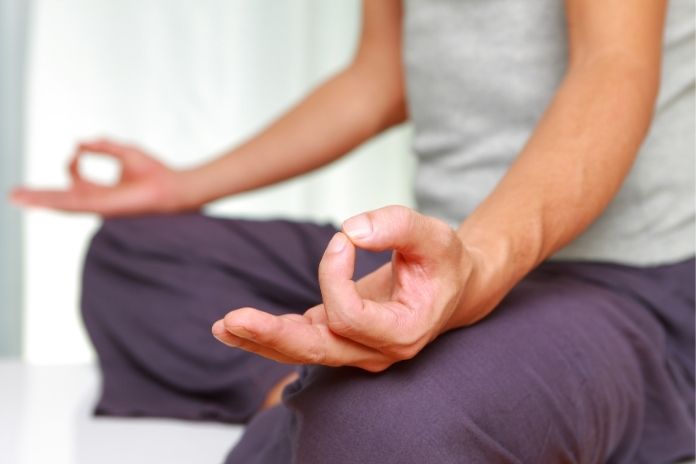
You don’t have to sit still for hours to rewire your mind and body. Simply 10 minutes a day of intentional meditation can reduce stress, improve focus, build emotional strength, and even help your physical well-being. The key isn’t the length of each meditation session; it’s daily commitment.
Like brushing your teeth daily, meditation can also be a part of your everyday routine. By doing this, you establish a consistent space for your mind to level out and your body to recharge. Over time, you may find that those 10 minutes are not only the most peaceful moments of your day, but also the most transformative.
References
- https://www.onepeloton.com/blog/how-long-should-you-meditate
- https://pmc.ncbi.nlm.nih.gov/articles/PMC11660067/
- https://www.sciencedirect.com/science/article/pii/S089360802100037X
- https://www.sciencedirect.com/science/article/pii/S089360802100037X
- https://www.researchgate.net/publication/391875679_Mindfulness-Based_Stress_Reduction_MBSR_and_Its_Effects_on_Student_Mental_Health
- https://www.health.harvard.edu/mind-and-mood/breath-meditation-a-great-way-to-relieve-stress
- https://blog.soulsensei.in/meditation/the-best-ways-to-use-a-mantra/
In this Article