











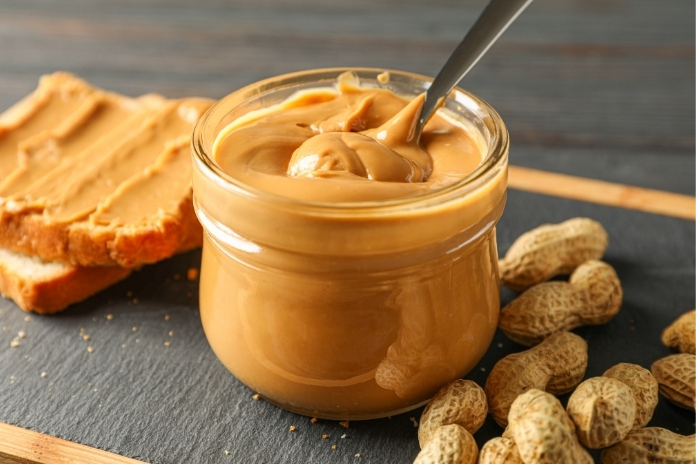
Peanut butter isn’t just a nostalgic sandwich spread; it’s practically a cult favorite. Thick, creamy, and packed with flavor, it shows up in everything from protein smoothies to oat bowls, snack bars, desserts, and post-gym meals. But beneath that familiar taste lies a food that’s surprisingly complex. It’s calorie-dense, rich in fats and protein, and carries a mix of nutrients that can be either helpful or harmful, depending on how you use it.
So here’s the question: What actually happens to your body when you eat peanut butter every single day? Is it helping your health quietly in the background, or adding subtle stress your body doesn’t need?
In this breakdown, we’ll look at what daily peanut butter consumption does to your system, from energy levels and digestion to heart health and metabolism. We’ll cover the good stuff, the potential pitfalls, and what nutrition experts say about making it part of your daily routine without going overboard.
If peanut butter is your go-to comfort food or your protein-packed fuel, this is worth reading. Because not all “healthy” habits are automatically helpful, and not all fats are created equal.
Nutritional Snapshot of Peanut Butter
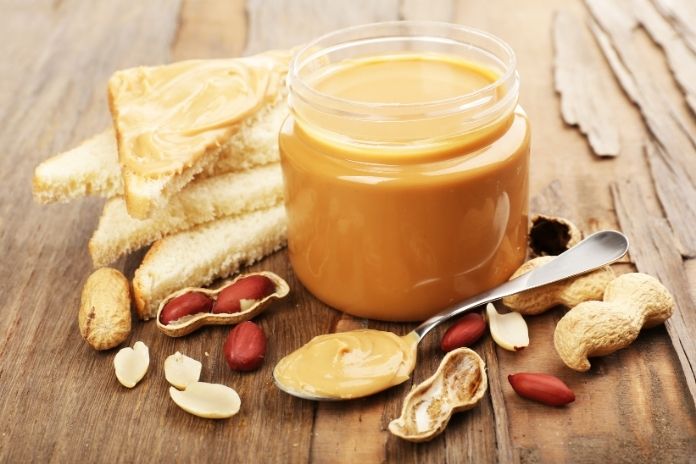
Peanut butter is small in volume but packs a serious nutritional punch. A typical serving, about 2 tablespoons (32 grams), can easily fit into a spoon, but what you’re really holding is a compact mix of macronutrients and micronutrients that can fuel, nourish, or, if overdone, sneak up on you.
Here’s a quick breakdown of what that spoonful gives you:
- Calories: ~190
- Protein: ~7 grams
- Fat: ~16 grams (with most coming from heart-healthy monounsaturated and polyunsaturated fats).
- Carbohydrates: ~6–8 grams, depending on the brand.
- Fiber: ~2 grams
- Sugar: ~1–3 grams naturally, though added sugars can spike this in flavored or processed versions.
- Key Vitamins and Minerals: Solid amounts of magnesium, vitamin E, niacin (B3), phosphorus, zinc, manganese, and vitamin B6.
What this really means is that peanut butter is more than just comfort food; it can be a legitimate nutrient booster. Healthy fats help support brain function and heart health. The protein content makes it a favorite among gym-goers looking for a post-workout snack. And those micronutrients? They play roles in energy production, immunity, nerve function, and cell repair.
But not all peanut butters are equal. Natural peanut butter, the kind with only peanuts (and sometimes salt) listed in the ingredients, gives you the raw deal: no hidden sugars, no trans fats, just ground peanuts.
In contrast, commercial or processed peanut butter can contain added sweeteners, hydrogenated oils (which act like trans fats), and high levels of sodium. These additions aren’t just unnecessary; they can gradually chip away at your health over time, especially if you’re eating peanut butter daily.
The takeaway? Peanut butter can absolutely be part of a healthy diet, but the kind you choose matters. Always check the label. The shorter the ingredient list, the better.
Health Benefits of Eating Peanut Butter Daily

Here’s the thing: peanut butter isn’t just tasty, it’s functional. When eaten in moderation and in its natural form, it can play a solid role in supporting physical and mental health. It delivers steady energy, keeps you full, and contributes to everything from heart health to brain function.
Let’s break down what daily peanut butter can actually do for your body, assuming you’re not drowning it in sugar or eating it straight from the jar by the spoonful (we’ve all been there).
1. Supports Muscle Repair and Growth
Peanut butter isn’t a complete protein; it lacks a few essential amino acids, but it still offers a decent dose of plant-based protein. One serving gives you about 7 grams, which is especially helpful for vegetarians, athletes, or anyone working to maintain or build lean muscle.
Pair it with complementary proteins like whole grains, lentils, or even a glass of milk, and you’ve got a more complete amino acid profile. Post-workout, that mix of protein and healthy fat makes peanut butter a convenient recovery snack that helps muscles repair and rebuild.
“Peanut butter delivers a modest amount of plant-based protein, about 7 grams per two-tablespoon serving, which, when paired with complementary proteins like dairy or whole grains, can support muscle repair and recovery,” says Malina Malkani, MS, RDN, child feeding expert and registered dietitian nutritionist. “That makes it a convenient post-workout choice, combining protein with healthy fats to help keep you satisfied and help muscles rebuild.”
2. Keeps You Fuller for Longer
Thanks to its trio of protein, fiber, and fat, peanut butter slows down digestion, specifically gastric emptying. That means you stay full longer, which can cut down on mid-morning cravings or late-night snacking.
Studies have shown that diets higher in unsaturated fats and protein reduce levels of ghrelin (the hunger hormone) and increase PYY, a hormone that tells your brain you’re full. In real terms? Less mindless eating and more stable energy levels throughout the day.
3. Good for Heart Health (In Moderation)
Peanut butter’s fat profile leans heavily toward the heart-healthy side. Most of the fat comes from monounsaturated and polyunsaturated sources, the same types you find in olive oil or avocados. These fats can help lower LDL (bad) cholesterol and may nudge HDL (good) cholesterol in the right direction.
It also contains arginine, an amino acid that helps relax blood vessels and may support better blood pressure control. When swapped in for saturated fats (like butter), natural peanut butter can support better cardiovascular health overall.
4. Provides Brain-Boosting Nutrients
You’ll find vitamin E, niacin (B3), and healthy fats in every scoop, nutrients that play a role in protecting your brain. Vitamin E acts as a potent antioxidant, helping to shield brain cells from oxidative damage. Some research even links higher vitamin E intake to slower cognitive decline in older adults.
Niacin, meanwhile, supports memory and overall brain function. While peanut butter alone won’t turn you into a genius, it can absolutely be part of a brain-smart diet, especially when combined with other nutrient-dense foods.
5. Helps Regulate Blood Sugar
Despite being calorie-heavy, peanut butter has a low glycemic index, which means it doesn’t spike your blood sugar. Pair it with fiber-rich carbs like apples or whole-grain toast, and it slows down how quickly glucose enters your bloodstream.
This slower absorption can help maintain more stable blood sugar levels throughout the day, a win for anyone managing insulin resistance, prediabetes, or type 2 diabetes. The key is sticking to natural peanut butter with no added sugar, and keeping portions in check.
“The addition of peanut butter to a high-glycemic meal can significantly reduce the blood-glucose spike and overall glycemic response, supporting more stable blood sugar levels,” says Dr. Lesley N. Lilly, PhD, RD, lead author of a pilot study published in the Journal of the American College of Nutrition. “Even two tablespoons with bread and juice notably lowered the glucose surge, making it a practical strategy for blood sugar management.”
Read More: 14 Effective Ways to Prevent Blood Sugar Spikes
Potential Downsides of Daily Peanut Butter
Peanut butter, like most foods, is not automatically healthy just because it contains nutrients. Context, quantity, and quality matter a lot.
If you’re eating it every day, here’s what you need to watch out for:
1. Calorie-Dense (Easy to Overeat)
Peanut butter is deceptively rich in calories. Just 2 tablespoons clocks in at nearly 200 calories, which doesn’t sound like much, until you realize how easy it is to double or triple that without thinking. A thick spread on toast? A spoonful mid-scroll? That adds up.
If you’re trying to manage or lose weight, those sneaky extra servings can stall progress. The key here is mindful eating, measuring your portions, and factoring them into your total daily intake. Enjoy it, just don’t free-pour it into your day.
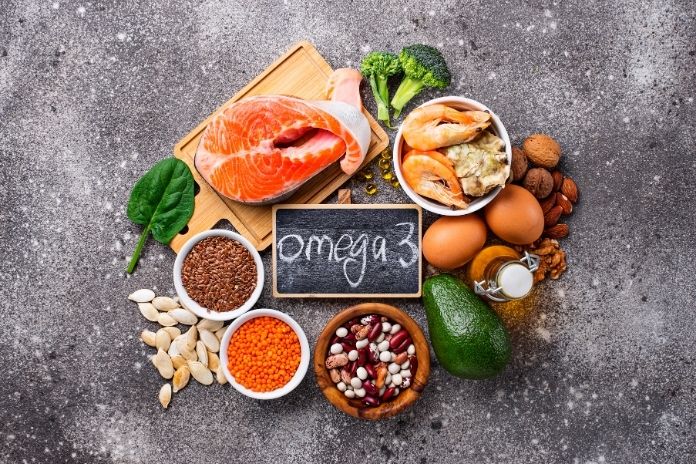
2. High in Omega-6 Fatty Acids
Peanuts are naturally high in omega-6 fatty acids. Now, these fats aren’t bad on their own, but the problem shows up when omega-6 intake far outweighs omega-3 intake. That imbalance can nudge your body toward chronic inflammation, which has ties to conditions like joint pain, metabolic issues, and heart disease.
You don’t need to ditch peanut butter to fix this, just make sure you’re also eating omega-3-rich foods like fatty fish, flaxseeds, chia seeds, or walnuts. It’s about balance, not elimination.
3. May Contain Additives
This is where label-reading matters. Many commercial peanut butter brands come loaded with added sugars, hydrogenated oils (which may include trans fats), and sodium. These extras can mess with your blood pressure, spike your blood sugar, and undermine the food’s natural benefits.
Stick to peanut butter with two ingredients max: peanuts and maybe a pinch of salt. Skip anything with palm oil, corn syrup, or mystery emulsifiers.
4. Allergy Risk or Sensitivity
Peanuts are one of the most common food allergens out there. For people with true peanut allergies, even trace exposure can be dangerous. But even among non-allergic individuals, some may experience mild sensitivities, things like digestive discomfort, skin flare-ups, or unexplained fatigue after regular consumption.
If you notice any symptoms that seem tied to peanut butter, it might be worth testing a few weeks without it to see how your body responds.
Who Should Be Cautious with Daily Peanut Butter Intake?
For most people, a spoonful (or two) of peanut butter a day is perfectly fine, even beneficial. But not everyone’s body responds the same way. Depending on your health status, goals, or sensitivities, it might make sense to scale back, switch brands, or skip it altogether.
Here’s a closer look at who should keep an eye on their peanut butter habit:
1. Individuals with Peanut Allergies
This one’s obvious, but worth repeating. If you have a diagnosed peanut allergy, even small traces can trigger a serious reaction. But beyond full-blown allergies, mild sensitivities can still cause issues, such as headaches, skin flare-ups, congestion, or low-level inflammation.
If you’ve ever felt “off” after eating peanut butter, it’s worth experimenting with a break or getting tested. Better safe than sorry.
2. People with Inflammatory Conditions
Peanut butter contains a high amount of omega-6 fatty acids, which can fuel inflammation if they dominate your diet. For people managing arthritis, eczema, psoriasis, or autoimmune disorders, this imbalance may worsen symptoms.
You don’t necessarily have to eliminate peanut butter, but if inflammation is part of your health puzzle, you should also be loading up on omega-3s (from things like fatty fish, chia, or flax). Balance is key.
3. Anyone on a Weight-Loss Plan
At nearly 200 calories per 2 tablespoons, peanut butter can quietly sabotage a calorie deficit, especially if you’re eyeballing your servings or eating it mindlessly. A “small” scoop can easily double the calories you think you’re eating.
The fix? Pre-portion your peanut butter and track it if needed. It can still be part of a fat-loss plan, but only if it fits your overall daily intake.
4. Those Managing High Cholesterol or Triglycerides
Peanuts themselves are cholesterol-free, but the added oils, sugars, and sodium in many commercial brands can mess with your lipid levels. If you’re dealing with high cholesterol or trying to improve your heart health, it’s important to choose a peanut butter that’s unsweetened, unsalted, and additive-free.
Check the label, some “healthy” brands still sneak in palm oil or cane sugar. The simpler, the better.
Read More: Food Swaps to Manage High Cholesterol Without Sacrificing Taste
5. Individuals with Digestive Sensitivities
Peanut butter is naturally low in FODMAPs, which is great news for people with IBS or sensitive guts. But its high fat content can still slow digestion and trigger discomfort in some people, especially if you’re already prone to bloating or sluggish digestion.
If you feel weighed down after eating it, try pairing it with lighter, fiber-rich foods, or scale back your serving size and see how you feel.
How to Eat Peanut Butter Daily, The Smart Way
Peanut butter doesn’t have to be a guilty pleasure. In fact, with the right approach, it can be a daily staple that fits seamlessly into a balanced, nutrient-rich diet. The trick is to treat it with intention, not like a free-for-all.
Here’s how to enjoy peanut butter every day without sabotaging your health goals:
1. Keep Portion Size in Check
Let’s be real: eyeballing peanut butter rarely works. It’s dense, sticky, and easy to over-serve. Just a “little extra” can quickly turn 2 tablespoons into 4, doubling the calories without you noticing.
Stick to 1–2 tablespoons per day. Use an actual measuring spoon (not your thumb or your mood). If you’re tracking calories or macros, log it accurately. This alone can make or break whether peanut butter is helping or hurting your progress.
2. Pair It with Nutrient-Dense Foods
Peanut butter shines when it’s part of a balanced combo, not when it’s eaten solo by the spoonful (we’ve all done it). Pairing it with fiber-rich carbs or lean proteins helps keep blood sugar stable, boosts satiety, and delivers a more complete nutritional profile.
Try these go-to combos:
- Whole-grain toast topped with peanut butter and chia or flax.
- Apple or banana slices with a thin spread for natural sweetness and crunch.
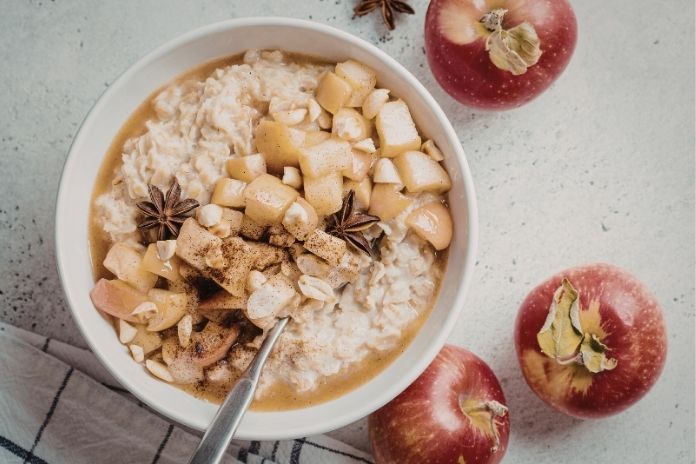
- Oatmeal or overnight oats, stirred in for creaminess and staying power.
- Smoothies with peanut butter, spinach, berries, and protein powder.
- Chia pudding or yogurt bowls with a swirl of peanut butter and fresh fruit.
These combos help stretch the benefits and tame the calorie load.
Read More: The Power of Macronutrients: Understanding Proteins, Carbs, and Fats in Your Diet
3. Choose the Right Type
Here’s where label reading matters. A lot of store-bought peanut butter is more sugar and oil than actual peanuts. That’s not doing your body any favors.
Look for jars that list just one or two ingredients: “peanuts” and optionally “salt.” Avoid versions that sneak in:
- Hydrogenated oils (trans fats in disguise).
- Added sugars like corn syrup or cane sugar.
- Palm oil messes with fat balance and adds unnecessary saturated fat.
The shorter the ingredient list, the better. Ideally, it should just be ground peanuts. That’s it.
4. Balance Omega-6 with Omega-3
Peanut butter naturally contains a lot of omega-6 fatty acids, which aren’t inherently bad, but too much of them, especially without enough omega-3s, can lead to inflammation over time.
To strike a better balance, build your diet around omega-3-rich foods:
- Chia seeds (sprinkled on yogurt or oats).
- Flaxseeds (ground for better absorption).
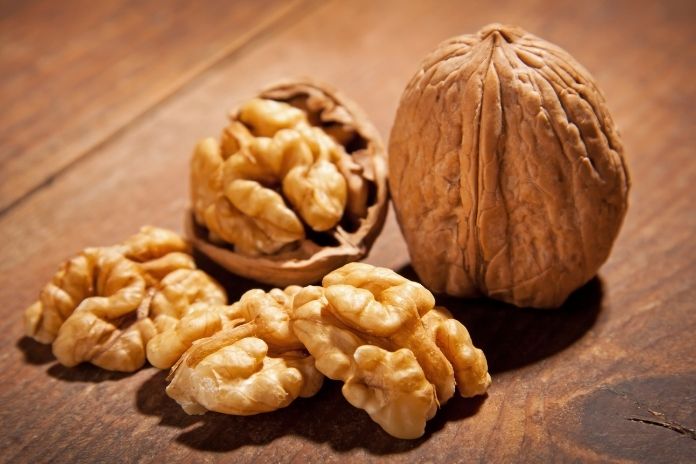
- Walnuts (snack or salad topper).
- Fatty fish like salmon, sardines, or mackerel (2–3 times a week).
This helps your body stay in an anti-inflammatory zone while still enjoying peanut butter guilt-free.
Final Thoughts: Should You Eat Peanut Butter Every Day?
If you love peanut butter, there’s no reason to feel guilty about making it part of your daily routine, as long as you’re smart about it. When used intentionally, peanut butter can do a lot more than just taste good. It offers steady energy, supports muscle recovery, aids heart and brain health, and keeps you full for longer.
But here’s the catch: it’s easy to go overboard. Peanut butter is calorie-dense, and many commercial versions are loaded with additives that quietly chip away at its health potential. So if it’s showing up in your diet daily, it needs to be the right kind, in the right amount, and paired with the right foods.
Moderation and quality matter. Choose peanut butter with minimal ingredients, just peanuts, maybe a pinch of salt. Stick to 1–2 measured tablespoons a day. Pair it with fiber-rich carbs, whole foods, and omega-3 sources to keep the nutritional balance in check.
At its best, daily peanut butter isn’t just harmless, it’s helpful. It can be a satisfying, nutrient-dense tool in your diet that supports your health goals.
References
- https://www.webmd.com/diet/peanut-butter-good-for-you
- https://en.wikipedia.org/wiki/Peanut_butter
- https://www.forhers.com/blog/peanut-butter-nutrition
- https://zoe.com/learn/is-peanut-butter-good-for-you
- https://www.myjuniper.co.uk/articles/how-much-protein-in-1-tbsp-peanut-butter
- https://perfectsnacks.com/blogs/post/peanut-butter-benefits-why-good-for-you-2
- https://www.health.harvard.edu/nutrition/ask-the-doctor-why-is-peanut-butter-healthy-if-it-has-saturated-fat
- https://www.sciencedirect.com/topics/agricultural-and-biological-sciences/peanut-butter
- https://www.rippedupnutrition.com/products/natural-peanut-butter-850gm
- https://timesofindia.indiatimes.com/life-style/food-news/is-it-healthy-to-eat-peanut-butter-daily-know-its-benefits-and-health-risks/articleshow/122946867.cms
- https://www.smuckers.com/peanut-butter/natural/natural-creamy-peanut-butter
- https://food.unl.edu/free-resources/newsletters/food-fun-young-children/peanut-butter-power/
- https://www.jif.com/products/creamy/creamy-peanut-butter
- https://www.eatingwell.com/is-peanut-butter-good-for-you-8638482
- https://foodstruct.com/nutrition-comparison-text/cheese-vs-peanutbutter-smoothstyle-withoutsalt
- https://veeba.in/products/peanut-butter-crunchy-340g
In this Article