













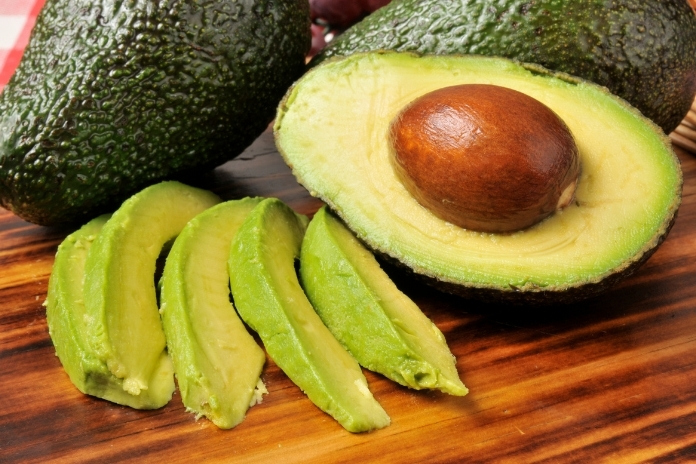
Avocados are one of those rare foods that feel like a treat but act like a superfood. Slice them over toast, blend them into smoothies, mash them into guac; they work with everything. But beyond their rich, buttery taste and Instagram-worthy appeal, avocados pack a serious nutritional punch. They’re loaded with heart-healthy monounsaturated fats, nearly 20 vitamins and minerals, and more fiber than most people realize.
So what happens when you make them a daily habit?
Whether you’re eating them for the taste, the texture, or the health benefits, incorporating avocados into your routine can have real effects on your body, good and potentially not-so-good. In this breakdown, we’ll explore what science says about eating avocados every day: the perks, the possible downsides, and which groups of people might want to think twice before going all in.
Avocado Nutrition at a Glance
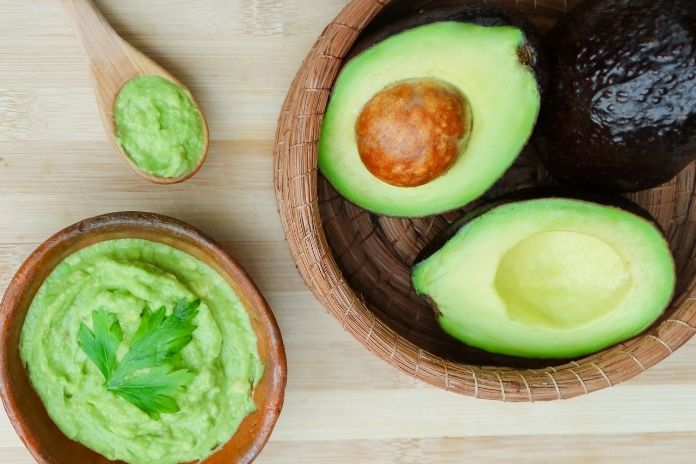
A medium-sized avocado (about 150 grams) offers more than just creamy texture and great taste; it’s a nutritional powerhouse. Here’s what you get from one:
- Calories:~240
- Total Fat:~22g
- Monounsaturated Fat:~15g
- Polyunsaturated Fat:~3g
- Saturated Fat:~3g
- Fiber:~10g
- Carbohydrates:~12g (mostly from fiber)
- Sugar:Less than 1g
- Protein:~3g
Micronutrients worth noting:
- Potassium:~700mg (more than a banana).
- Vitamin K– supports bone health and blood clotting.
- Vitamin E– a potent antioxidant.
- Folate– essential for cell function and DNA repair.
- Vitamin B6– important for brain development and immune function.
- Vitamin C– boosts immunity and skin health.
- Magnesium– supports muscle and nerve function.
Avocados are naturally low in sugar and sodium, making them one of the most nutrient-dense, heart-friendly foods you can add to your diet. They deliver a powerful mix of good fats and fiber, helping you feel full longer while supporting everything from heart health to digestion.
Read More: Avocado Nutrition Facts For Good Health
Health Benefits of Eating Avocados Daily

So, what actually happens to your body when you make avocados a daily staple?
Turns out, quite a lot, and most of it’s good. Thanks to their unique mix of healthy fats, fiber, antioxidants, and micronutrients, avocados don’t just sit pretty on your toast. They actively support multiple body systems, from your heart and gut to your brain and skin.
Let’s break down some of the most science-backed benefits of eating avocados every day.
1. Supports Heart Health
Avocados are a heart-friendly powerhouse. The star here is oleic acid, a monounsaturated fat also found in olive oil. Research shows oleic acid helps reduce levels of LDL cholesterol (the “bad” kind) while maintaining or increasing HDL cholesterol (the “good” kind).
They’re also high in potassium, even more than a banana, which helps regulate fluid balance and counteracts the effects of sodium, contributing to lower blood pressure.
2. Boosts Digestion
A single avocado contains about 10 grams of dietary fiber, nearly 40% of what most people need in a day. This includes both insoluble fiber (which adds bulk to stool) and soluble fiber (which feeds your gut microbes).
A 2021 study found that people who ate one avocado a day had better gut microbiome diversity and increased levels of short-chain fatty acids, a key marker of digestive and metabolic health.
3. Helps with Weight Management
Despite being calorie-dense, avocados can actually help regulate appetite and support fat loss. Why? Because their combo of healthy fats and fiber slows digestion and increases satiety.
In one clinical trial, participants who added half an avocado to their lunch reported 23% higher satisfaction and were 28% less likely to snack over the next 5 hours.
Read More: The Truth about Avocados and Weight Loss – What You Should Know
4. Improves Skin Health
Great skin doesn’t start with serums; it starts in the kitchen. Avocados deliver vitamin E to protect skin from oxidative stress, vitamin C to support collagen production, and fats that hydrate skin from within.
In a 2022 study, women who ate one avocado daily for 8 weeks showed noticeable improvements in skin elasticity and firmness compared to a control group.
5. Supports Brain Function
Your brain loves fat, especially the good kind. Oleic acid helps protect neuron cell membranes, while folate, vitamin B6, and vitamin E work to fight inflammation and slow cognitive decline.
A 2017 study found that older adults who ate one avocado a day had better working memory and problem-solving skills than those who didn’t.
6. Helps Balance Blood Sugar
Here’s the thing: avocados are naturally low in carbs and sugar, with a glycemic index close to zero. Their fat and fiber slow down the absorption of sugars from other foods, helping prevent blood sugar spikes.
A 2019 study showed that meals containing avocado led to lower insulin responses compared to high-carb meals without it.
How Avocados Compare to Other Healthy Fats

Avocados often get grouped with other healthy fats like olive oil, nuts, seeds, and fatty fish, and rightly so. But each of these fats brings something different to the table. Understanding how avocado stacks up can help you decide when it’s the best option, and when something else might work better.
1. Fiber: Avocado Wins
Unlike olive oil or even fish, avocados contain a significant amount of dietary fiber, roughly 10g per medium fruit. This not only helps digestion and gut health, but also increases satiety, which is a major plus if you’re trying to manage your weight. Most oils and animal fats offer zero fiber.
2. Fat Profile: Balanced and Beneficial
Avocados are packed with monounsaturated fats, primarily oleic acid, the same type found in olive oil. These fats are linked to better heart health, reduced inflammation, and improved insulin sensitivity. Compared to nuts like almonds (which also offer monounsaturated fats), avocados are lower in calories per serving and less prone to overeating.
They also contain a small but helpful amount of polyunsaturated fats, including omega-6s, but unlike fatty fish (like salmon), they don’t offer omega-3s. So while avocados are heart-healthy, they’re not a replacement for omega-3-rich sources.
According to Dr. Dariush Mozaffarian, MD, DrPH, cardiologist and director of Food is Medicine Institute at the Friedman School at Tufts University, avocados contain mostly monounsaturated fatty acids, which help decrease LDL (“bad”) cholesterol. This is a noteworthy effect, as high LDL cholesterol levels can increase the risk of heart disease and stroke, as per the experts at the Centers for Disease Control and Prevention.
3. Micronutrients: A Strong Contender
Avocados bring a solid mix of potassium, vitamin K, vitamin E, folate, and magnesium. This gives them an edge over oils, which typically offer fat but not much else. Nuts and seeds also offer micronutrients, but may be higher in calories and more processed if flavored or roasted.
4. Versatility: Avocados Shine in Whole Food Form
While olive oil is better for cooking and dressings, and nuts make great snacks, avocado can work as a spread, a topping, a salad base, or a smoothie ingredient. It’s one of the few fats that can cross over from savory to sweet without feeling out of place.
Bottom line: Avocados hit a rare sweet spot. They combine the satiety of nuts, the heart-health benefits of olive oil, and the nutrient density of leafy greens. They’re not better than other healthy fats across the board, but in terms of fiber + fat + versatility, they’re tough to beat.
Potential Downsides of Eating Avocados Every Day

Avocados are undeniably good for you, but like anything in nutrition, context and moderation matter. Making them a daily staple works well for many people, but it’s not a one-size-fits-all situation. Here’s what to consider before you start scooping one onto every meal.
1. Calorie-Dense
Avocados are rich in healthy fats, but that richness comes with a calorie cost. A medium avocado clocks in at around 240 calories, which can add up quickly if you’re not paying attention, especially if you’re also eating other calorie-rich foods like nuts, oils, or cheese in the same meal.
For people trying to lose or maintain weight, this can quietly throw off their energy balance. You might feel like you’re eating clean but still not seeing results; calories from healthy sources still count.
Solution: Stick to ½ an avocado per day (~120 calories) if you’re watching your intake. It’s enough to get the health perks without tipping into excess.
2. Can Aggravate Sensitivities
Here’s where it gets personal: not everyone digests avocados the same way. They contain chitinases, enzymes linked to latex-fruit syndrome. If you’re allergic to latex, your immune system might also react to avocados, triggering symptoms like an itchy mouth, swelling, hives, or even digestive discomfort.
Also, avocados contain sorbitol, a type of sugar alcohol that belongs to the FODMAP family. For people with IBS or sensitive guts, this can lead to bloating, gas, or cramping, especially in larger portions.
Bottom line: If you feel uncomfortable or off after eating avocado, don’t ignore it. Get tested for latex allergy or FODMAP sensitivity; it could be the missing piece of the puzzle.
3. Nutrient Imbalance from Lack of Variety
Yes, avocados are nutrient-rich. But no, they aren’t complete nutrition in a fruit suit. Relying too heavily on avocados for your fat intake can crowd out other beneficial foods like nuts, seeds, fatty fish, coconut, or extra-virgin olive oil, each of which provides its own unique mix of fatty acids, polyphenols, and trace minerals.
Variety matters in a healthy diet, not just for nutrients but also for supporting a more diverse gut microbiome and avoiding the monotony that leads to diet fatigue.
Bottom line: Use avocados as part of a rotation, not a replacement. Mixing up your fat sources ensures you’re covering your nutritional bases.
The Cultural Obsession with Avocados: More Than a Trend?
Avocados aren’t just a fruit, they’re a statement. Over the last decade, they’ve morphed from a quiet supermarket item into a full-blown wellness icon. Part of it is justified; they’re genuinely good for you. But part of it? Clever marketing, social media, and the rise of the “clean eating” movement.
Think about it: Avocado toast isn’t just breakfast anymore, it’s branding. It’s how influencers show they’re healthy, minimal, and casually rich. Meanwhile, the fruit itself has become shorthand for an entire lifestyle, nutrient-dense, plant-forward, and photogenic.
But here’s the thing: No single food is a miracle. Not kale, not quinoa, not avocado. If you’re eating them because you love them, great. But if you’re eating them because it feels like you should, that’s worth pausing on.
The real flex? Eating with intention, not obsession. Avocados are amazing, but they’re not magic. They’re a piece of a much bigger puzzle that includes balance, variety, and knowing when to roll your eyes at food fads dressed up as facts.
Who Should Be Cautious About Daily Avocado Intake?
Daily avocado consumption is safe for most people, but a few groups should be more mindful:
- People with Weight Loss Goals: Portion control is key due to calorie density.
- People with Latex or Oral Allergy Syndrome: May need to avoid it completely.
- Individuals with IBS or FODMAP Sensitivities: Monitor for bloating or digestive distress.
- People with Kidney Issues: Avocados are high in potassium, which can be harmful for those with reduced kidney function.
Always speak with a dietitian or healthcare provider if you fall into any of these categories.
Best Ways to Eat Avocados Every Day (Without Overdoing It)
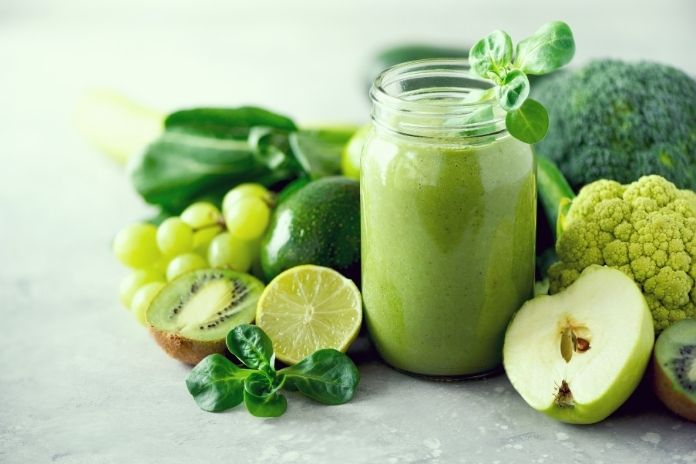
Avocados can fit into your daily routine beautifully, but portion control and creativity make all the difference between a smart habit and a nutrition overload. The goal isn’t to pile avocado on everything; it’s to use it strategically, where it adds value without excessive calories or fat.
Here’s how to get the most out of your daily dose:
Stick to the Sweet Spot
½ avocado per day (about 120 calories) is a great benchmark for most people. It gives you the fiber, healthy fats, and micronutrients, without pushing your calorie intake too high.
Healthy, Balanced Ways to Include Avocado:
- On whole-grain toast: Top it with a squeeze of lemon, a sprinkle of chili flakes, and maybe a poached egg for a filling, fiber-rich breakfast that keeps you full for hours.
- Blended into green smoothies: Add ¼ to ½ an avocado for a creamy texture that replaces dairy or banana, plus it adds healthy fats to help absorb fat-soluble vitamins.
- Tossed into salads: Cubed or sliced, avocado gives salads some heft, flavor, and satisfaction, especially when paired with crunchy greens, grains, or beans.
- In tacos or grain bowls: A few slices of avocado balance out spicy or acidic ingredients, especially in dishes with beans, lentils, or grilled proteins.
- Mashed into guac or hummus: Skip the chips. Use sliced cucumbers, carrots, or whole-grain crackers for dipping. Bonus: mash into hummus for a silky twist.
- On top of soups or curries: A spoonful of avocado over hot soup (like lentil or tortilla) or spicy curry brings richness and cools down the heat.
What to Avoid:
- Piling avocado on already fatty meals.
Think: burgers with cheese and mayo, or creamy pastas. Avocado in these combos pushes your fat intake too high without nutritional payoff.
- Using avocado as an afterthought.
Don’t just throw it in because it’s trendy. Use it where it replaces something less nutritious, like mayo, cream, or processed dressings.
Bottom line: Avocado works best when it elevates your meal, not when it overwhelms it. A little goes a long way in improving texture, flavor, and nutritional quality.
Final Thoughts
Avocados are more than just trendy; they’re a nutritional powerhouse. But the real win isn’t in blindly adding them to every meal. It’s in knowing why you’re eating them and how they actually serve your health. One avocado won’t transform your diet, just like one slice of cake won’t ruin it. What matters is the bigger picture: balance, variety, and intention.
So eat your avocado, but don’t worship it. Pair it with fiber-rich carbs, lean proteins, and colorful produce. Treat it like what it is: a healthy fat, not a miracle.
In the end, wellness isn’t built on single ingredients. It’s built on habits. And avocado? It’s just one of the many tools in your corner. Use it well.
References
- https://nutritionsource.hsph.harvard.edu/avocados/
- https://www.medicalnewstoday.com/articles/270406
- https://californiaavocado.com/nutrition/avocado-nutrition-facts/
- https://www.verywellfit.com/calories-in-an-avocado-3495640
- https://pmc.ncbi.nlm.nih.gov/articles/PMC3664913/
- https://www.nzavocado.co.nz/avocado-nutrition/
- https://redcliffelabs.com/myhealth/food-and-nutrition/calories-in-an-avocado-nutrients-and-health-benefits/
- https://www.metropolisindia.com/blog/preventive-healthcare/top-avocado-fruit-benefits-you-didnt-know-about
- https://www.webmd.com/vitamins/ai/ingredientmono-890/avocado
- https://www.medicinenet.com/what_are_the_benefits_of_avocado/article.htm
- https://www.medicalnewstoday.com/articles/270406
- https://betterme.world/articles/negative-side-effects-from-avocado/
In this Article