










Cheese is undoubtedly one of the most popular foods in the world, as it is rich, flavorful, gooey, and melts beautifully. People have used this popular dairy product in cuisines worldwide for at least 7,000 years. You can find it in dishes like sandwiches, casseroles, salads, pizzas, and traditional comfort foods such as macaroni and cheese. Cheese enhances food by adding flavor, texture, color, and scent.
Cheese is a favorite among Americans. The United States is second only to the European Union in terms of cheese consumption per capita, according to Statista Research.
Although the creamy richness of cheese is excellent, those with high blood pressure may find it problematic. According to the World Health Organization, 1.28 billion people around the world suffer from high blood pressure, which is sometimes referred to as the “silent killer.” The World Health
The organization states that a diet high in saturated fat and salt is a risk factor for hypertension.
Since the truth lies somewhere between excess and moderation, the love-hate connection between cheese and blood pressure warrants further investigation.
Read More: What Your Blood Pressure Numbers Really Mean
Why Cheese Raises Concerns for Blood Pressure
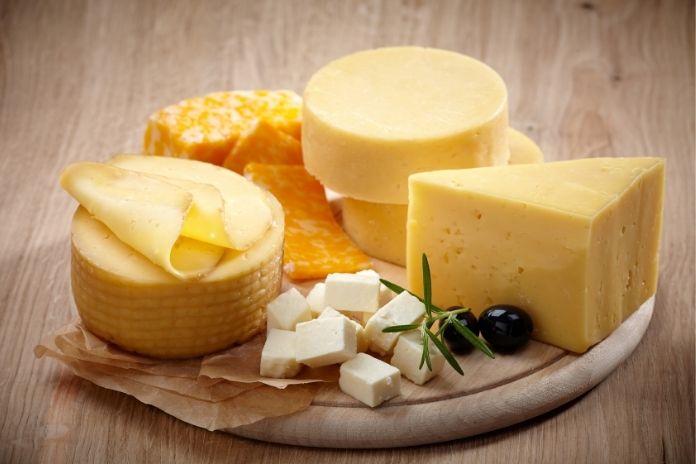
Despite its deliciousness, cheese’s nutritional composition raises concerns about its impact on blood pressure. Its high salt level is one of the main issues.
There is conflicting evidence from research regarding the relationship between cheese and hypertension.
Research suggests that saturated fat, commonly present in many types of cheese, may elevate cholesterol and triglyceride levels, which can contribute to high blood pressure. Since sodium is a known cause of hypertension, cheese’s typically high salt content is also a cause for worry.
According to preventive cardiology nutritionist Michelle Routhenstein, MS, RD, CDCES, CDN, people with hypertension should monitor their daily intake of both nutrients. “These factors may increase the risk of plaque formation in the arteries over time, especially if consumed in excess,” she told Health.
The total fat content of the cheese you choose—which can range from full-fat to non-fat—is one of the factors to consider when calculating how much cheese you should eat each day. Although the American Heart Association still recommends low-fat dairy as a heart-healthy option, recent research suggests the situation may be more complex.
In summary, cheese isn’t necessarily “bad,” but the amount of fat and salt it contains may mount up rapidly. Portion control and cheese selection are crucial for individuals with high blood pressure or those seeking to manage it.
How Cheese Might Benefit Blood Pressure

People sometimes blame cheese for its high fat and salt content, but they also recognize its minerals that may help lower blood pressure.
Despite its corny tone, cheese may be melted, cut, or shredded. Additionally, if you enjoy cheese but have high blood pressure, you may wonder how to incorporate it into your diet and which cheeses are best suited for you.
Many patients find it very challenging to break these behaviors. Imagine if eating cheese could actually help reduce blood pressure—how easy would that be?
However, there is reason to believe that cheese might have quantifiable, beneficial effects on hypertension, according to experts at the Center for Dairy Research (CDR). “Functional foods,” such as kefir and yogurt, high in probiotics, offer particular health advantages.
Furthermore, even as demand for these niche goods continues to rise, most people wouldn’t consider cheese to be a meal that can lower blood pressure. However, the result may have this quality due to unique chemicals produced during the cheesemaking process.
Rennet and other enzymes may break down proteins into smaller parts known as peptides during the making and aging process of cheese. Dairy-derived peptides can occasionally play regulatory roles in the human body, lowering blood pressure, enhancing immunity, and promoting antioxidant and anti-inflammatory activity.
Rodrigo Ibáñez is studying these peptides, which are referred to as “bioactive peptides” because they elicit a physiological response. In order to create cheeses with more bioactive peptides, Ibáñez, an associate scientist at CDR, will employ both conventional and unconventional cheesemaking methods.
Read More: Smart Monitoring: The Top 6 Upper Arm Blood Pressure Monitors for Convenient Health Tracking
How Much Cheese Is Too Much for Blood Pressure?
Moderation is very crucial when it comes to cheese and blood pressure. Rosanne Rust, RDN, LDN, a registered dietitian located in Meadville, Pennsylvania, and author of the DASH Diet for Two cookbook, says that the best cheese options are Swiss, feta, and Parmesan. She points out that “2 tablespoons per serving provides the flavor boost with minimal sodium.”
Rust also recommends choosing ricotta cheese over regular cottage cheese, or, if you must have cottage cheese, opting for no-salt-added, low-fat cottage cheese. “Some cottage cheese is actually pretty high in sodium compared to ricotta or hard cheeses,” she explains. Ultimately, when considering the best cheese for high blood pressure, Rust advises reading labels, comparing brands, and being mindful of portion sizes.
According to the Cleveland Clinic, it’s best to limit processed and hard cheeses such as cheddar, Muenster, and cheese spreads. Instead of fresh mozzarella, consider a lower-sodium option.
Enjoying cheese in moderation may support healthy blood pressure, but pay attention to how it’s included in your diet—foods like cheeseburgers and pepperoni pizza aren’t the healthiest choices. Instead, combine small quantities of cheese with other DASH meals, such as whole grains, fruits, and vegetables.
Healthier Ways to Enjoy Cheese Without Spiking BP
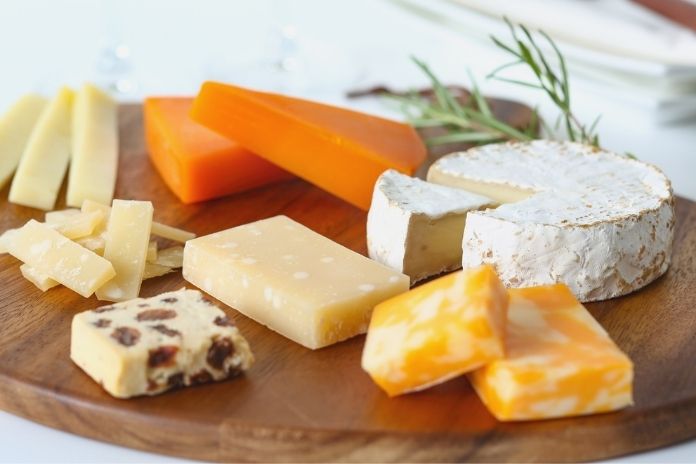
If you choose wisely and control your portion sizes, you can still include cheese in a heart-healthy diet.
Despite the varying research findings on cheese and blood pressure, cardiac dietitian Veronica Rouse, MAN, RD, CDE, said guidance on cheese and hypertension isn’t as confusing as it may seem. “Overall, the consensus is that moderation matters,” she told Health. “Eating large amounts of salty cheeses regularly can contribute to higher blood pressure, but small portions within a healthy diet have neutral effects.”
In contrast, the Dietary Guidelines for Americans 2020–2025 recommend consuming three servings of dairy products daily.
Control Portion Sizes: Routhenstein says one ounce (roughly the size of your thumb or four dice) is an optimal serving.
Limit processed cheese, i.e., American slices or cheese spreads, as a way to monitor your sodium intake. Processed cheeses are often among the biggest contributors of sodium in the diet.
Choose Cheese with Less Saturated Fat: Soft, fresh cheeses, such as cottage cheese, ricotta, and mozzarella, are lower in saturated fat.
Choose nutritious pairings: “Try pairing cheese with potassium-rich foods like bananas, oranges, or tomatoes to help offset its sodium content and support healthy blood pressure,” Routhenstein suggested.
Read More: 17 Ways to Lower Your Blood Pressure Naturally
Who Should Be Extra Cautious?

While many people can consume cheese in moderation, certain groups should be more cautious about their intake. First and foremost are people who have hypertension. Even moderate amounts of cheese may complicate their attempt to stay within safe daily limits, as ingesting too much salt can raise blood pressure.
Individuals having kidney disease should also exercise caution. Because kidneys play a key role in removing excess sodium from the blood, when they don’t function properly due to kidney disease, it can lead to increased salt buildup, which in turn can cause fluid retention in the body, as well as placing extra stress on the body.
Similarly, if someone is at an increased risk of heart disease, they should limit their cheese intake, as the saturated fat and salt in cheese can contribute to an increase in cardiovascular risk factors.
The Top 4 Cheeses for Hypertension
Low-Fat Swiss Cheese: If you’re watching your blood pressure and following a heart-healthy diet, low-fat Swiss cheese is a great option. It is also lower in calories and has less saturated fat than other cheeses, while still retaining a great cheese flavor without being too salty. One 1-ounce slice of low-fat Swiss cheese has 56 milligrams of sodium and less than 1 gram of saturated fat, according to the USDA.
Part-Skim Mozzarella: Mozzarella is another excellent choice for cheese lovers trying to manage their blood pressure. In particular, part-skim mozzarella has less saturated fat than full-fat mozzarella—less than 3 grams of saturated fat and 175 mg of sodium per ounce, according to the USDA.
Part-Skim Ricotta: If you’re looking for a savory and creamy addition to a heart-healthy diet, try part-skim ricotta cheese. According to the USDA, part-skim ricotta cheese contains only 1 gram of saturated fat and 28 milligrams of sodium (less than 1% of the daily intake) per 1-ounce serving. The nutritional value is lower than that of full-fat dairy products. This cheese is rich in calcium, which is beneficial for heart health and blood pressure regulation.
Low-Fat Cottage Cheese: According to the USDA, low-fat cottage cheese contains approximately 1.5 grams of saturated fat and 353 milligrams of sodium in a half-cup serving, so you can eat this cheese if you suffer from high blood pressure. Cottage cheese is also a great source of calcium and phosphorus, which are essential for maintaining healthy bones and regulating blood pressure.
Read More: Stress Hormones and Hypertension: How Stress Affects Blood Pressure and 7 Ways to Lower It
Conclusion
Simply eating cheese every day doesn’t guarantee that your blood pressure will lower; it’s actually the type of cheese and the amount that can affect your blood pressure. Conversely, cheese contains significant amounts of saturated fat and often salt; eating it in excess may lead to high blood pressure and place long-term strain on the heart.
On the positive side, cheese contains protein, calcium, and bioactive compounds, which, when consumed in moderation, may support vascular health.
The overall point is honest and straightforward: cheese isn’t bad, but it isn’t a pass either. Cheese tastes good, and you can control how healthy you eat cheese by consuming less of it, as well as opting for less processed or higher-sodium versions, and ensuring you do not overeat it compared to nutrient-dense foods like vegetables, whole grains, and lean meats.
References
- https://www.yahoo.com/lifestyle/4-best-cheeses-high-blood-230720375.html
- https://www.eatingwell.com/article/8013604/what-happens-to-your-body-when-you-eat-cheese-every-day/
- https://www.health.com/blood-pressure-when-you-eat-cheese-every-day-11798055
- https://www.who.int/news-room/fact-sheets/detail/hypertension
- https://www.mdpi.com/2072-6643/11/9/1970
- https://entirelynourished.com/about
- https://grow.cals.wisc.edu/deprecated/on-henry-mall/cheese-treatment-for-hypertension
- https://www.usdairy.com/news-articles/eating-cheese-might-provide-heart-health-benefits
- https://www.everydayhealth.com/hypertension/high-blood-pressure-and-cheese/
- https://www.cdr.wisc.edu/
- https://www.cdr.wisc.edu/staff/rodrigo-ib%C3%A1%C3%B1ez-alfaro
- https://rustnutrition.com/
- https://health.clevelandclinic.org/heart-failure-diet
- https://theheartdietitian.com/the-heart-dietitian-meet-veronica-rouse/
- https://fdc.nal.usda.gov/food-details/170847/nutrients
- https://fdc.nal.usda.gov/food-details/168141/nutrients
In this Article