













Blood pressure is one of the most fundamental markers of cardiovascular health. It measures the force of blood pushing against artery walls with each heartbeat, recorded as systolic pressure (the top number, when the heart contracts) and diastolic pressure (the bottom number, when the heart relaxes). Normal blood pressure is generally considered around 120/80 mmHg, while readings consistently above 130/80 mmHg fall into the category of hypertension.
For the 1.28 billion adults worldwide living with hypertension, exercise isn’t just about fitness; it’s a prescription for life. Cardio has long been championed for lowering blood pressure, but strength training often sparks questions: Does lifting weights make blood pressure spike too high? Is it safe for people with hypertension?
The reality is more nuanced. Strength training does cause short-term rises in blood pressure during exercise; however, over the long term, it can help lower resting blood pressure and improve vascular health. Understanding the difference between immediate, short-term, and long-term effects is key to using resistance training safely and effectively.
Immediate Effects of Strength Training on Blood Pressure
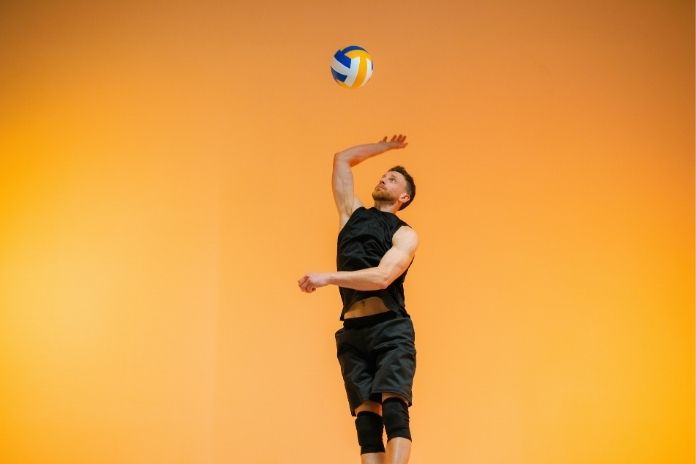
The moment you grip a barbell, hoist a dumbbell, or push through a heavy squat, your circulatory system reacts instantly. Strength training isn’t just about building muscles; it’s a full-body stress test in miniature. As your muscles contract, the heart works harder to pump blood through the body, and blood pressure responds in real time. Understanding these immediate effects can help you train safely and effectively.
Temporary Spike in Pressure
During lifts, particularly heavy, compound movements like squats, deadlifts, and bench presses, blood pressure can rise sharply. Research found that systolic blood pressure may exceed 300 mmHg during maximal lifts, with diastolic pressure climbing significantly as well.
Why does this happen?
- Muscle contractions compress blood vessels, making it harder for blood to flow.
- The heart compensates by pumping harder, temporarily elevating blood pressure.
- This spike is normal and transient for healthy individuals, subsiding once the effort ends.
The Role of the Valsalva Maneuver
Many lifters instinctively hold their breath during heavy lifts, a technique known as the Valsalva maneuver. This stabilizes the core, increases intra-abdominal pressure, and protects the spine. However, it also causes a rapid, sharp increase in blood pressure.
During strength training, your blood pressure temporarily rises, especially during heavy lifting or when using the Valsalva maneuver, a common powerlifting technique that involves holding your breath, as mentioned by Alex McDonald, MD, CAQSM, FAAFP, a family and sports medicine physician with Kaiser Permanente.
This change in blood pressure is normal and not dangerous for most people, especially those who have normal blood pressure and a healthy heart, added McDonald.
Normal for Most, Risky for Some
For most healthy adults, these acute elevations in blood pressure are temporary and harmless. The cardiovascular system is designed to handle short bursts of strain, and repeated exposure during training can even improve overall heart health over time.
However, caution is needed for:
- Individuals with severe or uncontrolled hypertension.
- People with existing heart conditions.
- Those new to heavy resistance training without supervision.
Proper breathing techniques, gradual progression in weight, and medical clearance when necessary help ensure safety. By following these guidelines, lifters can reap the benefits of strength training while minimizing cardiovascular risks.
Read More: 7 Signs You’re Overtraining and How to Avoid It
Mechanisms Behind Blood Pressure Changes in Strength Training
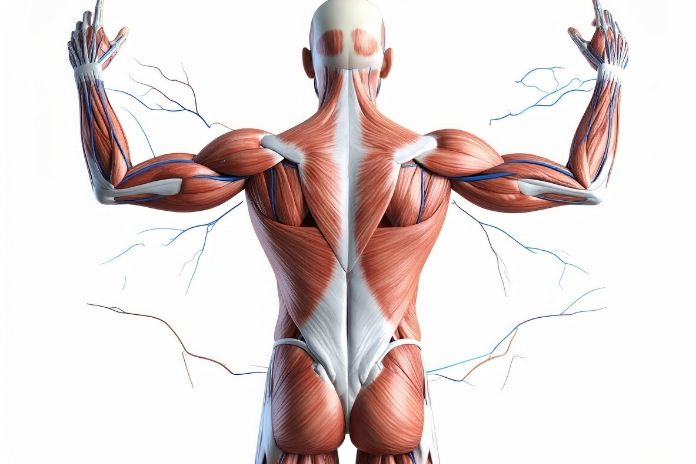
Strength training influences blood pressure through a combination of mechanical, neural, and hormonal factors. Understanding these mechanisms helps explain why lifts cause temporary spikes yet contribute to long-term cardiovascular benefits.
1. Muscle Contraction and Vascular Resistance
When you lift weights, skeletal muscles contract forcefully, compressing nearby blood vessels. This increases peripheral vascular resistance, meaning the heart must pump harder to maintain blood flow. The result is a temporary rise in both systolic and diastolic blood pressure, which typically returns to baseline after the effort ends.
2. Neural Control and Sympathetic Activation
Heavy lifting activates the sympathetic nervous system, your body’s “fight-or-flight” response. This increases heart rate and cardiac output, further elevating blood pressure during the lift. Short bursts of sympathetic activation are normal and safe for healthy individuals, but can be riskier for those with uncontrolled hypertension.
3. The Valsalva Maneuver
Many lifters instinctively hold their breath during exertion to stabilize the core. This Valsalva maneuver increases intra-abdominal pressure, providing spinal support but also producing a sharp, transient spike in blood pressure. Controlled breathing techniques mitigate this effect while maintaining stability.
4. Hormonal Shifts
Resistance exercise triggers the release of hormones like adrenaline and noradrenaline, which prepare the body for effort by increasing heart rate and vascular tone. Over time, repeated bouts of exercise improve the body’s hormonal and vascular responsiveness, contributing to lower resting blood pressure.
5. Endothelial Function and Nitric Oxide
Consistent strength training enhances endothelial function, increasing nitric oxide availability. Nitric oxide helps blood vessels dilate more efficiently, reducing vascular resistance and improving circulation. This effect underlies many of the long-term blood pressure benefits seen in both healthy individuals and those with hypertension.
By combining mechanical strain, neural signaling, and hormonal adaptation, strength training temporarily challenges the cardiovascular system while simultaneously promoting long-term resilience and improved blood pressure regulation.
Short-Term Recovery Phase: Post-Exercise Hypotension

The moment your workout ends and the weights are racked, your body enters a different state. During this recovery phase, blood pressure often drops below pre-exercise levels, a phenomenon known as post-exercise hypotension (PEH). Unlike the temporary spikes during lifting, this dip is generally beneficial and reflects how the cardiovascular system adapts to exercise stress.
One study found that an acute combined session (aerobic + resistance) induced longer-lasting hypotensive effects compared to resistance-only or aerobic-only sessions.
Why Does Post-Exercise Hypotension Happen?
- Vasodilation: Blood vessels widen after exercise to improve circulation and dissipate heat generated by muscular activity.
- Reduced vascular resistance: The temporary strain from lifting makes vessels more elastic, allowing blood to flow more easily.
- Hormonal shifts: Exercise dampens sympathetic nervous system activity, the “fight-or-flight” response, reducing vascular tension and promoting relaxation.
- Improved endothelial function: Strength training stimulates the lining of blood vessels, improving nitric oxide availability, which further helps blood vessels expand.
For individuals with mild hypertension, these short-term reductions in blood pressure act almost like a natural medication, helping to lower cardiovascular strain for several hours post-workout. Even brief sessions of resistance training can accumulate these benefits over time, contributing to long-term heart health and better blood pressure management.
Long-Term Effects of Strength Training on Blood Pressure

While acute spikes and post-workout dips in blood pressure are fascinating, the bigger question is what happens when strength training becomes a consistent habit. Over time, resistance training can have lasting benefits for cardiovascular health, particularly for those with elevated blood pressure.
Resting Blood Pressure Reduction
Regular resistance training lowers resting blood pressure. Meta-analyses indicate reductions of approximately 6–7 mmHg for systolic pressure and 4–5 mmHg for diastolic pressure in individuals with hypertension.
A 2021 meta-analysis found that every 5 mmHg reduction in systolic blood pressure lowers the relative risk of major cardiovascular events by approximately 10%.
Improved Vascular Health
Strength training also enhances endothelial function, which refers to how well the lining of blood vessels can dilate in response to increased blood flow. Improved vessel elasticity reduces vascular resistance, easing the workload on the heart and improving overall circulation. This effect complements other cardiovascular benefits and helps the body adapt to both exercise and daily life stresses.
Lower Cardiovascular Risk
Beyond blood pressure itself, resistance training positively affects body composition and metabolism. It reduces abdominal fat, increases lean muscle mass, and improves insulin sensitivity, all factors that support healthy blood pressure and lower overall cardiovascular risk.
A recent Health article outlines long-term benefits of strength training, noting improved vascular function, better body composition, and lower resting blood pressure.
In short, the long-term benefits of strength training extend far beyond muscle size or aesthetics; they actively promote a healthier, more resilient cardiovascular system.
Strength Training vs. Cardio: Which Is Better for Blood Pressure?

For decades, aerobic exercise has been the default recommendation for blood pressure management, and for good reason. Cardio workouts such as brisk walking, cycling, or swimming improve heart health, reduce resting heart rate, and help regulate blood pressure. But strength training offers unique advantages that make it an equally important part of a heart-healthy routine.
Cardio’s Role
Aerobic exercise primarily targets the cardiovascular system. Studies consistently show that regular cardio can lower systolic blood pressure by 5–8 mmHg on average. This happens because sustained aerobic activity improves heart efficiency, enhances oxygen uptake, and promotes healthy blood vessel function. Beyond blood pressure, cardio supports weight management, lung capacity, and overall endurance.
Strength Training’s Role
Resistance training, such as weightlifting, bodyweight exercises, or resistance bands, also contributes meaningfully to blood pressure reduction, often by similar margins to cardio. However, it offers additional benefits:
- Increased muscle mass: More muscle elevates resting metabolism, helping with long-term weight and metabolic health.
- Improved bone density: Reducing the risk of osteoporosis and fractures, especially important with aging.
- Enhanced functional strength: Making daily activities, like lifting groceries, climbing stairs, or carrying children, easier and safer.
The Best of Both Worlds
A 2021 systematic review found that combining aerobic and resistance training leads to greater reductions in blood pressure than performing either type alone. In practical terms, alternating days of cardio and strength training, or incorporating both into a single session, maximizes cardiovascular, metabolic, and musculoskeletal benefits.
In short, cardio and strength training are complementary rather than competing. For optimal blood pressure management, a mixed approach provides the most robust and long-lasting results.
Read More: Strength Training vs. Cardio: Finding the Perfect Balance
Tips for Safe Strength Training if You Have High Blood Pressure

Living with hypertension doesn’t mean you have to avoid resistance training. In fact, when done correctly, strength training can complement cardiovascular health and help lower blood pressure over time. Safety is key, and a thoughtful approach ensures benefits without unnecessary risk.
- Warm Up Thoroughly: Start each session with 5–10 minutes of light cardio, like brisk walking or cycling, or dynamic stretching. Warming up increases blood flow, dilates vessels, and gradually raises heart rate, preparing the cardiovascular system for the demands of resistance exercise.
- Practice Proper Breathing: Avoid holding your breath during lifts. Exhale during exertion (the lift) and inhale during the lowering phase. Prolonged breath-holding, such as the Valsalva maneuver, can cause sharp spikes in blood pressure, which may be risky for those with hypertension. Controlled breathing keeps both blood pressure and core stability in check.
- Start Light, Progress Gradually: Begin with lighter weights and higher repetitions, around 12–15 reps per set. This approach reduces acute spikes in blood pressure while still promoting strength, muscular endurance, and metabolic benefits. Gradually increase resistance only as your strength and tolerance improve.
- Rest Adequately Between Sets: Allow 60–90 seconds of rest between sets, or longer if needed. Giving your cardiovascular system time to recover between efforts helps keep blood pressure from rising too rapidly and supports safer training overall.
- Monitor Your Blood Pressure: Regularly track your blood pressure, especially when starting a new program. Share your routine with your physician to ensure it aligns with your health profile and any medications you may be taking.
The American College of Sports Medicine (ACSM) recommends 2–3 days per week of resistance training for individuals with controlled hypertension, in addition to 150 minutes of moderate aerobic activity per week. Following these guidelines allows you to enjoy the benefits of strength training while minimizing cardiovascular risk.
Read More: Best Blood Flow Restriction (BFR) Bands for Strength Training
When to Be Cautious and Seek Medical Advice
Strength training is safe and beneficial for most adults, although certain conditions or warning signs require extra caution. Consulting a healthcare professional before beginning or modifying a resistance training program ensures safety and maximizes benefits.
1. Uncontrolled Hypertension
If blood pressure consistently exceeds 160/100 mmHg, it’s important to get medical clearance before starting or intensifying strength training. Exercising under uncontrolled hypertension can increase the risk of acute cardiovascular events. Your physician can help you develop a safe approach, including gradual progression and monitoring strategies.
2. Warning Symptoms During Exercise
Pay close attention to your body. Experiencing chest pain, dizziness, unusual shortness of breath, or palpitations during or immediately after lifting is a red flag. These symptoms should never be ignored, as they may indicate an underlying cardiovascular issue. Stop exercising immediately and seek prompt medical evaluation.
3. Existing Cardiovascular Conditions
Individuals with a recent heart attack, arrhythmias, advanced arterial disease, or heart failure should not start independent resistance training without professional supervision. Structured programs under guidance from cardiologists or cardiac rehabilitation specialists provide a safe environment, allow tailored intensity, and help monitor responses to exercise.
4. Other Considerations
Even in otherwise healthy adults, factors such as uncontrolled diabetes, kidney disease, or certain medications may require modified strength training protocols. A pre-exercise consultation ensures that your program is aligned with your health status and minimizes risk.
By knowing when to exercise caution and seeking medical advice proactively, you can enjoy the benefits of strength training while protecting your heart and overall health.
Conclusion: Strength Training Can Be Heart-Friendly
Strength training is often associated with building muscles, but its benefits extend far beyond aesthetics. When approached thoughtfully, resistance training is a powerful tool for heart health and blood pressure management, offering immediate, short-term, and long-term advantages.
Immediately: During heavy lifts, it’s normal to see a spike in blood pressure, particularly if you hold your breath. This temporary response is part of the body’s natural adaptation to exertion and usually poses no risk for healthy individuals.
Short term: Once the session ends, blood pressure often dips below baseline, a phenomenon called post-exercise hypotension. For several hours after training, your heart and vessels experience a natural relief, similar to the effects of a mild antihypertensive intervention.
Long term: Over weeks and months, consistent strength training reduces resting blood pressure, improves vascular flexibility, enhances endothelial function, and lowers overall cardiovascular risk. Combined with improved body composition and metabolic health, these adaptations make your heart, blood vessels, and muscles more resilient.
For most people, including those with mild or controlled hypertension, strength training is safe and highly beneficial when paired with cardio, proper breathing techniques, gradual progression, and regular medical guidance if needed. The goal isn’t to avoid lifting but to train smart, stay consistent, and integrate resistance training into a balanced lifestyle.
In the end, your body isn’t just getting stronger, it’s becoming healthier, more efficient, and better equipped to handle everyday life. By approaching strength training thoughtfully, you give your heart, your blood vessels, and your muscles a chance to thrive together.
References
- https://pmc.ncbi.nlm.nih.gov/articles/PMC9814600/
- https://www.health.harvard.edu/heart-health/strength-training-and-blood-pressure
- https://www.massgeneralbrigham.org/en/about/newsroom/articles/strength-training-and-blood-pressure
- https://www.medicalnewstoday.com/articles/hypertension-strength-training-is-effective-in-managing-high-blood-pressure
- https://pubmed.ncbi.nlm.nih.gov/21896934/
- https://www.ahajournals.org/doi/10.1161/hypertensionaha.111.177071
- https://www.mayoclinic.org/diseases-conditions/high-blood-pressure/in-depth/high-blood-pressure/art-20045206
- https://www.honorhealth.com/healthy-living/6-best-exercises-control-high-blood-pressure
- https://www.sciencedirect.com/science/article/pii/S0531556523001146
- https://pmc.ncbi.nlm.nih.gov/articles/PMC9814600/
- https://www.massgeneralbrigham.org/en/about/newsroom/articles/strength-training-and-blood-pressure
- https://www.health.harvard.edu/heart-health/strength-training-and-blood-pressure
- https://www.sciencedirect.com/science/article/pii/S0531556523001146
- https://www.medicalnewstoday.com/articles/hypertension-strength-training-is-effective-in-managing-high-blood-pressure
- https://www.apollo247.com/blog/article/strength-training-to-manage-blood-pressure
In this Article