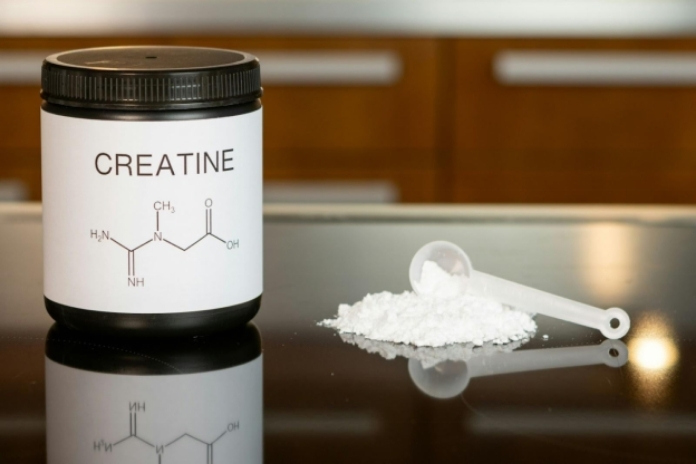













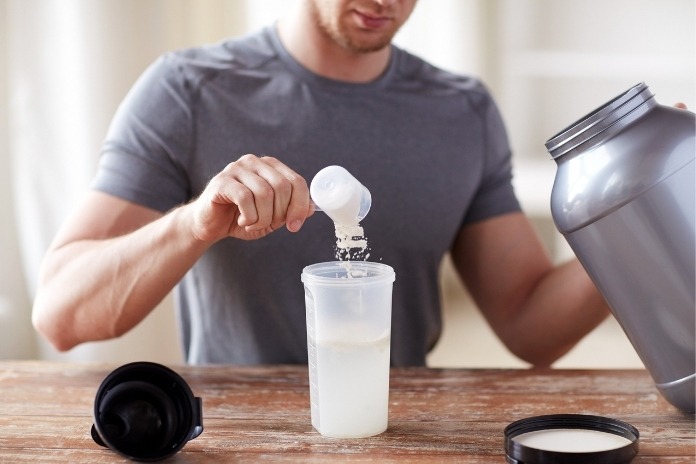
Athletes and most fitness enthusiasts often turn to creatine supplements to gain a competitive edge or enhance muscle growth.
Creatine is one of the most researched supplements and is widely used to increase muscle mass and improve athletic performance. Because of this extensive research, it has developed an outstanding reputation in the fitness community as well as on social media.
With strong scientific backing and constant praise from fitness influencers and athletes, it may seem like creatine can be consumed indefinitely.
However, creatine isn’t a drug, and stopping it is entirely safe. Discontinuing creatine doesn’t cause withdrawal symptoms; your body returns to its normal creatine levels over time. If you stop taking creatine, you won’t suddenly lose muscle size or strength.
This article explains exactly what changes to expect, what won’t change, and why quitting creatine isn’t something to worry about.
Read More: Does Taking Creatine Make You Gain Weight? What Science Really Says
Why People Worry About Stopping Creatine
There is so much myth and misinformation around supplements that a lot of people are fearful of quitting creatine. One common myth is that you will suffer a “crash” or withdrawal if you stop taking creatine. You can’t get addicted to creatine nor suffer withdrawal since it doesn’t alter your hormones or stimulate your nervous system.
Confusion between the effects of creatine and the outcomes of regular exercise is another cause for concern. While creatine does help with strength gain, stamina, and intensity of the workout, the training itself builds the muscle.
Many people think they’ve lost muscle when they stop taking creatine and notice a weaker pump, a drop in stamina, and weight gain. This usually happens because muscles lose some of the water stored with creatine, and performance may fluctuate, not because of actual muscle loss.
What Happens in Your Body When You Stop Taking Creatine
Your body doesn’t go into shock when you stop taking creatine supplements. The human body is an intelligent mechanism that constantly changes and adapts. The body will begin to produce more creatine on its own when supplement intake is stopped.
After you stop taking creatine, your muscles slowly use up the creatine they have stored. Typically, this procedure takes four to six weeks. You may experience some adverse effects during this period, such as a modest decline in your strength and stamina.
It is normal and anticipated, so don’t worry. It’s merely your body getting used to having less creatine in the muscles.
Over time, your body will produce more creatine on its own and regain its normal creatine balance, even though it can take a few weeks. Creatine helps you work out a little harder and lift a bit more. When you stop taking it, that extra help goes away.
Will You Lose Muscle or Strength After Stopping Creatine?
If you’re an athlete or a fitness enthusiast, you may have considered using creatine to improve your performance and muscle growth.
Creatine is one of the most popular and well-researched supplements for growing muscle and increasing sports performance. But what happens when you stop taking it?
Stopping creatine doesn’t automatically mean you will lose muscle or strength, but it’s helpful to understand the difference between muscle size, strength, and performance.
While creatine can help to enhance muscular mass and strength, the gain may not be long-lasting.
It will largely depend on your workout plan and nutrition after you stop using creatine. When you stop using creatine, your muscle mass and strength may progressively decrease.
It is not due to muscle loss but due to water loss. It is because creatine stimulates muscle cells to retain more water, temporarily increasing weight.
A study, which was published in the Journal of Strength and Conditioning Research, indicated that creatine supplements raised total body water content by about 3 pounds, with the majority of the increase happening in muscle water content. You might see some muscle loss, but it may not be severe.
Proper nutrition, a well-designed workout regimen, and adequate rest and recovery are all critical for muscle growth.
In fact, studies have shown that resistance training alone may lead to significant improvements in muscle development and strength, even without creatine supplementation.
Read More: Creatine vs. Pre-Workout: Key Differences, Benefits, and Which One You Should Choose
Changes You Might Notice After Stopping Creatine
Perhaps you’re worried about sudden changes in your body when you decide to stop taking creatine supplements, e.g., for a planned break or to see what your ‘baseline’ looks like. The good news is that these changes (most affecting the body’s water balance) are usually minor and often only temporary.
Body Weight and Water Retention
A modest drop in body weight is possibly the most obvious initial consequence of stopping creatine monohydrate. This is due to the loss of intracellular water that creatine helps attract into your muscle cells. This fluid shift is nearly solely responsible for the 3–7 pounds that many people report losing in the first week or two after quitting.
It’s important to stress that this is water weight and not a significant loss of muscle or true fat. The majority of the weight you acquired from creatine came from water in your muscles, which added to their fullness. The muscles will discharge this excess water when your body’s creatine stores progressively return to normal.
Exercise Performance and Fatigue
If you’ve been using creatine regularly, you might notice a slight change in your workouts, particularly during high-intensity activities like lifting heavy weights or running.
“Once you stop taking creatine, the body’s stored levels of phosphocreatine gradually decline over the next four to six weeks,” said Avery Zenker, RD, a registered dietitian at Queen’s University. “Since creatine supports the rapid regeneration of ATP, this may lead to subtle decreases in high-intensity exercise performance.”
That doesn’t mean your muscle gain will vanish overnight. In fact, Avery Zenker said, “Most users report a plateau or slight decrease in energy, endurance, or recovery, rather than a full reversal of progress.”
Muscle “Fullness” or Pump
Some individuals notice that their muscles appear less full or pumped after they have stopped creatine supplementation. This is precisely what you are experiencing, as your muscles now begin to release the additional water they were holding when you were taking creatine.
As the creatine from the supplement gradually decreases in your muscles, the osmotic force that brought water in also decreases, leading to a decrease in intracellular fluid. It may result in losing a couple of pounds on the scale in the first week or two after quitting.
Remember that shedding this initial weight is mostly water, not a loss of muscle or fat. It would be discouraging to watch the scale drop or see your muscles look “less full”; however, it’s only a temporary, small change.
Your muscle tissue isn’t losing; it’s just returning to its natural state of hydration. Some people may not even notice any difference, while others may see their muscles look a little flatter or feel a little less pumped overall.
This alteration in water balance is a physiological response. The importance of regular hydration applies to all physical activities, including those which involve creatine supplementation, so you must stay well hydrated at all times. Hydration is very critical to maintaining regular cellular activity and electrolyte balance, supporting performance and aiding recovery.
Is There Any Withdrawal or Health Risk From Stopping Creatine?
If you stop having creatine, you will not experience any withdrawal symptoms or any health risks. Because creatine is neither a stimulant nor a drug, it does not affect the brain’s reward pathways or hormone regulation.
Because your body naturally makes creatine every day, stopping supplements brings your levels back to normal over time. It does not cause withdrawal symptoms and does not harm the liver or kidneys in healthy individuals.
What Effects Does Frequent Creatine Supplementation Have on the Body?
When you take a creatine supplement, regardless of the kind you select, you’re basically replacing the creatine stores in your muscles. Consider it a source of energy for your body. Your muscles use this stored creatine to generate additional ATP during vigorous exercise. As a result, there is added strength, stamina, and recovery.
Your body will adapt to that higher dose of creatine once you start taking it regularly. How does it do that? Well, you naturally produce creatine in the liver, kidneys, and pancreas. But our bodies can produce only about half of what we need for optimal functioning.
When you take creatine supplements, your body reduces its own production because it senses that levels are already sufficient.
Read More: Can You Mix Creatine with Coffee? What Happens When You Combine Them
Who Might Notice Changes More After Stopping Creatine
Some people really notice a difference when they stop taking creatine, but not everyone does.
- If you’re a heavy lifter or a competitive athlete, you probably rely on creatine for that extra boost in strength and power. Once you stop, you might see a slight dip in your performance, especially during those quick, intense workouts.
- And for folks who track their weight closely, there’s often a sudden drop because your body holds onto less water without creatine.
- Those with more muscle mass may notice a “flatter” appearance due to decreased water retention.
How to Stop Taking Creatine Safely (If You Choose To)
Despite creatine’s great profile, you can take a break from it or discontinue it. Intentionally stopping creatine should not be confused with “creatine cycling.” No medical treatment is needed to stop creatine.
Creatine discontinuation is often due to personal preference or fitness goals. Creatine may be less effective if you’ve switched from powerlifting to endurance sports. Consider simplifying your supplement routine and focusing on basic wellness. Some may feel they’ve plateaued or want to see how their body operates without it.
Over several weeks, creatine levels return to normal, and your body adjusts. The withdrawal effects are harmless, and your muscles will work normally.
Some prefer a progressive decrease to abrupt stopping. Slowly lowering the dosage over a week or two helps reduce water retention and muscular fullness, making the transition mentally and physically easier.
Maintaining Progress Without Creatine
Nutrition forms the basis of a successful, creatine-reduced diet. In conjunction with muscle maintenance, your nutritional choices will become increasingly important due to the loss of creatine.
Put Protein First: There is no negotiation here. If you want to prevent your body from stealing your muscle tissue to use as energy while you are in a calorie deficit, then you need to eat enough protein.
Attempt to consume around 0.8-1 g per pound of body weight per day, split across meals. It will promote healing, reduce your muscular breakdown, and ensure accuracy on your journey to fullness.
Strategic Timing of Carbohydrates: During a cut, people frequently reduce carbohydrates but do not eliminate them. You can sustain performance by scheduling your carbohydrate intake around your workouts to provide the energy you need for strenuous training sessions. For long-lasting energy, concentrate on complex carbs.
Healthy Fats: Choose your fats carefully, but don’t be afraid of them. Hormone production and general health depend on healthy fats. Include sources such as olive oil, avocados, almonds, and seeds in moderation.
Adequate Hydration: One cannot underline the importance of having enough water. Maintaining adequate hydration is very essential for nutrient delivery, metabolic processes, and fluid balance management. It’s much more crucial to intentionally increase your water intake because creatine will no longer attract additional water into your muscles.
Should You Take Breaks From Creatine at All?
There is no deadline or cut-off point for stopping creatine use. If you developed side effects or health issues brought on by creatine supplementation, such as kidney problems or gastrointestinal distress, you should stop taking creatine supplements.
Furthermore, you are free to discontinue taking creatine supplements whenever you believe that they are no longer essential for achieving your objectives.
When to Talk to a Healthcare Professional

See a medical professional before taking any creatine supplements. They’ll ask some questions and probably conduct a physical examination as per the following:
- Do you have any illnesses now, like diabetes, liver disease, or kidney disease?
- Are you taking any vitamins, supplements, or prescription drugs?
- Why do you want to take creatine?
- Do you intend to become pregnant, or are you already pregnant?
- Are you nursing currently?
They will advise you on the appropriate dosage and the type of creatine supplement. Speaking with a healthcare professional is also a smart option if you experience any adverse effects from taking creatine.
Read More: Do You Need Creatine Even If You Don’t Lift Heavy? Benefits Explained
Conclusion
For most healthy individuals, quitting creatine is a normal and safe step that presents no dangers. It’s a myth that quitting creatine causes you to gain weight, lose muscle, go through withdrawal, and so on.
Any potential effects you see, whether it’s a few pounds on the scale, a loss of “pump,” a marginal dip in performance, or something else, are transient and mainly due to shifting water balance in the body rather than fat or muscle outright. Understanding that aesthetic changes do not equate to physiological changes will save you needless worry.
FAQs
Do you lose muscle when you stop creatine?
Your muscles will shrink if you stop taking creatine because it causes your muscle cells to retain more water. Because there will be less water in the cell, your muscles will appear slightly smaller, but you won’t actually lose muscular mass.
How long does creatine stay in your body after stopping its supplements?
After you stop taking creatine, it remains in your body for about four to six weeks before muscle levels return to normal. Creatine levels drop the fastest during the first week, then continue to decrease gradually over time.
Will I gain fat if I stop taking creatine?
A slight drop on the scale is among the first effects that many people observe after discontinuing creatine. It’s just water leaving your muscles, not a loss of muscle or fat.
References
- Aymeric Mendez. & Guillaume Lavastre. (2024, November 25). Do you lose muscle when you stop taking creatine?
- Men’s Health UK. Kate Neudecker. (31 July, 2025). What Happens When You Stop Taking Creatine? A Strength Coach Explains.
- Cleveland Clinic. (2023, April 26). Creatine: What it does, benefits, supplements & safety.
In this Article