











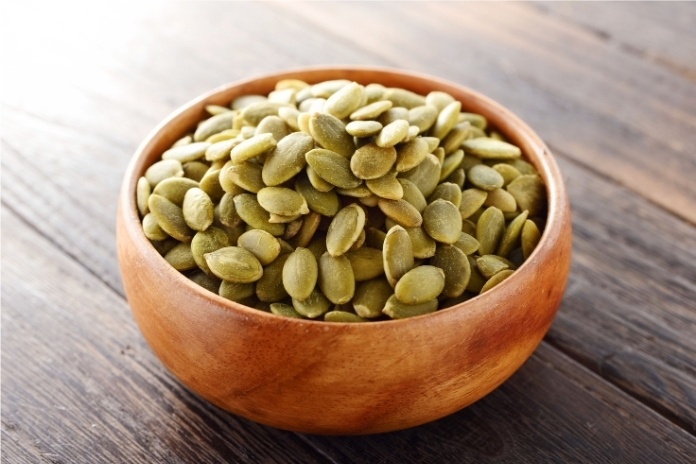
Pumpkin seeds are considered a “superfood,” as they contain numerous nutrients that can benefit the body.
One question that people ask when they hear that pumpkin seeds are healthy and rich in nutrients is, “What will happen if I consume pumpkin seeds daily?” There are several reasons why consuming pumpkin seeds daily has become more popular today, one of them being that pumpkin seeds contain high levels of essential nutrients.
Nevertheless, the health benefits of pumpkin seeds on a daily basis depend upon the amount consumed. While pumpkin seeds may promote good health if consumed daily in moderate amounts, excessive intake can cause health complications or weight gain. This is necessary to answer the question of whether it is healthy to eat pumpkin seeds on a daily basis.
In this article, we will walk you through what will happen if you consume pumpkin seeds on a daily basis, highlight their proven benefits, discuss the possible after-effects, and indicate a safe consumption level of pumpkin seeds per day.
Read More: Important Health Benefits Of Pumpkin Seeds
What Nutrients Are in Pumpkin Seeds?
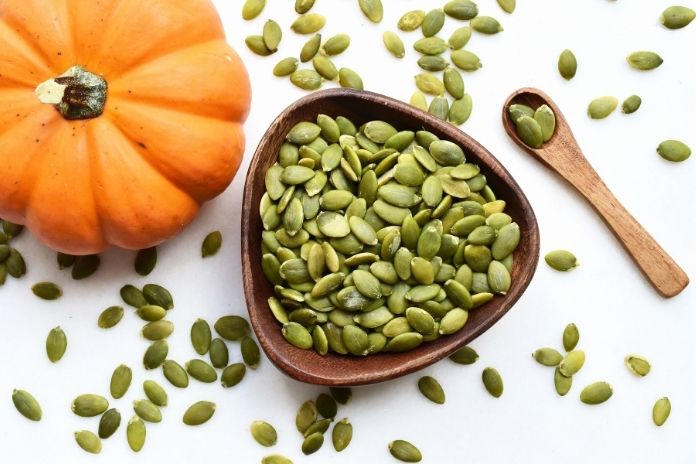
Pumpkin seeds stand out because they deliver a high concentration of essential nutrients in a relatively small serving. This is why they are considered nutrient-dense rather than calorie-light. A single ounce contains significant amounts of magnesium, zinc, fiber, plant protein, and healthy fats, all of which contribute to multiple body systems.
Magnesium supports muscle relaxation, nerve signaling, heart rhythm, and sleep quality. Zinc plays a key role in immune defense, wound healing, hormone balance, and prostate health. The fiber in pumpkin seeds supports digestion and blood sugar regulation, while their healthy fats, mostly unsaturated, support cardiovascular health and satiety.
“These tiny seeds are loaded with powerful health benefits, and if you are not including them in your diet, you’re seriously missing out,” says Dr. Saurabh Sethi, a popular gastroenterologist and social media health educator.
Pumpkin seeds also provide smaller amounts of iron, phosphorus, potassium, and antioxidants, which further enhance their nutritional value. Since these nutrients are tightly packed, eating pumpkin seeds every day can quickly boost overall micronutrient intake. However, it also means calories add up faster than many people expect.
Preparation matters nutritionally:
- Raw pumpkin seeds preserve the most natural mineral content and contain no added sodium.
- Dry-roasted pumpkin seeds remain nutritious but may lose small amounts of heat-sensitive compounds.
- Salted pumpkin seeds significantly increase sodium intake, which can impact heart health if eaten daily.
Potential Benefits of Eating Pumpkin Seeds Daily
When taken in moderation, the everyday benefits of pumpkin seeds can extend far for heart health, digestion, metabolism, and nutritional supplements.
May Support Heart Health

Pumpkin seeds also provide benefits to the heart. This is due to their healthy fats, magnesium, and other antioxidants. The unsaturated fats in pumpkin seeds could also improve cholesterol ratios when they replace other unhealthy components of food. Magnesium also serves a role in the proper functioning of blood vessels and the regulation of blood pressure.
Antioxidants found in pumpkin seeds also help fight oxidative stress, a major factor in the development of cardiovascular disease. Long-term daily consumption of pumpkin seeds in moderation could also help build a generally resilient cardiovascular system in combination with a balanced diet of fruits, vegetables, and whole grains.
May Help With Blood Sugar Control
Pumpkin seeds, rich in fiber and fat, are thus able to help with blood sugar regulation. The fiber helps with slowing down the digestion of carbohydrates, while healthy fats delay the absorption of glucose into the bloodstream. This can result in reducing extreme blood sugar spikes after a meal.
However, what happens if you consume pumpkin seeds daily depends a lot on quantity. Since pumpkin seeds are calorie-dense, overeating can cancel out metabolic benefits, especially if one has insulin resistance or type 2 diabetes to deal with. Pumpkin seeds work best as a supporting food, not a primary source of calories.
May Support Prostate and Urinary Health

Pumpkin seeds are often associated with prostate health due to their zinc content. Zinc is highly concentrated in the prostate, and it is believed to contribute to the maintenance of normal prostate structure and function. Other compounds in pumpkin seeds may have various biological functions, including urinary flow and bladder function, especially in older males.
We must remember that pumpkin seeds are nutritional and not medicinal in any way. It can only support the diet of someone eating healthy and does not provide a cure for conditions of the prostate.
May Improve Digestive Health
The fiber present in pumpkin seeds promotes regularity of bowel movements by increasing the mass of feces and promoting good bacteria in the intestines. For people who have lower fiber in their diets, consuming pumpkin seeds on a daily basis might make bowel movements more comfortable and regular.
However, individual digestive tolerances do differ. A sudden diet change consisting of an increase in the consumption of pumpkin seeds may cause bloating, gas, or discomfort, which are common side effects that might result from consuming high fiber.
May Support Sleep and Muscle Function

Pumpkin seeds are also advised to be eaten as a bedtime snack in order to provide a person with magnesium, a mineral that helps relax muscles and control the nervous system. Magnesium in the diet helps ensure proper muscle relaxation and aids in recovery after physical exertion.
This makes pumpkin seeds an ideal snack to consider if one is looking to naturally enhance his or her sleep cycle. However, portion size should be kept in check to avoid overburdening digestion before sleep.
Read More: 9 Healthiest Seeds To Eat For Better Nutrition
What Happens If You Eat Too Many Pumpkin Seeds Daily

Although pumpkin seeds are nutritious and healthy, it is easy to eat too much in one sitting. One reason is their high fat content and calorie density, which may result in weight gain if not monitored properly.
Too much fiber in the diet could also lead to difficulties in digestion, such as bloating, gas, or cramping. In addition, a high dietary intake of salted pumpkin seeds could lead to a high level of sodium consumption, which could be harmful to blood pressure and fluid in the body.
In short, consuming pumpkin seeds in excess is unlikely to pose immediate risks to your short-term health goals, but it can quietly sabotage your objectives.
How Many Pumpkin Seeds Should You Eat Per Day?
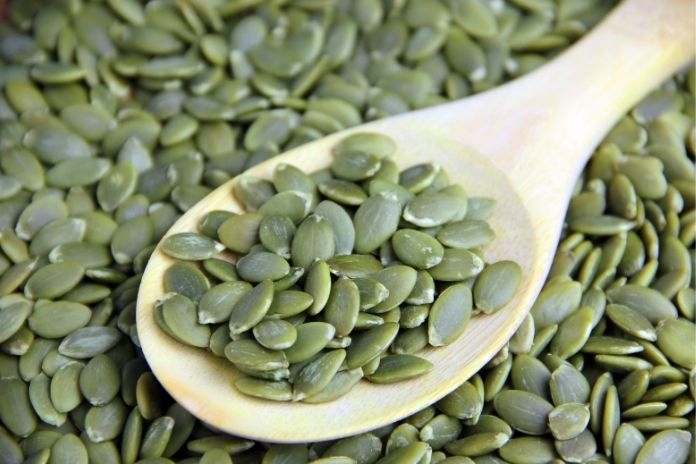
It comes down to moderation for most adults. A typical serving size for pumpkin seeds is about 1 ounce, or 28-30 grams, which is roughly a quarter cup or a small handful.
Here’s what you must remember:
- Meaningful intake of magnesium and zinc
- Adequate fiber to promote digestion
- Healthy fats without excessive calories
Those watching out for their heart health should use the unsalted varieties, while those watching their weight should measure out portions rather than munching.
Are Pumpkin Seeds Safe for Everyone to Eat Daily?
Generally, pumpkin seeds are healthy to consume daily. However, people with allergies to seeds, difficulty in digestion, and certain health issues where mineral intake needs to be regulated should be cautious about them.
One reason why pumpkin seeds are nutritious is due to their high content of magnesium and zinc. Individuals with restricted diets and those using certain medications should consider consulting health experts before consuming pumpkin seeds daily.
Best Ways to Eat Pumpkin Seeds Daily
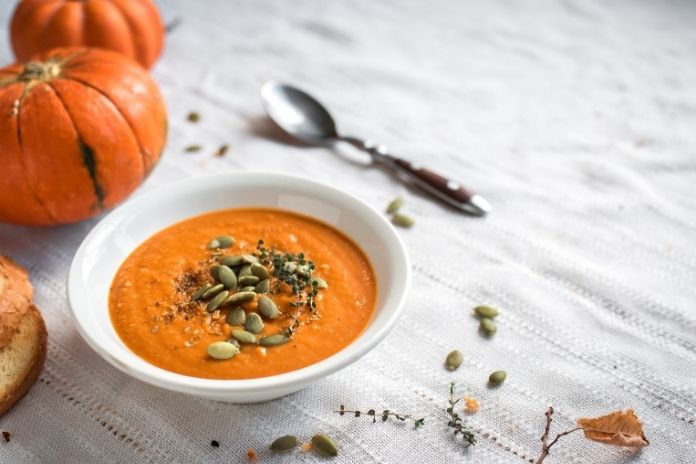
The best way to use pumpkin seeds is as a nutritional booster rather than a snack on their own. The raw and dry-roasted unsalted pumpkin seeds are best suited for consumption.
There are many ways of involving them, including:
- Used for topping salads, soups, or roasted vegetables.
- Blending into oatmeal, yogurt, or smoothies.
- Consuming homemade trail mixes with fruits and nuts.
Consuming pumpkin seeds in combination with high-fiber foods offsets calorie consumption.
Read More: Natural Muscle Relaxers: Effective Options, How They Work and What to Know
Final Takeaway
So, what happens if you eat pumpkin seeds daily? In moderation, pumpkin seeds can contribute to heart health, digestion, prostate health, muscle function, and blood sugar regulation when consumed. The trick lies in portion control and preparation.
A small daily serving delivers the nutritional upside of eating pumpkin seeds every day without unwanted calories, sodium, or digestive discomfort, making them a smart and sustainable addition to a balanced diet.
FAQs
Q. Can I eat pumpkin seeds every day?
A. Yes. Most people can safely eat pumpkin seeds daily when portions are kept moderate.
Q. Do pumpkin seeds help with sleep?
A. They may support sleep due to their magnesium content, which promotes relaxation.
Q. Are pumpkin seeds good for weight loss?
A. They can support fullness, but portion control is essential due to calorie density.
Q. Should pumpkin seeds be eaten raw or roasted?
A. Raw or dry-roasted unsalted pumpkin seeds are best for regular consumption.
In this Article