













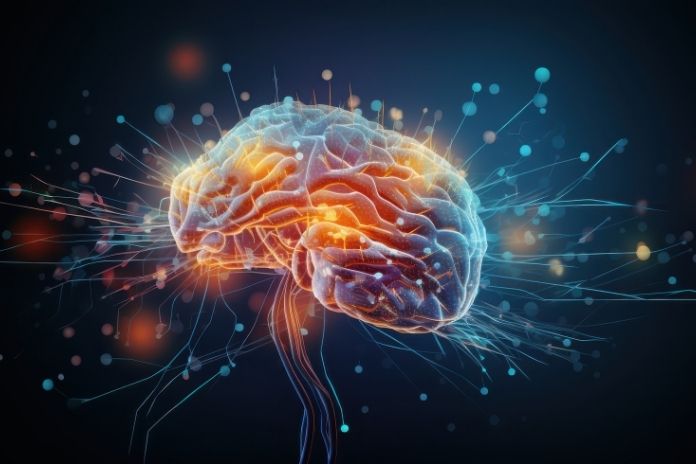
Brain zaps can feel unsettling and confusing; imagine sudden, quick jolts or tiny, electric-shock-like sensations in your head that seem to come out of nowhere. Although they can startle you, they are a recognized sensation many people describe when there’s a change in how the brain’s chemistry is balanced.
These sensations typically show up as brief electric shocks, buzzing, or vibration-like feelings inside the head. Some people also report dizziness, a momentary feeling of disorientation, or even a brief “brain blink,” as if the brain skips a beat.
The exact cause isn’t fully understood, but brain zaps are most often linked with changes in medications, especially when someone stops taking certain antidepressants abruptly or changes their dose too quickly. This sudden shift in brain chemical levels, particularly serotonin, is thought to trigger these strange sensations.
While brain zaps can feel very odd and sometimes upsetting, they are generally harmless and tend to go away on their own within days or weeks as the brain adjusts. If they continue or become bothersome, it’s a good idea to talk with a healthcare provider about tapering medication more slowly or exploring other ways to manage symptoms.
Read More: 8 Healthiest Fish to Eat for Your Heart and Brain Health
What Are Brain Zaps?
If you’re wondering what brain zaps are, they are brief, unusual sensations that feel like sudden electric shock-like jolts or quick buzzing flashes inside the head. Although the term sounds alarming, brain zaps are not a formal medical condition but a commonly reported neurological sensation, especially during changes in certain medications.
People often describe them as tiny electrical pulses, momentary “zings,” or sudden internal jolts that last only a second or two but can feel startling. Brain zaps are described this way because they don’t feel like regular pain.
Unlike headaches, they don’t involve steady aching, pressure, or throbbing. And while dizziness may sometimes accompany them, brain zaps are distinct; dizziness feels like spinning or imbalance, whereas a brain zap feels like a sudden internal shock or flicker within the brain. This distinct sensation is what makes people worry, even though the experience itself is usually harmless.
These sensations are most commonly linked to changes in brain chemistry, particularly when starting, stopping, or adjusting antidepressant medications. Understanding brain zaps symptoms and brain zaps causes can help reduce anxiety and make the experience feel less frightening.
Until recently, physicians have been widely unaware or dismissive of brain zaps. Alexander Papp, MD, who has led studies published in The Primary Care Companion for CNS Disorders examining brain zaps, believes this may simply be due to the lack of available information.
“There was an emphasis both within the [psychiatric] profession and pharmacological companies to make these medications sound not addictive,” he told Psychiatrist.com. Therefore, when SSRIs first became popular, very few systematic studies were conducted on antidepressant discontinuation effects.
In the next sections of this article, we’ll discuss the common symptoms in detail, the main causes of brain zaps, and what helps manage or prevent them.
Read More: The Gut-Brain Connection: How Your Gut Health Affects Mental Well-Being
What Do Brain Zaps Feel Like? Common Sensations

Brain zaps are strange, sudden sensations in the head that can feel alarming. Though unsettling, they are widely reported and often linked to medication changes that affect brain chemistry.
Sudden Electrical or Buzzing Sensation in the Head
One of the most commonly reported experiences is an electric shock sensation in the head. People often describe brain zaps as a sudden jolt, buzz, or brief surge that feels like a tiny electrical pulse passing through the brain.
This sensation appears without warning and usually lasts only a second, but it can feel intense because it is so unexpected.
Brief Disorientation or “Jolt” Feeling
Brain zaps are often paired with a momentary feeling that the brain has “skipped” or reset. Some people describe this as a quick internal jolt or snap that causes brief confusion or a split-second pause in thinking.
While unsettling, this disorientation fades quickly and does not usually affect memory or awareness long-term.
Visual Disturbances or Light Sensitivity
In some cases, brain zaps are accompanied by visual symptoms. These may include brief flashes of light, flickering vision, or increased sensitivity to bright lights.
A few people also report hearing a faint buzzing or whooshing sound during the zap, adding to the strange sensory experience.
Occasional Dizziness or Imbalance
Another common complaint is that dizziness can be triggered by brain zaps. This dizziness is usually mild and short-lived, creating a temporary feeling of imbalance or unsteadiness rather than full vertigo. It often happens immediately after the zap and settles within moments.
Why the Sensations Are Brief but Intense
Brain zaps are believed to be linked to sudden changes in brain signaling, especially involving a serotonin imbalance.
When serotonin levels shift, often during antidepressant withdrawal or dose changes, the brain’s electrical communication may momentarily misfire. This is why the sensations are brief yet powerful, noticeable, and sometimes repeated throughout the day.
Although brain zaps can feel alarming, they are widely reported and generally not dangerous. Understanding these common sensations can make the experience less frightening and easier to manage.
Read More: Can Holding in a Sneeze Damage Your Brain or Ears?
Why Brain Zaps Happen

Brain zaps often occur when the brain is adjusting to sudden internal changes, especially shifts in the chemicals that help nerve cells communicate. They are most commonly associated with brain zaps, which antidepressant users report during changes in medication.
Although the sensation can feel alarming, it usually reflects a temporary disruption in how the brain sends signals rather than a dangerous condition.
Changes in Brain Neurotransmitters
Neurotransmitters such as serotonin and norepinephrine play a major role in mood regulation and nerve signaling. Antidepressants work by altering the levels of these chemicals in the brain.
When a medication is stopped suddenly or the dose is reduced too quickly, the brain may struggle to adapt, leading to a serotonin imbalance. This sudden chemical shift can cause nerves to fire irregularly, creating brief, electric-shock-like sensations known as brain zaps.
This process is a well-recognized part of antidepressant discontinuation syndrome, which includes brain zaps as one of its hallmark symptoms.
Nervous System Sensitivity During Transitions
The nervous system becomes especially sensitive during periods of change. Medication changes, such as missing doses, switching drugs, or stopping antidepressants abruptly, are the most common triggers.
This is why doctors often recommend medication tapering, where doses are gradually reduced over time. Slow tapering allows the brain to adjust more smoothly and lowers the risk of brain zaps and other withdrawal-related symptoms.
Beyond medication, stress and sleep disruption can also make the nervous system more reactive. High stress levels, poor sleep, or emotional strain may worsen brain zaps or make them more noticeable because the brain is already under pressure to regulate its signals.
Understanding the connection between brain chemistry, changes in antidepressant use, and nervous system sensitivity helps build trust in the process. In most cases, brain zaps are temporary and easy as the brain regains balance, especially when medication changes are managed carefully and gradually.
Read More: Supplements That Can Harm Your Brain and Nervous System
The Most Common Causes of Brain Zaps

Brain zaps are sudden, unsettling sensations linked to changes in brain activity. These nervous system symptoms often appear during medication shifts, stress, or sleep disruption.
Antidepressant Withdrawal or Missed Doses
One of the most common explanations for brain zaps is antidepressant withdrawal or missed doses. Medications such as SSRIs and SNRIs are most often involved because they directly affect serotonin levels in the brain.
When even a single dose is skipped, serotonin levels can drop quickly, disrupting nerve signaling. This sudden change can trigger nervous system symptoms such as electric shock-like sensations, brief confusion, or dizziness.
The brain is highly sensitive to these chemical shifts, which explains why symptoms can appear so quickly.
Some experts consider brain zaps a symptom of a condition called antidepressant discontinuation syndrome (ADS). “They’re a recognized symptom most likely to occur with sudden or abrupt discontinuation of antidepressant medication,” says Christopher Jackson, MD, a psychiatrist at Family Care Center in San Antonio, Texas.
Medication Changes or Dose Reductions
Brain zaps may also occur when switching medications or lowering the dose too rapidly. Fast tapering can overstimulate the nervous system, leading to irregular electrical signaling in the brain.
Gradual dose reductions allow the brain time to adjust, reducing the intensity and frequency of these nervous system symptoms.
Anxiety, Stress, and Sleep Deprivation
Not all brain zaps are medication-related. High anxiety, ongoing stress, and poor sleep can place the nervous system in a constant state of alertness.
This heightened sensitivity can cause brain zaps even without changes to medication. Excess caffeine may worsen symptoms by further stimulating brain activity.
Recognizing these triggers helps explain why brain zaps occur and how restoring balance can ease symptoms over time.
Read More: Enhance Your Focus: 5 Brain-Boosting Supplements for Men
Brain Zaps vs Other Neurological Symptoms

Brain zaps can be confusing because they resemble other neurological symptoms. Understanding how they differ from dizziness, seizures, and panic attacks helps reduce fear and clarifies when medical attention is needed.
Brain Zaps vs Dizziness
Brain zaps and dizziness are often confused, but they feel quite different. Brain zaps are sudden, brief sensations that feel like an internal electric jolt, buzz, or snap in the head and usually last only a second or two.
Dizziness, on the other hand, feels like spinning, lightheadedness, or imbalance and tends to last longer. While a brain zap may be followed by brief unsteadiness, the main sensation is the quick “shock,” not ongoing balance problems.
Brain Zaps vs Seizures
Brain zaps are not seizures. Seizures involve abnormal electrical activity that disrupts consciousness, movement, or awareness and may last several minutes. Brain zaps do not cause loss of consciousness, convulsions, or memory gaps.
People remain fully aware during a brain zap, and the sensation passes quickly. Although both involve the nervous system, brain zaps are considered benign and are often linked to medication changes or nervous system sensitivity rather than seizure activity.
Brain Zaps vs Panic Attacks
Brain zaps and panic attacks can overlap in symptoms such as sudden fear, racing thoughts, dizziness, or a sense that something is wrong.
However, their causes differ. Panic attacks are driven by anxiety and stress responses, often lasting several minutes and involving heart palpitations and shortness of breath.
Brain zaps are brief neurological sensations, often triggered by medication changes, sleep disruption, or nervous system overstimulation, and usually occur without intense fear.
Understanding these differences helps reduce worry and clarifies why brain zaps, though uncomfortable, are generally not dangerous.
Read More: 3 Brain Workouts That Are More Effective Than Crossword Puzzles
How Long Do Brain Zaps Last?

Brain zaps are sudden, brief jolts in the head that often occur during withdrawal, particularly with SSRI or SNRI withdrawal. They are usually temporary but can feel alarming.
Typical Duration During Withdrawal
Brain zaps most often occur during brain zaps withdrawal from antidepressants, especially when antidepressants are reduced or stopped suddenly. They commonly begin within a few days of stopping medication and are frequently linked to SSRI withdrawal and SNRI withdrawal.
For many people, brain zaps last from a few days to several weeks. During the early stages, they may happen multiple times a day, particularly when moving the eyes or head, but they usually lessen with time.
Why Frequency Usually Decreases Over Time
As the brain adapts to the absence of, or reduced levels of, medication, nerve signaling begins to stabilize. Neurotransmitters such as serotonin gradually rebalance, allowing the nervous system to calm down.
Because of this adjustment, brain zaps typically become less frequent and less intense over time. Many people notice the sharp jolts fading into milder sensations before disappearing completely.
Factors That Affect Recovery Length
Recovery time varies widely. The length of antidepressant use, dosage, and whether the medication was stopped abruptly or tapered all matter slowly. Sudden discontinuation during SSRI withdrawal or SNRI withdrawal often leads to longer-lasting symptoms.
Individual sensitivity, stress levels, sleep quality, and overall nervous system health can also influence how long brain zaps persist. With gradual tapering and proper medical guidance, most people recover more smoothly and comfortably.
Read More: What Happens to Your Brain When You Cry (And Why It Feels Better After
What Makes Brain Zaps Worse

Certain lifestyle and medication factors can make brain zaps worse. Rapid antidepressant changes, poor sleep, dehydration, and high stress can intensify these sudden jolts, making them more frequent and noticeable.
Rapid Medication Changes
One of the main factors that can intensify brain zaps is stopping or changing antidepressants too quickly.
Sudden shifts in SSRI or SNRI levels can trigger stronger or more frequent jolts because the brain doesn’t have time to adjust to new chemical balances. Gradual medication tapering is generally recommended to reduce these effects.
Poor Sleep
Lack of quality sleep can make the nervous system more sensitive, increasing the likelihood of experiencing brain zaps.
Sleep deprivation interferes with the brain’s ability to regulate neurotransmitters like serotonin, which can make the jolts feel sharper and more noticeable.
Dehydration
Not drinking enough water or becoming dehydrated can worsen the intensity of brain zaps. Dehydration affects the body’s overall neurological function and can amplify the brief shock-like sensations in the head.
Stress and Overstimulation
High stress levels, anxiety, and environmental overstimulation can make brain zaps feel more frequent and intense.
Caffeine, bright lights, loud noises, or emotional strain can all overstimulate the nervous system, heightening sensitivity and prolonging the discomfort.
Managing these factors, by tapering medication slowly, prioritizing sleep, staying hydrated, and reducing stress, can help make brain zaps more manageable and less frequent.
Read More: Optimize Your Brain Health: 6 Nootropic Supplements for Cognitive Enhancement
What Helps Reduce Brain Zaps

Brain zaps can feel unsettling, but simple, safe steps can help reduce them. Supporting the brain during medication changes, prioritizing sleep, hydration, and stress control often eases symptoms.
Gradual Medication Tapering Under Medical Guidance
One of the most effective ways to reduce brain zaps is slow and supervised medication tapering. Stopping antidepressants suddenly can shock the nervous system, making symptoms more intense.
Gradually lowering the dose allows the brain to adjust to changing serotonin levels more smoothly. Always work with a healthcare professional when reducing or switching medications, as tapering plans should be personalized.
Consistent Sleep Routines
Good sleep plays a major role in calming the nervous system. Poor or irregular sleep can increase brain sensitivity and make brain zaps feel stronger.
Going to bed and waking up at the same time each day, limiting screen time before sleep, and creating a relaxing bedtime routine can help the brain recover and reduce symptom frequency.
Hydration and Nutrition
Staying well hydrated supports healthy nerve signaling and overall brain function. Dehydration can worsen neurological sensations, including brain zaps. Balanced nutrition is also important, as the brain relies on steady energy and nutrients to regulate neurotransmitters.
Eating regular meals and avoiding excessive caffeine may help keep symptoms more manageable. While some sources mention vitamins or minerals, it’s important to avoid unsupported supplement claims and focus on overall dietary balance unless advised otherwise by a doctor.
Stress Management Strategies
Stress and anxiety can overstimulate the nervous system, increasing the intensity of brain zaps.
Simple stress-management techniques such as deep breathing, mindfulness, gentle exercise, or short relaxation breaks can help calm the brain. Reducing mental overload and allowing time for rest can make a noticeable difference over time.
Read More: Glymphatic Drainage – The Nighttime Brain Detox You Didn’t Know About
When Brain Zaps Need Medical Attention

Brain zaps are usually harmless, but certain warning signs mean medical advice is important to rule out more serious underlying issues.
Symptoms Lasting Several Months Without Improvement
Brain zaps are usually temporary and improve as the brain adjusts, especially after medication changes. However, if brain zaps continue for several months without any reduction in frequency or intensity, it’s important to consult a healthcare provider.
Persistent symptoms may indicate that the nervous system is not stabilizing as expected or that medication tapering needs adjustment. A doctor can review your treatment history and suggest safer next steps.
New Neurological Symptoms
Medical attention is necessary if new or worsening neurological symptoms accompany brain zaps. These may include persistent numbness, weakness in the arms or legs, speech difficulties, vision changes, or severe coordination problems.
Brain zaps alone are usually brief and limited to shock-like sensations, so additional neurological signs should not be ignored.
Severe Confusion or Loss of Consciousness
Brain zaps do not typically cause confusion that lasts more than a moment, nor do they cause fainting or blackouts. If you experience severe confusion, memory gaps, loss of consciousness, or collapse, seek medical care immediately.
These symptoms suggest something more serious than typical brain zaps and require urgent evaluation.
Symptoms Unrelated to Medication Changes
Most brain zaps are linked to antidepressant use, withdrawal, or dose changes. If you experience brain zap-like sensations without any recent medication changes, or if they begin suddenly with no clear trigger, it’s wise to speak with a doctor.
In rare cases, similar sensations may be linked to anxiety disorders, neurological conditions, or other health issues that need assessment.
Key Takeaway: Brain Zaps Are Uncomfortable but Usually Temporary

The sensation of brain zaps can be puzzling and disconcerting, although it is a very well-recognized reaction of the nervous system and nothing to fear for one’s health. Many people who have experienced the phenomenon describe brain zaps as a shock-like or buzzing sensation in the head, often accompanied by dizziness or disorientation.
Studies and observations confirm that brain zaps most often occur in conjunction with changes in one’s meds, specifically starting and stopping antidepressants that alter serotonin in the brain.
In the normal course of events, the occurrence of brain zaps does not pose a danger to the individual. In fact, the individual can observe improvements in condition as the brain adjusts to rebalance its functions. Despite the discomfort, the effect usually fades, with the individual experiencing less intense episodes of symptoms over a short period, such as days or weeks.
Crucially, there are ways in which the intensity of the individual experiencing the brain zaps can be reduced by the proper discontinuation of medication under the direction of a professional.
References
- Stranaghan, T. (2025, September 30). Understanding brain zaps: causes, symptoms, and management. Grow Therapy.
- Patel, R. P., MD. (2025, October 31). Causes of “Brain zaps” and how to stop them. TMS Institute of Arizona.
- Kirthy, R. (2025, January 2). What are brain zaps: the strange side effects. Castle Craig.
- Onyeogulu, A. (2025, January 13). What are brain zaps? Psychiatrist.com.
- McMillen, M. (2025, July 26). Brain zaps: Causes, symptoms, and treatment. WebMD.
- Neporent, L. (2025, January 10). Study tackles the mystery of brain zaps in antidepressant withdrawal. Psychiatrist.com.
- Loeb. (2025, September 9). Understanding brain zaps and antidepressant withdrawal. Lone Star Neurology.
- MDa, A. P. (2025). Triggers and characteristics of brain zaps according to the findings of an internet questionnaire. Psychiatrist.com.
- Addiction Free Recovery. (2025, July 16). Brain zaps: Why they happen and how long they last. Addiction Free Recovery
- Neurofit Brain Centre. (2024, April 16). The what, why and how of brain zaps.
- Brown, K. (2023, July 11). In SSRI Withdrawal, Brain Zaps Go from Overlooked Symptom to Center Stage. Psychiatrist.com.
- Patel, R. P., MD. (2025b, October 31). Causes of “Brain zaps” and how to stop them. TMS Institute of Arizona.
- Anxiety Centre. (2025, July 17). Brain zaps anxiety symptoms – AnxietyCentre.com. AnxietyCentre.com.
- Patel, R. P., MD. (2025a, October 26). What are brain zaps? causes, sleep connection, and how to stop them. Sip2Sleep.
- Neurofit Brain Centre. (2024b, April 16). The what, why and how of brain zaps.
- Team, O. (2025, September 16). Cymbalta Brain Zaps: What they are and How to Manage them. Outro Blog.
- Addiction Free Recovery. (2025b, July 16). Brain zaps: Why they happen and how long they last. Addiction Free Recovery
- Brain zaps and antidepressant withdrawal. (2025, December 1). Recovered.
- Patel, R. P., MD. (2025d, October 31). Causes of “Brain zaps” and how to stop them. TMS Institute of Arizona.
- Lexapro Brain zaps: What they are and how to manage them – Blossom: Online psychiatry covered by insurance. (n.d.).
- Brain zaps and antidepressant withdrawal. (2025b, December 1). Recovered.
- McMillen, M. (2025b, July 26). Brain zaps: Causes, symptoms, and treatment. WebMD.
- Anxiety Centre. (2025b, July 17). Brain zaps anxiety symptoms – AnxietyCentre.com. AnxietyCentre.com.
- Bari, R. (2024, November 21). What are brain zaps? Cassiobury Court.
In this Article