













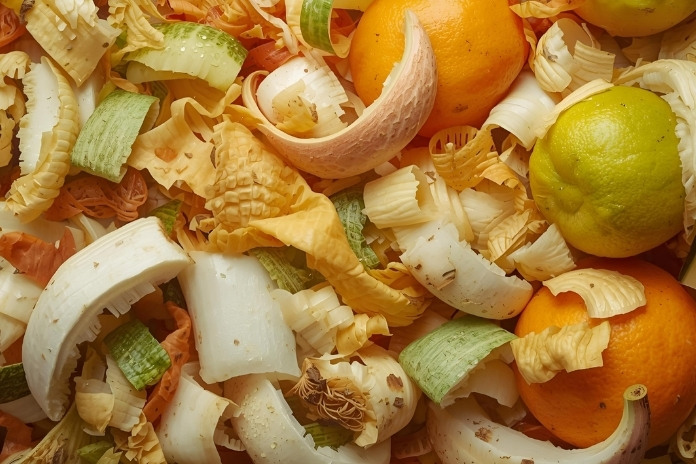
Do you peel your carrots, throw away broccoli stems, or toss beet greens? You could be discarding some of the healthiest components of your meals. Studies show that the peels, tops, and stems of plants often contain more fiber, vitamins, antioxidants, and beneficial plant compounds than the parts we usually eat.
When those leftovers hit the trash, it’s more than simply a food problem; it’s a waste of nutrition, plain and simple. Leftover bits of fruits and vegetables, think citrus peels, melon rinds, and the tops of leafy greens, pack a punch when it comes to fighting inflammation and slowing down the aging process.
Plus, they’re perfectly safe to use in straightforward recipes. Globally, culinary professionals and sustainability experts encourage the utilization of every part of fruits and vegetables. The goal? To cut down on kitchen waste and promote healthier eating habits. A bit of imagination may transform vegetable scraps into something new.
Stems, for instance, might be stir-fried, while peels might be brewed into teas or ground into powders. Even wilting greens can find new life when mixed into soups. Root to stem cooking is a savvy move, saving you money and lessening your impact on the planet. Plus, it allows you to tap into the often-overlooked nutritional benefits already present in your food.
Read More: How to Preserve Nutrients in Cooked Food?
Key Takeaways — What You’ll Learn

- Many edible vegetable parts, including peels, stems, leaves, and seeds, are actually the most nutrient-dense, containing high levels of fiber, antioxidants, and essential vitamins.
- You will appreciate the true value of vegetable peels for their nutrition, including how orange peels, beet greens, cauliflower leaves, and broccoli stems support digestion, immunity, and overall health.
- Learn how to safely and easily wash, prepare, and cook common parts that get discarded by boiling peels for teas, stir-frying stems, blending leaves into smoothies, or adding scraps to soups, chutneys, and stocks.
- Get easy recipe ideas to help you use up every last bit of fruit or vegetable for increased flavor and nutrition and everyday convenience.
- Learn how reducing kitchen waste saves you money, enhances sustainable living, and preserves natural resources while reaping more nutrition from the foods you already purchase.
Read More: Risks of Overdoing Vitamins and Superfoods
Why You Should Eat the Whole Plant
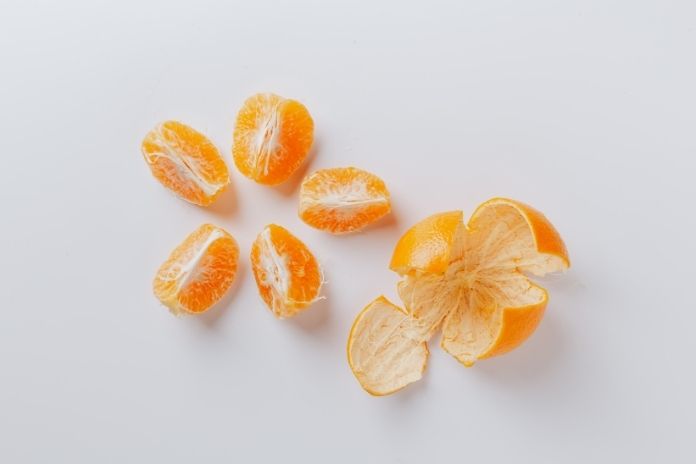
Eating the whole plant unlocks hidden nutrition, reduces kitchen waste, and supports healthier, more sustainable habits. Many peels, stems, and leaves we discard are actually rich in fiber, antioxidants, and essential nutrients.
1. Nutrients Are Often Concentrated in the Outer Layers
Peels and skins may look tough, but they carry some of the strongest nutritional benefits. In many fruits and vegetables, the outer layer is where the plant stores its protective compounds.
These include fiber, antioxidants, vitamins, minerals, and polyphenols that support immunity, digestion, and long-term health. For example, apple skin contains nearly two-thirds of the fruit’s total antioxidants, showing how powerful the peel can be.
The same is true for cucumbers, potatoes, carrots, and even eggplants. When we remove these layers, we lose a major part of the whole produce nutrition. Eating the outer layers (when properly washed) is one of the easiest ways to boost nutrient intake without changing what you buy.
Keith Ayoob, MS, RD, is a registered dietitian-nutritionist at Albert Einstein College of Medicine. He emphasizes that the colorful peels of fruits and vegetables are nutritionally powerful because “colors have power nutritionally … they indicate the presence of antioxidants,” which help protect against cell damage.
2. Reducing Food Waste Means Better Nutrition and Sustainability
A large portion of global food waste, about 30-40%, happens inside our homes, mostly from discarding edible stems, peels, leaves, and seeds. When we throw away these parts, we not only lose valuable nutrients but also increase environmental harm.
Choose to use every part of fruits and vegetables as it is both a nutritional and sustainable habit. By cooking with the entire ingredient, we increase variety in our meals, stretch groceries further, and support eco-friendly living.
This approach helps reduce food waste, promotes healthy eating, and makes your diet richer while lowering your environmental impact.
3. Not All “Scraps” Are Waste — They’re Ingredients
Many parts we call “scraps” are actually flavorful, nutrient-rich ingredients. Plant-based cooking traditions around the world, like root-to-stem eating, encourage using stems, skins, roots, bulbs, flowers, and even shoots.
Broccoli stems can be stir-fried, beet greens can be sautéed, celery leaves can flavor soups, and citrus peels can be dried for teas or zest. Even vegetable tops, such as carrot greens or radish leaves, make excellent pesto.
Chefs and nutrition experts now highlight these parts for their taste, texture, and health benefits. When we treat the whole plant as food, we gain more nutrients and discover new culinary possibilities without spending extra.
Using the entire plant helps you eat smarter, save money, and care for the planet, all while enjoying the full power of whole produce.
Read More: The Surprising Benefits of Eating Bitter Foods
Commonly Wasted Parts That Deserve a Second Look
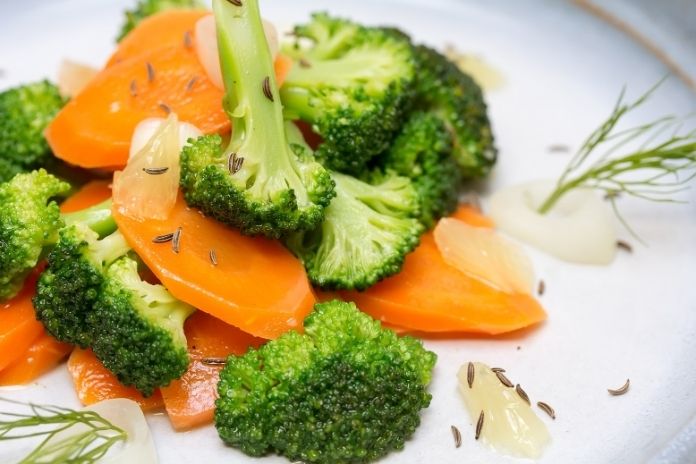
When trying to build a healthier and more sustainable diet, using every part of fruits and vegetables is one of the smartest habits you can adopt. Many parts we throw away are actually rich in nutrients, easy to cook, and full of flavor. With a little creativity, you can turn “scraps” into meals while exploring zero-waste kitchen ideas that are good for your body and the planet.
1. Broccoli Stems and Leaves
Broccoli stems are often tossed, even though they’re full of fiber, calcium, and vitamin C — sometimes more than the florets themselves. These broccoli stems benefits make them a valuable addition to everyday meals.
Simply peel the tough outer layer, then slice the stems into thin strips for stir-fries or grate them into slaws. Broccoli leaves cook much like spinach: steam, sauté, or add them to soups for extra nutrients.
2. Carrot Tops
Carrot tops rarely make it to the plate, yet they contain vitamin K, chlorophyll, and antioxidants that support blood and bone health.
Their naturally peppery taste works well in sauces and dressings. Blend the leaves into pesto or chimichurri, or toss them with lemon juice and olive oil to make a fresh salad.
3. Potato and Sweet Potato Skins
Potato and sweet potato skins are nutritional powerhouses. They contain fiber, iron, and potassium, and removing them can take away almost half the vegetable’s fiber.
To eat vegetable skins safely, scrub them well and roast with a drizzle of olive oil and salt. The result is crispy, delicious “skin chips” that make a nutrient-rich snack.
Kirsty Hunter, PhD, is a Senior Lecturer in Nutrition at Nottingham Trent University. She argues that discarding peels is misguided because many peels contain significant amounts of vitamins, minerals, fiber, flavonoids, and polyphenols, and by discarding them, we miss out on both nutrition and contribute to food-waste–driven environmental damage.
4. Citrus Peels
Citrus peels, from oranges, lemons, or limes, are rich in flavonoids like hesperidin, known for powerful citrus peel health benefits, including supporting heart and immune health.
Instead of throwing them away, grate the zest onto cakes, salads, and marinades for a burst of flavor. You can also steep the peels in hot water to make a refreshing citrus tea.
5. Beet Greens
Many people keep the beetroot and discard the greens, even though beet greens contain more calcium, iron, and vitamin K than the root.
They cook quickly and taste slightly earthy. Sauté them with garlic and olive oil, or blend them into smoothies for an easy nutrient boost.
6. Watermelon Rind
The white part of the watermelon rind is a good source of citrulline, a compound linked to heart and muscle health.
Instead of tossing it, consider pickling the rind for a sweet-tangy snack. You can also cube and blend it into juices and smoothies for a refreshing, hydrating drink.
7. Herb Stems
Flavorful herb stems, from parsley, cilantro, or basil, are often wasted even though they contain the same nutrients and aroma as the leaves.
Chop them finely and add to soups, curries, and stir-fries, or blend them into green sauces or smoothies.
Using these “forgotten” parts helps you build healthier meals, reduce waste, and explore simple zero-waste kitchen ideas that make your cooking more sustainable and nutritious.
Read More: The Best Morning Foods to Kickstart Digestion
How to Use Whole Produce Safely
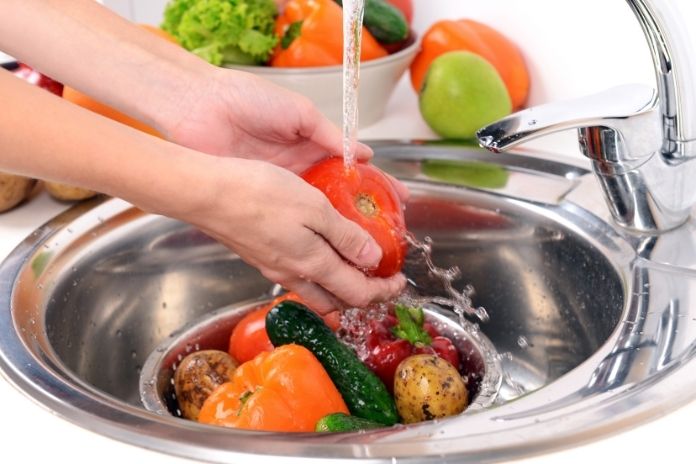
Using whole fruits and vegetables is healthy and sustainable, but it’s important to clean, store, and prepare them safely to protect your health.
1. Wash Thoroughly and Handle With Care
When using the entire fruit or vegetable, including skins and peels, proper washing is the most important step. Rinse produce under clean, running water to remove dirt and bacteria.
For items with firmer skins like potatoes, carrots, cucumbers, or melons, use a clean produce brush to scrub the surface. Avoid soap, bleach, or detergents, as these are not safe for food.
2. Choose Organic When Possible
If you plan to eat the skins or peels, buying organic produce can help reduce pesticide exposure.
While washing removes most surface residue, organic options lower the likelihood of chemical contaminants. If organic isn’t available, simply wash well and peel only when necessary.
3. Avoid Moldy or Damaged Parts
Food safety always comes first. If a fruit or vegetable has mold, deep bruises, or soft, slimy spots, it’s best to discard the damaged portion, or the whole item if the mold has spread.
The health benefits of whole produce don’t outweigh the risks of eating spoiled or contaminated food.
4. Store Produce the Right Way
Proper storage keeps fruits and vegetables fresh longer and helps preserve their nutrients. Leafy greens last longer in breathable produce bags.
Hard vegetables like carrots, beets, and broccoli stay crisp when stored in the refrigerator in reusable bags or airtight glass containers. Keep fruits like apples and citrus in the fridge to retain moisture, and store root vegetables in a cool, dark space.
5. Cook Gently to Preserve Nutrients
Steaming is one of the best ways to keep vegetables nutritious. It makes them tender yet crisp, preventing nutrient loss that happens with boiling. Light sautéing or microwaving with minimal water also helps preserve vitamins.
Read More: How to Spot Healthy Foods that are Actually Harmful?
Creative Ways to Cook with Scraps
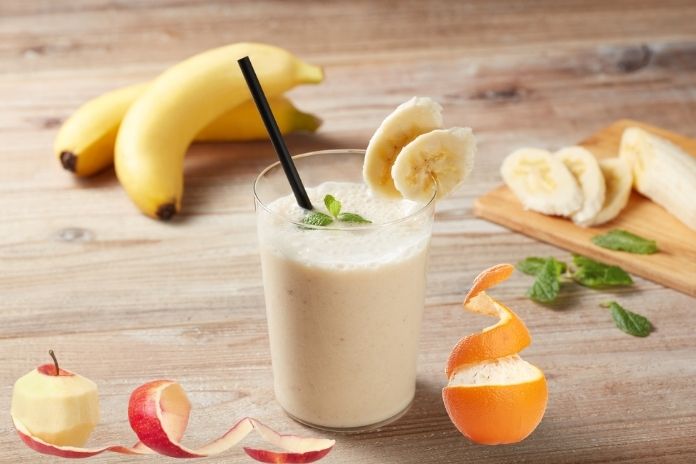
Cooking with kitchen scraps is an easy way to save money, reduce waste, and add extra nutrients and flavor to everyday meals.
Smoothies and Juices
- Add fruit skins like apple, cucumber, and pear for extra fiber, antioxidants, and natural sweetness.
- Blend soft vegetable scraps such as spinach stems or beet leaves into smoothies for a nutrient boost.
- Use leftover watermelon rind or citrus peels (in small amounts) to enhance flavor and freshness in juices.
Stocks and Broths
- Save onion skins, garlic ends, carrot tips, and celery tops to make a rich homemade vegetable stock.
- Mushroom stems, herb stalks, and corn cobs can add earthy flavor and depth to soups.
- Freeze your scraps in a container and simmer them when you have enough for a full batch.
Pestos and Sauces
- Replace basil or parsley with carrot tops, beet greens, or cilantro stems to make flavorful pestos.
- Blend herb stems into chimichurri, green chutneys, or salad dressings for added aroma.
- Use broccoli stems or cauliflower leaves in creamy sauces after cooking them until soft.
Baking and Snacks
- Dehydrate apple, pear, or potato peels to make crunchy chips—add cinnamon or salt for flavor.
- Mix citrus zest into muffins, cookies, or cakes to brighten the taste naturally.
- Use leftover pumpkin strings, sweet potato skins, or dry bread ends to make energy bars or breadcrumbs.
Bonus Ideas
- Stir-fry vegetable stems like kale, chard, or bok choy for a quick side dish.
- Turn stale bread into croutons or savory stuffing.
- Freeze overripe fruit for smoothies or use it in pancakes, banana bread, or oatmeal.
Read More: Zero-Waste Kitchen Products
Quick Recap
Using whole fruits and vegetables is simpler than you think, and the parts you usually discard can boost both nutrition and sustainability.
Hidden Nutrition in Scraps
Many parts we usually throw away, like peels, stems, rinds, and leaves, are actually packed with vitamins, minerals, fiber, and antioxidants. Fruit and vegetable skins often contain the highest concentration of nutrients, making them valuable for everyday meals.
Simple Prep, Big Benefits
With safe washing, light cooking, and proper storage, you can turn these often-discarded parts into healthy additions to your diet. Steaming, blending, roasting, or simmering helps keep nutrients intact while adding flavor and texture to your dishes.
Good for You and the Planet
Eating “root to stem” reduces food waste, stretches your groceries further, and supports better health. Using more of each ingredient creates eco-friendly habits that protect the environment while boosting your nutrient intake, a true win-win for you and the planet.
FAQs
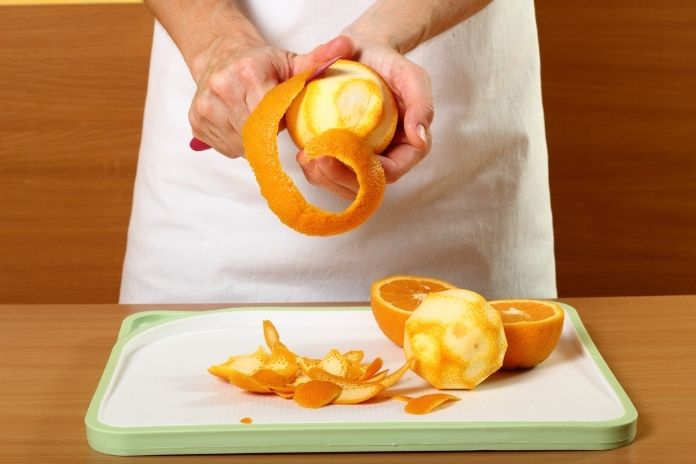
Here are simple, clear answers to common questions people have when trying to eat more whole plants and reduce waste.
Are all fruit and vegetable peels safe to eat?
Most peels are safe to eat as long as they are washed well under running water. Use a produce brush for firm skins like potatoes, carrots, and apples. Avoid peels that are moldy, damaged, or overly bitter. Some peels, like kiwi or mango, are edible but may feel tough — you can blend them instead of chewing.
How do I know if produce has pesticide residue?
Washing under running water removes most surface residue. If you want to reduce the risk further, choose organic for foods where you plan to eat the peel. You can also check local “dirty dozen” lists or purchase from trusted local farms.
Can I eat the green part of a potato?
No. The green part indicates solanine, a natural toxin that forms when potatoes are exposed to light. Cut away the green areas or throw the potato out if a large portion is affected.
Are canned or frozen vegetables as nutritious as fresh ones with the skin on?
Yes. Frozen vegetables are picked at peak freshness and retain most nutrients. Canned vegetables are also nutritious, though sodium may be higher. Fresh vegetables with peels still offer the most fiber, but frozen and canned options are great alternatives.
How can I store veggie scraps for later use?
Keep clean vegetable scraps like peels, stems, and tops in an airtight container or freezer bag. Store them in the freezer and use them later for stocks, smoothies, pestos, or stir-fries.
References
- https://www.sanjeevkapoor.com/Articles/love-food-hate-waste-world-food-day-edition-7316414
- https://www.iwmi.org/blogs/waste-not-want-not/
- https://educationworld.in/root-to-stem-cooking/
- https://doi.org/10.1177/15598276221075992
- https://www.mdanderson.org/cancerwise/the-benefits-of-a-plant-based-diet.h00-159780390.html
- https://plantpoweredmetrony.org/why-eat-whole-plants/
- https://www.mynewroots.org/2009/09/whole-food-thinking-and-whole-plant-eating-2/
- https://doi.org/10.1002/aro2.70002
- https://www.nationalgeographic.com/premium/article/are-you-discarding-the-most-nutritious-part-of-fruits-and-veggies
- https://theethicalist.com/compleat-guide-unusual-food-parts-edible/
- https://www.fda.gov/food/buy-store-serve-safe-food/selecting-and-serving-produce-safely
- https://www.hriuk.org/health/nutrition/how-to-keep-your-food-full-of-nutrition
- https://www.webmd.com/diet/health-benefits-vegetables
- https://www.cleaneatingmag.com/clean-living/greener-you/12-ways-to-upcycle-your-food-scraps-to-reduce-waste/
- https://www.nbcnews.com/better/health/9-creative-ways-use-food-scraps-your-garbage-ncna793176
- https://erraticengineeress.blog/how-to-cook-with-food-scraps/
In this Article