






A healthy vagina naturally releases a clear fluid that helps maintain the vaginal wall’s thickness and elasticity. When this lubrication decreases, it may lead to vaginal dryness, which can cause discomfort during intimacy, increase the chances of yeast infections, and make urinary tract infections more frequent.
Many people are unaware of how frequent vaginal dryness is throughout their 30s and 40s. Hormonal changes during perimenopause, after delivery, or from certain contraceptives can reduce natural lubrication. Stress, medications, and even scented soaps or irritants can exacerbate dryness.
Women of any age might have vaginal dryness. You are not doomed to live with it, which is terrific news. With the assistance of your provider and a few simple lifestyle adjustments, you can manage and overcome it.
You can maintain your comfort, self-assurance, and support throughout every phase of your reproductive health by addressing dryness promptly.
Read More: Top Vaginal Health Supplements You Can Buy Online (Probiotics, Prebiotics & More)
What Counts as “Vaginal Dryness” and Why It Happens

The absence of typical vaginal moisture is known as vaginal dryness.
Women who have experienced menopause are more likely to experience vaginal dryness. After menopause, it affects around one in two women.
The cervix, located at the lower end of the uterus, releases the natural lubrication that helps to keep the vagina moist and flexible. By gently passing through the vagina, the moisture keeps it clean and removes dead cells.
The slightly acidic vaginal fluid helps maintain the region’s health and protects against diseases like thrush. For most women, a slight white discharge from the vagina is quite typical.
During sexual arousal, the Bartholin’s glands, found near the vaginal opening, secrete additional fluid to aid in intercourse.
Even before menopause, over 17% of women between the ages of 18 and 50 struggle with vaginal dryness during intercourse. Psychological factors like stress or inadequate foreplay can cause many women to experience vaginal dryness during intercourse when they are not sexually aroused.
Any age can experience vaginal dryness. It is particularly prevalent when estrogen levels drop during or after menopause. The hormone estrogen plays a crucial role in maintaining the health and hydration of the vaginal lining. Your vaginal wall becomes thin and dry when your estrogen levels are low. Vaginal atrophy is a prevalent menopausal symptom.
There are several safe and efficient remedies for vaginal dryness.
Common Causes in Your 30s and 40s (Not Just “Menopause”)

A decrease in estrogen levels is a common cause of vaginal dryness. As you age or go through menopause, this happens naturally. The cessation of your monthly cycle and the inability to conceive are known as menopause. When estrogen levels decline, the skin and tissues of the vulva and vagina can lose thickness and elasticity, often leading to dryness.
Vaginal dryness can also result from certain medical diseases or their treatments. Vaginal dryness may be caused by:
- Menopause, surgical menopause, and perimenopause
- Using birth control tablets
- Consuming anti-estrogen drugs
- Menstruation
- Pregnancy
- Birthing
- Breast feeding
- Chemotherapy or radiation treatment for cancer
- Diabetes
- Oophorectomy (removal of your ovaries)
The following are alternative causes of vaginal dryness:
- Side effects from antidepressants, antihistamines, drugs for allergy and cold symptoms, and medications for asthma (Speak to your doctor about ways to reduce sexual side effects before stopping any medication prescribed to you)
- Sjogren’s syndrome is an autoimmune disease that can cause inflammation of the vaginal walls, tear glands, and salivary glands.
- Stress
- Smoking cigars or cigarettes
- Alcohol use
- Douching
- Allergy to toilet paper, fabric softeners, detergents, or personal items with strong fragrances
“Vaginal dryness is typically caused by low estrogen levels,” says obstetrician and gynecologist (OB-GYN) Dr. Sara Twogood, noting that it’s common to have a drop in estrogen “right after a period [temporarily], in the postpartum phase, [and] while breastfeeding.”
Read More: Best Underwear for Vaginal Health: What Gynecologists Recommend
When Dryness Signals Something Else (See a Clinician)
Hormone changes are frequently the cause of vaginal dryness, but occasionally, they indicate a more serious problem that requires medical treatment.
Vaginal Itching: This is a typical occurrence, yet it’s a sensitive subject for many women. Bacterial vaginosis, yeast infections, sexually transmitted diseases, irritants (such as scented laundry soap or harsh soaps), and skin disorders (like eczema) can cause vaginal itching.
Vaginal dryness can also cause itching. Just as dry skin on other parts of the body can lead to itching, vaginal dryness may also trigger irritation and itchiness. To help relieve the itching, you often need to address the underlying causes of the dryness.
Increased Urinary Tract Infections: Bacteria entering the urethra can cause urinary tract infection, also known as UTIs. Uncomfortable symptoms, such as back discomfort, increased frequency of urination, and pain when peeing, are caused by UTIs. You could think that vaginal shrinkage is the cause of your recurring UTIs. Vaginal atrophy refers to the thinning and drying of the vaginal tissues. You are more likely to have a UTI if your skin is thinner and drier.
Pain: Although it is not the only indication of vaginal dryness, pain during sexual activity is a warning sign. Pain and discomfort from vaginal dryness can occur outside of sexual situations as well. All day long, you could feel like you’re burning. Walking may also irritate your vaginal region.
At-Home Relief: What Actually Helps Right Now
These well-liked natural cures for vaginal dryness can be helpful. Please note that not everyone will benefit from these fixes. You should speak with your doctor and heed their advice before taking any herbal medicines.
Coconut Oil: To help alleviate vaginal dryness, consider using natural oils, such as coconut oil. Cold-pressed virgin coconut oil is the finest type, and people use it to soothe dry skin while enjoying several health benefits. As a natural emollient (soothing agent), coconut oil may aid in skin hydration.
By gently rubbing the vagina’s exterior surface (pubis, labia majora), you may uniformly apply coconut oil. Before touching your private areas, make sure your hands are clean. Applying oil within the vagina or on the mucosa (the inner surface of the intimate region) should be avoided as this might raise the risk of a fungal infection.
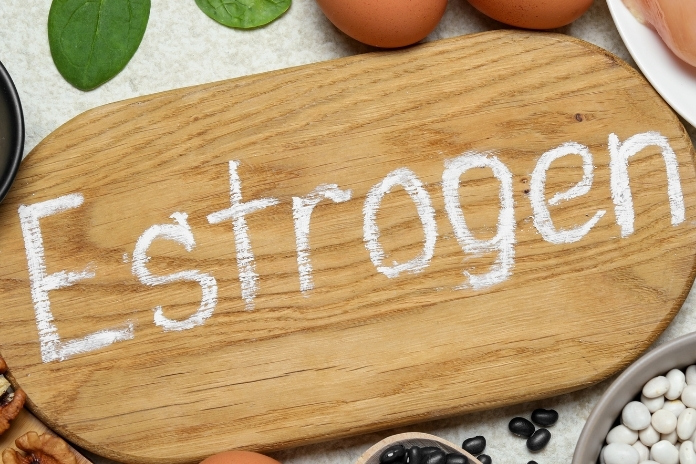
Phytoestrogens are plant-based compound that mimics the effect of estrogen in our body. Since a decrease in estrogen is frequently the cause of vaginal dryness, eating foods that contain phytoestrogens may help reduce symptoms by having a moderate estrogen-like impact.
Phytoestrogens are naturally found in foods like soy products, flaxseeds, lentils, chickpeas, and sesame seeds. Eating food sources of phytoestrogens may alleviate dry vaginal issues and enhance overall vaginal health.
Try Aloe Vera Gel: People are mostly familiar with aloe vera gel for its skin-soothing and hydrating benefits, but it is also used on dry vaginal areas. Aloe vera gel contains anti-inflammatory properties, moisturizers, and wound-healing agents, and is also an effective way to repair, hydrate, and soothe damaged vaginal tissues. A 2021 study with postmenopausal women showed that aloe vera was equally as effective as an estrogen vaginal cream.
Foreplay before Intercourse: Sexual excitement during intercourse creates vaginal lubrication, so try some foreplay beforehand. Although almost all women do not need much, if any, foreplay, we know that sexual excitement naturally enhances vaginal lubrication. The more fun you have with foreplay, the more excited you become about sexual intercourse.
The excitement causes your vaginal secretory glands to release their natural lubricant, and you avoid the problems you experienced with a dry vagina. Located near the vaginal opening, the Bartholin’s glands play an important role in providing natural lubrication. It releases moisture during sexual stimulation.
Use Vitamin E: Vitamin E is another natural remedy well-known for its properties to hydrate and soften dry skin. There are several benefits to using vitamin E to minimize vaginal dryness, including improved skin elasticity and enhanced moisture retention.
Manufacturers provide vitamin E in topical oils and also sell it as a supplement in pill form. You can apply the vitamin E oil to the vaginal tissue to promote moisture and achieve results. Consult your healthcare provider before starting any supplements.
Read More: 7 Best pH-Balanced Feminine Washes for Vaginal Health
Evidence-Based Medical Options (Discuss With Your Clinician)
Your doctor can recommend topical, low-risk estrogen treatment to encourage vaginal lubrication and enhance the thickness and flexibility of your vagina because low estrogen is a typical cause of vaginal dryness. These might consist of:
- Vaginal Ring: A gentle, pliable ring is inserted into your vagina by your physician. The ring lasts for around three months and gradually delivers a small amount of estrogen into your vaginal tissues. You would then return to your doctor to have a new ring inserted and have the old one removed.
- Vaginal Pill: This drug is used by inserting a low-estrogen tablet into your vagina using an applicator that resembles a tampon. It delivers a small amount of estrogen into your vaginal tissue, much like the vaginal ring does.
- Vaginal Cream: This medication is also applied by inserting a cream with a reduced estrogen content into your vagina with an applicator.
For more information about these treatments, including potential adverse effects, consult your doctor. For certain patients, these might not be practical choices.
Your doctor could suggest one of the following over-the-counter remedies to relieve vaginal dryness:
- Water-based personal lubricants to use during intercourse. (Lubricants with an oil basis may cause irritation and ruin condoms.)
- For ongoing comfort, vaginal moisturizers such as Replens and Luvena, which you apply with an applicator every few days, help restore your vagina’s natural moisture content.
How to Talk to Your Clinician (and What They May Check)
Although you might be reluctant to discuss your issue with your doctor, some therapies might help.
If you’ve been experiencing vaginal dryness for a few weeks and nothing you’ve tried on your own is helping, see your doctor. Get in touch with your doctor if you experience vaginal dryness:
- Interferes with the things you do every day.
- Impacts your connection with your partner or your sexual life.
- Over-the-counter remedies don’t make things better.
- Comes with a lot of vaginal bleeding.
- You’re experiencing odd vaginal bleeding or discharge.
Read More: 10 Causes of Vaginal Cancer
Conclusion
Vaginal dryness can often occur in many women, particularly in their 30s and 40s, leading to issues in intimacy and overall comfort. A positive aspect of this condition is that treatment and management options are available, which means you’re not just stuck with whatever’s happening to you right now. While there may be a natural inclination to discount the issue to stress, hormonal fluctuations, or other factors, please also remember that you have options.
The most important thing is to listen to your body and notice when dryness presents in a new, uncomfortable way, or when it affects your quality of life. Open and honest conversation with your healthcare practitioner can provide clarity on your situation and also point you in the right direction of appropriate treatment options.
Overall, please remember that vaginal dryness is a challenge that many women face, and you don’t have to be uncomfortable or feel uncertain. You have opportunities, and with common sense and treatment, you can be at it again!
References
- https://my.clevelandclinic.org/health/symptoms/21027-vaginal-dryness
- https://www.mountsinai.org/health-library/diseases-conditions/vaginal-dryness
- https://www.healthdirect.gov.au/vaginal-dryness
- https://www.acog.org/womens-health/experts-and-stories/the-latest/experiencing-vaginal-dryness-heres-what-you-need-to-know
- https://www.womens-health-concern.org/wp-content/uploads/2023/11/25-WHC-FACTSHEET-VaginalDryness-OCT2023-B.pdf
- https://www.medicalnewstoday.com/articles/321615#symptoms
- https://www.mayoclinic.org/diseases-conditions/vaginal-atrophy/symptoms-causes/syc-20352288
- https://gynobmedgroup.com/3-signs-of-vaginal-dryness-you-might-not-realize/
- https://www.sciencedirect.com/science/article/abs/pii/S0378874120336485
- https://www.joinmidi.com/post/vaginal-dryness
- https://flo.health/menstrual-cycle/health/vaginal-discharge/vaginal-dryness
- https://flo.health/about-us/sara-twogood
- https://www.healthywomen.org/content/ask-expert/7553/talking-your-health-care-provider-about-vaginal-dryness
In this Article