











Malaria remains one of the world’s most significant public health challenges, affecting millions of people annually. This comprehensive guide provides essential information about this life-threatening disease, from understanding its causes to recognizing symptoms and accessing proper treatment.
What is Malaria?
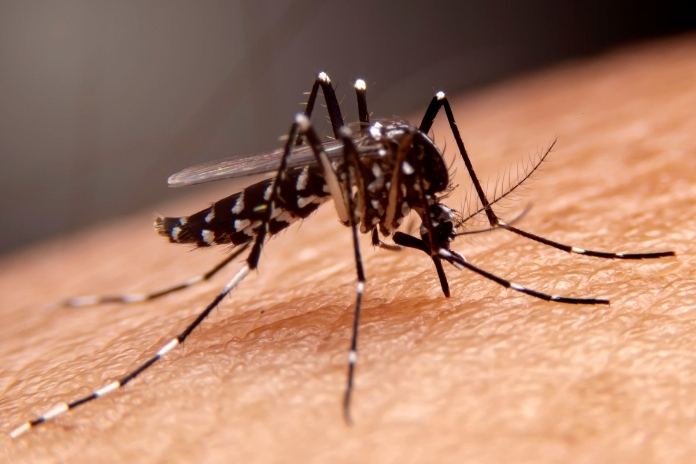
Malaria is a serious parasitic disease transmitted through the bite of infected female Anopheles mosquitoes. The disease is caused by Plasmodium parasites, which enter the human bloodstream and infect red blood cells. Once in the body, parasites travel to the liver where they mature and multiply before re-entering the bloodstream to continue their life cycle.
Malaria is not contagious and cannot be transmitted from person to person through casual contact. However, transmission can occur through blood transfusions, organ transplants, shared needles, or from an infected mother to her child during pregnancy or childbirth.
“Malaria is caused by parasites in the genus Plasmodium that are usually injected into people through the bite of a mosquito,” says Bobbi Pritt, M.D. director of the Clinical Parasitology Laboratory at Mayo Clinic.
Read More: Malaria in Children: Symptoms, Treatment, and Prevention Tips for Parents
Global Impact and Statistics

In 2023, the WHO African Region was home to 94% of malaria cases (246 million) and 95% (569 000) of malaria deaths. The disease predominantly affects tropical and subtropical regions, with sub-Saharan Africa bearing the heaviest burden. Children under 5 years of age and pregnant women are at highest risk of severe complications and death.
Types of Malaria Parasites
Five species of Plasmodium parasites cause malaria in humans:
Plasmodium falciparum: The most dangerous species, responsible for the majority of malaria-related deaths worldwide. It can cause severe complications and is predominantly found in Africa.
Plasmodium vivax: The most geographically widespread malaria parasite outside of Africa. It can remain dormant in the liver and cause relapses months or years after initial infection.
Plasmodium ovale: Similar to P. vivax, this species can remain dormant in the liver for extended periods. It’s primarily found in West Africa.
Plasmodium malariae: Can cause long-term chronic infections and is found worldwide in tropical areas. If left untreated, it can persist in the blood for decades.
Plasmodium knowlesi: Primarily found in Southeast Asia, this species can cause severe disease with rapid progression.
How Malaria Spreads
The malaria transmission cycle begins when a female Anopheles mosquito bites an infected person and ingests blood containing malaria parasites. The parasites develop within the mosquito over 10-18 days. When the infected mosquito subsequently bites another person, it injects the mature parasites into their bloodstream.
The parasites then travel to the liver, where they mature and multiply. After 7-30 days, the parasites re-enter the bloodstream and begin infecting red blood cells, causing the characteristic symptoms of malaria.
Read More: What to Eat (and Avoid) During Malaria Recovery
Symptoms and Stages
Early Symptoms
Malaria symptoms typically appear 10-15 days after being bitten by an infected mosquito, though they can be delayed for months in some cases. Initial symptoms often resemble flu and include:
- High fever (often cyclical, occurring every 48-72 hours)
- Severe chills and sweating
- Headache and muscle aches
- Fatigue and weakness
- Nausea and vomiting
- Abdominal pain
- Diarrhea
Severe Malaria
If left untreated, malaria can progress to severe complications within 24-48 hours:
- Cerebral malaria: Seizures, confusion, coma
- Severe anemia: Due to destruction of red blood cells
- Respiratory distress: Difficulty breathing
- Organ failure: Kidney, liver, or heart failure
- Hypoglycemia: Dangerously low blood sugar
- Circulatory shock: Cardiovascular collapse
Diagnosis
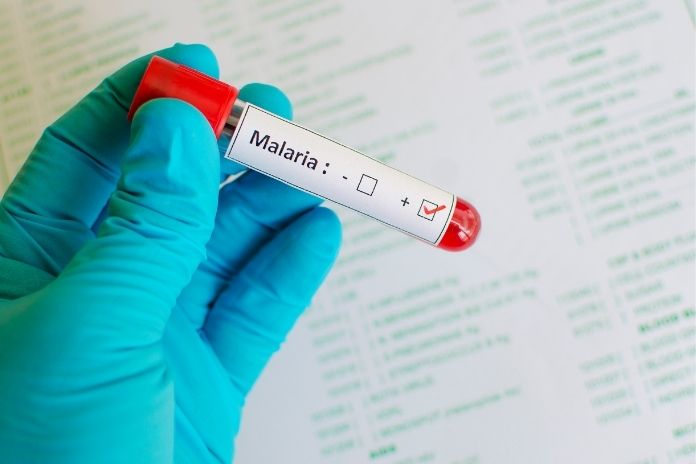
Prompt and accurate diagnosis is crucial for effective malaria treatment. Healthcare providers use several diagnostic methods:
Microscopic examination: Blood smears examined under a microscope remain the gold standard for malaria diagnosis.
Rapid diagnostic tests (RDTs): These provide quick results and are particularly useful in resource-limited settings.
Molecular tests: PCR-based tests offer high sensitivity and can identify parasite species.
Read More: Can You Get Malaria More Than Once? Understanding Immunity & Relapse
Treatment
Immediate Medical Treatment
Malaria is a medical emergency requiring immediate treatment. The World Health Organization recommends artemisinin-based combination therapies (ACTs) as the first-line treatment for uncomplicated P. falciparum malaria.
Common ACT combinations include:
- Artemether-lumefantrine
- Artesunate-amodiaquine
- Dihydroartemisinin-piperaquine
For severe malaria, intravenous artesunate is the WHO-recommended treatment.
Treatment Considerations
Treatment choice depends on several factors:
- Parasite species
- Geographic area of infection
- Patient’s clinical condition
- Pregnancy status
- Drug resistance patterns
Prevention Strategies
Vector Control
Controlling mosquito populations and preventing bites are fundamental to malaria prevention:
Insecticide-treated bed nets (ITNs): These reduce malaria transmission by approximately 50% and are one of the most cost-effective interventions.
Indoor residual spraying (IRS): Spraying interior walls with long-lasting insecticides kills mosquitoes that rest indoors.
Personal Protection
Individual protective measures are essential, especially for travelers:
- Protective clothing: Long-sleeved shirts and long pants, especially during peak mosquito activity (dusk to dawn)
- Insect repellent: DEET-based repellents are most effective against malaria-carrying mosquitoes
- Air conditioning or screens: Keep mosquitoes out of living spaces
- Permethrin-treated clothing: Additional protection for outdoor activities
Read More: 5 Types of infections That You Must Know in Detail
Chemoprevention
Preventive medications are recommended for travelers to malaria-endemic areas:
- Atovaquone-proguanil: Effective against drug-resistant parasites
- Doxycycline: Alternative option with good efficacy
- Mefloquine: Used in areas with chloroquine resistance
- Chloroquine: Limited to areas without resistant parasites
Emerging Prevention Methods
Seasonal malaria chemoprevention (SMC): Monthly treatment during high transmission seasons for children in certain African regions.
Intermittent preventive treatment in pregnancy (IPTp): Sulfadoxine-pyrimethamine given to pregnant women in high-transmission areas.
High-Risk Groups
Children
Children under 5 are at the highest risk of severe malaria and death. Their developing immune systems cannot effectively fight the infection.
Pregnant Women
Pregnancy increases susceptibility to malaria and risk of complications, including maternal anemia, low birth weight, and infant mortality.
Travelers
Non-immune travelers from malaria-free areas are at high risk when visiting endemic regions.
Immunocompromised Individuals
People with HIV/AIDS, those undergoing chemotherapy, or taking immunosuppressive medications face increased risks.
Emergency Warning Signs
Seek immediate medical attention if experiencing:
- High fever, especially after travel to malaria-endemic areas
- Severe headache with neck stiffness
- Difficulty breathing or rapid breathing
- Confusion, altered consciousness, or seizures
- Persistent vomiting preventing medication retention
- Signs of severe anemia (extreme fatigue, pale skin)
- Dark or bloody urine
Malaria Elimination Efforts
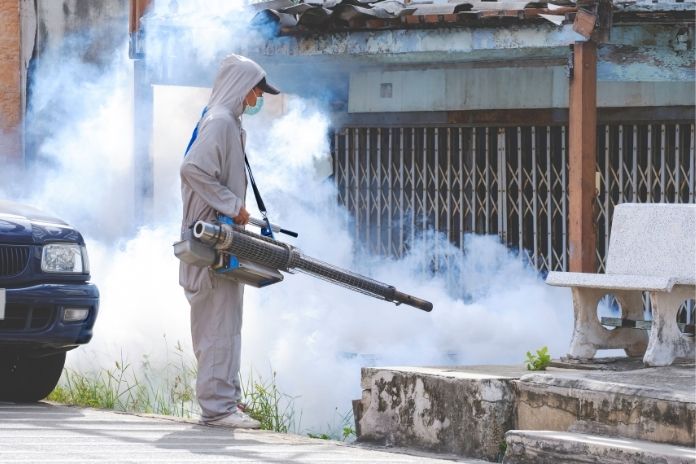
Global malaria control efforts have saved millions of lives since 2000. Key strategies include:
- Surveillance and response: Rapid detection and treatment of cases
- Vector control: Systematic mosquito control programs
- Access to treatment: Ensuring availability of effective medications
- Community engagement: Education and participation in prevention efforts
- Research and development: New tools including vaccines, drugs, and diagnostics
Read More: 10 Best Known Home Remedies For Mosquito Bites
Living in Malaria-Endemic Areas
For people living in areas where malaria is common:
- Know the symptoms: Early recognition saves lives
- Maintain prevention measures: Consistent use of bed nets and other protections
- Seek prompt treatment: Don’t delay if symptoms develop
- Support community efforts: Participate in vector control programs
- Educate others: Share knowledge about prevention and treatment
Conclusion
Malaria remains a major global health challenge, but it is entirely preventable and treatable when proper measures are implemented. Understanding the disease, recognizing symptoms early, and accessing appropriate medical care are crucial for reducing its impact.
Success in malaria control requires coordinated efforts combining vector control, case management, surveillance, and community participation. With continued global commitment and scientific advancement, the goal of malaria elimination becomes increasingly achievable.
References
- https://www.who.int/news-room/fact-sheets/detail/malaria
- https://www.cdc.gov/malaria/causes/index.html
- https://www.cdc.gov/malaria/about/index.html
- https://www.cdc.gov/dpdx/malaria/index.html
- https://www.cdc.gov/malaria/testing/index.html
- https://www.who.int/teams/global-malaria-programme/guidelines-for-malaria
- https://www.cdc.gov/malaria/treatment/index.html
- https://www.cdc.gov/malaria/php/public-health-strategy/irs-strategies.html
- https://www.cdc.gov/malaria/prevention/index.html
- https://www.cdc.gov/malaria/features/world-malaria-day/index.html
- https://www.cdc.gov/yellow-book/hcp/travel-associated-infections-diseases/malaria.html
- https://www.who.int/initiatives/malaria-vaccine-implementation-programme
- https://www.sciencedirect.com/science/article/pii/S1198743X14001645
- https://www.mayoclinichealthsystem.org/hometown-health/speaking-of-health/malaria-in-the-us
- https://www.mayoclinic.org/biographies/pritt-bobbi-s-m-d/bio-20514068
In this Article