














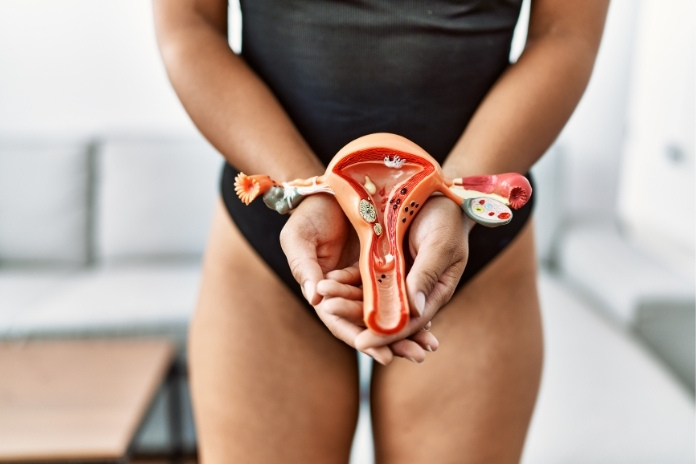
Many people assume that losing a fallopian tube automatically means losing the ability to get pregnant. The truth is, for most people, that’s not the case. If your remaining tube and ovaries are healthy, natural conception is often still possible, although it may take longer for some individuals. Fertility depends on several factors, including age, egg quality, and overall reproductive health, but having one functional tube does not eliminate the possibility of pregnancy.
Understanding what to expect after losing a tube can reduce anxiety and help you make informed choices about your reproductive journey. From timing intercourse to knowing when to seek medical guidance, there are practical steps you can take to maximize your chances of conception.
This article walks you through the key facts, doctor-backed tips, and realistic next steps, so you can approach your fertility with confidence and clarity. Whether you’re planning to try naturally or considering assisted reproductive options, knowing what’s normal and when to get help can make all the difference.
Can you get pregnant with one fallopian tube?
Yes, in most cases, having a single fallopian tube does not prevent natural conception. If you have one healthy tube, a functioning ovary, and a normal uterus, pregnancy is still possible without assisted reproductive techniques. Clinical sources, including the Mayo Clinic and other major medical centers, report that many people who have undergone a unilateral salpingectomy (removal of one tube) successfully conceive naturally.
How does it work? There are two key reasons. First, the remaining tube is usually capable of capturing an egg released from either ovary, allowing ovulation from the opposite side to still result in fertilization. Second, the single working tube provides a complete pathway for sperm to meet the egg and for the embryo to travel to the uterus. Research and clinical reviews show that, after removal of one tube, many individuals achieve intrauterine pregnancy within months, depending on age and overall reproductive health.
It’s also important to note that while conception is possible, some people may experience a slightly longer time to pregnancy, particularly if there are other factors affecting fertility. Awareness of your reproductive health, timing intercourse with ovulation, and consulting a fertility specialist if pregnancy doesn’t occur after a reasonable period can help optimize your chances.
“People don’t need to assume their fertility is finished after losing one tube,” says Dr. Lucky Sekhon, MD, reproductive endocrinologist. “If the remaining tube is healthy and you’re ovulating, you still have a good chance of conceiving.”
Two practical takeaways: a single tube doesn’t equal sterility, and the health of the remaining tube, not the number of tubes, is the key factor.
Factors that influence fertility with one tube
Several variables change your chances of conceiving naturally:
- Health of the remaining tube.If it’s open and free from scarring or hydrosalpinx, the odds are much better. Blockage or damage lowers the chance and raises the risk.
- Age and ovarian reserve.Egg quality and quantity decline with age; this is one of the strongest predictors of time to pregnancy.
- Past pelvic disease or surgery.Endometriosis, pelvic inflammatory disease, or prior surgeries can affect the tube’s function and pelvic anatomy.
- Partner sperm health.Male factor infertility contributes to about half of couples struggling to conceive; a semen analysis is a routine part of evaluation.
A frank assessment of those factors, usually via imaging and simple tests, lets clinicians estimate how long to try naturally and whether early referral to fertility services is appropriate.
Tips to Improve Your Chances of Conceiving Naturally
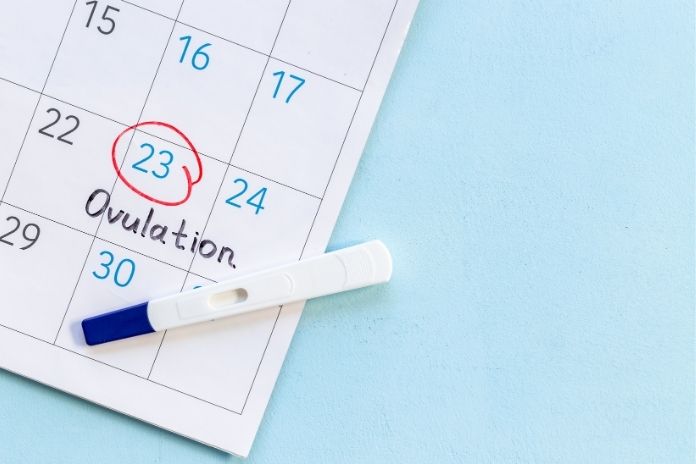
Below are doctor-recommended, practical steps that meaningfully boost your odds when you’re down to one tube.
A. Track ovulation (do this first)
Knowing when you ovulate makes your efforts far more efficient. Options:
- Ovulation predictor kits (OPKs) detect the LH surge and usually signal ovulation in the next 12–36 hours.
- Basal body temperature (BBT) and cervical-mucus observation help identify fertile days but are slower to interpret.
- Fertility-tracking apps can be useful, but they work best combined with OPKs if cycles are irregular.
- For couples with a one-tube situation or other risk factors, ultrasound monitoring(follicle scans) provides the most precise timing and is commonly used in fertility clinics.
The classic fertility studies show a six-day “fertile window” ending on the day of ovulation; intercourse in the two days before and on the day of ovulation carries the highest per-cycle chance of conception. That’s why timing matters.
B. Time intercourse wisely
Aim for sex every 1–2 days across the fertile window, especially the 48 hours before and the day of ovulation. Frequent intercourse across the fertile window increases the odds because sperm can survive several days in the reproductive tract. The NEJM fertility studies remain the best evidence for this timing.
C. Maintain fertility-friendly lifestyle habits
Small, evidence-backed changes move the needle:
- Keep a healthy weight. Higher BMI is associated with lower natural-fertility and assisted-reproduction success.
- Quit smoking. Smoking damages ovarian reserve and sperm quality and is linked to lower conception rates. The CDC and fertility societies recommend stopping before trying.
- Limit alcohol and recreational drugs, and maintain balanced sleep, exercise, and stress management. These support ovulatory function and general reproductive health.
“If you have one healthy tube, lifestyle optimizations like maintaining a normal BMI and quitting smoking can make a real difference,” notes Dr. Mark Sklar, MD, fertility specialist. “They’re low-risk first steps that improve both natural and assisted conception outcomes.”
D. Keep routine checkups and testing on track
If you’ve had pelvic surgery, infection, or an ectopic pregnancy, ask your doctor for a tubal evaluation (HSG or saline ultrasound) and a fertility workup that includes a semen analysis, ovulation confirmation, and ovarian reserve testing (AMH, FSH). That clarifies whether the remaining tube is likely to function.
When to Consider Fertility Treatments
If you’ve been trying for 6–12 months without success (the exact threshold depends on age and risk factors), involve a fertility specialist. General guidance:
- Under 35: consider evaluation after 12 months of regular, unprotected intercourse.
- Age 35 or older: consider evaluation after 6 months. These are standard, widely used thresholds.
If the remaining tube is blocked, repeatedly damaged, or if you have additional fertility factors (poor ovarian reserve, severe male factor), assisted reproduction is a common next step.
- IVF (in vitro fertilization)bypasses the fallopian tubes entirely by fertilizing the egg in the lab and placing an embryo in the uterus, making it an excellent option for tubal ligation or when one tube is nonfunctional. ASRM guidance and modern clinic practice treat IVF as the preferred pathway when tubal damage is significant.
- Fertility drugs(clomiphene, letrozole, gonadotropins) can help if ovulation is irregular or if you and your specialist agree that stimulating ovulation plus timed intercourse or IUI is reasonable. Success depends on the specific diagnosis.
Importantly, if you’ve had an ectopic pregnancy in the past, your clinician will discuss ectopic risk and close early monitoring if you conceive naturally.
Emotional Support and Coping
Trying to conceive after a loss or surgery can be emotionally draining. Clinics and professional bodies recognize this:
Fertility centers frequently offer counselling or can refer you to fertility-trained mental-health professionals; patient groups and peer support are also valuable. Research and guidance from ASRM and regional health services encourage integrated emotional care as part of fertility treatment.
Find a counselor who understands fertility, join a moderated support group, and be frank with your partner about expectations and timelines. Practical planning reduces anxiety and helps decision-making.
Frequently Asked Questions (FAQs)
What are the chances of pregnancy with one fallopian tube?
There’s no single number; it depends on tube health, age, and partner factors. Many people conceive naturally; studies of post-surgery pregnancy rates show substantial numbers achieving intrauterine pregnancy within 1–2 years.
Can you ovulate from both ovaries with one tube?
Yes. Ovaries alternate or sometimes both ovulate; importantly, the remaining tube can sometimes pick up an egg from the opposite ovary (a phenomenon called ovum transmigration). Clinical reports document this mechanism, which explains why conception is still possible after unilateral tube removal.
Does removing a tube affect egg quality?
No, removing a fallopian tube doesn’t change the eggs in your ovaries. Ovarian reserve (egg quantity/quality) is related to age and ovarian health, not the presence or absence of a tube. Some studies find no significant effect of salpingectomy on ovarian reserve or IVF ovarian response.
How long should I try before seeing a fertility specialist?
If you’re under 35, try for 12 months; if you’re 35 or older, consider evaluation after 6 months, sooner if you have known fertility risks.
Conclusion
Having just one fallopian tube does not automatically mean you can’t get pregnant. What truly matters is whether the remaining tube is healthy and whether other fertility factors, such as ovarian function, egg quality, and uterine health, are favorable. Many people with a single tube go on to conceive naturally, sometimes within a few months, while others may take a bit longer.
To give yourself the best chance, it helps to track ovulation and time intercourse during the fertile window. Lifestyle factors matter too: maintaining a healthy weight, avoiding smoking, managing stress, and addressing any underlying medical conditions can all improve fertility. If pregnancy does not occur within a reasonable timeframe, basic fertility testing can identify potential obstacles and guide next steps.
For those with tubal damage, age-related fertility decline, or other reproductive challenges, modern treatments such as in vitro fertilization (IVF) offer highly effective alternatives. The key takeaway is that losing one tube is rarely a barrier to pregnancy. Armed with knowledge, good medical guidance, and healthy habits, you can approach conception with confidence and hope.
References
- https://www.mayoclinic.org/diseases-conditions/female-infertility/expert-answers/pregnancy/faq-20058418
- https://www.fertilitycenter.com/fertility_cares_blog/can-i-get-pregnant-with-one-fallopian-tube/
- https://www.maxhealthcare.in/blogs/conceiving-one-fallopian-tube
- https://www.cloudninecare.com/blog/conceiving-with-one-fallopian-tube
- https://crystaivf.com/blogs/chances-of-getting-pregnant-with-one-fallopian-tube/
- https://aveya.in/get-pregnant-with-one-fallopian-tube/
- https://my.clevelandclinic.org/health/body/23184-fallopian-tubes
- https://www.drpadmajaivf.com/blog/test-tube-baby-centres-in-hyderabad/
- https://rrc.com/conceive-one-fallopian-tube/
- https://www.apollo247.com/health-topics/fertility/your-guide-to-getting-pregnant-with-one-fallopian-tube
- https://drsupriyapuranikivf.com/blog/conceiving-with-one-fallopian-tube/
- https://tfp-fertility.com/en-gb/blog/tips-for-conceiving-with-one-fallopian-tube
- https://www.youtube.com/watch
- https://www.vinmec.com/eng/blog/possible-effects-when-cutting-one-fallopian-tube-en
- https://www.zeeva.in/tips-for-conceiving-with-one-fallopian-tube/
- https://www.institutobernabeu.com/en/blog/possible-get-pregnant-i-one-fallopian-tube-i-neither/
- https://www.nataliecrawfordmd.com/blog-1/can-you-get-pregnant-with-one-fallopian-tube
In this Article