








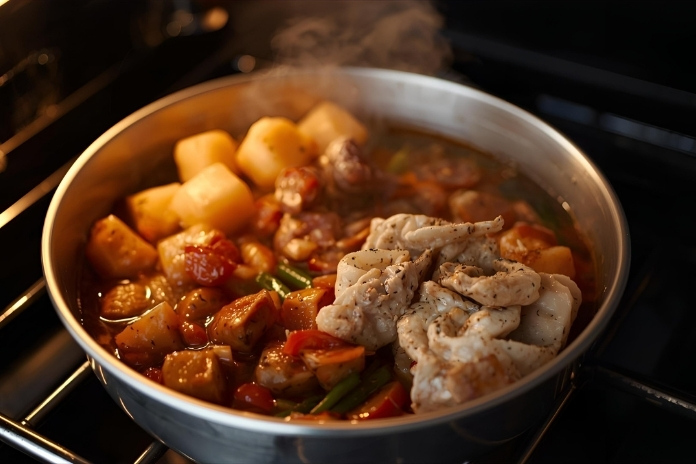
Weekends are for parties and calling friends over. For this, I often end up making more food than usual, and most times face the issue of leftovers. Throwing it away is not an option, and I often reuse it. This not only saves time but also spares me the hassle of planning every meal on hectic days. But how good is reheating the leftovers, from a health perspective?
Reheating leftovers is a universal practice in homes all around the globe. It could be last night’s curry, yesterday’s roasted chicken, or a slice of pizza. Leftovers can save time, cut down on food waste, and actually taste better once the flavors have blended.
However, mishandling the leftovers can cause foodborne illness, nutrient loss, or unappetizing texture. Knowing how to store, handle, and reheat leftovers of various kinds ensures your meals stay safe, healthy, and tasty.
Food Safety 101 for Leftovers
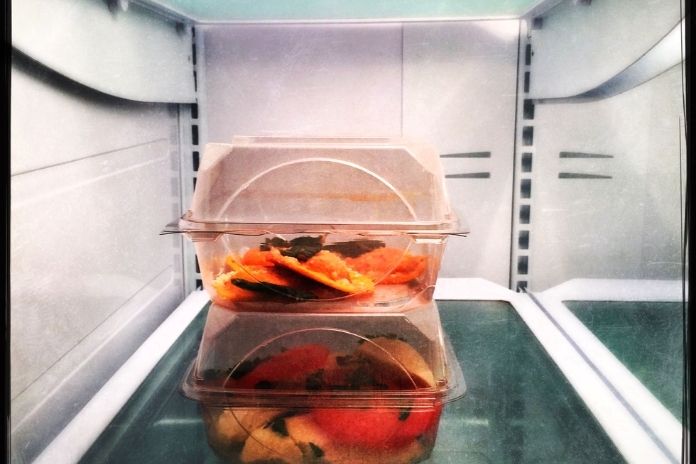
If having leftovers is on your agenda, here are a few easy rules you must follow:
The “2-Hour Rule”:
One of the basic leftover safety principles is the 2-hour rule. Cooked foods should be put into the refrigerator or freezer within two hours of cooking. In warm climates or summer days when ambient temperatures are above 32°C (90°F), this window is reduced to only one hour.
Food that sits out for longer periods allows bacteria such as Bacillus cereus, Salmonella, and Listeria to grow quickly. These microbes can survive cooking and grow if food remains at room temperature, yielding toxins that cannot be inactivated by heat from reheating.
Read More: 8 Best Meal Prep Containers for Balanced Nutrition
Cool Quickly:
Correct cooling is as crucial as on-time storage. Shallow containers, no deeper than 5 cm, are best for quick heat dissipation. Don’t pile up hot containers, which retain heat and prolong cooling. Divide food into shallow pans or small containers to facilitate quick and speedy cooling and thereby decrease bacterial growth.
Fridge and Freezer Lifespan:
Most cooked leftovers can be safely stored in the fridge for 3–4 days. Beyond that, spoilage and bacterial growth increase significantly. Freezing can extend storage life to 2–3 months, although texture and flavor may be affected for delicate foods like fried items or pasta. Always label containers with the cooking date for better tracking.
Reheating Target:
To safely eat leftovers, they should be heated to an internal temperature of 165°F (74°C). Check with a food thermometer that the thickest part is at this temperature. For soups, stews, and sauces, bring them to a rolling boil so that the heat reaches throughout.
How Many Times Can You Reheat?
Technically, food leftovers can be reheated over and over again if properly handled. Yet, successive reheating diminishes quality, moisture, and flavor. In order to preserve safety as well as palatability, reheat only the portion you are going to consume.
Nutrition: What Changes When You Reheat?
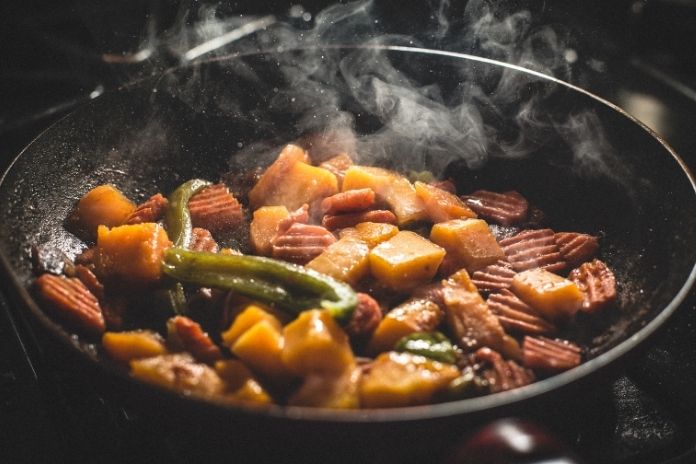
Reheating food is fine, but one question lingers in our minds. We often think that the food loses its nutritional value upon reheating. Let’s understand if this is right:
Heat-Sensitive Vitamins:
Some vitamins, such as vitamin C and certain B-complex vitamins, are heat-sensitive. Repeated high-heat or long-term reheating will greatly break down these nutrients. Vegetables and fruit dishes are most at risk. To help maintain nutrition, reheat briefly and quickly.
Microwave vs Oven:
Microwaves tend to conserve more nutrients than ovens or stovetops because food is heated for a shorter period and requires less water. This is particularly applicable to vegetables and grains. However, overheating the oven for a long period can cause nutrient loss and food dehydration.
Fats and Oxidation:
Fats like olive or flaxseed oil may oxidize when repeatedly heated at high temperatures. Not only does this impact flavor, but it decreases the health value of the fats, too. Reheat foods with volatile oils over low heat in order to preserve quality.
Resistant Starch:
Interestingly, reheated and cooled starches, like rice, potatoes, and pasta, can develop resistant starch. Resistant starch acts similarly to fiber during digestion, enhancing glycemic response and promoting gut health. For optimal results, cool starches for a minimum of 12 hours before reheating.
Dr Stacey Duvenage, from the Natural Resources Institute at the University of Greenwich in London, said: “In the hope of offsetting food wastage, leftover food is often kept for a second meal.
“However, care should be taken when preparing it and reheating it to prevent food poisoning and to maintain the nutritional properties,” she adds.
Best Reheating Method for Food
Rice and Grains
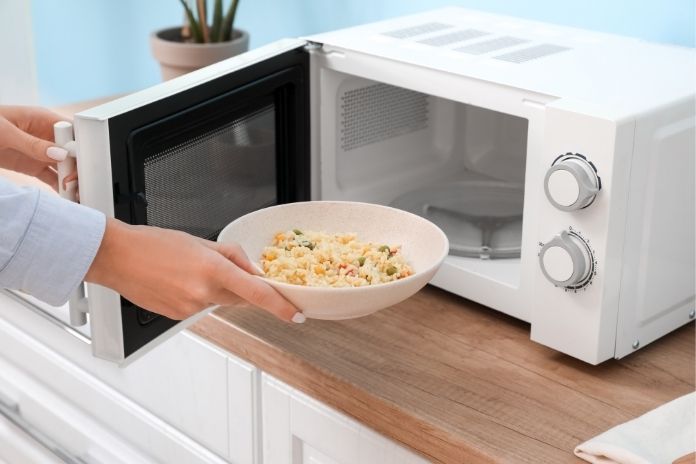
Risk: Bacillus cereus spores are heat-resistant. Incorrect cooling or letting rice sit at room temperature allows toxins to develop.
Method:
Chill cooked rice and grains rapidly. When reheating:
- Use 1–2 tablespoons of water.
- Cover to retain steam.
- Microwave until piping hot (165°F), halfway through stirring.
- Alternatively, re-steam on the stovetop for even heating.
Chicken and Meat
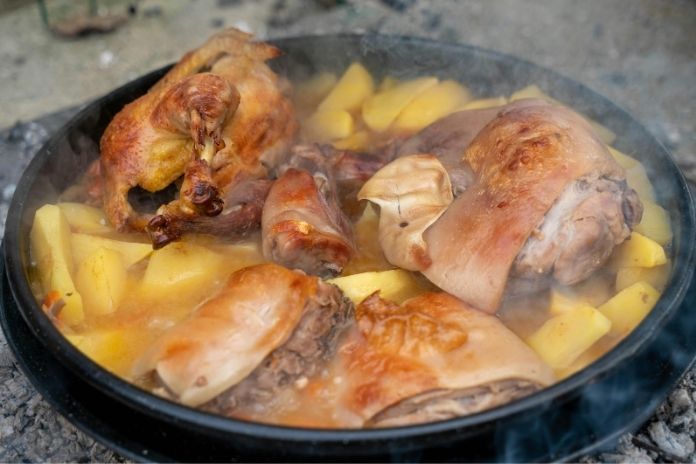
Why: Thick proteins warm unevenly, with cold spots that can harbor bacteria.
Method:
- Slice or shred meat to heat more evenly.
- Microwave with a splash of stock, covered and stirring occasionally.
- Oven: Cook at 325–350°F (160–175°C) until internal temp is 165°F.
- For steaks or chops: Rapid skillet with a small amount of oil rehydrates and resets flavor.
Seafood
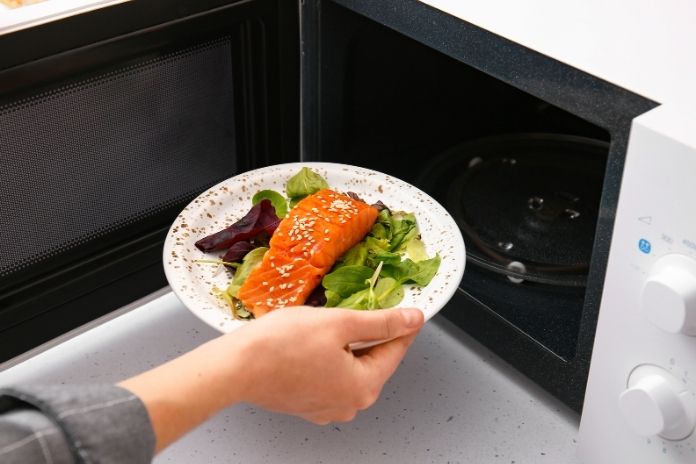
Why: Seafood quickly overcooks, gets rubbery, or tough.
Method:
- Low-and-slow reheating with a covered skillet and a dash of broth.
- Oven: 275–300°F (135–150°C), with a thermometer check.
- Stop when the internal temperature reaches 165°F to avoid overcooking.
Saucy Dishes (Curries, Stews, Chili)
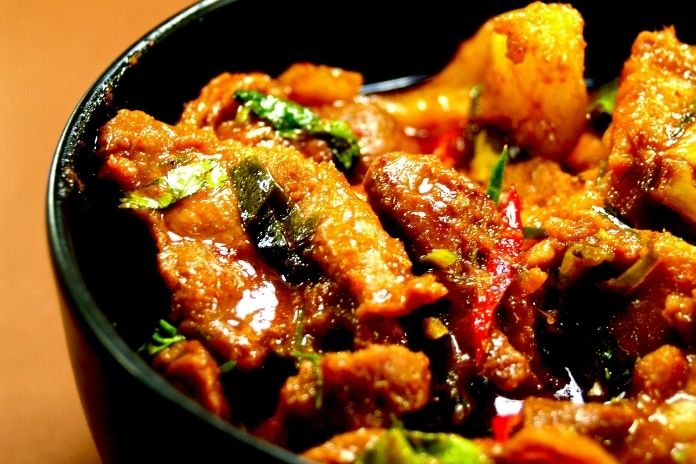
Why: Reheats perfectly; the flavors get better as the ingredients blend.
Method:
- Stovetop: Heat through to a quick boil, stirring often.
- Microwave: Heat intermittently, stirring in between to prevent cold spots.
Pizza and Breads
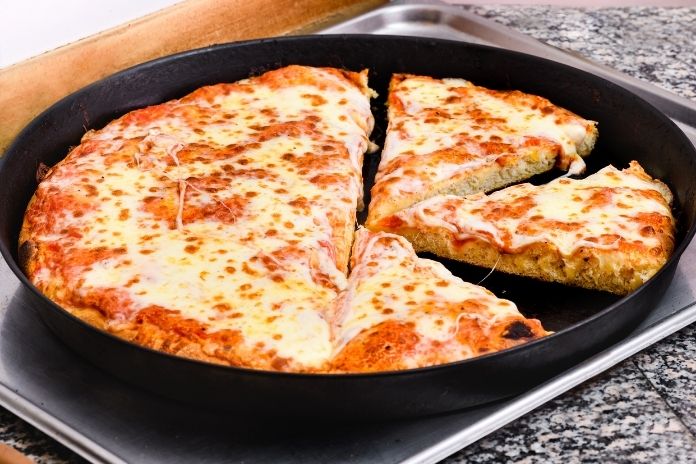
Why: Microwaves soften crusts, and you can enjoy delicious pizzas that still feel hot, crisp, and fresh.
Method:
- Skillet with lid on: Steam for a short time, then crisp the bottom.
- Oven or air fryer: Cook at 350–400°F (180–200°C) for a crispy finish without drying.
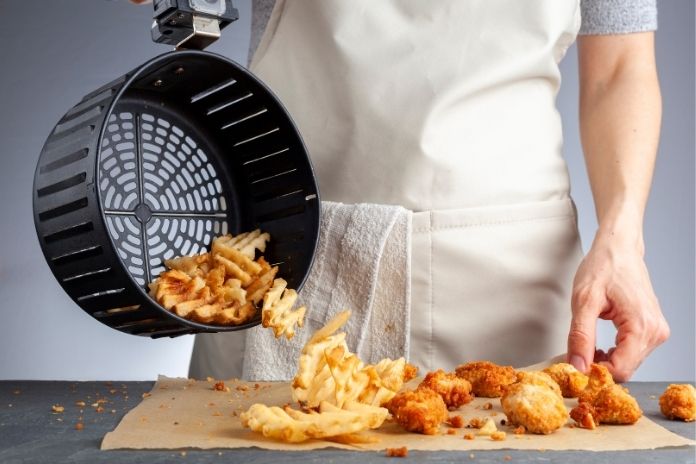
Fried or Crumbed Foods
Method:
- An oven or air fryer on a rack rejuvenates crispiness.
- Don’t microwave; it softens the coatings.
- Lightly oil spray if necessary.
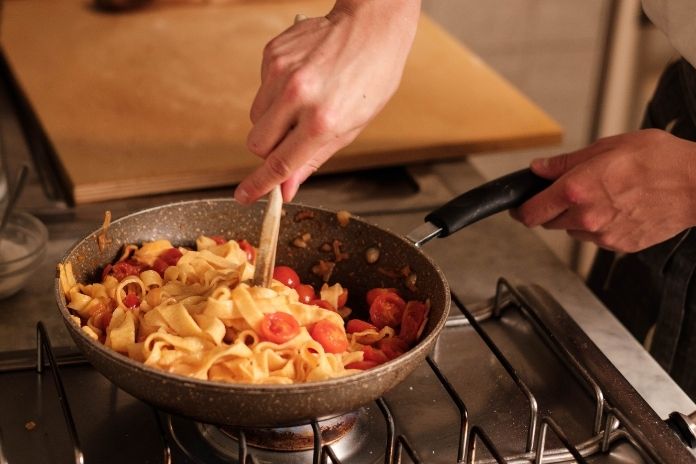
Pasta
Method:
- Skillet with sauce and a little water prevents drying.
- Microwave covered, halfway through stirring.
- Don’t reheat dry pasta with no sauce—it gets sticky and hard.
Soups and Stocks
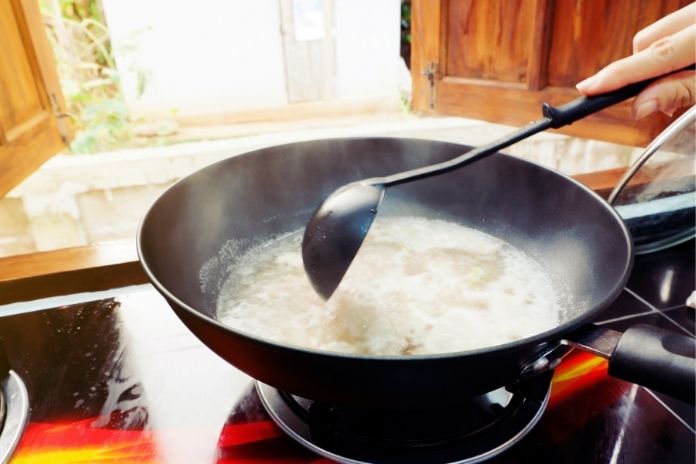
Method:
- Bring to a rolling boil.
- Stir well to distribute heat evenly.
Eggs and Dairy-Based Sauces

Method:
- Use gentle heat, ideally a double boiler or low-intensity microwave.
- Stir well to avoid curdling or splitting.
Read More: Meal Planning Hacks for Busy Families: Save Time, Eat Healthier!
Microwave Smarts (To Prevent Cold Spots)
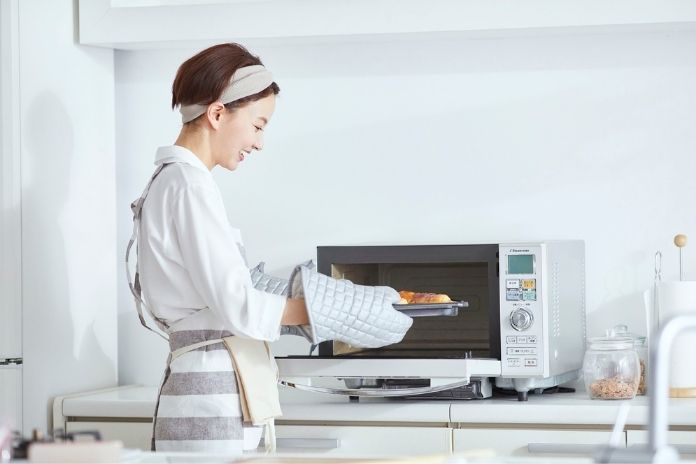
If stovetop is not your thing, and you prefer the microwave. Here’s a quick list of tips that’ll help you reheat the leftovers perfectly:
- Use shallow, wide dishes to provide even heat distribution.
- Cover loosely to retain steam but permit pressure release.
- Stir or turn food halfway, then stand 1–2 minutes for carryover heat.
- Use glass or ceramic; steer clear of some plastics not designated as microwave-safe.
Reheating Leftovers: Do’s and Don’ts

Reheating food is not rocket science. Here are a few do’s and don’ts to follow:
Do:
- Make sure to label and date containers. This helps keep an up-to-date track.
- Maintain a fridge at ≤40°F (4°C). This is an optimum temperature for storage.
- Use a food thermometer, which’ll help you reheat correctly.
- Heat sauces and stews to a boil; reject food with an off smell or texture.
Don’t:
- Taste-test suspicious leftovers. Tasting is the ultimate test, but if you are in doubt, do not put the food in your mouth. This can lead to harmful consequences.
- Hold reheated food at room temperature for more than 2 hours.
- Refreeze leftovers that have been stored for more than 4 days.
Taste Upgrades (Chef Tricks)
If you wish to save time or simply use the leftover food stored in your freezer. Here are a few expert tips on reheating it:
- Add moisture: A splash of water or broth revives rice, grains, and meats.
- Re-season: Salt loses strength after storage; new acid (lemon, vinegar) and herbs rebuild flavor.
- Texture: Crisp the foods in the oven or air fryer; finish with butter or oil.
- Revive Aroma: bloom spices for a short while in a pan before adding to reheated food.
Special Cases and Myths
- Spinach & mushrooms are safe if refrigerated immediately and heated thoroughly. Temperature abuse, not the food, causes foodborne illness.
- Leftovers for children or during pregnancy need a thorough follow-up of time and optimum heating temperature.
- The smell test is a myth, as odor is an unreliable guide; toxic bacteria and poisons may lack odor.
FAQs
- How long do leftovers last?
For 3–4 days when refrigerated for most cooked foods. - What is a safe temperature for reheating?
165°F/74°C all the way through. - Can leftovers be reheated more than once?
Yes, if cooled and reheated properly. Only reheat what you’ll consume, as repeated heating reduces quality. - Best way to reheat rice?
Add water, cover, and heat until steaming hot. Never leave rice at room temperature for long.
Read More: Comfort Food Makeovers: Mac and Cheese, Pizza, and More – The Healthy Way
Bottom Line
Properly handling leftovers guarantees safety, nutrition, and flavor. Cool food rapidly, store it at suitable temperatures, and reheat with methods suited for each food type. Paying attention to a few details turns last night’s leftovers into safe, delicious, and palatable meals that are similar to freshly prepared food.
References
- https://www.sciencedirect.com/science/article/abs/pii/S0882401023004515
- https://www.vdacs.virginia.gov/pdf/cooling.pdf
- https://www.webmd.com/food-recipes/food-poisoning/ss/slideshow-leftover-facts
- https://www.sciencedirect.com/science/article/pii/S209624282300009X
- https://www.vdacs.virginia.gov/pdf/cooling.pdf
- https://www.betterhealth.vic.gov.au/health/healthyliving/food-processing-and-nutrition
In this Article