









Starting a fitness journey isn’t just about pushing yourself through intense workouts; it’s just as much about understanding the importance of recovery. While it might feel like the key to improvement is all about constant training, in reality, recovery is the secret ingredient that helps you perform at your best. Recovery isn’t just about taking a break; it’s a crucial part of the process that aids in reducing the risk of injury and gives your body the time it needs to heal and rebuild.
When you train, you’re putting stress on your muscles and energy systems, and it’s during those recovery periods that your body gets the chance to adapt and grow stronger. Rest days are essential; they’re not days off but windows of time where the magic happens. They allow your muscles to repair, replenish energy stores, and prevent overuse injuries. In fact, taking time to rest and recover properly is what will allow you to train harder, longer, and more effectively when you return to your next session.
Ultimately, the key to long-term fitness success is learning how to balance effort with recovery. Recognizing that both are equally important for reaching your peak performance is what sets you up for sustainable progress. If you give your body the time it needs to recover, you’ll be setting yourself up for a stronger, healthier, and more consistent fitness journey.
The Physiology of Muscle Recovery
When it comes to muscle recovery, it’s not just about taking a break; it’s a multifaceted process involving several important physiological pathways that are crucial for healing and growth. From tissue repair to glycogen replenishment, each component plays an essential role in getting your muscles back to their best. Understanding how recovery works at the physiological level can help you optimize your fitness results, leading to better performance and fewer injuries in the long run.
Protein Synthesis and Muscle Repair
One of the most vital processes in muscle recovery is protein synthesis. This process creates the new proteins needed to repair and build muscle tissue. When you work out, muscle fibers break down, and this sets the stage for muscle repair. Following exercise, protein synthesis works to rebuild and strengthen the muscle fibers, making them more resilient.
For protein synthesis to occur effectively, your body relies on essential amino acids, which you can obtain from foods rich in protein. This highlights the importance of maintaining a balanced diet to fuel the recovery process.
Read More: Replenish Your Energy: 6 Best Protein Powders for Men’s Muscle Recovery
Tissue Repair and Glycogen Replenishment
Tissue repair is another key part of muscle recovery, as it works to replace the damaged muscle fibers caused by exercise. The body kicks off a series of repair processes, such as the production of growth hormones and the activation of immune cells, to heal these microtears and improve muscle resilience.
A review of resistance exercise stress responses shows that workouts trigger the release of key anabolic hormones, growth hormone (GH), testosterone, and insulin-like growth factor-1 (IGF‑1), which stimulate muscle tissue repair and help regulate metabolism, immune function, and recovery.
Adequate rest and recovery are essential for these processes to function properly. Additionally, after exercise, your body needs to replenish glycogen, which is stored glucose used as energy during workouts. Consuming carbs post-exercise helps restore glycogen levels, providing energy for your next workout while also promoting faster recovery.
The Role of Nutrition, Hydration, and Sleep in Recovery
To support these recovery processes, adequate nutrition, hydration, and sleep are crucial. A balanced diet that includes the right mix of fats, carbs, and proteins helps repair muscle tissue and supports overall recovery. Hydration is equally important as it ensures the proper movement of nutrients throughout the body and supports healthy physiological functions.
Finally, sleep is a powerful tool for muscle recovery. During sleep, your body produces growth hormones that accelerate muscle growth and repair. Together, these elements create the perfect environment for muscle healing and long-term fitness gains.
Read More: Best Foods to Eat Before Bed for Deep Sleep & Muscle Recovery
Active Recovery: Techniques to Keep Your Body Moving

Active recovery is a crucial part of any fitness routine, and it involves incorporating low-impact activities during your rest days to help the body heal and maintain muscle flexibility. Instead of complete inactivity, engaging in mild exercises helps increase blood flow, reduce muscle tension, and support faster recovery. These activities are gentle on the muscles while providing essential benefits that prepare you for your next intense workout.
Low-Impact Exercises for Active Recovery
When planning your recovery days, low-impact exercises are key to ensuring your muscles recover properly without overstretching or causing additional strain. Activities like walking, light cycling, and mild aerobics are great options that help improve circulation, which in turn delivers nutrients and oxygen to the muscles. These exercises also help flush out metabolic waste products that contribute to muscle soreness, promoting a quicker recovery.
- Walking and Cycling: These mild aerobic exercises improve blood flow and prevent muscle stiffness. They are gentle enough to allow your muscles to recover while still providing the necessary movement to enhance circulation.
- Yoga: Yoga emphasizes slow, deliberate movements and stretches that help increase flexibility, reduce muscle tightness, and promote better blood flow. In addition to healing the body, yoga helps rejuvenate the mind, offering a mental and physical recovery experience.
From Dr. Karin VanBaak, MD, CU Sports Medicine & UCHealth in UCHealth Today: “Active recovery increases blood circulation, which helps remove waste products from soft tissue that have been broken down by intense exercise. Fresh blood flow then delivers nutrients that help repair and rebuild muscles, tendons, and ligaments. It’s good for athletes to do something else … an activity with a different movement pattern, to do something just for fun.”
Read More: Silent Workouts: Can Low-Impact Exercises Be Just as Effective?
Passive Recovery: Restorative Practices for Mind and Body

Passive recovery techniques are incredibly effective tools that help the body and mind rejuvenate. Unlike active recovery, which involves movement and light exercise, passive recovery focuses on rest, relaxation, and mindfulness to promote physical healing and mental clarity. These techniques are vital for restoring energy and preparing the body for future physical challenges.
Rest and Sleep: Essential Elements of Passive Recovery
At the heart of passive recovery is the need for rest, particularly sleep. Sleep allows the body to repair itself by healing muscles, consolidating memory, and maintaining overall well-being. Rest gives the nervous system a chance to recover from stress and resets both the body and the brain. Prioritizing good sleep hygiene and allowing the body ample time to rest is crucial for anyone serious about long-term physical and mental health.
- Sleep for Physical and Mental Health: Sufficient sleep is critical for muscle repair, brain function, and memory consolidation. It supports the complex recovery processes in the body, improving both physical resilience and mental clarity.
- Rest for Resilience: Making rest a priority allows the body to restore itself, enhancing strength and reducing fatigue, making it easier to handle future physical activities or challenges.
- Relaxation Practices: Gentle activities like warm baths, massages, and stretching can ease muscle tightness and relieve stress, creating a more relaxed state of being.
- Mindfulness and Meditation: These techniques help lower stress and anxiety, calm the nervous system, and encourage mental clarity and focus, contributing to emotional and psychological well-being.
Dr. Shona Halson, PhD (Exercise Physiology and Recovery Scientist), emphasizes that “Sleep deprivation can lead to performance issues. If athletes get more sleep over a longer period of time, this leads to noticeable performance benefits… sleep and downtime form the foundation of your recovery pyramid.”
Recovery Treatments and Therapies: Enhancing Recovery with Professional Help
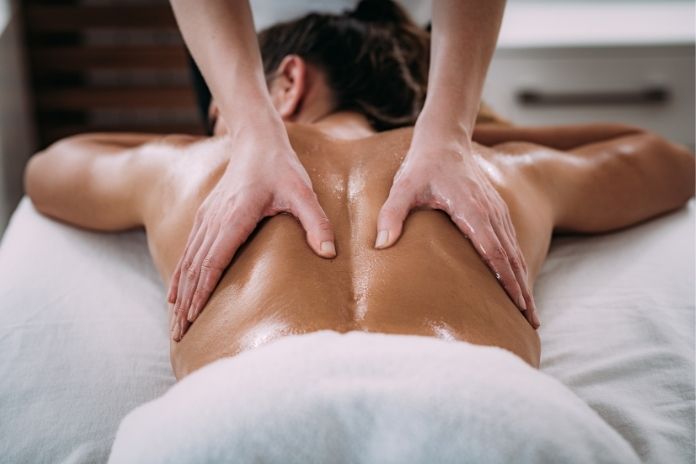
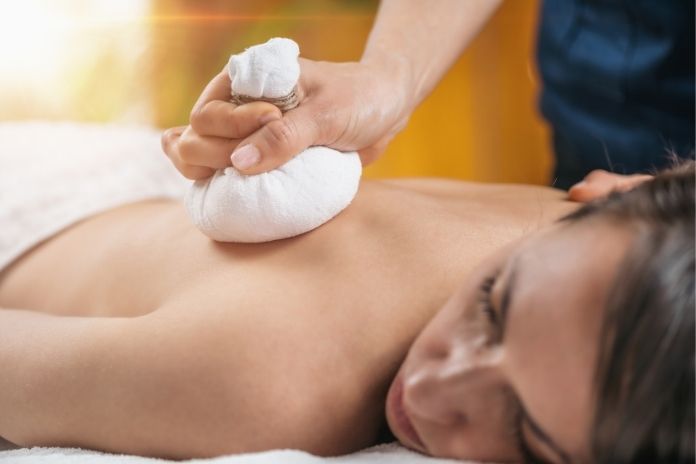
Massage therapy is a proven technique for improving both physical and emotional well-being, particularly when it comes to muscle recovery. This hands-on therapy not only helps relax tense muscles but also boosts circulation, relieves stress, and accelerates recovery after exercise. By targeting specific areas of discomfort, massage therapy enhances flexibility and range of motion, making it an essential tool in any recovery plan.
How Massage Therapy Helps with Physical Recovery:
- Effleurage and Kneading: These techniques help relax the muscles and reduce tension throughout the body.
- Trigger Point Therapy: Focuses on relieving pain and tightness in specific muscle areas, improving overall flexibility, and reducing discomfort.
- Increased Blood Flow: Enhanced circulation helps to speed up muscle healing by delivering nutrients and oxygen while flushing out metabolic waste.
- Stress Reduction: Massage triggers the release of endorphins, promoting relaxation and helping alleviate the mental fatigue associated with intense physical exertion.
A systematic review and meta‑analysis reports moderate evidence supporting massage to reduce delayed onset muscle soreness (DOMS) and improve muscle performance (e.g., peak torque) within 48–72 hours post-exercise, as indicated by decreased serum creatine kinase levels (SMD −0.64).
Cryotherapy and Cold Therapy: Chilling Out for Faster Recovery

Cold therapy has become increasingly popular as an effective method for speeding up recovery after exercise. With various techniques like ice baths, cold showers, and cryotherapy, this approach can help reduce muscle soreness, inflammation and accelerate the healing process. Applying cold to the body is a tried-and-true method that not only eases discomfort but also promotes overall recovery by flushing out waste products built up during physical activity.
Ice Baths and Cold Showers: Simple Yet Effective Solutions
Ice baths are beneficial for easing muscle soreness and accelerating recovery. For a quicker and more energizing cold therapy option, cold showers can also produce the desired effect of vasoconstriction and muscle relief. These are fast and easy to implement, making them a convenient alternative.
- Ice Baths: Submerging the body in cold water to constrict blood vessels, helping to reduce swelling and flush out waste products.
- Cold Showers: A quicker, more accessible method to promote muscle recovery and boost circulation by inducing vasoconstriction.
Cryo Chambers: A New Level of Cold Therapy
For those seeking a more advanced form of cold therapy, cryotherapy chambers offer an enhanced experience. These chambers expose the body to extremely low temperatures for a brief period, triggering a chain reaction in the body that releases endorphins and anti-inflammatory proteins.
- Cryotherapy Chambers: A more intense cold exposure method that provides focused and effective therapy by triggering endorphin release and reducing inflammation.
- Caution: Extended exposure to extreme cold can lead to potential risks like frostbite or hypothermia. Always consult with a professional before using cryotherapy.
Cold therapy can be an invaluable tool for speeding up recovery, reducing muscle soreness, and enhancing overall healing. However, it’s important to approach it with care and ensure that any methods used are safe and appropriate for your individual health needs.
“Our study adds to the growing evidence that Whole Body Cryotherapy can be a powerful tool for managing systemic inflammation, even in healthy individuals,” said Dr. Rachele Pojednic, Restore’s Director of Scientific Research & Education. “We found that at least six Cryotherapy sessions significantly lowered hsCRP, a key marker of inflammation, with effects lasting up to nine months. We also observed promising trends in fasting glucose regulation.
Read More: The Top 7 Cold Therapy Machines for Effective Cryotherapy Relief
Compression Therapy: Boosting Recovery with Compression Garments
Compression therapy has become a popular and effective method for boosting post-exercise recovery and preventing injuries. This technique involves applying controlled pressure to specific areas of the body through specialized clothing, sleeves, or socks. The goal is to enhance circulation, reduce swelling, and help the muscles recover faster after physical exertion. By improving blood flow and oxygen delivery to the muscles, compression garments support the healing process and reduce muscle soreness.
How Compression Therapy Works
Compression garments work by consistently applying pressure to the muscles and blood vessels. This pressure promotes better circulation, which helps to eliminate metabolic waste products from the body, such as lactic acid, and reduces muscle discomfort. In addition to aiding recovery, the compression also stabilizes muscles and joints, improving proprioception (awareness of body position) and supporting overall athletic performance.
- Improved Circulation: Compression enhances blood flow, helping to deliver oxygen and remove waste products from muscles.
- Muscle Recovery: By promoting circulation and reducing muscle discomfort, compression aids in faster recovery.
- Proprioception Support: Compression garments help stabilize muscles and joints, contributing to improved performance and body awareness.
Nutritional Strategies for Optimal Recovery

Recovering from intense physical activity goes beyond just exercise; a well-rounded nutritional approach plays a pivotal role in helping the body replenish and repair. Post-workout meals, hydration, and proper nutrition are essential for recovery as they provide the body with the building blocks needed for healing.
After a workout, your muscles need proper fuel to recover, and meals that balance proteins and carbohydrates are key to this process. The protein helps rebuild and repair muscle tissue, while carbohydrates restore glycogen stores, which were depleted during exercise.
- Post-Workout Meals: A balance of protein and carbs is crucial for muscle repair and replenishing energy.
- Protein’s Role: Protein provides the amino acids needed for muscle protein synthesis, promoting recovery.
- Carbohydrates Role: Carbs help restore glycogen, the body’s main energy source during exercise.
Hydration and Supplementation for Enhanced Recovery

Proper hydration is a fundamental aspect of recovery. Water is essential for nutrient transport, temperature regulation, and waste removal after intense physical activity. Drinking enough water throughout the day is critical for maintaining optimal physiological processes, especially post-workout.
Alongside hydration, incorporating the right supplements can further support the body’s healing process. Vitamins, minerals, omega-3 fatty acids, and specific recovery-focused supplements like creatine and branched-chain amino acids (BCAAs) can significantly enhance overall health and muscle regeneration.
- Hydration: Water helps with nutrient transport, temperature control, and waste elimination during recovery.
- Supplements: Vitamins, minerals, omega-3s, creatine, and BCAAs support muscle regeneration and overall health.
Optimal Meal Timing for Maximum Recovery

When it comes to recovery, meal timing and composition matter just as much as what you eat. After exercise, your body is primed to absorb nutrients, making this a critical window for recovery.
Consuming a well-balanced meal or snack with protein and carbohydrates within 30 to 60 minutes after exercise can accelerate muscle repair and replenish energy stores. This timely intake ensures your muscles get the necessary nutrients to recover effectively, enhancing the benefits of your workout.
- Meal Timing: Eating within 30 to 60 minutes post-workout maximizes nutrient absorption.
- Carbs and Protein Combination: Combining protein and carbs right after exercise supports muscle recovery and energy replenishment.
By paying attention to nutrition, hydration, and meal timing, you can significantly improve the recovery process, ensuring that your body is well-prepared for future workouts and physical challenges. A holistic approach to recovery not only speeds up muscle repair but also enhances your overall performance.
Conclusion
Prioritizing recovery is essential if you want to achieve long-term success in your fitness journey. While training hard is important, giving your body the time it needs to rest, rebuild, and recover is just as crucial. The strategies we’ve talked about, whether it’s passive recovery techniques like sleep and relaxation, or active recovery methods like light exercises, are all key pieces of the puzzle.
By integrating these into your routine, you’re not only minimizing muscle soreness and reducing the risk of injury but also setting yourself up for better overall performance. Recovery is where the magic happens, allowing you to push harder in future workouts and avoid burnout.
Recovery isn’t just about taking a day off; it’s about using a combination of strategies to help your body bounce back stronger. Active recovery like yoga, walking, or light swimming helps get the blood flowing, easing muscle tension and speeding up the healing process.
On the other hand, techniques like massage therapy, cold therapy, and even compression therapy can target specific areas, reducing inflammation and promoting circulation. These therapies aren’t just a luxury; they’re powerful tools that enhance your body’s natural ability to repair itself.
Lastly, remember that your nutrition plays a huge role in your recovery. Eating the right balance of protein and carbs post-workout, staying hydrated, and considering supplements like BCAAs can support muscle repair and keep your energy levels up.
When you combine the right nutrition with adequate rest and targeted recovery techniques, you’re setting yourself up for long-term success. So, make recovery a priority; it’s the secret to unlocking your best performance and staying on track with your fitness goals.
References
- https://www.ncbi.nlm.nih.gov/pmc/articles/PMC3905295/
- https://ritual.com/articles/what-is-muscle-protein-synthesis
- https://www.mdpi.com/2072-6643/10/2/253
- https://www.physio-pedia.com/Muscle_Protein_Synthesis
- https://cdnsciencepub.com/doi/abs/10.1139/h2001-058
- https://www.healthline.com/health/exercise-fitness/rest-day
- https://www.health.harvard.edu/staying-healthy/exercising-to-relax
- https://my.clevelandclinic.org/health/articles/7050-aerobic-exercise
- https://www.uchealth.org/today/rest-and-recovery-for-athletes-physiological-psychological-well-being/
- https://www.nia.nih.gov/health/exercise-and-physical-activity/four-types-exercise-can-improve-your-health-and-physical
- https://www.mayoclinic.org/healthy-lifestyle/stress-management/in-depth/relaxation-technique/art-20045368
- https://www.helpguide.org/articles/stress/relaxation-techniques-for-stress-relief.htm
- https://kadampa.org/books/meditation-and-mindfulness-training-and-exercises
- https://www.mayoclinic.org/healthy-lifestyle/consumer-health/in-depth/mindfulness-exercises/art-20046356
- https://pubmed.ncbi.nlm.nih.gov/15730338/
- https://medium.com/@siamspaivory23/the-role-of-massage-therapy-in-stress-relief-and-pain-management-b35bf2d651a2
- https://exercise4prevention.com/2023/08/10/massage-therapy-recovery-stress-relief-optimal-well-being/
- https://www.xanadumedspa.com/what-are-the-benefits-of-massage-therapy/
- https://www.hopkinsmedicine.org/health/treatment-tests-and-therapies/cryotherapy-cold-therapy-for-pain-management
- https://www.everydayhealth.com/wellness/cryotherapy/guide/
- https://www.harpersbazaar.com/uk/beauty/mind-body/a45968788/cold-water-therapy/
- https://www.everydayhealth.com/wellness/cold-water-therapy/guide/
- https://my.clevelandclinic.org/health/treatments/23449-compression-therapy
- https://care-med.ca/types-of-compression-sleeves-and-how-they-help/
- https://www.ncbi.nlm.nih.gov/pmc/articles/PMC6404358/
- https://www.ncbi.nlm.nih.gov/pmc/articles/PMC9736198/
- https://www.researchgate.net/publication/279670330_Nutritional_strategies_for_post-exercise_recovery_a_review
- https://www.sciencedirect.com/science/article/pii/S2667268521000127
- https://www.nationwidechildrens.org/specialties/sports-medicine/sports-medicine-articles/fueling-and-hydrating-before-during-and-after-exercise
In this Article