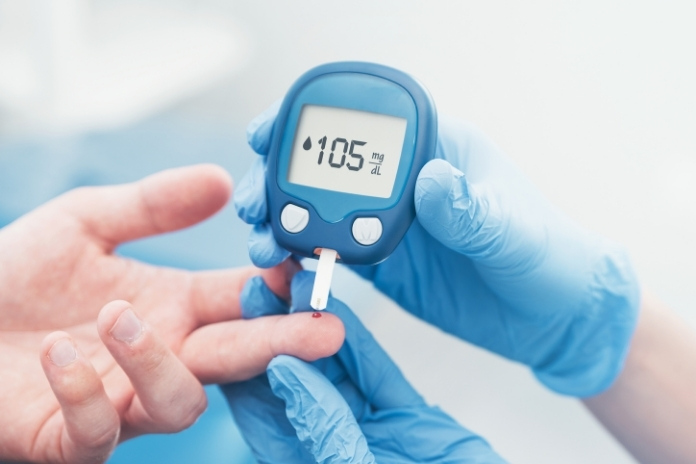














In the past, people predominantly thought heart disease affected the elderly. However, an alarming trend of heart-related issues is becoming more common in our younger people due to unhealthy lifestyle choices, elevated stress, sedentary behavior, and underlying medical illnesses like high blood pressure, diabetes, and obesity.
According to a study published in Nature Reviews, cardiovascular illness is becoming more prevalent in young individuals. Young adults between the ages of 18 and 45 have stable or rising rates of heart disease risk factors, like a poor diet, obesity, and inactivity.
A 16-year study involving individuals aged 50 and below found an increasing number of young people experiencing heart attacks. Heart attacks can occur in people in their 20s and 30s, increasing their chance of dying sooner from cardiovascular-related causes.
This article explores the causes of this expanding tendency and provides doable preventative measures. It’s never too early to start making heart health a priority, regardless of your age.
Read More: Is Jaw Pain a Sign of a Heart Attack? Left Side vs. Right Side Explained
The Data: Heart Issues Are Rising in Young Adults
Researchers examined data from 2,264 hospitalized heart attack patients aged 18 to 55 as well as 2,264 control group participants who were matched by age, sex, and race.
The researchers discovered that seven factors caused 85% of the risk of a first heart attack in both men and women: diabetes, depression, high blood pressure, current smoking, family history of an early heart attack, poor household income, and high cholesterol.
“High blood pressure, obesity, diabetes, and high cholesterol are the major risk factors for heart disease,” said Dr. James Keeton, a cardiologist at University Health. “These risk factors are ‘silent killers’ as they usually do not cause symptoms until they result in damage to organs, such as the heart or kidneys.”
The key to preventing heart disease is controlling your risk factors and being aware of your numbers, which includes monitoring your blood pressure, cholesterol, weight, and blood sugar levels.
“It is alarming that younger people don’t feel that they’re at risk for heart disease, but it’s not surprising. Most young people think heart disease only happens in old people, but that’s not the case,” said Dr. Laxmi Mehta, director of Preventative Cardiology and Women’s Cardiovascular Health at The Ohio State Wexner Medical Center, Sarah Ross Soter Endowed Chair in
Women’s Cardiovascular Health, Chief Wellbeing Liaison, and Professor of Internal Medicine at the College of Medicine.
According to a 2019 study, the number of heart attacks among those under 40 has increased over the previous ten years. According to the Center for Disease Control and Prevention, this is partially because heart disease is developing at younger ages as a result of factors like obesity and high blood pressure. According to a survey conducted by Ohio State, 46% of persons under 35 indicated they don’t think having high blood pressure poses a health danger to them.
Primary Drivers of Rising Heart Risk in Young Adults

From 1999 to 2009, heart failure-related deaths in the United States showed a steady decline. However, a study performed by Duke University School of Medicine found that when heart failure-related death rates plateaued between 2009 and 2012, advancements in heart failure treatment started to fall apart.
A mix of lifestyle-related and hereditary risk factors contributes to the rising incidence of heart disease in young adults. The following factors are becoming more common, according to data:
- High Blood Pressure: One main risk factor for heart disease is high blood pressure. It is a disease that develops when the blood pressure in your arteries and other blood vessels is very high. If you do not manage elevated blood pressure, it may damage your heart and other vital organs, such as your kidneys and brain. The term “silent killer” is frequently used to describe high blood pressure because it typically exhibits no symptoms.
- Unhealthy Blood Cholesterol Levels: The liver produces or consumes cholesterol, a waxy, fat-like material. Although your liver produces enough cholesterol to meet your body’s needs, the foods we eat frequently provide us with additional cholesterol. Excess cholesterol can accumulate in the walls of arteries, including the heart, if we consume more than our bodies can utilize.
- Poor diet: A Diet high in processed food that is high in sodium and saturated and trans fats.
- Smoking: Because smoking damages blood vessels and increases the risk of blood clots, young individuals who smoke, vape, and use tobacco products are more likely to develop heart disease.
- Substance abuse: This includes excessive use of drugs such as cocaine, marijuana, and alcohol. These drugs have the potential to harm blood vessels, which raises the risk of heart attacks considerably.
- Being overweight: Excess bodily fat is called obesity. Obesity is associated with lower levels of “good” cholesterol and greater levels of “bad” cholesterol and triglycerides. Besides affecting the heart, obesity can also lead to conditions such as diabetes and hypertension.
Read More: Signs of a Heart Attack That Could Show Up a Month Before
Early Warning Signs to Take Seriously
Silent heart disease development is possible, particularly in young adults. However, you should never disregard these symptoms because they could signal impending cardiovascular issues. Watch for these potential warning signals:
- Breathlessness: Blood backs up in the veins that carry blood from the lungs to the heart when the heart is unable to pump blood as effectively as it should. When fluid enters the lungs, it causes shortness of breath. It is a sign of congestive heart failure, another name for heart failure. Breathlessness can occur both when you’re exercising and when you’re sleeping.
- Coughing or Wheezing: If your cough or wheezing persists, it may indicate that fluid is accumulating in your lungs. Additionally, you can cough up crimson or pink mucus.
- Leg, Ankle, or Foot Swelling: Another indication of a cardiac condition is swelling (edema) in the lower legs. Blood flows more slowly and backs up in your legs’ veins when your heart isn’t functioning correctly. This leads to the buildup of fluid in the body’s tissues. Additionally, you can notice some weight gain or tummy enlargement.
- Elevated Resting Heart Rate or Persistently High Blood Pressure: Even in your 20s or in your 30s, persistently high readings can put stress on your heart over time and raise the risk of long-term harm.
- Family history of Early Heart Disease: You may be at higher risk and should get yourself screened early if any of your near relatives have had heart issues before the age of 55 (for males) or 65 (for women).
Actionable Strategies for Young Adults to Protect Their Hearts

Protecting your heart in your 20s and 30s lays the foundation for long-term cardiovascular health. Here are some easy yet powerful tactics:
- Avoid Tobacco Use: Quitting smoking or using smokeless tobacco is one of the best things you can do for your heart. Avoid being around secondhand smoke, even if you don’t smoke. Tobacco contains chemicals that can harm blood vessels and the heart. Because cigarette smoke reduces blood oxygen levels, blood pressure, and heart rate increase. The reason for this is that the heart must exert more effort to provide the body and brain with adequate oxygen.
- Get Going: Try to fit in at least 30 to 60 minutes of exercise every day. Engaging in regular, everyday physical activity can reduce the risk of heart disease. Being active aids in weight control. Additionally, it reduces the likelihood of developing additional illnesses that could strain the heart. It includes type 2 diabetes, high blood pressure, and excessive cholesterol. It can take some time to reach these objectives if you haven’t been active recently.
- Eat a Heart-Healthy Diet: A heart-healthy diet can help prevent type 2 diabetes, improve blood pressure and cholesterol, and protect the heart. Low-fat or fat-free dairy products, lean meats and fish, beans or other legumes, and fruits and vegetables are all part of a heart-healthy diet.
- Keep your Weight in Check: Excess weight, especially around the abdominal area, raises the risk of developing heart disease. Conditions that increase the risk of heart disease can result from being overweight. These conditions include type 2 diabetes, hypertension, and elevated cholesterol levels.
- Obtain Good Sleep: Individuals who don’t get enough sleep are more likely to suffer from depression, diabetes, high blood pressure, obesity, and heart attack. Most adults need at least seven hrs of good sleep each night. Typically, children need more. Thus, be sure to obtain adequate sleep. Establish a sleep schedule and follow it. Get into bed and wake up at the same time every day to achieve that. To make it simpler to fall asleep, keep your bedroom calm and dark.
- Obtain Routine Health Screenings: Excessive blood pressure and cholesterol may also harm the heart and blood arteries. However, you probably won’t know if you have these problems if you don’t get checked for them. You can find out your statistics and whether you need to take action by getting regular screening tests.
Read More: The Heart Checklist: 14 Must-Have Items for Your Cardiovascular Toolkit
How to Make It Stick: Building Heart-Healthy Habits Young
Marat Fudim, MD, an associate professor in the Duke Department of Medicine and lead author of the study published April 24 in JAMA Cardiology, points to widespread obesity and rising rates of diabetes and hypertension, putting more people at risk for heart failure. Yet, the high cost of new heart medicines and difficulty accessing health care may be hindering effective heart failure treatment.
One of the best investments you can make in your long-term health is to develop heart-healthy habits in your 20s and 30s. The secret? Be consistent and start small. You don’t need to undergo a drastic change; with time, small daily activities carried out consistently might result in significant changes.
You may stay motivated and raise awareness by using wearable technology or applications. Use wearables like the Fitbit or Amazfit to monitor your heart rate variability, daily steps, and sleep quality.
Apps like MyFitnessPal and Cronometer are intuitive and informative for tracking your food and nutrients.
Never undervalue the importance of social responsibility. Healthy habits become less of a chore and more enjoyable when you work out with a friend, enroll in a fitness class, or participate in an online or in-person support group. You may track your exercises and connect with people on platforms like Strava for friendly competition and support.
When to Get Medical Help

As effective as prevention is, it’s also essential to know when to get medical help. No matter your age, you should never disregard sure signs. Regardless of age, anyone experiencing symptoms like this should get emergency medical attention.
- Chest discomfort
- Breathing difficulties
- More heart attack warning symptoms
- Fainting or lightheadedness
If a person with heart failure risk factors experiences any unexpected symptoms, they should consult their physician. The following risk factors are similar for older persons with early-onset heart failure:
- Fatness
- Diabetes
- Elevated blood pressure
- Abuse of substances (alcohol, cocaine, and meth)
Read More: 8 Sleep Essentials for Heart Health: Products to Improve Your Sleep Quality
Final Thoughts
People in their early 20s and 30s are increasingly being affected by heart disease, which can be said is no longer just a problem for older people. The good news? The majority of young adult heart problems are largely avoidable. You can significantly reduce your risk by identifying early warning indicators and adopting more sensible lifestyle choices.
The ideal time to begin developing heart resilience is in your early adult years. Your daily routine—including your diet, level of physical activity, sleep quality, and stress management—determines your long-term heart health.
You can prevent serious issues later on by being proactive now and taking measures like obtaining regular checkups, exercising, abstaining from tobacco, and maintaining a healthy diet.
References
- https://www.nature.com/articles/nrcardio.2017.154
- https://www.acc.org/about-acc/press-releases/2019/03/07/08/45/heart-attacks-increasingly-common-in-young-adults
- https://www.nhlbi.nih.gov/news/2023/heart-disease-risks-among-younger-adults-rise
- https://wexnermedical.osu.edu/mediaroom/pressreleaselisting/heart-survey-2023
- https://www.health.harvard.edu/heart-health/whats-driving-heart-attacks-in-younger-adults
- https://news.feinberg.northwestern.edu/2025/04/25/many-young-adults-have-high-long-term-risk-for-cardiovascular-disease-study-finds/
- https://medschool.duke.edu/news/study-shows-alarming-rise-heart-failure-deaths-especially-among-younger-adults
- https://www.universityhealth.com/providers/k/james-keeton-1780046433
- https://wexnermedical.osu.edu/mediaroom/expertslisting/laxmi-mehta
- https://www.cdc.gov/heart-disease/risk-factors/index.html
- https://www.heart.org/en/news/2025/03/26/addressing-risk-factors-during-teen-years-can-prevent-heart-related-issues-in-adulthood
- https://cminj.com/whats-behind-the-rise-in-heart-attacks-among-young-people/
- https://www.mountsinai.org/health-library/selfcare-instructions/warning-signs-and-symptoms-of-heart-disease
- https://magazine.clevelandclinic.org/2024-spring/7-ways-to-keep-your-heart-young
- https://www.mayoclinic.org/diseases-conditions/heart-disease/in-depth/heart-disease-prevention/art-20046502
- https://medicaljournalshouse.com/index.php/IntJ-PreventiveCardiology/article/view/1141
- https://jamanetwork.com/journals/jamacardiology/fullarticle/2817830?resultClick=1
- https://www.dukehealth.org/find-doctors-physicians/marat-fudim-md-mhs
- https://www.medicalnewstoday.com/articles/heart-failure-in-20s#seeking-medical-help
In this Article