







Brown rice has long been touted as the “healthier” alternative to white rice, but if you’re after fat loss and metabolic harmony, red rice is the grain your diet’s lacking.
With its nutty taste, dark reddish color, and dense nutrient profile, red rice is becoming increasingly popular. People have switched to this rice variant as a trusted source of carbs that not only keeps you full but also nourishes your body. Nutritionists suggest red rice to people trying to lose weight, control blood sugar, stabilize hormones, and enhance digestion.
Its natural mix of fiber, antioxidants, and low-GI carbohydrates makes it a metabolic wonder promoting ongoing energy and burning fat—without spiking insulin or feeling famished.
Here are some reasons this whole grain is worthy of making it onto your plate permanently.
Read More: The Benefits of Eating Fermented Rice (A Forgotten Superfood)
What is Red Rice?

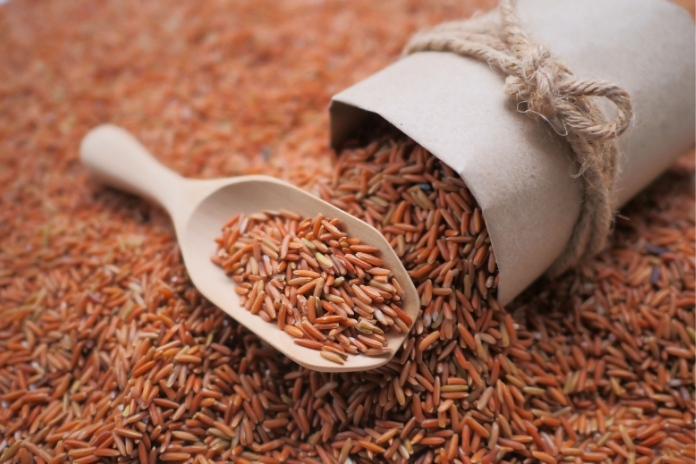
Red rice is a whole-grain rice that is known for its reddish-brown outer bran layer, due to anthocyanins. These are the same antioxidant pigments present in berries, red cabbage, and grapes. Red rice is not refined or polished like white rice, so it still has its germ and bran intact, retaining its natural nutrients.
Several types of red rice are produced around the world. Bhutanese red rice is semi-sticky and partially milled, Thai red cargo rice is nutty and long-grained, and Himalayan red rice is renowned for its earthy scent. Whatever the type, all varieties of red rice are nutritionally denser than white rice and provide a bit more fiber than brown rice.
In comparison to white rice, which is stripped of most of its nutrients, red rice provides:
- Slow-digesting complex carbohydrates
- Plant proteins
- A wide variety of B vitamins and essential minerals, such as magnesium, manganese, and iron
- A distinct antioxidant profile with anti-inflammatory properties
Based on a 2022 PMC research, the anthocyanin composition of red rice helps reduce oxidative stress, enhance insulin sensitivity, and improve lipid metabolism. These factors are responsible for sustainable weight loss and metabolic health.
How Red Rice Helps with Fat Loss
1. High Fiber = Improved Satiety:
Red rice helps significantly in losing weight due to its high dietary fiber. Fiber retards digestion, triggering gradual glucose release into the body while keeping you full for longer. That means:
- Less snacking in between meals
- Improved appetite management
- Lower calorie intake per day without feeling hungry
This is especially important when you’re trying to lose belly fat or maintain a calorie deficit.
Cooked red rice packs 2 to 2.5 grams of fiber per 100g cooked, higher than white rice and slightly greater than brown rice. The fiber also leads to a slower digestive process, allowing your body the chance to signal fullness, thereby reducing the possibility of overeating.
Read More: Eating for Chronotype – How Your Body Clock Affects Nutrition Needs
2. Low Glycemic Index (GI):
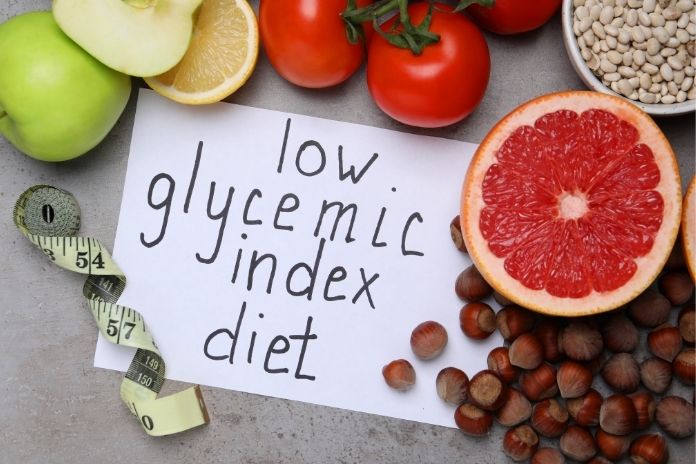
As compared to white rice, with its high glycemic index (~73), red rice has a low to moderate GI category (~55). It does not spike your blood sugar level instantly. Rather, its complex carbohydrates provide energy slowly, which:
- Keeps your insulin levels stable
- Supports a fat-burning metabolic state
- Reduces sugar crash and cravings
This makes red rice a smart carb option for individuals with insulin resistance, prediabetes, PCOS, or type 2 diabetes. Controlling blood sugar in these conditions helps manage weight and reduce inflammation.
3. Rich in Antioxidants:

Red rice’s reddish color is due to its anthocyanin content, a powerful set of antioxidants that also occur in berries. These substances:
- Reduce inflammation, an underlying cause of obesity and metabolic decline
- Neutralize free radicals and oxidative stress
- Enhance lipid metabolism and hormonal balance
In women with PCOS or weight problems related to hormones, red rice can be an excellent grain to include in daily meals. The anthocyanins promote healthy estrogen metabolism, lower inflammatory markers, and encourage improved insulin sensitivity—all factors required for hormonal weight loss.
4. Promotes Gut Health:

Healthy metabolism begins in the gut, and red rice nourishes your gut in many ways. Its fiber keeps bowel movements regular and diversifies the microbiome. A healthy gut microbiome helps in energy extraction, regulates inflammation, and aids in weight management.
A properly nourished gut microbiota will enhance everything from nutrient absorption to mood and hunger, due to the gut-brain axis. If you often feel bloated, digest slowly, or crave sugar, substituting white rice with red rice will help.
Read More: Gut Health Hacks: The Best Morning Foods to Kickstart Digestion
Which Rice Is Best for You? A Nutritional Comparison of White, Red, and Brown Rice

Although all types of rice contain carbohydrates, their effect on metabolism is quite different. Here’s a quick comparison between red, brown, and white rice.
Red rice significantly surpasses brown rice and white rice.
White rice is stripped of its bran and germ, is easily digested, and causes blood sugar spikes and high-fat storage.
Brown rice is less processed than white rice and contains more fiber and micronutrients. However, red rice goes a step further with greater antioxidant content, lower glycemic effect, and a little bit more fiber.
While brown rice also has some antioxidants, red rice has anthocyanins in abundance. Anthocyanins are responsible for their distinct anti-inflammatory quality. This is especially useful for individuals looking to burn difficult belly fat or treat long-standing metabolic disorders.
In brief, red rice is not only a high-fiber whole grain, but it is also an anti-inflammatory, gut-healing, and slow-burning carb that delivers actual metabolic change.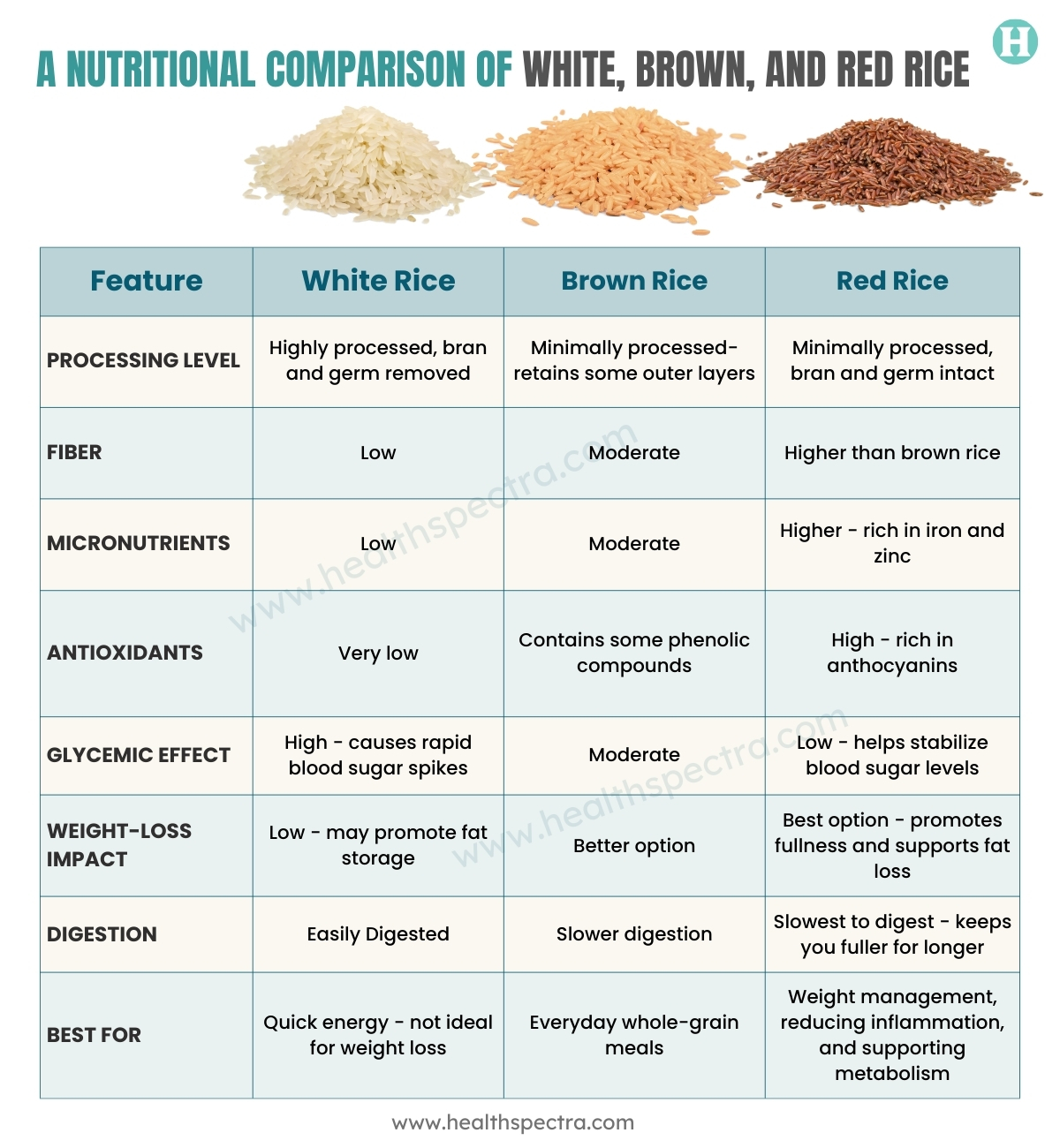 How to Eat Red Rice the Right Way to Lose Weight
Red rice can be a part of your fat-loss diet if you’re mindful of portions and food pairings. While healthy, it’s still calorie-dense, so moderation is key.
Ideal Serving Size:
Stick to ½ to 1 cup cooked red rice per meal, depending on your energy requirement.
Pair With:
- Lean protein: Boiled eggs, grilled tofu, dal, chicken breast, paneer
- Fiber-rich veggies: Spinach, kale, carrots, broccoli, bell peppers
- Healthy fats: Avocado, extra virgin olive oil, seeds, or a tiny bit of ghee
Avoid:
- Cooking with excess oil or butter
- Pairing with high-GI foods like fried potatoes, sweet sauces, or white bread
- Eating huge amounts late at night when digestion is slower
When to Eat Red Rice for Best Fat-Loss Results
Timing your carbs can improve how your body metabolizes and uses them.
Best Time: Lunch or Post-Workout Meal:
Red rice can restock glycogen after strength training or power your midday metabolism without raising blood sugar. This makes it the best meal option post your workout or for lunch.
If you wish to try red rice, try our favorite organic red rice with a slightly nutty flavor.
Avoid Late-Night Meals:
Eating large quantities of red rice at night can slow digestion and leave you feeling bloated or sluggish the next day. Instead, opt for lighter carbohydrates or focus on protein and healthy fats at dinner.
Pair with Activity:
Even a walk or mild exercise following the consumption of red rice can enhance glucose uptake, minimize fat storage, and stabilize insulin.
Red Rice Weight-Loss Recipes
Are you looking for inspiration on incorporating red rice into your weight-loss diet? Try one of these quick and easy recipes. These recipes are high in fiber and protein with low-GI combinations that support fat loss without compromising taste or satiety.
Red Rice Veggie Stir-Fry:
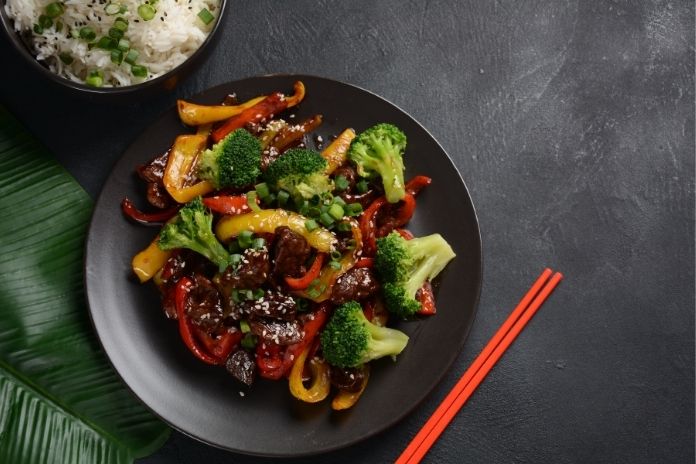
Cook red rice until soft. Next, add stir-fry chopped vegetables such as bell peppers, broccoli, and carrots in sesame oil with garlic and soy sauce. Add the cooked rice to the pan, stir-fry for a few minutes, and serve hot.
Red Rice Buddha Bowl:
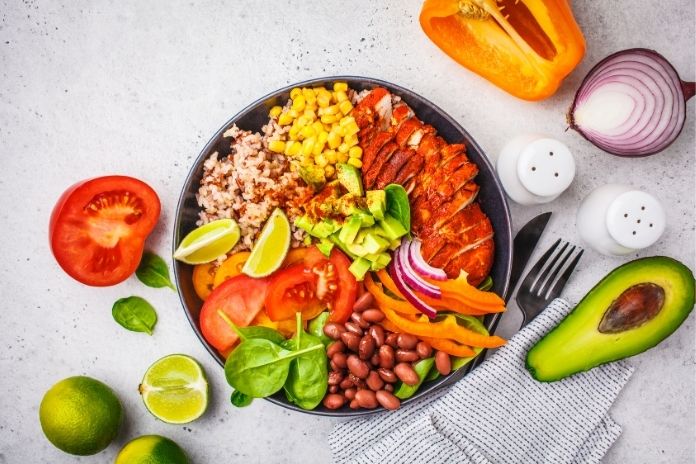
Layer a bowl with cooked red rice, roasted chickpeas, spinach, cucumber, and avocado. Finish with a drizzle of tahini dressing and sprinkle with your choice of seeds or herbs. Your red rice Buddha bowl is ready!
Red Rice Khichdi:

Soak and rinse red rice and moong dal for at least 30 minutes. Sauté cumin seeds, ginger, and cut vegetables in a pressure cooker. Now, add the soaked dal and rice along with salt and turmeric, and cook until soft and well-mixed. Enjoy delicious red rice khichdi hot!
Breakfast Red Rice Porridge:
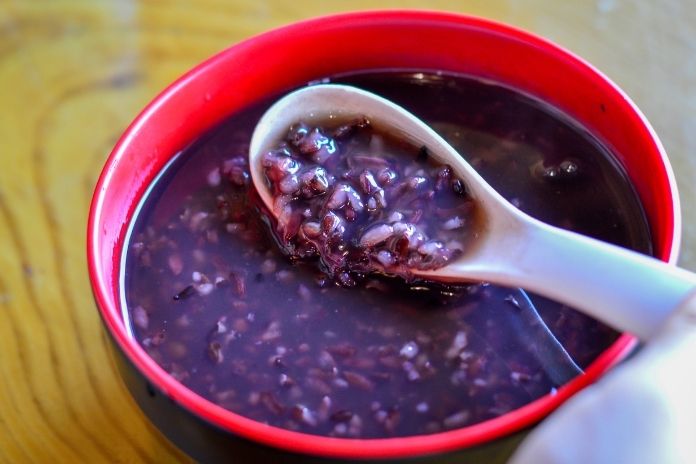
Boil red rice until the grains are tender and the mixture has a porridge consistency. Stir in coconut milk, briefly simmer, and serve warm with your preferred accompaniments.
Read More: 10 Signs Your Gut Health Needs Attention (And How to Fix It)
Final Thoughts

Red rice isn’t just visually striking—it’s one of the most underrated, fat-loss-friendly carbs you can add to your plate. Unlike highly processed grains, it delivers a powerful combination of slow-digesting carbs, gut-nourishing fiber, and inflammation-fighting antioxidants.
It suppresses hunger naturally, controls blood sugar with no spikes, lowers inflammation, promotes gut health, and supports hormonal balance, which is crucial for women with PCOS or insulin sensitivity.
Start by swapping white rice for red rice two to three times a week. Keep portions balanced, pair it with protein, veggies, and healthy fats, and you’ll notice the difference—in energy, digestion, and even your waistline.
Make the switch today, your metabolism will thank you.
References
- https://pmc.ncbi.nlm.nih.gov/articles/PMC11054851/
- https://primerarice.com/2022/10/21/red-rice-varieties-in-different-countries/
- https://www.sciencedirect.com/science/article/pii/S0023643824014038
- https://thehealinghills.com/red-vs-white-rice-nutritional-health-benefits/
- https://www.hopkinsmedicine.org/health/wellness-and-prevention/pcos-diet
- https://www.sciencedirect.com/topics/food-science/anthocyanin
- https://timesofindia.indiatimes.com/life-style/health-fitness/diet/white-vs-brown-vs-black-vs-red-rice-whats-the-difference-and-which-one-is-healthier/photostory/85107793.cms
- https://www.deliciousmagazine.co.uk/recipes/stir-fried-red-rice/
- https://2blissofbaking.com/red-rice-buddha-bowl/
- https://www.nmamilife.com/recipes/red-rice-khichdi/
- https://www.loveandotherspices.com/red-rice-porridge/
In this Article