











Staying properly hydrated isn’t just about quenching your thirst — it’s one of the most important things you can do for your health.
Water plays a crucial role in countless bodily functions, making it much more than just a basic beverage. It’s the foundation of a healthy lifestyle, helping everything from digestion to energy levels run smoothly.
This article examines the profound impact of hydration on the body and delves into the intricate relationship between water intake, nutrition, and overall health. It’s not just about drinking enough water or eating well — it’s about how the two work together.
The relationship between what we eat and how hydrated we stay creates a dynamic that goes far deeper than most people realize. As we explore this connection, it becomes clear that proper nutrition and hydration go hand in hand, each enhancing the other to support better health and daily performance.
Importance of Hydration

It’s hard to overstate just how important water is for our bodies; it’s quite literally the essence of life.
Making up about 60% of the human body, water quietly powers countless functions that keep us alive and well. From helping nutrients move efficiently to keeping our body temperature in check, water works behind the scenes to maintain overall well-being.
Think of water as the body’s multitasker—always active, always essential. It doesn’t just quench thirst; it supports the very systems that help us thrive.
Water’s Superpowers Within the Body
- Water acts as a universal solvent, delivering essential nutrients, minerals, and oxygen directly to our cells.
- It plays a major role in breaking down food, helping the body absorb nutrients, and ensuring everything flows smoothly through our system.
- Water cushions our joints and shields vital organs from shock and friction, keeping us mobile and safe.
- Through sweating and breathing, water helps maintain a stable internal temperature and prevents overheating.
What Happens When You Don’t Drink Enough
While we may not notice it right away, even mild dehydration can start to affect us. Here’s what a lack of water can lead to:
- Feeling drained or tired for no clear reason? Dehydration could be the culprit.
- Dehydration can reduce focus and cognitive function.
- Without enough water, skin loses its glow and elasticity.
- Long-term dehydration is linked to issues like kidney stones, urinary tract infections, and even Long-term dehydration is linked to issues like kidney stones, urinary tract infections, and cardiovascular problems.
Water’s Influence on Diet

When it comes to eating healthily, most people focus on food choices, but hydration is often overlooked.
The truth is, water isn’t just a drink on the side — it’s a major player in how our body interprets hunger, digests food, and manages cravings. Understanding this relationship can help us make better, more mindful nutrition choices.
How Hydration Affects Food Intake
Before diving into diet plans or calorie counts, it’s worth asking — are you drinking enough water? Here’s how water influences your food intake:
- Enhances satiety: Drinking water before meals helps you feel full, reducing the chances of overeating.
- Supports portion control: That pre-meal glass of water can be a simple but effective tool for those looking to manage their weight.
- Boosts digestion: Hydration is key to breaking down food and absorbing nutrients efficiently.
Tip: Try drinking a glass of water 20 minutes before each meal — it can help with mindful eating and portion management.
Thirst or Hunger? Your Body Might Be Confused
One of the most common reasons for overeating isn’t hunger — it’s dehydration. Many people mistake thirst for hunger and end up reaching for snacks when their body just needs water.
Staying hydrated helps you:
- Recognize true hunger cues.
- Avoid unnecessary calorie intake.
- Maintain better control over snacking habits.
Cravings, Mood & Dehydration: What’s the Link?
Dehydration doesn’t just affect your physical performance — it also influences your brain.
- Increased cravings: Studies show dehydration can alter the brain’s reward system, triggering stronger cravings for salty and sugary foods.
- Emotional eating: Low hydration levels may affect mood and energy, making you more prone to reaching for comfort food.
Bottom line: Staying hydrated might help reduce those mid-afternoon junk food temptations.
Impact of Hydration on Digestion
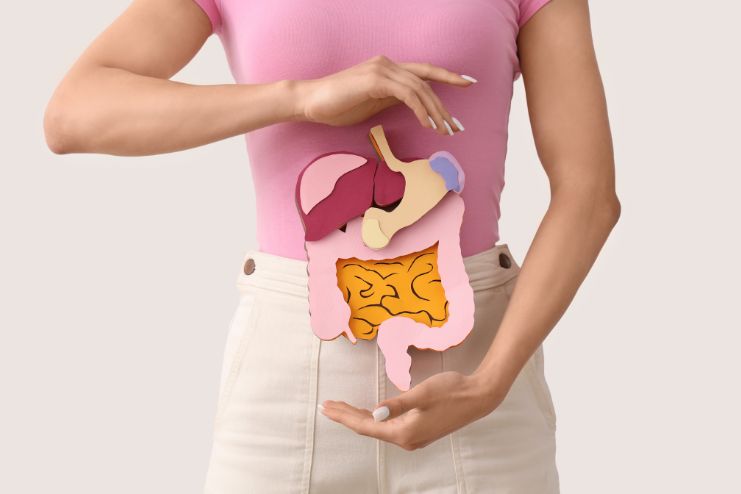
Digestion is a complex process, and while we often focus on food, water plays a starring role behind the scenes. From breaking down what we eat to absorbing the nutrients our bodies need, hydration is essential for smooth digestive functioning.
Let’s take a closer look at how water supports every stage of digestion and what happens when we don’t get enough of it.
How Water Supports Digestion
Water isn’t just something you drink with your meal — it’s actively involved in breaking it down.
- Starts right in the mouth: Hydration helps produce saliva, which is the first step in digesting food, especially carbohydrates.
- A key component of gastric juices: In the stomach, water is a component of digestive fluids that break down food and activate important enzymes.
- Supports nutrient absorption: In the small intestine, water helps dissolve vitamins and minerals and carries them into the bloodstream.
- Aids in bowel movement: In the colon, water helps soften stool and promotes regular bowel movements.
Quick tip: Sipping water throughout the day (not just during meals) can support consistent digestive flow.
What Happens When You’re Dehydrated?
Not drinking enough water can slow down or even disrupt digestion in more ways than you might think.
- Reduced saliva production makes it harder to start breaking down food in the mouth.
- Poor nutrient absorption may occur because water helps transport nutrients from the gut to the bloodstream.
- Constipation risk increases when the colon pulls extra water from waste to compensate for overall fluid shortage.
- Worsened gut conditions: Dehydration may aggravate digestive issues like acid reflux or gastritis by weakening the protective lining of the stomach.
Why Hydration Should Be a Digestive Priority
Drinking water isn’t just about quenching thirst — it’s about keeping your entire digestive system running efficiently. From enzyme activity to gut lining health, every part of digestion benefits when you’re well-hydrated. Prioritizing hydration helps you:
- Digest food more efficiently.
- Absorb nutrients better.
- Prevent constipation and digestive discomfort.
- Reduce the risk of long-term gastrointestinal issues.
Water quietly does the heavy lifting in your digestive system. By simply making hydration a daily habit, you’re setting your body up for better gut health, improved nutrient utilization, and more comfortable digestion overall.
Because sometimes, it’s not about eating more — it’s about drinking better.
Hydration and Physical Performance

Whether you’re hitting the gym, running a marathon, or just going for a walk, there’s one thing your body constantly counts on — water. The connection between hydration and physical performance is strong, and understanding this link can help you go the extra mile (literally) while protecting your overall well-being.
Why Hydration Matters During Exercise
Water isn’t just for quenching thirst — it plays a central role in keeping your body running efficiently, especially when you’re active.
- Regulates body temperature through sweating — the body’s natural cooling mechanism.
- Supports muscle function and coordination, helping prevent cramps and fatigue.
- Keeps energy levels steady, reducing early exhaustion.
- Maintains cardiovascular efficiency, which affects your heart rate and stamina.
Even mild dehydration can throw you off, causing fatigue, poor coordination, and reduced endurance.
Hydration: Before, During, & After Your Workout
Staying hydrated isn’t just about sipping water mid-workout. It’s a full-circle practice that begins before and continues after your exercise session.
Before exercise
- Aim to drink water 1–2 hours before physical activity.
- This helps prepare your body, prevents early dehydration, and gives your system a hydration boost.
During exercise
- Drink water at regular intervals, especially for workouts longer than 30 minutes.
- For intense or sweaty sessions, consider electrolyte drinks to replace lost salts.
- Helps in temperature regulation and supports ongoing performance.
After exercise
- Replenish the fluids you’ve lost through sweat.
- Hydration aids in muscle recovery, waste removal, and nutrient delivery to tired tissues.
- Speeds up glycogen replenishment — key for restoring energy levels post-workout.
Risks of Ignoring Hydration
If you’re not paying attention to your water intake while being physically active, here’s what could go wrong:
- Early fatigue and a drop in stamina.
- Increased heart rate and poor thermoregulation.
- Muscle cramps and dizziness.
- Delayed recovery and soreness.
Hydration is not optional — it’s a non-negotiable part of your fitness routine. Whether you’re warming up, deep into a session, or winding down, keeping your fluid intake in check helps your body perform at its best.
So, next time you prep your workout gear, don’t forget to pack your water bottle — it’s just as important as your shoes or playlist.
Hydration and Mental Well-Being

Staying hydrated isn’t just about keeping your body healthy — it’s also key to keeping your mind sharp and your mood stable. Water plays a deeper role in mental well-being than we often realize, affecting everything from focus and memory to emotional balance.
How Water Powers the Brain
Your brain is nearly 75% water, and it relies heavily on hydration to perform essential mental functions. When your fluid intake dips, so does your brainpower.
Here’s how hydration supports cognitive function:
- Neurotransmitter production – for smooth communication between brain cells.
- Nutrient transport – ensuring the brain gets the fuel it needs.
- Toxin and waste removal – keeping the brain clean and functioning well.
Even mild dehydration can affect:
- Focus and attention span
- Memory recall
- Decision-making and mental agility
Dehydration & Mood: A Subtle but Strong Connection
Feeling unusually irritable or mentally sluggish? Your water intake could be to blame.
- Mood swings & anxiety – Even 1–2% fluid loss can heighten emotional sensitivity.
- Fatigue & low energy – Dehydration often shows up as mental and physical tiredness.
- Trouble concentrating – Hard to stay “in the zone” when your brain’s running low on hydration.
Dehydration & Stress: A Vicious Cycle
When you’re dehydrated, your body’s stress response gets triggered.
- Increases cortisol levels (the stress hormone).
- Makes it harder to regulate emotions.
- Can contribute to long-term mental strain if left unchecked.
Chronic dehydration may not just affect today’s mood — it could also contribute to long-term mental health concerns.
Keeping your brain hydrated is just as important as eating right or getting enough sleep. So the next time you feel foggy, anxious, or off-balance — reach for a glass of water. It’s a small step with big benefits.
Your mental clarity, emotional stability, and overall cognitive health are worth the refill.
Strategies for Maintaining Hydration
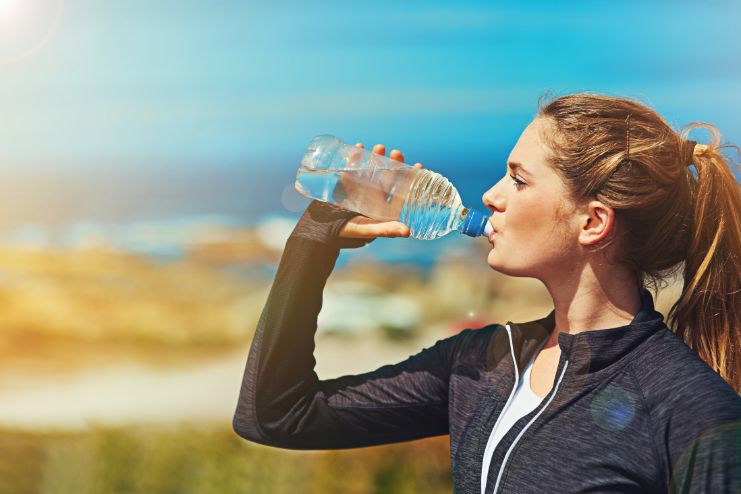
Staying well-hydrated is one of the easiest and most powerful ways to support your overall health, but let’s be honest, it’s easy to forget. Thankfully, a few small and consistent changes can make a big difference in helping you meet your daily hydration goals.
Practical Tips to Make Hydration a Daily Habit
While we all know water is essential, actually remembering to drink enough of it daily can be surprisingly tricky. That’s why building hydration into your lifestyle with simple, practical steps can make all the difference. Here are a few easy, everyday habits to help you stay consistently hydrated without overthinking it.
- Make a Schedule: Creating a hydration routine can keep you on track.
- Set reminders on your phone or smartwatch to drink water at regular intervals.
- Build hydration into your day — a glass when you wake up, before meals, and before bed.
- Consistency is key. Turning it into a habit means less thinking and more sipping.
- Carry a Reusable Water Bottle: This one’s a game changer.
- Take your bottle everywhere — to work, the gym, errands, and even your bedside.
- Opt for bottles with volume markers to help you track your intake throughout the day.
- Bonus: It’s eco-friendly and helps reduce single-use plastic waste.
- Add Natural Flavor: If plain water isn’t your thing, give it a tasty twist.
- Infuse your water with fresh fruit slices like lemon, orange, or berries.
- Add herbs like mint or basil for a refreshing touch.
- Try cucumber or ginger for a subtle, spa-like flavor.
- Eat Water-Rich Foods: Hydration doesn’t only come from drinks!
- Include foods like watermelon, cucumbers, oranges, and celery in your meals.
- These foods also provide essential vitamins and minerals.
- Think of it as snacking your way to better hydration.
- Set Personal Hydration Goals: Everyone’s needs are different — find what works for you.
- Base your water intake goal on your activity level, climate, and body weight.
- Use apps or journals to track your daily progress.
- Having a clear goal helps keep you motivated and mindful.
- Use the Urine Test: Yes, it’s simple — but surprisingly effective.
- Dark yellow? Time to drink up.
- Amber or darker? You may be dehydrated.
- Light yellow to almost clear? You’re in the hydration sweet spot.
- Hydrate Around Workouts: Physical activity increases your fluid loss — don’t skip the sip.
- Drink water before, during, and after your workout.
- Rehydrating post-exercise helps with muscle recovery and keeps your energy levels up.
- Consider electrolyte-rich drinks for intense or prolonged workouts.
Incorporating these easy hydration strategies into your lifestyle can have lasting benefits for your energy, focus, digestion, and overall well-being. Start small, stay consistent, and let your body thank you — one sip at a time.
READ MORE: Hydration Infusions: Creative Ways to Enhance Your Water Intake
READ MORE: Refresh and Replenish: Foods That Help You Stay Hydrated All Day
Recognizing Dehydration Signs

When it comes to maintaining good health, recognizing the signs your body gives you is key—especially when it comes to dehydration. Losing more fluids than you take in can quickly lead to discomfort and even health issues. That’s why spotting the early symptoms is essential for taking timely action.
Common Symptoms of Dehydration
Your body tends to send out subtle distress signals when it’s running low on fluids. Here are a few of the most noticeable early symptoms to keep an eye on:
- Increased thirst – One of the first and most obvious signs.
- Dark yellow urine – A simple but effective hydration indicator.
- Dry or sticky mouth – A sign your body is craving moisture.
- Fatigue and low energy – Dehydration can slow you down physically and mentally.
- Dizziness or light-headedness – Especially after standing up quickly.
- Headaches – Often caused by lack of fluid in the brain tissues.
Severe Dehydration: When to Be Extra Cautious
If early signs are ignored, dehydration can escalate and bring about more serious symptoms. These include:
- Rapid heartbeat – Your heart is working harder due to reduced blood volume.
- Sunken eyes – A visible cue of fluid deficiency.
- Confusion or irritability – A sign that dehydration is affecting your brain function.
What to Do When You Notice These Signs
Acting on dehydration symptoms quickly can make a big difference. Here are proven ways to bounce back:
- Drink water – Sounds simple, but it’s your best first step.
- Consume water-rich foods – Fruits like watermelon, oranges, and cucumbers can help.
- Add electrolytes – Especially after intense physical activity or illness.
- Monitor symptoms – If they persist or worsen, it may be time to seek medical attention.
Listening to your body’s hydration cues is a small act with big benefits. Recognizing and acting on the signs of dehydration isn’t just about feeling better—it’s about supporting your long-term well-being. The more in tune you are with these signals, the more empowered you’ll be to take control of your health.
READ MORE: Are You Chronically Dehydrated? Hidden Signs You Need More Water
READ MORE: 17 Remedies For Dehydration For Immediate Relief
Balancing Fluid Intake
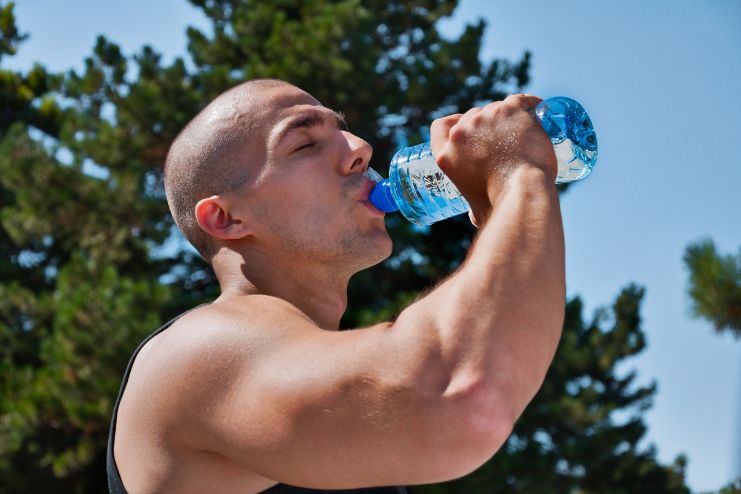
When we talk about staying hydrated, water is undoubtedly the hero—but it’s not the only player in the game. Achieving a well-hydrated body means striking a thoughtful balance between plain water and other fluid-rich sources like food and beverages. Let’s break down how to create this balance in a practical, enjoyable way.
Why Water Should Be Your Go-To
Water is essential for countless bodily functions, and it should always be your primary hydration source. Here’s why it deserves the spotlight:
- Zero calories and easy access – Making it the healthiest and most convenient choice.
- Perfect for regular consumption – Whether it’s plain, warm, or chilled.
- Supports every system in the body – From digestion to detoxification.
But, hydration doesn’t have to stop at water.
Add Variety with Nutrient-Rich Fluids
Incorporating different beverages can make hydration more enjoyable and even add nutritional value. Here are a few great additions to your hydration lineup:
- Infused water – A tasty twist with fruits, herbs, or cucumbers.
- Herbal teas – Caffeine-free, calming, and hydrating.
- Milk – A source of hydration plus calcium and protein.
- Fresh coconut water – Naturally rich in electrolytes.
These beverages can complement your water intake and add a bit of fun to your fluid routine.
Eat Your Water: Hydrating Foods to Include
Believe it or not, many foods contribute significantly to your daily fluid needs. Including high-water-content foods is a tasty and effective strategy:
- Fruits like watermelon, oranges, and strawberries – All refreshing and hydrating.
- Vegetables like cucumber, celery, and lettuce – Crunchy and full of water.
- Soups and broths – Comforting options that hydrate, especially in cooler weather.
These foods not only hydrate but also offer essential nutrients and fiber.
Watch the Moderation Zone
Not all fluids are created equal. While some drinks can help with hydration, others might do more harm than good when consumed excessively:
- Sugary beverages – Can lead to weight gain and blood sugar spikes.
- Caffeinated drinks like coffee and energy drinks – May have diuretic effects if over-consumed.
- Alcohol – Actually dehydrates more than it hydrates.
A little bit of these now and then is okay—but they shouldn’t replace your core fluid sources.
Hydration isn’t just about guzzling water—it’s about creating a smart mix of fluid-rich drinks and foods that suit your lifestyle. A diverse, moderate, and mindful approach can help you stay hydrated, enjoy your diet, and support overall wellness effortlessly.
Conclusion
At the end of the day, hydration isn’t just about drinking water when you’re thirsty—it’s about being intentional with how you fuel your body. Whether it’s improving your workout performance, boosting your mental clarity, or just feeling more energized throughout the day, staying hydrated plays a crucial role in how we function, think, and feel. It’s a small habit that has a surprisingly big impact.
What’s great is that you don’t have to follow a rigid routine to stay on track. From sipping on herbal teas and flavored waters to munching on hydrating foods like watermelon or cucumbers, there are plenty of enjoyable ways to keep your hydration game strong. Even simple tricks like tracking your water intake or setting gentle reminders on your phone can go a long way in helping you make hydration a natural part of your day.
So, whether you’re gearing up for a tough workout, tackling a busy day at work, or just trying to feel your best—remember that your water bottle is your best buddy. Tune into the signs your body gives you, mix things up with different fluid sources, and most importantly, make hydration something you enjoy. Your body (and mind) will thank you for it!
References
- https://www.mayoclinichealthsystem.org/hometown-health/speaking-of-health/water-essential-to-your-body
- https://www.healthline.com/health/food-nutrition/why-is-water-important
- https://www.everydayhealth.com/water-health/water-body-health.aspx
- https://www.hsph.harvard.edu/news/hsph-in-the-news/the-importance-of-hydration/
- https://www.ncbi.nlm.nih.gov/pmc/articles/PMC2908954/
- https://www.mayoclinic.org/healthy-lifestyle/nutrition-and-healthy-eating/expert-answers/digestion/faq-20058348
- https://www.everydayhealth.com/water-health/water-body-health.aspx
- https://iamherbalifenutrition.com/nutrition-facts/water-supports-digestion/
- https://www.nsca.com/education/articles/kinetic-select/hydration-and-performance/
- https://www.betterhealth.vic.gov.au/health/healthyliving/Exercise-the-low-down-on-water-and-drinks
- https://www.news-medical.net/health/Levels-of-Hydration-and-Cognitive-Function.aspx
- https://fayazneurosurgery.com/how-dehydration-affects-your-brain/
- https://www.everydayhealth.com/dehydration/smart-tips-for-staying-hydrated-throughout-the-day/
- https://www.scripps.org/news_items/6630-6-simple-ways-to-stay-hydrated
- https://www.nhsinform.scot/illnesses-and-conditions/nutritional/dehydration/
- https://www.nhs.uk/conditions/dehydration/
- https://www.mayoclinic.org/healthy-lifestyle/nutrition-and-healthy-eating/in-depth/water/art-20044256
- https://www.betterhealth.vic.gov.au/health/healthyliving/water-a-vital-nutrient
In this Article