








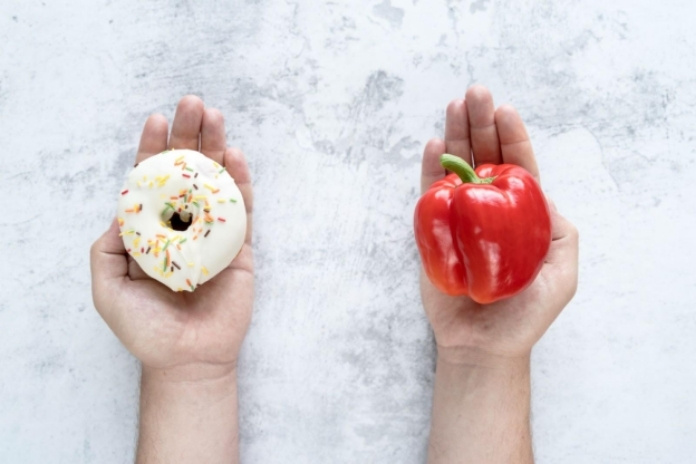
Cutting Carbs Without Cutting Taste
Trying to eat fewer carbs but missing your favourite pasta, rice, and bread? Honestly, that’s the moment most people quit. Because the mind says “health”, but the tongue says “give me that comforting bowl of something carbs.”
Good news: low-carb eating today is not the same as it used to be. You don’t have to survive on boiled everything. With the right swaps, you can keep meals exciting, colourful, full of texture – and yes, absolutely flavour-packed.
Low-carb doesn’t mean “no fun”. It basically means switching to ingredients that keep blood sugar steady, reduce the post-meal crash, support weight goals, and still satisfy cravings without guilt. These swaps fit naturally in keto, paleo, diabetic-friendly, gluten-free, or just “I want to eat cleaner” style of eating.
This article walks you through smart, tasty swaps for every meal, along with small tricks to make them feel satisfying – not like sad replacements.
Key Takeaways – What You’ll Learn
Before we go deep, here’s a quick view of what this article delivers:
- Best low-carb swaps for your daily favourites: pasta, rice, bread, snacks, and desserts.
- How to keep flavour with texture intact so it actually feels like real food, not diet food.
- Small cooking techniques that boost taste without boosting carbs.
- Quick recipe ideas to try without needing chef skills.
Why Go Low-Carb (Without Going Bland)
Low-carb is not about rejecting carbs. It’s about moving away from the overload we’ve all been taking through white bread, sugar, refined snacks, and heavy meals that keep us sleepy.
And, the part most of us don’t realise is this: our pull toward carbs isn’t just emotional – there’s a real chemical pull, too. “Carbs trigger dopamine in the brain, and sugar can feel almost drug-like for some people,” says Dr. Marc Bessler, professor of surgery. “This is why these foods are considered comfort food.” And, that’s the reason – why your brain lights up at the sight of warm bread or a bowl of pasta – it’s biology, not lack of willpower.
Benefits people actually notice:
- More stable energy
- Better focus (no afternoon crash)
- Improved blood sugar control
- Easier weight management
- Reduced bloating
The trick is simple: not cutting everything out – just replacing the high-carb items with smarter options that still feel wholesome.
When flavour stays alive, consistency becomes easier. And consistency is where meaningful change happens.
Read More: 18 Food Swaps For Weight Loss – Switch To A Sustainable Life
Low-Carb Swaps by Category
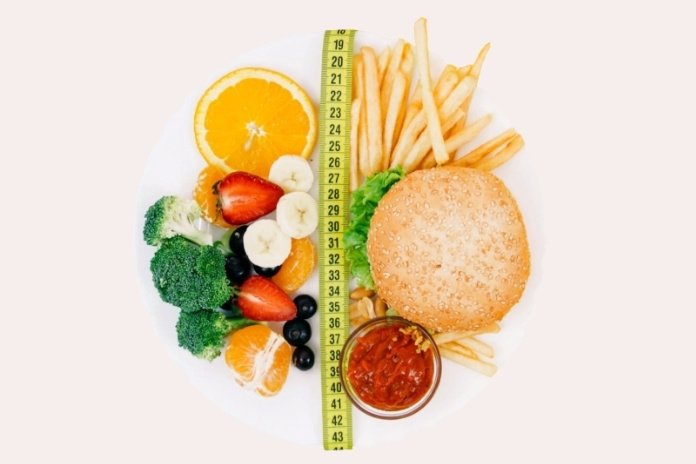
Before we get into the actual swaps, it helps to know why they work. A general physician, Dr. David Unwin, puts it simply – fat gives you steadier energy than carbs, and most of us already have plenty of stored fat the body can tap into. When you choose smarter low-carb swaps, you’re basically encouraging your body to use that slow, steady fuel instead of reaching for quick sugars all the time. It’s a small shift with a real difference.
1. Grains and Pasta
Let’s start with the hardest part: the carbs we emotionally rely on. These swaps genuinely work, not just “in theory”.
Swap: Zucchini or Shirataki Noodles → For Pasta
Zucchini noodles (zoodles) bring freshness without trying to pretend they’re real wheat pasta. They don’t need long cooking – just a quick sauté, otherwise they turn over-soft.
Shirataki noodles (from konjac root) are practically zero carbs and take on any flavour you give them.
Flavor tip:
Toss with olive oil with garlic, and parmesan – and you’re done. You won’t miss regular pasta in simple dishes.
Swap: Cauliflower Rice → For White Rice
Cauliflower rice is useful because it mimics the look and texture of rice without filling you up with carbs.
Pulse cauliflower till crumbly, sauté with onions, herbs, and some butter or olive oil.
Try quick flavor upgrades:
- Lime with coriander → “cauliflower verde”
- Soy sauce with scrambled egg → low-carb fried rice
- Turmeric with cumin → Traditional yellow rice
Swap: Riced Broccoli or Cabbage → For Fried Rice
If cauliflower feels too soft for you, broccoli or cabbage rice gives more bite or fiber. Great with eggs, tofu, chicken, or shrimp.
This swap also gives higher fiber, so satiety lasts longer.
2. Bread and Wraps
Bread is the comfort most people struggle to replace. These swaps genuinely satisfy without feeling artificial.
Swap: Lettuce, Collard, or Cabbage Wraps → For Tortillas
They’re crisp, fresh, and perfect for taco fillings or sandwich rolls.
Collard greens work amazingly for warm fillings because they hold shape better.
Zero cooking, maximum crunch.
Swap: Cloud Bread or Almond Flour Bread → For Toast or Sandwiches
Cloud bread is an airy bread made with eggs and cream cheese. Almond or coconut flour bread is denser and makes a proper sandwich.
Flavor tip:
Toast lightly. Add herbs like rosemary, garlic powder, or sesame seeds – suddenly it feels home-made.
Swap: Portobello Mushrooms or Eggplant Slices → For Burger Buns
Grilled mushroom caps or roasted eggplant slices bring juiciness and depth.
Your burger feels more “gourmet” than fast food.
Perfect with melted cheese, aioli, mustard, or caramelized onions.
3. Snacks and Chips
Cravings feel the hardest during snack time. So, instead of fighting those cravings, satisfy them smarter.
Swap: Roasted Chickpeas or Edamame → For Chips
Crunchy, protein-filled, and very adaptable.
Season with smoked paprika, garlic, pepper, or even peri-peri.
Swap: Veggie Crisps → For Potato Chips
Bake kale, zucchini, beetroot, and okra – they crisp beautifully without the greasy guilt.
Air-fry for extra crunch without excess oil.
Swap: Cheese Crisps or Pork Rinds → For Crunch Cravings
If you want something super crispy, cheese crisps (just baked cheese) or pork rinds are low-carb and high-protein.
Choose baked versions for a lighter feel.
4. Breakfast Favorites
Breakfast is where carbs quietly get in with cereals, toast, sugary snacks, etc. These swaps give better morning energy and no crash.
Swap: Greek Yogurt or Chia Pudding → For Sweetened Cereal
Unsweetened Greek yogurt topped with nuts, pumpkin seeds, and berries gives a crunch and creaminess.
Chia pudding is another option if you prefer something cold and soft.
Add cinnamon or vanilla for natural sweetness.
Swap: Almond Flour Pancakes → For Regular Pancakes
Almond flour brings nutty richness and stays tender.
Use a light drizzle of sugar-free syrup or just add fresh berries for sweetness.
Swap: Egg Muffins or Omelet Cups → For Toast Breakfasts
Bake eggs with veggies, herbs, and cheese in muffin trays – portable and very filling.
Perfect for busy mornings where toast would normally pull you in.
5. Desserts and Sweet Fixes
Sweet cravings never disappear just because you are not taking carbs. But you can handle them better with these swaps – without feeling deprived.
Swap: Dark Chocolate (more than 85%) → For Milk Chocolate
Deeper flavour, antioxidants, and much less sugar.
A couple of squares feel indulgent but don’t spike sugar.
Swap: Coconut Cream or Greek Yogurt → For Ice Cream
Blend frozen berries along with coconut cream for a rich, creamy dessert.
Or mix Greek yogurt with cocoa powder and freeze for a gelato-like vibe.
Swap: Almond Flour or Coconut Flour → For Baked Goods
Cookies, brownies, muffins – all possible.
Use erythritol or monk fruit for sweetness without the sugar load.
These flours also add healthy fats, keeping cravings under control.
Read More: Why You Crave Carbs in Winter, and Smarter Ways to Satisfy Hunger
Final Thoughts
Low-carb isn’t really about having iron willpower. It’s mostly about having better options around you. Once you realise you can still have creamy bowls, crunchy snacks, and proper desserts, the lifestyle stops feeling impossible.
Swap creatively, season boldly, and treat your low-carb options as real food – not “diet versions.” That mindset changes everything.
If you play around with these ideas for a week, then you’ll see how easy it gets to eat low-carb without even losing flavour, comfort, or satisfaction.
Quick Recap
- Low-carb eating becomes enjoyable when swaps feel natural – not forced.
- Zoodles, cauliflower rice, portobello buns, chia pudding, dark chocolate – these are not punishments; instead, they’re tasty in their own way.
- Focus on flavour, texture, and seasoning. That’s what makes habits stick.
- The more creative you get with herbs, spices, fats, and sauces – the more satisfying your low-carb lifestyle becomes.
FAQs
1. Are low-carb swaps really filling?
Absolutely! And honestly, more than many carb-heavy foods. Eggs, nuts, seeds, cheese, and veggies all bring protein or fat that keeps you full.
2. Will these swaps help with weight loss?
Yes! Most people see a real positive difference. Lower sugar spikes means fewer cravings – which eventually means easier to control portions. But it still depends on your overall lifestyle.
3. Is cauliflower rice better than skipping rice?
For many individuals, yes. It gives structure to a meal and makes curries/stir-fries feel complete without all the carbs.
4. Are almond and coconut flour safe to consume daily?
They’re good for most people in normal amounts. But remember that they’re very rich and more calorie-dense than wheat flour, so just use them mindfully.
5. What if I don’t like zucchini noodles?
Do not worry in this case. Just try shirataki, spaghetti squash, or even cabbage strips – as they all hold sauces well and taste closer to pasta textures.
References
- CDC. (2024, May 21). Carb Choices. Diabetes.
- Cleveland Clinic. (2022, March 9). The 7 Benefits of Dark Chocolate. Cleveland Clinic.
- Landry, M. J., Crimarco, A., & Gardner, C. D. (2021). Benefits of Low Carbohydrate Diets: a Settled Question or Still Controversial? Current Obesity Reports, 10(3), 409–422.
- Mayo Clinic Staff. (2022, November 15). Can a low-carb diet help you lose weight? Mayo Clinic.
- Wang, S., Lin, H., Syu, Y., & Sung, W. (2024). Effect of Drying Time and Frying Conditions on the Quality of Pork Rinds by Response Surface Methodology. Food Science & Nutrition.
- Yuan, L. (2021, January 21). NIH study compares low-fat, plant-based diet to low-carb, animal-based diet. National Institutes of Health (NIH).
In this Article