













Radiation therapy to the head and neck might harm digestive system cells, causing mucositis and painful mouth sores. It makes it very hard to do things we take for granted, such as talking, swallowing, and eating.
As the mucositis develops, the lining of your mouth, tongue, and lips may become red, swollen, and even tender. These symptoms typically appear 3 to 10 days after treatment begins and often worsen without proper oral care.
This is where choosing the right mouthwash becomes essential. A gentle, therapeutic mouthwash not only soothes inflammation but also keeps the mouth clean and reduces the risk of infection, which is especially important for chemotherapy patients.
In this article, you’ll learn which types of mouthwashes, alcohol-free, baking soda, salt water, and medicated, offer the most relief during chemotherapy. You’ll also discover which formulations oncologists commonly recommend and which ingredients to avoid.
Read More: Persistent Cough vs. Lung Cancer: When to Worry
What Makes a Mouthwash Suitable for Chemo Mouth Sores
Chemotherapy mouth sores require a mouthwash that is mild, calming, and devoid of any substances that can aggravate the already sensitive tissues. Harsh formulas can exacerbate discomfort and dryness since the mucosal lining becomes thin and easily irritated during treatment.
A medicated mouthwash is called “magic mouthwash.” Usually, a variety of liquid drugs, including antacids, numbing agents, and antihistamines, are combined to make it.
Your doctor will usually prescribe magic mouthwash even if some of these substances are accessible over-the-counter (OTC). To help with alleviation, medical practitioners mix drugs for additional advantages.
Your neighborhood retail pharmacy can also provide compounding services, depending on the ingredients used in your medicine. The pharmacist can compound, or mix the drugs to prepare a form of medication tailored to your needs.
Magic mouthwash doesn’t have an ingredient list or a formula. It’s frequently adjusted to suit your specific requirements.
Typical drugs included in the recipe for magic mouthwash include:
Diphenhydramine: Liquid diphenhydramine (Benadryl), an antihistamine, is used to reduce swelling.
Antacids: These help other drugs work and relieve your sores, including aluminum hydroxide, magnesium hydroxide, and simethicone (Mylanta).
Viscous lidocaine: A local anesthetic that numbs and lessens the sensitivity of the nerves in your mouth.
Nystatin: Doctors occasionally prescribe this antifungal drug to prevent fungal growth in your mouth. They most often use it when oral thrush, due to a fungal infection, is causing your sores.
Top Mouthwash Options for Chemo-Induced Mouth Sores
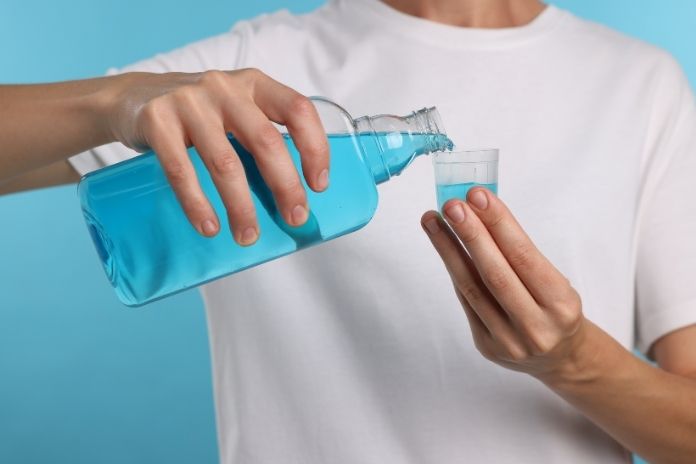
Even though mouth sores are painful, sometimes they can be relieved without medicine. Here are some choices recommended for gentle at-home care:
- Simple Saltwater / Baking Soda Rinse: Mouth sores can be treated easily and efficiently with a baking soda paste or saltwater rinse. You can neutralize the acidic conditions in the sore by mixing a small amount of baking soda with water to form a thick paste, then applying it to the painful area to help reduce irritation. To reduce inflammation and speed healing, swirl warm saltwater around your mouth several times per day.
- Honey Application: The application of honey can provide immediate relief to wounds or sores. The antibacterial properties help prevent infection while providing some level of anti-inflammation for swollen areas. It is also effective for an injury, since it keeps the area clean and moist, reduces the irritating effects of an injury, and helps accelerate recovery by applying it two to three times a day.
- Coconut Oil Swish: Swishing a teaspoon of coconut oil in your mouth for a few minutes lowers inflammation, keeps tissues moist, and helps relieve mouth sores. Its inherent antibacterial properties may also help reduce bacterial accumulation, creating a more hygienic and comfortable healing environment. You can reduce inflammation and promote a quicker recovery by using coconut oil once or twice a day.
Read More: Lung Cancer in Non-Smokers: How It’s Different
Mouthwashes & Ingredients to Avoid During Chemo Mouth Sores
Using the wrong mouthwash can make soreness from chemotherapy mouth sores much worse:
- If you wonder what the primary irritant is, alcohol could be a trigger. Alcohol-based mouthwashes traumatize the already fragile lining, aggravate dryness, and cause severe burning. You should avoid it altogether during treatment.
- Another typical cause is strong flavorings. Mouthwashes with strong scents, such as menthol, cinnamon, or mint, can exacerbate irritation and irritate open sores. It is safest to stick with moderate or flavorless selections since formulas advertised as “extra fresh” can be excessively harsh.
- Lastly, you should only use antiseptic mouthwashes prescribed by your oncologist. Certain antiseptics may hinder tissue healing or cause additional discomfort, even while keeping germs in check.
How to Use Mouthwash Safely and Effectively During Chemo
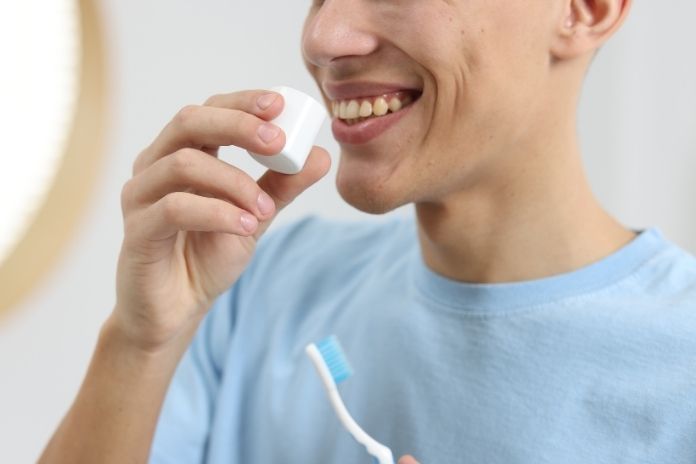
During chemotherapy, using mouthwash correctly is equally as crucial as selecting the appropriate formula. You should focus every action on reducing irritation and promoting healing because the lining of your mouth becomes exceedingly sensitive.
- Always use lukewarm water, not boiling or extremely cold, when making or diluting your rinse. Severe heat can exacerbate discomfort and aggravate painful spots.
- Steer clear of gargling or strong swishing. To coat the mouth and cleanse without injuring delicate tissues, a gradual and gentle movement is sufficient.
- Use mouth and throat protection-focused products. Alternatively, apply medications that cover and relieve mouth ulcers. Your healthcare professional will explain the products and medications you can safely use.
- To make food consumption easier, use topical sprays or lozenges to numb your lips and throat. Consult your doctor to determine which medications or products suit you best.
- Rinsing four to six times a day, after meals and before bed, is beneficial for most patients. Your oncologist may modify this according to the severity.
- In addition to the calming effects of using a mild mouthwash, maintaining moisture and reducing discomfort can be achieved by eating soft, non-acidic foods and drinking lots of water.
Read More: Early Signs of Oral Cancer You Shouldn’t Ignore
Complementary Oral Care Tips Alongside Mouthwash
During chemotherapy, you can significantly lessen discomfort and hasten the healing of your mouth by combining your mouthwash regimen with mild daily oral care. Chemotherapy reduces the mouth’s protective layer. Hence, every step should focus on reducing pain and maintaining properly hydrated tissues.
- Within half an hour of eating, lightly brush your tongue and teeth. Use a tiny toothbrush with delicate bristles. You can opt for a supersoft toothbrush at a pharmacy if a standard soft toothbrush is painful to use.
- Use baking soda or toothpaste that contains fluoride.
- Every time you clean your mouth, remove and clean your dental prosthesis, bridge, or dentures. If it fits well and doesn’t irritate your mouth, you can continue wearing it. Remove it from your mouth before you go to sleep.
- Use unwaxed dental floss to brush your teeth once a day before going to bed. If you dont floss regularly, avoid starting immediately after the therapy.
- To prevent mucositis, keep your mouth moist and clean if you’re not consuming food orally.
- Drink plenty of water or other lukewarm liquids to keep your mouth moist and avoid drying, which can exacerbate mucositis.
When to See a Doctor

Knowing when to visit an expert is crucial. It is essential to know when to seek expert help. Consult a dentist if:
- Dry mouth or mouth ulcers persist for more than two weeks.
- Eating and drinking are challenging during pain.
- Fever, pus, or swelling could be signs of an infection.
Read More: 8 Pancreatic Cancer Symptoms You Shouldn’t Ignore
Conclusion
Keeping your mouth comfortable during chemotherapy is more than just a wash; you are providing your body with the tools to heal, protect, and stay comfortable each day. The mouthwash forms a soft layer of protection, easing discomfort, reducing the risk of infection, and helping you meet the daily challenges of oral mucositis.
You can also make it easier for your mouth to heal by choosing alcohol-free mouth rinses and avoiding anything too intense. Rinsing as part of a routine that includes gentle brushing, slow eating, and drinking water can help you feel more involved in your treatment.
References
- Mayo Clinic. (November 18, 2023). Magic mouthwash: Effective for chemotherapy mouth sores
- Memorial Sloan Kettering Cancer Center. (2021, August 19). Mouth Care During Your Cancer Treatment.
- American Cancer Society. (2024, October 28). Mouth soreness and pain.
- Cancer Council. (June 2025). Mouth care during and after treatment.
- Cancer Research UK. (23 April 2024). Mouth care and cancer.
- Macmillan Cancer Support. (2025, April 1). Mouth problems.
- The Best Mouthwash for Mouth Sores. EmergencyDentistsUSA.
- MD Anderson Cancer Center. Mouth Sores from Chemotherapy.
- MD Anderson Madrid – Hospiten. Oral care.
- GoodRx. Connie Zheng, PharmD. (2024, July 24). Magic Mouthwash: What You Need to Know.
- StayWell. (Last Reviewed: 9/1/2025). Mouth Care During Chemotherapy.
In this Article