














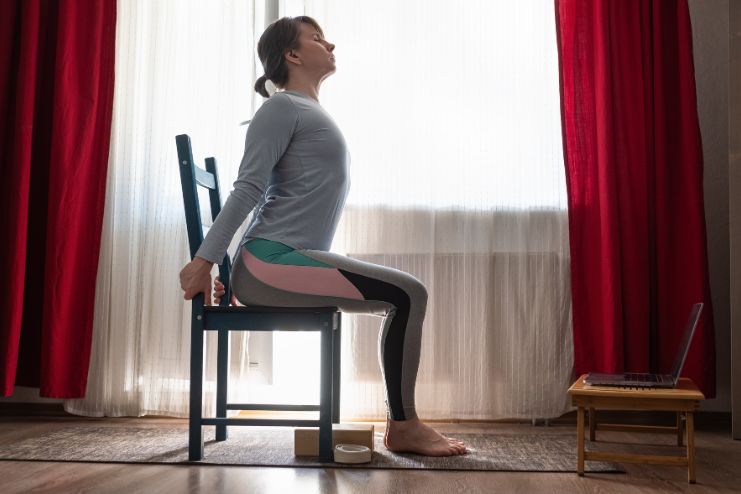
The desk job—ah, the dream of never-ending meetings, countless emails, and that comfortable office chair that practically becomes part of the furniture. A tight back, an aching neck, and that persistent “Is it time to go home yet?” expression are all familiar symptoms of being glued to your computer for hours, hunched over your screen like a modern-day Quasimodo.
Here’s where the magic of movement begins. You’re probably thinking, “Five minutes? That’s nothing. I’m far too busy for a vigorous workout.” We get it. Emails and meetings pile up faster than you can say “deadline,” but trust us—the secret to surviving and thriving in office life is five minutes of simple stretches and exercises. It works like a mini reset button for your body, right from the comfort of your workspace.
We’ve carefully selected five easy exercises to boost your energy, reduce stress, and get your blood flowing before you even open your laptop. The best part? No gym time or specialized equipment required.
Read More: Primal Movement Training: The Evolutionary Approach to Strength & Mobility
Why Mobility Matters for Desk Workers
The human body was designed for movement, yet many of us spend eight-plus hours hunched over a computer screen, only to go home and continue sitting. Even for fitness enthusiasts, the prolonged sitting that office jobs demand can eventually take its toll.
If your job requires extended sitting, incorporating regular mobility exercises into your routine is essential. These exercises will improve your flexibility while enhancing your posture and body alignment. Here’s how mobility exercises benefit desk workers:
Improved Posture: Long hours at a desk without mobility work lead to poor posture. Your shoulders, back, and core muscles play crucial roles in maintaining proper alignment. Mobility exercises target these posture-supporting muscles, strengthening and releasing them to help you maintain an upright posture without slouching.
Enhanced Flexibility: Muscles and joints lose flexibility and stiffen when held in static positions for too long. Dynamic stretching and movement-based mobility exercises help maintain muscle flexibility and range of motion, allowing you to move more easily while reducing injury risk.
Increased Blood Flow: Excessive sitting can compromise circulation, leading to issues like leg and foot swelling. Mobility exercises promote better blood flow, improving circulation and preventing related problems.
Stress Reduction: Office life often involves high-stress situations, long hours, and tight deadlines. Mobility exercises that incorporate deep breathing and mindful movement can calm the mind, reduce stress levels, and promote overall well-being.
The 5 Essential Mobility Moves
1. Cat-Cow Spine Opener
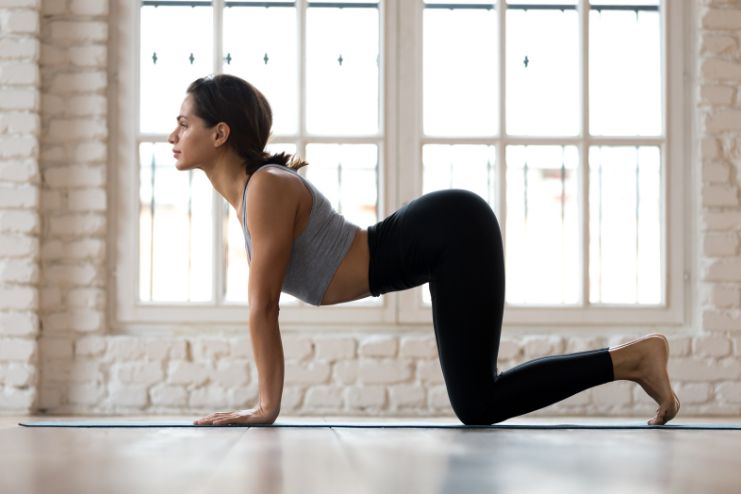
The Cat-Cow pose is excellent for stretching your spine, benefiting both the lower back and hard-to-reach areas of the upper back, including the neck, shoulders, and trapezius muscles. Regular practice helps release tension and improve spinal mobility.
How to do it:
- Start in a tabletop position with hands placed slightly ahead of your shoulders and knees directly under your hips. Place a blanket under your knees if needed for comfort.
- Keep your spine long and gently engage your core.
- Ground your palms firmly and spread your fingers wide for stability.
- Cow pose: Inhale deeply, allowing your belly to gently lower toward the floor. Lift your chest forward and gently draw your shoulder blades together. Keep your neck neutral and gaze straight ahead.
- Cat pose: Exhale, pressing your hands into the ground. Round your spine toward the ceiling, tucking your chin slightly and looking down toward your thighs.
- Flow smoothly between these positions, coordinating your breath with each movement. Complete 6-8 cycles.
Read More: Chair Yoga for Seniors: Simple Moves to Improve Strength and Flexibility
2. World’s Greatest Stretch (Hip Flexor + Thoracic Twist)

This dynamic exercise combines elements of a lunge, plank, and twist, making it incredibly effective for targeting multiple areas simultaneously. It’s particularly valuable for opening tight hip flexors and improving thoracic spine mobility.
“The world’s greatest stretch is worth that title for how adaptable and useful it is in any active stretch routine before a workout,” according to Jon Hosking, a Peloton teacher who thinks it’s worth the title.
How to do it:
- Begin in a plank position with palms on the ground, slightly wider than shoulder-width apart. (Modify by dropping your knees to the floor if needed.)
- Step your right foot forward, placing it outside your right hand with your knee bent at 90 degrees.
- Keep your left leg straight (or knee down if modifying) and maintain a neutral spine.
- Inhale and rotate your torso to the right, lifting your right hand toward the sky. Keep your core engaged and avoid letting your left hip rotate.
- Return your right hand to the ground to complete one rep.
- Perform 4 reps on each side, or hold for 30 seconds per side.
3. Shoulder Rolls and Arm Circles

This simple yet effective exercise reduces tension and improves the range of motion in your upper back and neck. The circular motion helps improve circulation, reduce stiffness from prolonged sitting, and enhance posture.
How to do it:
- Stand or sit upright with your feet shoulder-width apart and arms at your sides.
- Lift your shoulders toward your ears, then roll them forward, down, and back in a smooth circular motion.
- Complete 10 rolls in each direction.
- Follow with arm circles: extend your arms out to the sides and make small circles, gradually increasing the size. Perform 10 circles forward and 10 backward.
Read More: 6 Chair Exercises to Target and Tone Thigh Fat Without Leaving Your Seat
4. Standing Hip CARs (Controlled Articular Rotations)

Standing hip CARs improve hip joint mobility and control by actively engaging hip flexors, adductors, and glutes through the full range of motion. This exercise enhances both hip mobility and stability.
How to do it:
- Stand tall and hold onto a wall or chair for support if needed.
- Keep your upper body stable and engage your core.
- Lift one knee toward your chest, then rotate your leg outward.
- Continue the rotation, bringing your leg behind you, then return to the starting position.
- Focus on moving slowly and controlled through your full range of motion.
- Complete 3-4 slow circles in each direction per leg.
5. Neck Glides and Tilts

With neck pain being the second most common musculoskeletal problem in the United States, this exercise is crucial for desk workers. These gentle movements stretch the muscles along the sides of your neck and upper back while improving range of motion.
How to do it:
- Sit or stand comfortably with your shoulders relaxed.
- Slowly tilt your head, bringing your ear toward your shoulder.
- Hold briefly, then return to center and repeat on the other side.
- Next, gently glide your head forward and back, keeping your chin level.
- Perform 5-6 repetitions in each direction, focusing on the gentle stretch in your neck muscles.
Read More: 10 Best Indoor Workouts for When It’s Too Cold Outside
How to Fit This Into Your Routine
Now that you understand the benefits, here’s how to integrate mobility training into your daily life:
Schedule Regular Breaks: Set reminders to stretch and move every hour. You’ll be amazed at how much a few minutes of daily mobility work can help.
Morning Mobility Routine: Perform these exercises before starting your workday. You can easily incorporate simple stretches for your hips, shoulders, neck, and wrists.
Use Ergonomic Equipment: Support your posture and reduce physical strain with ergonomic office equipment like an adjustable chair and desk.
Consider Professional Guidance: You might benefit from working with a certified mobility trainer or joining a mobility class for personalized exercises tailored to your specific needs.
Desk-Friendly Mobility Tips to Extend the Benefits
Take Hourly Breaks: Set calendar reminders or phone alarms to stand up, stretch, or walk every hour. Breaking your workday into smaller, more frequent movement breaks helps restore circulation and prevent stiffness.
Use a Standing Desk: Alternate between sitting and standing to reduce long-term pressure on your hips and back. This sit-stand cycling encourages better posture and natural movement.
Incorporate Micro-Stretches: Perform simple exercises right at your workstation, like shoulder shrugs, neck tilts, and wrist rolls, to reduce tension from repetitive motions.
Stay Hydrated: Keep a water bottle nearby to promote frequent sipping and bathroom breaks, naturally increasing your movement throughout the day.
Read More: Daily Stretching Exercises for Flexibility and Mobility
Final Thoughts
Working a desk job doesn’t doom you to poor posture or chronic aches and pains. Just five minutes of daily movement can transform how your body feels and help you avoid many common problems associated with prolonged sitting.
A quick mobility routine before checking your email helps jumpstart your system, awaken dormant muscles, and release stiff joints. This simple practice can lead to significant improvements in comfort, posture, and focus over time.
Think of it as your body “clocking in” before your workday begins—a signal that you’re physically and mentally prepared. When you combine this routine with desk-friendly habits like regular standing, stretching, and addressing tight areas, you’ll notice a remarkable difference in how you feel throughout your workday.
References
- https://www.womenshealthmag.com/fitness/a40059106/mobility-exercises/
- https://www.eastsideidealhealth.com/the-importance-of-mobility-training-for-office-workers/
- https://www.rehabhero.ca/exercise/iz72dsnpxhy4pblhyim6xxoc6sf15h
- https://library.theprehabguys.com/vimeo-video/worlds-greatest-stretch-2/
- https://sworkit.com/exercise/shoulder-roll
- https://www.sportspainmanagementnyc.com/self-care/shoulder/
- https://us.physitrack.com/home-exercise-video/shoulder-rolls-seated
- https://dieringe.com/exercises/hip-cars
- https://www.mayoclinic.org/healthy-lifestyle/adult-health/multimedia/neck-stretches/vid-20084697
- https://www.hingehealth.com/resources/articles/head-tilts/
In this Article