














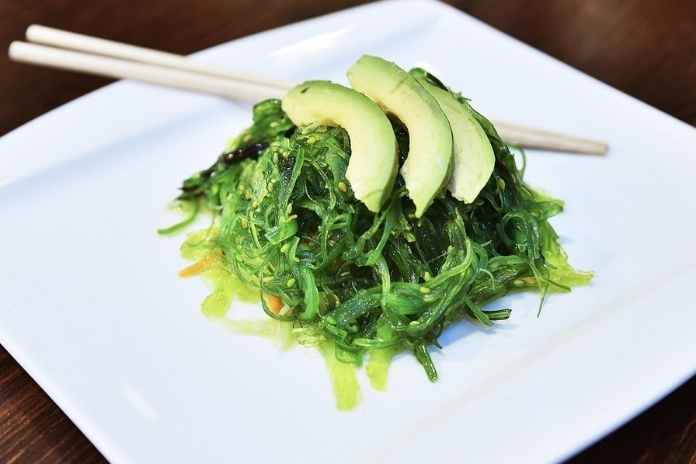
Seaweed is no longer just for sushi rolls or wakame miso. It’s becoming a trendy snack, powder, supplement, or even seasoning. Many people ask: “Can I eat dried seaweed every day?” The answer isn’t a simple yes or no.
Why the hype? Seaweed health benefits are widely promoted: seaweed fiber, antioxidants, and iodine content are trumpeted. But with every advantage comes a hidden side. If you rely on seaweed daily, your body might respond in ways you never expected—some good, some risky.
This article will walk you through surprising, lesser-known effects, grounded in scientific studies and doctors’ insights. You’ll learn how your thyroid, detox system, skin, and even your mineral balance might shift. It’ll also guide you on how to eat it safely.
Your Thyroid Might Go on a Roller Coaster — Not Just a Boost
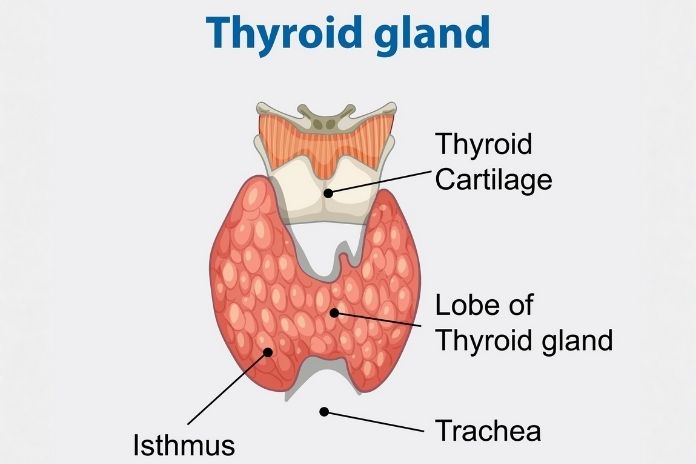
How seaweed’s iodine content affects you!
Iodine is the most famous nutrient in seaweed. It’s essential for thyroid hormone production in your body. But here’s the twist: iodine in seaweed varies wildly, even within the same species. A study of 96 commercial macroalgae products found single servings ranged from 128 μg up to 62,400 μg of iodine.
When seaweed intake is moderate, it can help maintain adequate iodine intake, especially for people who otherwise have low iodine intake. But if you overshoot, you may trigger thyroid dysregulation.
Unexpected things that may happen to your thyroid
- Hypothyroidism from excess iodine: A documented case showed a patient developed hypothyroidism after eating tororo kombu (a shredded kelp) at every meal. When intake dropped and thyroid therapy was given, thyroid function recovered.
- Transient hyperthyroid spikes: Some individuals with borderline thyroid autoimmunity (wherein the immune system attacks the thyroid) may get a sudden thyroid hormone surge when iodine intake increases abruptly.
- Adaptive inhibition (Wolff–Chaikoff effect): Very high iodine can temporarily suppress thyroid hormone production as a protective measure. In most people, this “escape” happens after a few days, but in susceptible persons, it may persist.
A review of iodine-thyroid interaction notes both the benefits and hazards of dietary iodine from seaweed.
What’s a safe daily iodine target?
- The National Institutes of Health lists recommended daily iodine intake for adults at ~150 µg/day.
- But many edible seaweeds exceed that, sometimes by orders of magnitude.
- Some food safety authorities warn that regular excessive iodine intake may cause thyroid dysfunction, cardiac effects, or renal problems.
Because of that huge variability, it’s impossible to pick a universal “safe amount” of dried seaweed. Instead:
Tip: To reduce risk, stick to low-iodine types (like nori or dulse), eat small portions (one or two small sheets or ~1 gram dried), and rotate species rather than using kelp daily.
Your Detox Organs (Liver, Kidneys) May Work Overtime — Because of Hidden Metals
One angle rarely emphasized: daily seaweed is like a slow drip of exotic elements into your body. Some will be helpful minerals; some will burden your detox systems.
Seaweed’s knack for absorbing metals
Seaweed naturally bioaccumulates heavy metals from its watery environment—acting as “metal sponges”. Studies confirm that seaweed samples often contain arsenic, cadmium, lead, and mercury in variable amounts.
In fact, a 2025 review warned that heavy metal contamination in seaweed is common and prolonged intake poses a risk.
One Italian study analyzing 20 heavy metals in seaweeds used in food found that some samples accumulate dangerously high levels, stressing the need for better labeling.
What your body might feel
- Gradually, your liver and kidneys may carry an extra workload clearing trace metals.
- In rare cases, metal accumulation may interfere with other biochemical systems (e.g., trace metal balance, oxidative stress, enzyme functions).
- You might, over long periods, see subtle signs: fatigue, mild liver enzyme elevation, or shifting urinary biomarkers.
A surprising interaction: metal vs antioxidant tradeoff
If you ingest more heavy metals, then they may generate oxidative stress, potentially canceling out some of the antioxidant benefits of seaweed. Thus, more is not always better.
Practical safeguards
- Use seaweed as a “condiment,” not a staple.
- Choose brands that publish metal testing.
- Rotate species; avoid using the same high-risk seaweed daily.
- Wash or soak when applicable (some seaweeds leach metals into water). A study showed that boiling or soaking can reduce the levels of iodine, sodium, and arsenic in select seaweeds.
- If possible, test your heavy metal exposure (e.g., via hair or urine tests) if you use seaweed long-term.
Read More: Navigating the Paleo Diet: Pros, Cons, and Practical Tips for Beginners
Your Skin and Hair Might Glow—But Only If You Lack Certain Nutrients

Many articles say “seaweed makes your skin glow.” Here’s the twist: you’ll see change only if there’s a nutrient gap to begin with. And even then, it’s subtle.
The supporting nutrients in seaweed
- Seaweed contains antioxidants (flavonoids, carotenoids, phenolic compounds), which help neutralize free radicals. In human trials, seaweed consumption increased antioxidant enzyme activity (SOD, catalase) and reduced DNA oxidation markers.
- It also brings zinc, selenium, copper, and magnesium—trace minerals tied to skin health and hair growth.
In an 8-week trial, 4 g dried Undaria pinnatifida (seaweed) lowered blood pressure and improved some oxidative stress markers.
When your body might respond
- If your baseline diet is low in antioxidants, then you may notice slight improvements: skin more even-toned, a minor glow, and less dullness.
- Hair might feel touch stronger or shinier in cases of mild micronutrient deficiency.
But if your diet already supplies enough, adding seaweed may not make a significant difference.
But there’s a risk if overdone
Remember: if heavy metal load creeps up, oxidative stress may increase, harming skin and hair rather than helping.
Balance tip: Think of seaweed as supportive background nutrition and not a beauty cure. Pair with good hydration, sleep, sunscreen, and a broad diet of fruits and vegetables.
Your Mineral Balance May Shift in Unexpected Ways
People often talk about iodine and fiber. A less discussed outcome: seaweed can shift your mineral landscape, for both good and bad.
What surprises higher seaweed intake can trigger
- You might absorb extra calcium, potassium, magnesium, along with trace elements. In one trial, supplementation with seaweed increased antioxidant enzyme activity without altering serum calcium or PTH levels.16
- But if the seaweed batch contains excess trace metals (e.g., cadmium or lead), you may upset mineral homeostasis.
- Because seaweed contents vary so much, your daily mineral intake might bounce day to day. That unpredictability is a risk in making seaweed a daily staple.
A surprising note: blood pressure effect
Some seaweed fiber (e.g., alginate) has been shown to lower systolic blood pressure over 4 weeks compared to control in hypertensive subjects.
So in some contexts, daily seaweed might modestly help vascular health — but only in specific forms and amounts.
Read More: 5 Powerful Benefits of Kelp, the Sea Superfood
Your Gut Microbiome May Evolve—But Don’t Expect an Instant Fix

Most people hear “seaweed helps digestion” and stop there. The surprise? Which microbes grow, how fast, and what trade-offs emerge?
Read More: Improper Sleep Quality Can Affect Gut Microbiome
What’s special about seaweed fiber
Seaweed contains marine polysaccharides like alginate, fucoidan, and laminarin. These are less common in land-based foods and feed specialized gut microbes.
In interventions, seaweed intake increased fermentation and SCFA (short-chain fatty acids) output, which support gut lining and anti-inflammatory effects.
How your gut might change
- If your microbiome is naive to seaweed fiber, then you may experience temporary gas or bloating while microbes adapt.
- Over months, you may see a shift toward species that can digest marine polysaccharides, which you can’t replicate via land-fiber alone.
- That shift may slightly improve bowel regularity, stool consistency, or even modulate inflammation.
But note: seaweed fiber won’t substitute for a wide variety of plant fibers. It’s an addition, not a replacement.
“It’s an extraordinarily nutritious source of food,” says Dr. Craig Rose, executive director of the Seaweed Health Foundation. “It has things in it that land plants don’t have in the same levels or the same balance.”
Read More: Top 3 At-Home Microbiome Testing Kits for Personalized Gut Health Insights
Key Takeaway: Seaweed as a Daily Habit Is Like Walking a Tightrope
Eating seaweed daily is not inherently good or bad; it’s in the details. If you consume it smartly, then you might gain thyroid support, subtle skin or vascular perks, and microbiome diversity. But if you’re careless, then you risk iodine overload, heavy metal buildup, and mineral misfires.
Here are actionable rules to maintain a balance safely:
- Ask yourself: “Can I eat dried seaweed every day?” — Yes! If you limit to low-iodine types, small amounts, and rotate species.
- Favor, nori, dulse, and laver as safer daily options. Avoid large amounts of kelp, kombu, and hijiki at all times.
- Use seaweed as a seasoning or garnish, not the main food.
- Choose brands with lab testing (for iodine and metals).
- Occasionally, pause seaweed use (take a week off) to let your system reset.
- Monitor your thyroid labs and, if possible, check for heavy metal exposure if you use them daily.
FAQs
Q1. How much dried seaweed is safe per day?
There’s no universal answer due to massive variability. The cautious rule is ~1–2 grams per day, dried (or a sheet or two of nori). Always check iodine content if listed.
Q2. Can eating seaweed every day cause thyroid problems?
Yes—particularly in sensitive individuals. Overconsumption of iodine from seaweed has been linked to hypothyroidism, thyroiditis, as well as transient hyperthyroid states.
Q3. Which type of seaweed is healthiest for daily use?
“Healthiest” depends on risk vs benefit. Lower-iodine, lower-metal types like nori, dulse, and laver are safe for daily use. Brown seaweeds like kelp or kombu are rich, but riskier for daily use.
Q4. Are seaweed snacks too high in sodium?
Often yes. Many dried seaweed snacks are salted heavily. That sodium load can accumulate, especially if seaweed becomes a daily snack. Always read the sodium content on the label.
Q5. Is seaweed safe during pregnancy?
This is delicate. Pregnant women have higher iodine requirements but are also more sensitive to iodine excess. Some health agencies advise caution, limiting the intake of high-iodine seaweed during pregnancy.
References
- https://doi.org/10.29219/fnr.v65.7584
- https://doi.org/10.1093/nutrit/nuy066
- https://doi.org/10.7759/cureus.55231
- https://doi.org/10.1111/1541-4337.70037
- https://doi.org/10.1159/000512971
- https://ods.od.nih.gov/factsheets/Iodine-HealthProfessional/
- https://doi.org/10.1016/j.jfda.2014.01.014
- https://doi.org/10.1038/s41598-024-64556-w
- https://www.anses.fr/en/content/seaweed-consumption-remain-vigilant-risk-excess-iodine-intake
- https://doi.org/10.1016/s0269-7491(98)00096-7
- https://doi.org/10.1016/j.chemosphere.2020.127983
- https://doi.org/10.3390/app13084764
- https://doi.org/10.3390/foods10020381
- https://doi.org/10.1016/j.jafr.2025.101830
- https://doi.org/10.1016/j.fct.2021.112385
- https://doi.org/10.3389/fnut.2023.1226168
In this Article