













Whether it’s having sneezing fits during spring, itchy eyes in fall, or year-round sinus pressure, seasonal or chronic allergies affect millions of people worldwide. Although most people may not have life-threatening allergies, they can certainly interfere with everyday comfort and productivity.
From North America to the most remote regions of the planet, millions of individuals suffer from allergies, a prevalent health issue. They happen when your body’s defenses overreact to normally harmless items, such as dust mites, pollen, or particular meals.
Over 67.4 million persons in the United States—more than one in four adults—struggle with seasonal allergies, according to the CDC’s National Center for Health Statistics.
Specific natural remedies that help reduce allergy pain without exclusively using medication are starting to receive scientific support. This article breaks down the most studied, scientifically supported supplements that could help you find relief naturally and breathe easier throughout the year.
Read More: Supplements That Can Harm Your Brain and Nervous System
How Supplements Can Help With Allergies
People might have allergies to a wide range of items, including mold, food, pollen, and pets. One characteristic unites all allergies: the allergen is viewed as hazardous by the body’s immune system, which triggers an allergic reaction that can cause a range of symptoms, such as coughing, breathing difficulties, itchy eyes, rash, runny nose, and sneezing.
The immune system creates antibodies to combat these “harmful” chemicals when the body comes into contact with an allergen. Antibodies mark the allergen, causing histamines to be released the next time the body comes into contact with it, resulting in symptoms and an allergic reaction.
Antihistamines are a typical way to reduce allergy symptoms. Side effects of both prescription and over-the-counter antihistamines include rashes, headaches, nausea, sleeplessness, sleepiness, and exhaustion.
Many drug-free options are available to assist you. The specialists say that the antihistamines are not necessarily the optimal allergy medications to use daily.
“Medication doesn’t work alone. You should save your antihistamines for the worst days, when you won’t have as much control over your behavior,” allergist Amina Abdeldaim, MD, MPH, owner of Willow Allergy in New York and Medical Director of Picnic, says.
However, some dietary supplements may be more beneficial for individuals taking them to alleviate allergy symptoms, with a lower risk of adverse effects.
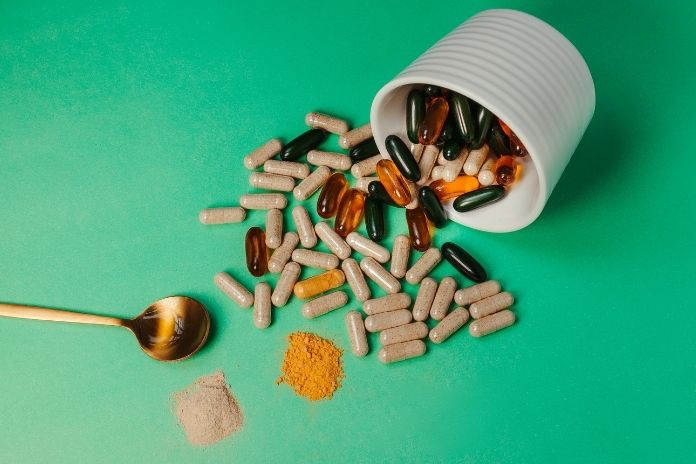
Best Supplements for Allergy Relief
A. Vitamin C
Ascorbic acid, another name for vitamin C, is a potent antioxidant that helps your immune system. Your vitamin C requirement is fulfilled by food or supplements because your body doesn’t produce it.
In one trial, participants were required to exercise and take 2,000 mg of vitamin C for eight weeks. According to the study, vitamin C and exercise together significantly reduced the symptoms of allergies, including congestion, sneezing, and a runny nose.
Most recent research on vitamin C and allergies has been modest in scope, conducted in animals, or has evaluated vitamin C in forms other than oral supplements.
B. Quercetin
One kind of plant pigment known as a flavonoid is quercetin. It has antihistamine properties of its own. It indicates that it aids in preventing the generation of histamines, chemicals released by your immune system. Histamines trigger allergy symptoms, such as congestion and a runny nose.
According to studies, quercetin can help with the majority of allergy disorders, particularly when the nasal passages’ mucous membranes are inflamed. Foods like apples, citrus fruits, dark berries, onions, and garlic contain quercetin.
C. Probiotics
Probiotics are the live microorganisms that are beneficial to your gut, such as bacteria. They contribute to the maintenance of a healthy microbiota. Because of this, they also help promote the health of your heart and immune system, among many other areas of your body.
Studies demonstrate that probiotics support immune system function. According to an analysis of 28 studies, probiotics can help reduce the symptoms of allergies. However, the findings varied across studies.
Another study also raised concerns about research variability. Depending on the bacterial strain, dosage, and mode of administration, probiotics may or may not be able to treat allergies. The study also noted that the best probiotic strain for allergies remains unknown.
D. Omega-3 Fatty Acids
According to research, consuming a diet that is rich in omega-3 fatty acids may help reduce the likelihood of developing allergic reactions, such as allergic rhinitis. Fatty fish like salmon, mackerel, tuna, herring, and sardines, as well as nuts and seeds such as chia seeds, flaxseeds, and walnuts, are examples of foods that are rich in omega-3 fatty acids.
E. Butterbur
Butterbur is a type of plant found in some areas of Asia, Europe, and North America, and it has that name because people used to wrap the plant around butter during the summer.
The herbal extract known as butterbur is commonly employed for the treatment of migraines; however, studies have shown that it may also reduce histamine levels and may be beneficial in alleviating the symptoms of hay fever.
There is evidence that it can reduce inflammation in the nasal passages and alleviate symptoms such as sneezing and itchy eyes. Nevertheless, safety is of the utmost importance while selecting butterbur.
F. Stinging Nettle
People worldwide have used the plant known as stinging nettle as a medicinal remedy for a long time. According to laboratory research, stinging nettle may have anti-allergy properties. It may function by reducing the number of mast cells, which can lead to inflammation, by blocking histamine receptors.
According to a tiny trial, stinging nettle supplementation improved seasonal allergy management, although it wasn’t much better than a placebo.
Supplementing with stinging nettle extracts is well-tolerated with little or no adverse effects. If adverse effects do happen, they could include headache, nausea, or altered bowel patterns.
G. Spirulina
Arthrospira platensis, also known as spirulina, is a type of algae that is one of the most well-known algae products because of its bioactive compounds associated with health benefits.
Spirulina has anti-inflammatory and antioxidant properties in a study of 65 people with seasonal allergies, spirulina with cetirizine, an anti-allergic drug. For two months, half the participants took 10 mg of cetirizine, while the other half took 2 g of spirulina every day.
Overall, the study found that spirulina was more effective than cetirizine in reducing symptoms, including runny nose, nasal congestion, and a decreased sense of smell. The major drawback is that consuming spirulina is four times a day.
Read More: Enhance Your Focus: 5 Brain-Boosting Supplements for Men
How to Choose the Right Supplement

There are a few essential points to consider when trying to find the right supplements for allergies, both practical and safe. Here are some helpful reminders:
Talk to your doctor: Always speak to your doctor or a pharmacist before starting any new supplements. They will help you determine what you are allergic to and if the supplement is safe for you, and they can also monitor for any interactions with your medications or health conditions.
Look for standardized extracts: Standardized extracts mean that every dose will have a consistent amount of active ingredient(s). A standardized extract reduces the continued risk of ineffectiveness and promotes predictability of response.
Inquire if it has been tested by an independent third-party: The FDA regulates medications for safety and effectiveness, but it does not regulate nutritional supplements. A simple search should reveal a certification by an independent third-party organization.
Purchase from reputable companies: It is always the best choice to purchase any product, such as herbal or algae-based products, including spirulina, from reputable companies to reduce the chances of contamination.
Safety and Precautions

Here are three points with respect to the safety of allergy supplements.
1. The best allergy supplements are pretty safe overall. However, before beginning a supplement, consult a physician if you:
- Have any health issues
- Are on other daily medications
- Are nursing a baby or pregnant
- If you are under the age of eighteen
Always go by your doctor’s or pharmacist’s dosage recommendations, or at the very least, the label’s instructions.
2. Using for Too Long: The longer you use any supplement (or medication), the more you are at risk for toxicity and injury. Unfortunately, there isn’t much evidence that taking these natural allergy treatments for prolonged periods of time is safe. So, take this very seriously. Check with your doctor before starting any long-term therapy.
3. Allergic Reactions: Another concern for those using allergy supplements is that ragweed is a distant cousin of many of the plants that are used for allergies, like butterbur, echinacea, and many others. Using allergy pills may trigger reactions to ragweed pollen.
Read More: Cholesterol-Lowering Supplements: Do They Really Work?
Lifestyle Tips to Pair With Supplements
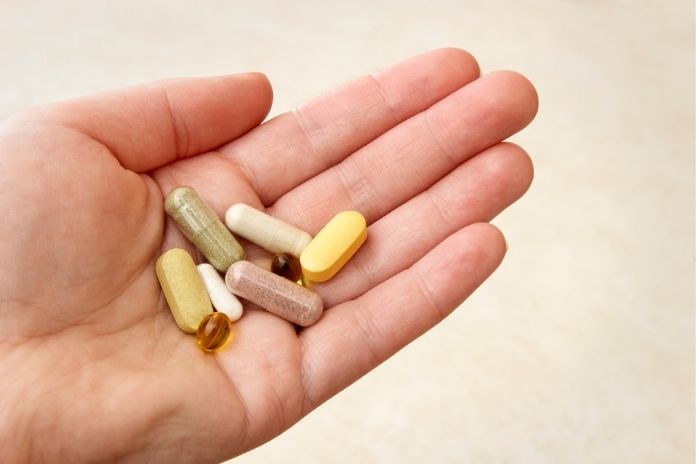
Nutritional supplements, along with some lifestyle changes, can be beneficial for allergy symptom relief as they help to lower inflammation, normalize immune system activity, and lower exposure to allergens.
- To decrease exposure to dust, vacuum regularly, and use HEPA filters in your vacuum and/or in your home heating and air conditioning systems to adequately capture dust, pollen, and pet dander.
- Using a saline rinse and/or nasal irrigation can provide immediate relief by clearing irritants out of your nasal passages.
- Drink herbal teas as well as lots of water. Staying hydrated helps support the flushing out of irritants and thinning of mucus for more straightforward elimination.
- Be conscious about eating food sources high in anti-inflammatory, antioxidants, and omega-3 fatty acids. Some examples of these foods can be included as garlic, ginger, and turmeric, as well as oily fish like salmon and leafy greens.
- Wash bedding in hot water once per week to help eliminate dust mites. Regularly clean and dust your living spaces, and wear a mask if necessary.
- Keep windows closed during periods of high pollen count, particularly at night and in the early morning.
Conclusion
Natural supplements can provide significant assistance in managing allergies; pharmaceuticals are not the only option. Many allergy symptoms, such as sneezing, nasal congestion, and itchy eyes, may be treated with vitamin C, quercetin, probiotics, omega-3 fatty acids, and herbs like butterbur or stinging nettle.
These supplements can be great alternatives for those who are looking to provide a natural remedy for their allergies, since they all provide different ways of helping alleviate those symptoms, such as histamine regulation and anti-inflammatory properties.
You must remember to use supplements as additions to, and not replacements for, medical treatment. Many supplements can provide additional benefits, mainly when used in conjunction with a healthy lifestyle, which may include a nutritious diet, adequate rest, and reduced exposure to environmental allergens.
Read More: Autoimmune-Friendly Supplements to Support Immune Regulation (Without Overstimulating It)
FAQs
Do supplements work as fast as antihistamines?
No, antihistamines provide faster relief from allergy symptoms than supplements. The effects of supplements are less well-established scientifically than those of oral antihistamines, which operate quickly.
Can kids take supplements for allergies?
Yes, children can use some supplements to aid with allergies, but to guarantee safety and efficacy, you should speak with a healthcare provider first.
Are herbal supplements safer than medications?
No, herbal supplements are not always safer than prescription drugs; they may include pollutants, have less severe controls, have hazardous side effects, or interact negatively with other treatments.
References
- https://www.everydayhealth.com/seasonal-allergies/natural-remedies-for-allergies/
- https://www.goodrx.com/conditions/allergies/supplements-for-allergies
- https://www.zocdoc.com/doctor/amina-abdeldaim-md-mph-315812
- https://pubmed.ncbi.nlm.nih.gov/30118241/
- https://aacijournal.biomedcentral.com/articles/10.1186/s13223-020-00434-0
- https://www.frontiersin.org/journals/immunology/articles/10.3389/fimmu.2022.848279/full
- https://pmc.ncbi.nlm.nih.gov/articles/PMC3784923/
- https://www.nature.com/articles/1602213
- https://pmc.ncbi.nlm.nih.gov/articles/PMC5963652/
- https://pmc.ncbi.nlm.nih.gov/articles/PMC7416373/
- https://www.webmd.com/diet/features/allergies-allergy
In this Article