










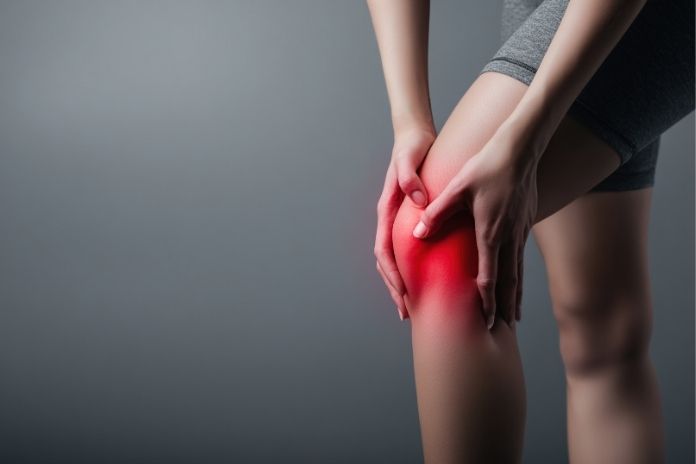



A few years ago, when my mother had a fall, she was diagnosed with a fracture.
And when someone says the term “fracture,” we may automatically think of a half-broken bone or a cast on a limb. I used to believe the same. But not all fractures are so dramatic. But some cracks are so small and subtle that they go unnoticed until the pain won’t go away.
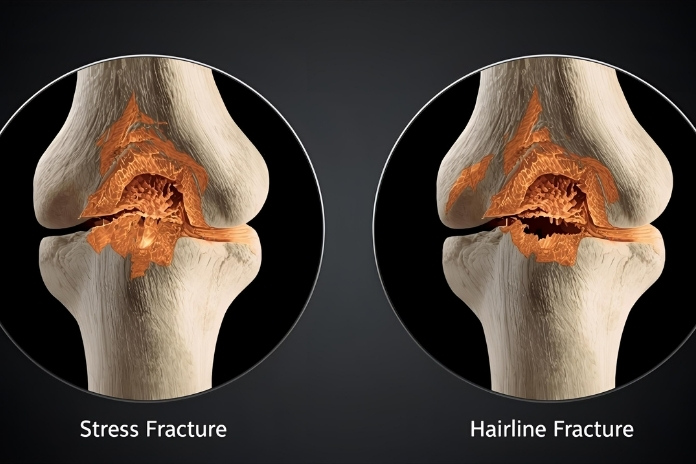
Two such examples are stress fractures and hairline fractures. Although they sound and have some symptoms in common, and are often used interchangeably, they differ in the way they occur, feel, and heal.
Understanding these differences can help you in getting the right medical care early, preventing a small crack from turning into a serious break. In this article, let’s understand each one more closely and find out how they differ.
Read More: Wrist Fractures: Most Common Types and What Recovery Looks Like
What Is a Hairline Fracture?
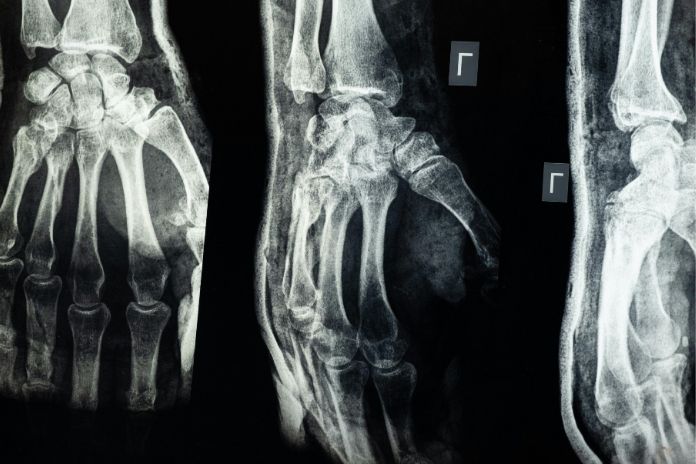
A hairline fracture is a slim, narrow break in the bone. It usually happens due to a single sudden blow, not stress over time. You may think of this as a result of falling on an outstretched hand, a kick to the shin from a sports hit, or rolling an ankle while hiking over rocky ground. The force is not strong enough and doesn’t completely shatter the bone, but creates a thin crack that runs through the surface.
Since the crack is tiny, a hairline fracture generally will not cause noticeable deformity. However, the signs can actually be unexpectedly severe. Some common signs include:
- Severe, focal pain that is experienced right after the incident.
- You see that there is tenderness and swelling along the injured bone.
- There is immediate bruising that happens within a few hours.
- You feel pain with increased motion or pressure.
Hairline fractures are most commonly found in wrists, ankles, feet, and shins, which are likely to undergo impact or twisting injury. Even a minor fall can lead to a stress fracture when the bone is under stress or weakened by conditions like osteoporosis.
Since the crack is so narrow, early in an injury, X-rays cannot always detect it. Physicians then must utilize CT scans or MRI to detect the break. The fracture will not open up, and the bone will heal naturally in 6 to 8 weeks if immobilized early, either by a cast or splint.
Read More: Why Some Fractures Don’t Heal: Causes of Delayed Union and Nonunion
What Is a Stress Fracture?
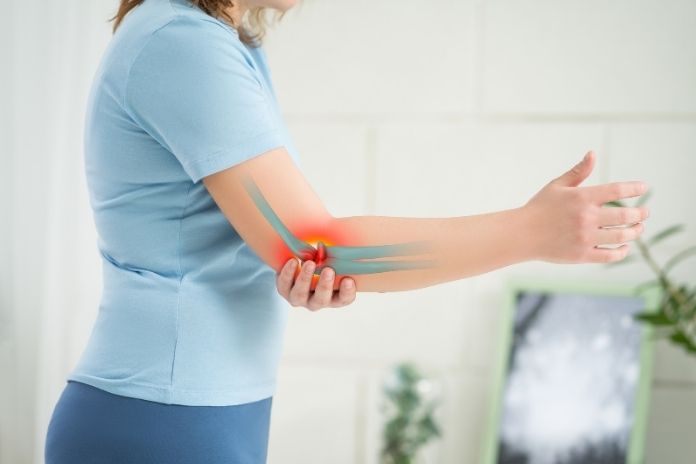
A stress fracture, however, is not caused by a single blow but by repeated microtrauma over time. It happens when the bones are repeatedly stressed, like running long distances, jumping, or dancing without enough recovery time. This is because the body’s natural repair process cannot cope with the stress, which leads to small cracks that worsen over time.
Stress fractures are simply overuse fractures. They are more common among athletes, runners, dancers, and military trainees whose bones undergo repeated loading.
Typical locations of stress fractures include:
- Tibia (shinbone): This is the most common location of fracture among runners.
- Metatarsals (foot bones): This is more commonly experienced by ballet dancers and hikers.
- Femur (thigh bone) and pelvis: More frequent in people who engage in endurance sports.
- Lower back and heel bone: Common in people who play contact/collision sports.
The pain pattern in a stress fracture is different from a hairline fracture. It usually begins as a dull ache with activity that becomes sharper as we continue. The pain can initially resolve with rest, but when the fracture worsens, you may feel pain even at rest or even with walking.
If left on its own by not resolving, a stress fracture can progress to a complete break, especially in weight-bearing bones. That is why athletes are instructed to seek immediate medical evaluation when there is localized bone pain onset.
Key Differences Between Stress and Hairline Fractures
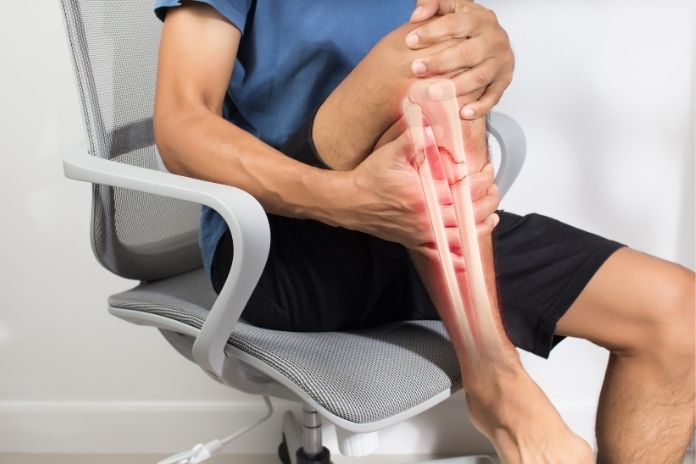
Though we often interchange stress and hairline fractures, they vary in a few aspects. Despite both having microcracks in the bone, the mechanisms, pain patterns, and healing are quite different from one another. Once you know the differences, it can help you get the appropriate treatment to feel better soon.
1. Cause
Stress Fracture: It occurs due to repetitive overuse or constant pressure. The common causes include running long distances, sudden peaks in training intensity, or improper footwear. Insufficient calcium intake and endocrine abnormalities can also decrease bone resilience.
Hairline Fracture: This happens due to a single traumatic event, like a fall, direct blow, or twist. The fracture occurs immediately rather than gradually building up.
2. Onset of Pain
Stress Fracture: The pain gradually increases, typically slow at first, and later worsens with increasing activity. The pain can resolve with rest, but recur and worsen if we keep repeating the movement.
Hairline Fracture: There is pain and tenderness immediately after the injury. However, you’ll see that the swelling or bruising usually happens over a few hours.
3. Diagnosis Tools
Since both are such tiny cracks, diagnostic testing can be difficult. But here’s how each of them can be diagnosed:
Stress Fractures: These often won’t appear on early X-rays. MRI or bone scans are the gold standard for detecting microdamage and inflammation of the bone.
Hairline Fractures: These may appear on X-rays after a few days. Detection is possible after healing has begun, but specialized tests can confirm sooner.
4. Common Sites
Stress Fractures: The fractures most often occur in weight-bearing bones such as the tibia, metatarsals, femur, or pelvis.
Hairline Fractures: These often occur in impact. Most likely in bones such as the wrists, ribs, or ankles.
5. Recovery and Healing
Stress Fractures: These fractures can recover in 8–12 weeks because such bones tend to absorb load even when resting.
Hairline Fractures: These heal slightly faster, about 6–8 weeks, provided the bone is kept immobilized and not subjected to further stress.
Symptoms to Be Aware Of
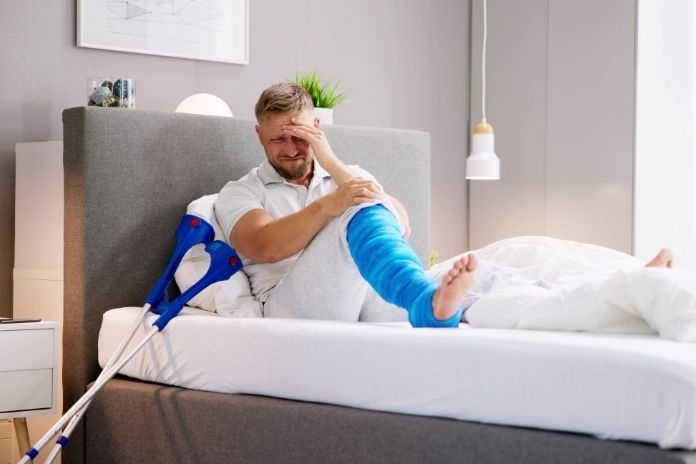
Early detection of recognition of symptoms will prevent further worsening of the fracture. Both can show up in a variety of shows:
- You feel a constant pain in one particular region that is worsened by movement.
- There is swelling or tenderness over a particular bone.
- You experience warmth or blushing in the region of the injury.
- There is bruising or a color change, more common in the case of hairline fractures.
- You feel a pain that increases and becomes unbearable. Though it is made better with rest (in stress fractures), it becomes worse with use.
In case pain continues after a couple of days, especially after exercise or trauma, one must consult an orthopedic specialist. A muscle strain may actually be a developing bone crack.
Read More: 12 Best Knee Scooters To Support Your Fractured Leg
How Are They Treated?
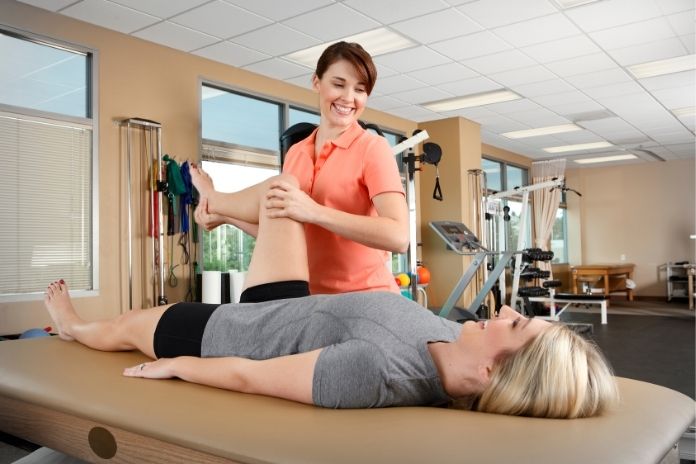
The treatment goal for each is the same: reduce stress on the bone, make it heal, and prevent re-injury. The regimen differs somewhat depending on type and severity.
Rest and Immobilization
First, aim for a proper rest. Trying to walk or exercise on a broken bone will only make the crack larger and difficult to heal and treat.
- For hairline cracks, immobilization with a cast, splint, or walking cast is the norm. For wrist or ankle sprains, full non-weight-bearing might be necessary for several weeks.
- For stress fractures, you need to modify the activity and take proper rest. You might need crutches or supportive shoes to redistribute weight-bearing stress.
If you ignore these measures, it can turn a minor crack into a complete break, greatly extending recovery time.
Physical Therapy and Gradual Return
Once the pain is gone and the bone starts healing, rehabilitation is necessary for regaining strength, balance, and joint mobility.
Physical therapy can involve:
- Gentle range-of-motion exercises.
- Strengthening nearby muscles to decrease bone stress.
- Correcting the gait or posture abnormalities that led to the stress.
- Gradual return to activity. This can be done by starting with low-impact activities such as swimming or cycling before progressing to running or jumping.
Nutrition and Bone Health
Nutrition comes immediately, right next to fracture healing. An adequate amount of calcium, vitamin D, and protein speeds up bone healing. Dehydration and low caloric intake can delay recovery, especially for sports lovers.
Monitoring Progress
Follow-up X-rays by doctors may be advised in a few weeks to confirm healing. Pain-free range of motion and strength are signs that the bone has healed sufficiently to tolerate usual activity.
When to See a Doctor
Don’t ignore continuous pain, especially if:
- The pain continues for longer than several days despite bed rest.
- The swelling or tenderness becomes increasingly severe with time.
- You are unable to bear weight on a limb or have restricted movement.
- There is a clear deformity or deep bruising.
- You are involved in sports or have a history of osteoporosis.
Early medical detection assures that the fracture is detected early and treated before complications arise. X-rays, MRI, or bone scans, together, help confirm a diagnosis and guide treatment.
Final Words
Stress fractures and hairline fractures may sound like synonymous terms, but they are not.
A hairline fracture is due to an acute trauma. This might be a fall, twist, or blow.
A stress fracture occurs from repeated, aggressive overuse, such as running, jumping, or dancing with no rest.
The similarity is that both need immediate diagnosis, rest, and a well-planned program of rehabilitation to prevent further injury. Pain or activity can turn a small crack into a serious fracture that can last for months, so be careful.
If you experience continuous bone pain that is worsened by motion or pressure, don’t delay. See an orthopedic physician and get imaging. Most microfractures will heal completely if treated promptly, and you can go back to life as normal, standing on your feet stronger and safer than before. So if you or your loved one has experienced either of these fractures, do not worry! Timely diagnosis and treatment can heal the bone faster!
References
- https://www.scheffelfootcenter.com/blog/3-most-common-fractures-and-how-to-treat-them
- https://www.maxhealthcare.in/blogs/what-should-be-post-fracture-trauma-diet
- https://theconversation.com/exercise-could-help-broken-bones-heal-faster-heres-how-175404
- https://www.ncbi.nlm.nih.gov/books/NBK507835/
- https://www.manipalhospitals.com/patiala/blog/hairline-fractures/
In this Article