











If oats are your breakfast staple, you’re not alone, and for good reason. But here’s the thing: not all oats are created equal. Steel-cut and rolled oats might come from the same grain, but how they’re processed shapes everything from taste to how your body handles them. That slight difference in the factory makes a big difference in your gut.
Steel-cut oats are less processed. They’re basically whole oat groats chopped into pieces with a steel blade. That’s why they take longer to cook and have a chewy, nutty texture. Rolled oats, on the other hand, are steamed and flattened. They cook fast, soften easily, and tend to show up in more recipes, from overnight oats to cookies.
Now, does less processing mean steel-cut oats are automatically healthier? Not exactly. Both types are high in soluble fiber, especially beta-glucan, which helps manage cholesterol, balance blood sugar, and keep you feeling full. But steel-cut oats take longer to digest, meaning they cause a slower rise in blood sugar and keep you fuller for longer. If you’re trying to manage energy dips or cut down on snacking, that slower digestion can be a win.
On the flip side, rolled oats are more convenient. They still pack the same nutrients, just in a faster-cooking form. If your mornings are rushed or you like experimenting with recipes, rolled oats give you options without sacrificing too much nutrition.
So, how do you choose? Think about your routine and your goals. Want sustained energy and gut-friendly fiber? Steel-cut oats are your friend. Need speed and versatility? Rolled oats won’t disappoint. Either way, you’re fueling your day with something smart. The key is knowing why you’re choosing it, and now you do.
What Are Steel-Cut and Rolled Oats?
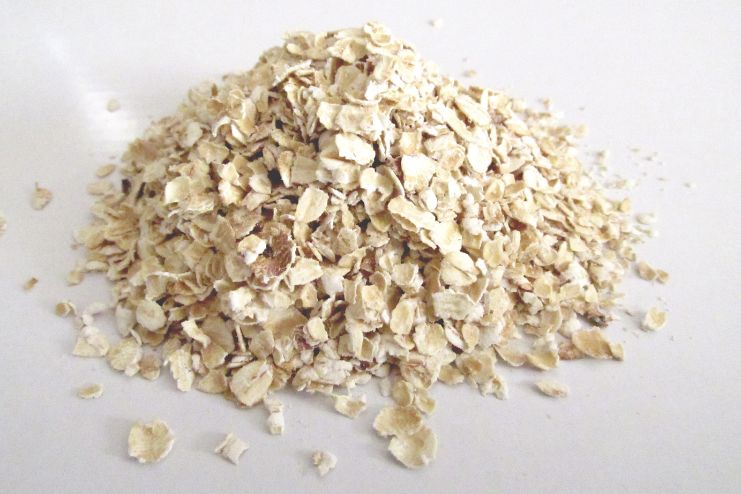
Both start the same: whole oat groats. These are the hulled, toasted kernels of the oat plant, intact, unprocessed, nutrient-rich. From here, it’s all about how they’re cut and cooked.
Steel-cut oats (also called Irish oats) are groats that have been chopped into two or three coarse pieces with steel blades. They’re the least processed, which gives them a dense texture and nutty flavor.
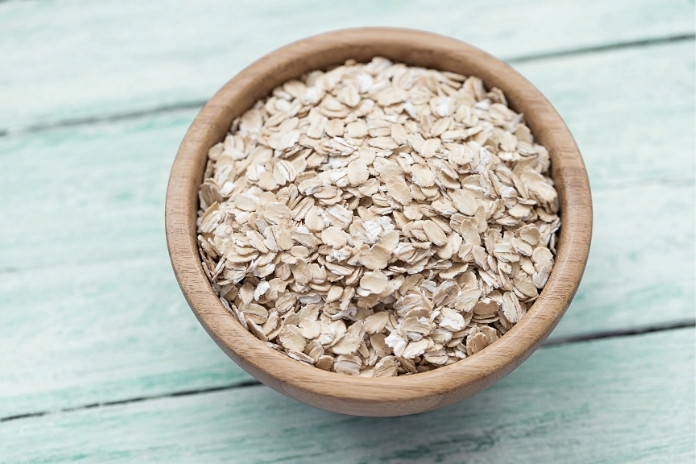
Rolled oats (aka old-fashioned oats) are steamed and then flattened with large rollers. This process softens the grain, making it cook faster and feel creamier in texture.
We’re skipping quick and instant oats here; they’re more processed and don’t hold up nutritionally the same way. The real comparison is between steel-cut and rolled oats, because these two retain the most fiber, texture, and slow-digesting carbs.
Appearance and Texture
Here’s how they stack up visually and on your plate:
- Steel-cut oats
- It looks like chopped-up grains of rice.
- Have a chewy and hearty texture.
- It takes about 20–30 minutes to cook.
- Rolled oats
- These are flat and wide flakes.
- These oats are creamier when cooked.
- Are ready in about 5–10 minutes.
If you like a thick, chewy bowl, steel-cut delivers. If you want something soft and easy, rolled oats win on convenience.
So Which One’s Better?
That depends on your priorities. If you’re after long-lasting fullness, stable energy, and slower digestion, steel-cut oats have the edge. But if speed, texture flexibility, or recipe versatility matters more, rolled oats are a solid choice.
Whichever you choose, you’re still getting one of the most nourishing breakfasts around. It’s not about right or wrong, it’s about what works best for your routine and your body.
Nutritional Comparison: Steel-Cut vs. Rolled Oats
Let’s get the numbers straight. According to the USDA and multiple nutrition databases, here’s how 40 grams (around ½ cup dry) of each variety compares:
 What These Numbers Mean
- Calories and macronutrients are almost identical.
- Fiber: Steel-cut oats have a slight edge in fiber, especially soluble fiber like beta-glucan, which plays a big role in cholesterol reduction and blood sugar control.
- Micronutrients like iron and magnesium differ by just a few milligrams.
Bottom line: both are nutrient-dense, but steel-cut’s minimal processing which helps it retain just a touch more fiber and texture.
Digestion and Satiety: Which Keeps You Full Longer?
Here’s where things get interesting. Even though steel-cut and rolled oats are nearly identical in calories and macros, your body reacts to them differently once they’re inside you, and that difference starts in the gut.
Slower Digestion = Longer Fullness
Steel-cut oats are chunkier and denser. Your body takes more time and effort to break them down. That slower digestion does three big things:
- Delays the rise in blood glucose: Instead of a quick spike and crash, you get a slow, steady release of energy.
- Extends satiety: That “I’m full” feeling lasts longer, which naturally helps reduce snacking and overeating.
- Improves appetite control: Slower digestion affects hormones like ghrelin (hunger) and peptide YY (satiety), giving your body stronger signals to pause between meals.
So it’s not just about fiber content, it’s also about the physical structure of the oats. The less processed they are, the more they make your digestive system work, and that’s actually a good thing.
Glycemic Index (GI) Comparison
Let’s talk numbers. The glycemic index (GI) ranks foods on how quickly they raise blood sugar after eating:
- Steel-cut oats: GI ~52
- Rolled oats: GI ~57
- Quick oats: GI ~65–70
- Instant oats: GI ~80+
Anything under 55 is considered low-GI. That puts steel-cut oats firmly in the “slow-release energy” zone. Rolled oats are still moderate-GI, but they digest faster, so you may feel hungry sooner.
Why does this matter?
- For people with diabetes or insulin resistance, lower-GI carbs help manage blood sugar more effectively.
- For anyone chasing steady energy (athletes, students, professionals), slow carbs = better focus, fewer crashes.
- For weight management, extended fullness helps reduce overall calorie intake, without forcing you to restrict.
Real-Life Impact
Let’s say you eat breakfast at 8:00 AM. With steel-cut oats, you may stay satisfied until lunchtime, even if that’s at 12:30. Rolled oats? You might start feeling snacky by 10:30 or 11. It’s subtle, but over weeks and months, that difference in satiety can shape your eating habits, and ultimately, your health goals.
Health Benefits of Both Types of Oats

No matter which form you choose, steel-cut or rolled, you’re getting the same foundational health benefits. That’s because both come from the same whole grain and retain key nutrients like fiber, plant compounds, and complex carbs. Here’s how oats work for your body:
A. Heart Health
Oats are a heart hero, plain and simple. The real star here is beta-glucan, a type of soluble fiber that forms a gel-like substance in your gut. This gel traps excess cholesterol and helps flush it out before it enters your bloodstream.
- Regular oat consumption is linked to lower LDL (bad) cholesterol and improved overall heart health.
- The FDA recommends at least 3 grams of beta-glucan per day to help reduce the risk of heart disease. A single serving of oats can provide up to half of that.
Both steel-cut and rolled oats deliver this benefit, no compromise here.
B. Blood Sugar Regulation
Because of their fiber and slow-digesting carbs, oats help keep blood sugar levels stable, especially important for people with prediabetes or type 2 diabetes.
- A 2019 review in Nutrientsfound that oat intake improves insulin sensitivity and post-meal blood sugar response.
- Less processed forms (like steel-cut oats) have a lower glycemic index, making them even more effective at blunting sugar spikes.
Whether you’re managing diabetes or just avoiding that mid-morning energy crash, oats help you stay balanced.
According to a 2022 study published in Frontiers in Nutrition, oat β-glucan significantly improves post-meal blood sugar levels and insulin sensitivity, especially in individuals with prediabetes and type 2 diabetes. The researchers emphasized that regular oat consumption, particularly in less processed forms, can be a valuable dietary strategy for glycemic control.
C. Weight Management
Oats aren’t magic, but they’re close when it comes to managing hunger and calorie intake.
- High in fiber and naturally low in calories, oats keep you full longer, especially when paired with protein or healthy fat.
- Multiple studies show that people who eat oats for breakfast tend to consume fewer calories later in the day.
This makes oats one of the best morning meals if you’re aiming to lose weight or maintain it without constant cravings.
D. Gut Health
Oats do more than just pass through your digestive system; they actively feed it.
- Oats act as prebiotics, which means they nourish the good bacteria in your gut, particularly strains like Bifidobacteria.
- A healthier gut microbiome means better digestion, stronger immunity, and even improved mood and mental clarity.
That’s a pretty big return for a humble bowl of oatmeal.
Dr. Hannah Holscher, PhD, RD, Assistant Professor of Nutrition and Gut Microbiome Researcher at the University of Illinois, explains: “Oats contain prebiotic fibers like beta-glucan that support the growth of beneficial gut bacteria, including Bifidobacteria. This contributes to improved digestion, immune function, and even mental well-being.”
E. Anti-Inflammatory and Antioxidant Properties
Oats are one of the few grains that naturally contain avenanthramides, a unique group of antioxidants.
- These compounds help reduce inflammation, lower blood pressure, and improve blood vessel function.
- And yes, avenanthramides survive the processing involved in both steel-cut and rolled oats.
So whichever one you choose, you’re getting an anti-inflammatory boost with every bite.
Read More: 15 Oats Benefits (Health, Skin and Hair) – The Healthiest Grains On Earth!
Cooking and Texture: Taste-Test Showdown

Cooking oats isn’t just about nutrients; it’s about how they feel in your mouth, how fast they hit the table, and how well they work in your favorite recipes. Steel-cut and rolled oats behave very differently in the kitchen, and here’s how they stack up.
1. Texture
- Steel-Cut Oats: Dense and chewy, with a distinct bite. You feel every grain.
- Rolled Oats: Soft and smooth. Creamier, almost porridge-like when cooked.
2. Flavor
- Steel-Cut Oats: Deep, nutty, and earthy. Holds its own, even in savory dishes.
- Rolled Oats: Milder and more neutral. Easily absorbs the flavor of other ingredients.
3. Cooking Time
- Steel-Cut Oats:
- Stovetop: 20–30 minutes
- Soaked overnight: 10–15 minutes
- Pressure cooker: 5–7 minutes
- Rolled Oats:
- Stovetop: 5–10 minutes
- Microwave: 1–2 minutes
- No-cook: Ready after overnight soak
4. Best Uses
- Steel-Cut Oats:
- Hearty breakfast bowls
- Savory risotto-style dishes
- Make-ahead hot porridge
- Rolled Oats:
- Overnight oats
- Smoothies and baked goods
- Pancakes, granola, energy bites
The Verdict
- Steel-cut oats win on texture and richness. Great when you want a hearty, slow breakfast or a grain-forward dish that holds its shape.
- Rolled oats win on speed and versatility. Ideal for busy mornings, meal-prep, and any recipe where you want oats to blend in, not stand out.
Let’s match them to your goals:
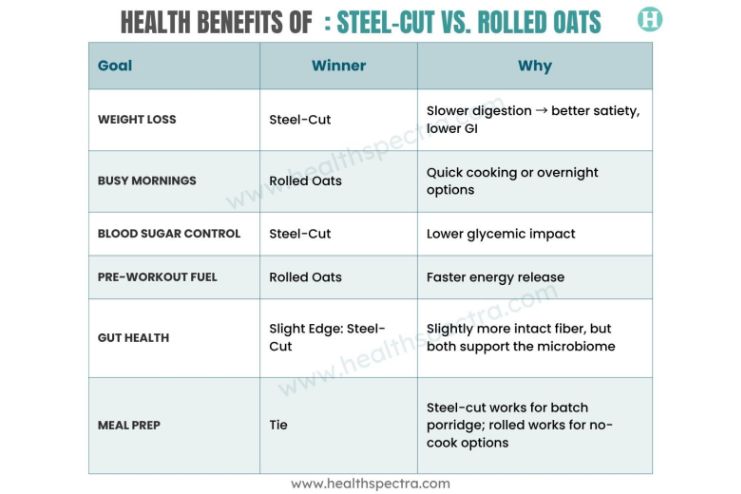 In short, steel-cut is the better choice for long-term satiety and blood sugar control, while rolled oats are the go-to for convenience and pre-workout fuel.
How to Choose Based on Your Goals and Lifestyle

Both oats are solid choices, but depending on your schedule, preferences, and health goals, one might fit better into your day. Here’s how to decide without overthinking it.
1. Time Constraints
If your mornings are rushed and you’re usually juggling tasks before breakfast:
- Rolled oats are your friend. They cook fast, work well overnight, and are ready in minutes.
- Steel-cut oats take longer, but if you’ve got time on weekends, batch-cook a few servings and keep them in the fridge. Reheat with a splash of milk and you’re good all week.
Pro tip: Pressure cookers or Instant Pots make steel-cut oats nearly as quick as rolled.
2. Texture Preferences
What you want your oats to feel like matters more than you think.
- Steel-cut oats: Chewy, grainy, and satisfying, like eating a hearty grain bowl.
- Rolled oats: Smooth, soft, and comforting, classic porridge vibes.
If you want bite and texture, go steel-cut. If you want creamy and gentle, go rolled.
3. Health Goals
Your body’s needs can help you decide which oat gives you more value:
- Managing blood sugar?Steel-cut oats digest more slowly, cause a smaller spike in glucose, and work better for those with insulin resistance or type 2 diabetes, especially when paired with protein and fat.
- Focusing on fullness and fiber?Steel-cut oats give you slightly more soluble fiber and keep you full longer. They’re ideal if you’re trying to reduce snacking or manage weight.
- Need fuel before a workout?Rolled oats digest a little quicker, giving you usable energy without the heaviness. Great for pre-gym carbs.
According to the Harvard T.H. Chan School of Public Health, steel-cut oats have a lower glycemic index, typically in the low 50s, compared to rolled oats, which fall in the mid 50s. This slower digestion helps minimize blood sugar spikes and keeps you fuller for longer, making steel-cut oats ideal for blood sugar regulation and satiety.
4. Cooking + Recipe Flexibility
Rolled oats win when it comes to creativity in the kitchen:
- Use them in baked goods, energy balls, smoothies, cookies, pancakes, and granola bars.
- They blend easily and disappear into almost any texture.
Steel-cut oats, on the other hand, hold their structure. That makes them perfect for:
- Savory bowls (like a risotto made with oats).
- Soups and stews (they add thickness without falling apart).
- Make-ahead porridge with toppings like nuts, eggs, or roasted veggies.
If speed and versatility matter more, rolled oats are the easy choice. If you’re in it for texture, satiety, or blood sugar balance, steel-cut oats give you more in return. Either way, you’re eating smart; you’re just matching your oats to your lifestyle.
Read More: Gut-Friendly Overnight Oats with Berries: A Probiotic Breakfast
What About Quick or Instant Oats?
They’re convenient, but here’s the downside:
- Highly processed, leading to a higher glycemic index.
- Less beta-glucan due to extra steaming.
- Shorter satiety window → hungry again sooner.
Use them in a pinch, but don’t rely on them as your go-to.
Storage, Shelf Life and Cost
- Shelf Life: Rolled oats last 12 months in the pantry. Steel-cut oats can last up to 2 years when stored airtight.
- Cost: Steel-cut oats are slightly more expensive due to processing and packaging (~10–20% more).
- Storage Tip: Keep both in sealed jars or containers to protect from moisture and pests.
Easy Recipes to Try

Tired of plain oats? These recipes keep the health benefits but bring flavor, variety, and real satisfaction. Whether you’re batch-prepping breakfast, grabbing something quick, or fueling up post-workout, oats can adapt. The key is how you use them. Let’s walk through four smart, simple ways to make oats work harder for you.
1. Steel-Cut Oat Porridge
Method:
- In a saucepan, boil 3 cups of water or milk.
- Add 1 cup steel-cut oats and a pinch of salt.
- Simmer on low for 20–25 minutes, stirring occasionally.
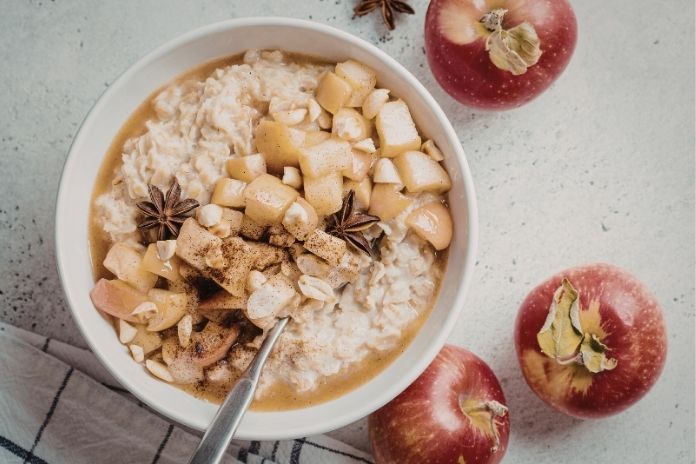
- Top with cinnamon, chopped walnuts, and sliced apple or berries.
Why: Steel-cut oats are the least processed form, with more fiber, more chew, and lower glycemic impact. Keeps you full for hours. Perfect for batch-cooking your breakfast for the week.
2. Rolled Oats Overnight Bowl
Method:
- In a jar, mix ½ cup rolled oats, ½ cup milk, ¼ cup Greek yogurt, 1 tbsp chia seeds, and 1 tsp honey.
- Stir well and refrigerate overnight.
- Add sliced banana or berries in the morning.
Why: Zero morning prep. Chia seeds add healthy fats, yogurt adds protein, and oats give slow-burning carbs. Great for gut health and stable energy all morning.
3. Oat and Banana Blender Pancakes
Method:
- Blend 1 ripe banana, ½ cup rolled oats, 1 egg, ¼ tsp baking powder, and a splash of milk.
- Pour onto a greased pan and cook each side for 2–3 minutes.
- Serve with nut butter or a drizzle of honey.
Why: A smart twist on pancakes, no flour, no sugar, all whole food. Oats + banana = fiber and potassium; egg = protein. Great post-workout breakfast or snack.
4. Oatmeal Smoothie for On-the-Go Fuel
Method:
- Blend ½ cup rolled oats, 1 cup milk (or almond milk), ½ banana, 1 tbsp peanut butter, and a pinch of cinnamon.
- Optional: add a scoop of protein powder or a few ice cubes.
Why: You’re getting carbs, healthy fat, and protein in one glass. Oats add thickness and sustained energy, while banana and nut butter keep it satisfying. Great for mornings when you’re running out the door.
Final Verdict: Which One Should You Choose?
Here’s the thing: both steel-cut and rolled oats are great choices. Nutrient-wise, they’re nearly neck and neck. The difference lies in texture, prep time, and how your body handles them.
If your goal is better blood sugar control, longer-lasting fullness, or gut-friendly fiber, steel-cut oats come out slightly ahead. They take longer to cook, but they also stick with you longer.
If you’re short on time, need a quick breakfast, or like the ease of overnight prep, rolled oats are your go-to. They’re just as nutritious, with way more convenience.
So don’t think of this as a battle, think of it as a toolkit. Use steel-cut when you can. Lean on rolled oats when you need speed. Rotate them based on your day, your hunger, and your goals.
Bottom line? Oats are underrated, affordable, and incredibly versatile. However you eat them, you’re doing something smart for your body.
References
- https://www.webmd.com/diet/health-benefits-steel-cut-oats
- https://www.healthline.com/nutrition/rolled-vs-steel-cut-oats
- https://www.medicalnewstoday.com/articles/rolled-vs-steel-cut-oats
- https://kaynutrition.com/steel-cut-vs-rolled-oats/
- https://www.goodrx.com/well-being/diet-nutrition/steel-cut-vs-rolled-oats
- https://nuts.com/healthy-eating/steel-cut-vs-rolled-oats
- https://www.eatingwell.com/article/7989862/steel-cut-rolled-or-instant-oats-which-is-the-healthiest/
- https://www.healthline.com/nutrition/9-benefits-oats-oatmeal
- https://pmc.ncbi.nlm.nih.gov/articles/PMC8625765/
- https://www.nike.com/in/a/health-benefits-of-oatmeal
- https://www.medicalnewstoday.com/articles/rolled-vs-steel-cut-oats
- https://rightshift.in/blogs/right-nutrition/health-benefits-of-oats.html
- https://www.healthline.com/nutrition/rolled-vs-steel-cut-oats
- https://www.webmd.com/diet/health-benefits-oatmeal
- https://wingreensharvest.com/blogs/news/7-oats-benefits-health-benefits-of-eating-oatmeal
In this Article