









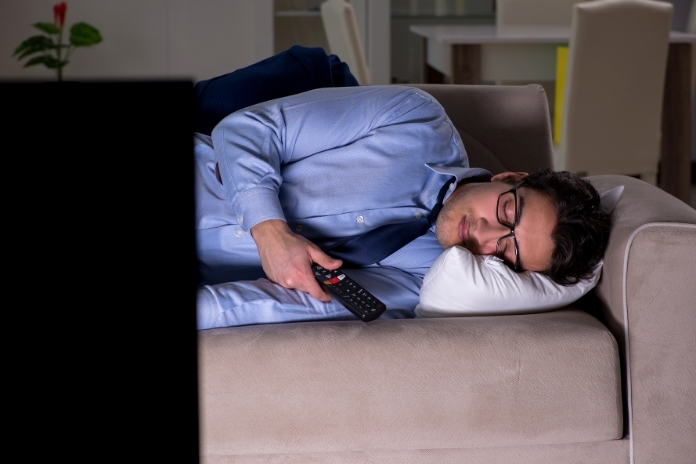
On most nights, you crawl into bed after a long day, switch on your favorite comfort show, let the scenes play softly in the background, and drift off almost instantly. You are not alone. For many people, this is more than a habit; it is a sleep ritual.
Millions depend on such a routine night after night, as sleeping with the TV on is comforting. It is a great distraction, noise buffer, and quick fix for racing thoughts. The familiarity of voices and visuals can make falling asleep feel easier, especially when you are under stress.
The truth, though, is surprising. Even as harmless as the TV might seem, sleeping with it on runs deeper than most of us realize. Artificial light, unpredictable audio, and screen stimulation may interfere with melatonin production, the circadian rhythm, and sleep depth. All these elements will affect how restored and fresh you feel the next day. However, this raises the big question that many people quietly wonder: Is it bad to sleep with the TV on?
In this article, we’ll break down the science behind what’s happening to your brain and body when you sleep with the TV on. We will also learn about the health risks associated with the practice and discuss a few simple and practical options to help you stop sleeping with the TV on and improve sleep quality.
You will also learn about blue light and sleep disruption, poor sleep hygiene, and inconsistent noise interference with your repair cycles at night, as well as its impact on your overall well-being.
Read More: Is Your Home Too Loud? How Constant Noise Pollution Impacts Sleep and Anxiety
Key Takeaways — What You’ll Learn
- Sleeping with the TV on keeps the brain partially alert. This disrupts sleep cycles and affects hormonal balance.
- The effects of sleeping with the TV on go far beyond restlessness. The habit impacts metabolism, emotional health, heart health, and immune function.
- This article explains step-by-step strategies for stopping sleep with the TV on, improving TV and sleep quality, and using proven sleep hygiene tips to rest better.
- You will understand how melatonin and artificial light, background noise, sleep science, blue light, and sleep disruption influence your nightly recovery.
What Happens When You Sleep With the TV On
1. Your Brain Stays Semi-Alert
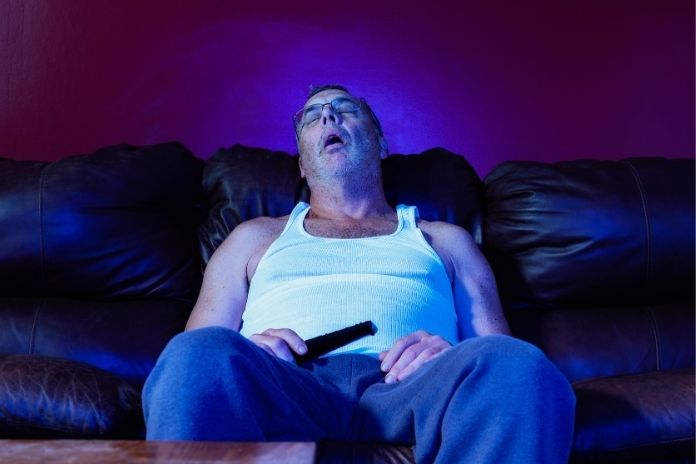
Even when you close your eyes, the brain never really powers down, especially when the TV is on. The auditory cortex continues to process dialogue, background music, sudden sound effects, and volume fluctuations. All this keeps your brain in a state of partial vigilance.
Neurologically, the brain is set to respond to uneven environmental stimuli. These can include tone of voice, jarring scenes, and rapid transitions. The result is the micro-arousals pulling you out of deeper stages of sleep. Interruptions like these degrade TV and sleep quality by reducing slow-wave sleep and disrupting REM cycles.
According to background noise sleep science, humans can sleep well with constant, predictable sound. However, TV audio can be irregular and cognitively stimulating. This is why sleeping with the TV on often leaves people feeling less rested, even when they sleep 7–8 hours.
2. Light Exposure Disrupts Melatonin Production
The biggest concern about sleeping with the TV on is blue light and sleep disruption. Televisions emit blue and white wavelengths that disrupt circadian timing by suppressing melatonin release. Even small amounts of artificial light signal to the brain that it is still daytime, thereby delaying sleep onset and reducing the depth of sleep.
Lower melatonin levels lead to irregular sleep cycles, frequent waking, and poor overnight repair. Over time, this can shift your circadian rhythm, affecting metabolism, hunger hormones, mood regulation, and energy levels.
“Blue light from phones, TVs, LED lights, or any light source, signals the brain that it’s daytime,” explains Dr Ravi Sankar Erukulapati, consultant endocrinologist at Apollo Hospitals, Hyderabad, India, adding, “This confuses the body’s natural clock and alters hormone timing, especially those regulating sleep, stress, and metabolism.”
That’s why specialists everywhere warn: Is it bad to sleep with the TV on? Yes, artificial light, especially blue light, represents one of the main disruptors of biological sleep timing.
3. Fragmented Sleep Affects Cognitive and Emotional Health
When sleep is fragmented, your brain can’t complete the critical nighttime processes. REM cycles are affected, making it harder to consolidate memories, and emotional regulation is also disrupted.
These disturbances often explain why people who often sleep with the TV on sometimes feel irritable, mentally foggy, have slower reaction times, and show less resilience against stress.
Fragmented sleep can also make you prone to anxiety and low mood over time. That is why improving TV and sleep, reducing unnecessary stimulation, and following sleep hygiene tips for better rest are critical for mental health.
Read More: Unplug and Recharge: The Benefits of a Digital Detox for Mental Well-Being
Health Risks Related to Sleeping With the TV On
1. Weight Gain and Metabolic Changes
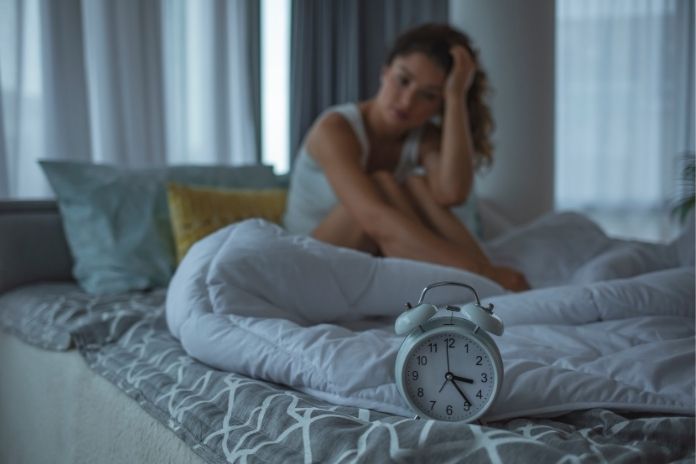
One interesting effect of sleeping with the TV on is its impact on weight. A study found that sleeping with exposure to room light or television increases the risk for weight gain and obesity. When melatonin is suppressed, hormones such as leptin and ghrelin, which regulate hunger and satiety, become unbalanced.
This impacts metabolism, appetite regulation, and glucose control. So, sleeping with the TV on not only disrupts rest, but it also disrupts your biological energy balance.
2. Heart Health and Blood Pressure
Sleep disturbances from sound and light exposure may increase cortisol levels, contributing to chronic stress. Over time, these changes activate sympathetic nervous system activity – the body’s “fight or flight” response. This increases heart rate and blood pressure.
Chronic disruption has been associated with cardiovascular strain and inflammation. This is one of the most overlooked risks when questioning whether it is bad to sleep with the TV on. For heart health, the answer is generally yes.
3. Immune Function and Hormonal Imbalance
Deep sleep is a state in which the immune system repairs tissues, regenerates cells, and releases essential hormones. If sleep continues to be disrupted, the body’s immune system becomes weak, leading to increased inflammation and hormonal fluctuations.
Artificial light exposure further disrupts endocrine cycles, affecting reproductive, thyroid, and stress hormones.
So, the effects of sleeping with the TV on go far beyond nighttime rest and impact long-term immune balance and systemic function.
Why People Sleep Better With Background Noise
Although science might argue otherwise, people often insist that they sleep better with background noise. The TV reassures them of safety, serves as a good distraction, and gives them company. For a person suffering with anxiety, intrusive thoughts, loneliness, or PTSD, the predictability of a show is psychologically soothing.
But here is the catch: where the comfort is real, the noise is inconsistent. It triggers micro-arousals and overstimulation, weakening TV and sleep quality. Alternatives based on background noise sleep science, such as white noise or brown noise, offer the same comfort sans hormonal or neurological disruption.
Healthier Alternatives to the TV for Falling Asleep
1. Use White Noise or Sleep Sounds
White, pink, or brown noise is predictable and even, making it ideal for masking environmental sounds without stimulating the brain. Sound machines or apps can help you fall asleep faster while avoiding blue light and sleep disruption.
It replaces chaotic TV noise with a stable frequency that improves TV and sleep quality by allowing deeper sleep cycles.
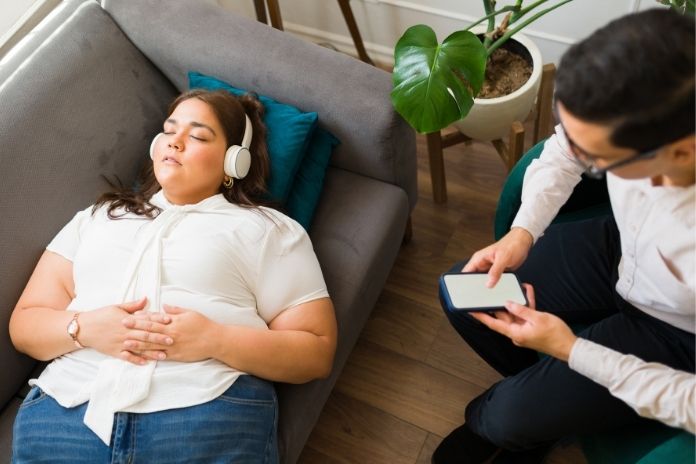
2. Try Guided Sleep Meditations or Audiobooks
Guided sleep meditations offer slow, soothing cadences that calm the nervous system. Similarly, audiobooks narrated softly can help reduce anxiety at night. Both are great alternatives for anyone wondering how to stop sleeping with the TV on without sacrificing sound quality.
3. Adjust Your Evening Routine
A solid evening routine aligns with circadian rhythms and naturally improves sleep. Consider:
- Dimming lights 60 minutes before bedtime
- Avoiding all screens
- Doing light stretching or breathwork
- Reading or journaling
These sleep hygiene tips for better rest help counteract the negative effects of sleeping with the TV on and rebuild healthy sleep cues.
4. If You Must Use a TV — Set Boundaries
Some people have trouble sleeping without the familiar sound of the TV. If this is the case, focus on a few tips:
- Use a sleep timer
- Lower brightness and volume
- Turn on “Night Mode” or warm color settings.
Choose slow, calm, and predictable content. These changes reduce melatonin levels and artificial light disruption, enabling your brain to switch into deeper rest.
Read More: What Happens When You Sleep Before 10 PM Daily
Quick Recap – A Simple Habit With Big Sleep Consequences
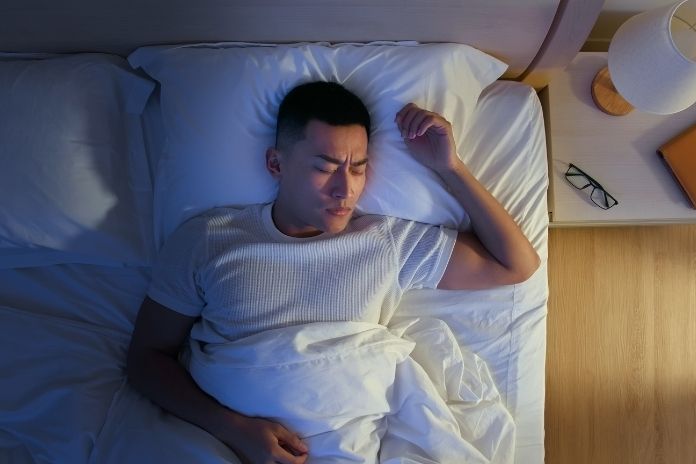
The comfort of sleeping with the TV on is real, but its biological cost is high. Artificial light suppresses melatonin, unpredictable noise fragments sleep cycles, and disrupted rest affects metabolism, mood, and immune function. Ultimately, the long-term health effects from sleeping with the TV on will add up.
If you’re asking, is it bad to sleep with the TV on? Well, science strongly says yes. Replacing screen habits at night with white noise, guided meditation, an audiobook, or a structured wind-down routine significantly improves both TV and sleep quality.
You may consider using the tips in this guide to build healthier sleep patterns. Try to reduce blue light and sleep disruption, and adopt sleep hygiene tips for better rest. And if breaking the habit feels overwhelming, start small. Even turning on a sleep timer is a powerful first step in the right direction. Sleep well, rest better!
References
- PositivePsychology.com. (n.d.). Sleep meditations: Guided practices for better rest. Retrieved from
- Cajochen, C. (2007). Circadian and light effects on human sleepiness-alertness. ResearchGate.
- WebMD. (n.d.). Pink noise for sleep: Can it help you rest better?
- Health.com. (n.d.). Falling asleep with the TV on: Does it affect your sleep?
- National Institutes of Health. (2019). Artificial light during sleep linked to obesity.
In this Article