













Menopause doesn’t just mark the end of menstrual cycles; it often disrupts one of the most basic pillars of health: sleep. For many women, the transition feels like a perfect storm for restless nights. Research suggests that anywhere from 35% to 60% of women experience significant sleep disturbances during and after menopause.
The complaints are wide-ranging: some struggle to fall asleep, others wake up multiple times a night drenched in sweat, and many find themselves lying awake at 3 a.m. with racing thoughts. Behind these issues are several interconnected factors: fluctuating estrogen and progesterone, hot flashes and night sweats, rising rates of anxiety or depression, and the increased prevalence of sleep disorders like insomnia, restless legs syndrome, and sleep apnea with age.
The impact of chronic poor sleep goes beyond next-day fatigue. It can weaken memory, concentration, mood, and immunity, while raising the risk of heart disease, diabetes, and weight gain. In this article, we’ll break down why menopause disrupts sleep, the most common problems women encounter, and the practical, evidence-based strategies that can help restore rest and balance.
Why Menopause Affects Sleep
Two hormones fall dramatically during midlife, and that matters: estrogen and progesterone. Estrogen helps regulate body temperature and certain neurotransmitters (including serotonin) that support sleep continuity. When estrogen drops, thermoregulation becomes unstable, and the brain becomes more reactive to small temperature shifts, which is one reason hot flashes and night sweats wake people up.
Progesterone and its neuroactive metabolite allopregnanolone act on GABA-A receptors, exerting mild sedative and sleep-promoting effects. When progesterone falls, its calming effect diminishes, disrupting temperature and chemical balance and leading to lighter, more fragmented sleep.
“As hormones shift, the brain’s thermoregulatory set point and mood circuitry change, and sleep suffers,” says Hadine Joffe, MD, a leader in menopause research who’s written extensively on sleep in midlife women.
Read More: How Hormones Impact Your Sleep Cycle at Every Age
Common Sleep Problems in Menopausal Women

Sleep problems during menopause rarely come as a single isolated issue. Most women face a cluster of symptoms that interact and amplify each other, making it difficult to achieve restful nights. The most common culprits include insomnia, hot flashes with night sweats, and shifts in mood or anxiety.
Each of these can independently fragment sleep, but together they create a cycle where poor rest worsens symptoms, further disrupting sleep. Understanding these patterns is the first step toward breaking the cycle.
A. Insomnia (difficulty falling or staying asleep)
Insomnia is very common at menopause: many women report trouble initiating sleep or frequent night wakings that leave them feeling exhausted the next day. Insomnia in midlife is often tied to hyperarousal (worrying about sleep), fragmented sleep from night sweats, and coexisting mood problems. When insomnia lasts at least three nights per week for three months and causes daytime impairment, it meets the criteria for chronic insomnia disorder and should be treated actively.
B. Hot flashes and night sweats
Sudden heat surges, also called vasomotor symptoms, are a classic sleep disruptor. Nocturnal hot flashes can occur during REM or deep sleep and fragment sleep architecture, causing repeated awakenings and poor sleep efficiency. For many women, reducing the frequency and severity of hot flashes is the single most effective way to restore sleep continuity.
C. Mood and anxiety disorders
Perimenopause and early postmenopause are high-risk times for mood disruptions. Anxiety and depressive symptoms both disturb sleep and make falling back to sleep more difficult after an awakening. Importantly, mood problems are not purely “hormonal” – life stressors, prior psychiatric history, and sleep loss itself all interact, but treating mood and sleep together produces better outcomes than treating them separately.
Health Risks of Poor Sleep After Menopause
Chronic poor sleep is not just an irritation; it increases measurable health risks. Persistent insomnia and fragmented sleep have been linked to higher cardiovascular risk (worse blood pressure, lipids, and incident heart disease), weight gain and worsening insulin resistance, and, in a growing body of research, markers of cognitive decline later in life.
Midlife is a critical window: sleep problems during menopause often coexist with metabolic and vascular changes that raise long-term disease risk, so addressing sleep is part of preventing bigger problems down the road.
Natural Ways to Improve Sleep
Medication isn’t the only option for menopausal sleep problems. In fact, many women find major relief by making practical changes to daily habits and routines. The good news is that these strategies often improve overall health while also improving sleep.
From cooling the bedroom and sticking to a consistent schedule to exploring nutrition, gentle supplements, and stress management techniques, small adjustments can add up to big improvements. While not every approach works for everyone, starting with natural methods provides a safe, effective foundation and gives you tools you can control tonight.
A. Lifestyle and sleep hygiene (what to do tonight)
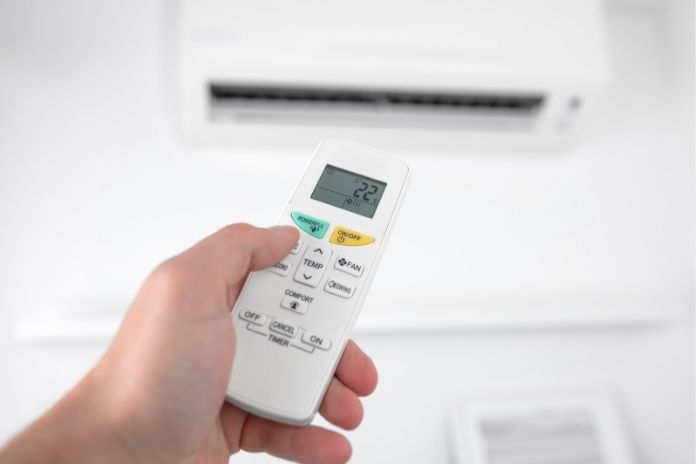
- Cool the bedroom. Your body needs to drop core temperature to fall and stay asleep; keep the bedroom comfortably cool (many recommend ~60–68°F / 15–20°C) and use breathable bedding.
- Stick to a schedule. Go to bed and wake up daily at the same time to anchor circadian rhythms.
- Wind down early. Avoid bright screens and heavy mental work for an hour before bed; use a calming routine (reading, warm shower, gentle stretching).
- Limit evening caffeine and alcohol. Caffeine fragments sleep, and alcohol worsens nighttime awakenings, even if it initially makes you sleepy.
- Exercise regularly, but not right before bedtime. Strength training and moderate aerobic activity help sleep over time; try to finish vigorous workouts at least 2–3 hours before bed.
“Your room should be dark. It should be quiet. And it should be cool,” says Dr. Monica Christmas, MD, an OB/GYN and director of the Menopause Program with the University of Chicago Medicine. Also, it’s a good idea to keep the electronics out of your bedroom, so you won’t have distractions that stimulate your brain.
Good sleep habits are the foundation. When hot flashes are the driver, environmental and behavioral steps (removing cooling mattress covers, fans, layered bedding, etc.) can reduce the number of awakenings.
Read More: The Importance of Sleep Hygiene: Creating Your Ideal Sleep Environment
B. Nutrition and supplements (what helps some people)
- Melatonin or melatonin agonists (ramelteon): Low-dose melatonin or prescription melatonin receptor agonists have shown benefit for sleep onset and sleep quality in older adults and some menopausal women; they’re generally short-term, low-risk options when used appropriately.
- Magnesium and herbal teas (chamomile, valerian): Evidence is mixed. Small trials suggest modest sleep improvements for some women, but the data aren’t strong enough to promise a cure. If you want to try supplements, choose third-party-tested products and discuss effects with your clinician.
Read More: Magnesium Before Bed: TikTok’s Favorite Sleep Hack, Explained by Science
C. Stress management
Mindfulness meditation, breathing exercises, progressive muscle relaxation, and short evening journaling all reduce pre-sleep rumination and help people fall back to sleep after they wake up. For insomnia tied to racing thoughts, these techniques plus CBT-I (below) produce meaningful, lasting gains.
Medical Treatments (when lifestyle isn’t enough)

Hormone replacement therapy (HRT) remains the most effective treatment for hot flashes and night sweats and often improves sleep when those vasomotor symptoms are the cause. Guidelines emphasize that individualized decision-making, age at initiation, time since menopause, personal and family medical history, and treatment goals matter for weighing benefits and risks.
“Hormone therapy remains the most effective treatment for vasomotor symptoms,” notes the North American Menopause Society’s guidance. Discuss HRT risks (breast cancer, clotting, stroke) and benefits with your clinician.
If HRT isn’t appropriate or desired, several non-hormonal options can reduce hot flashes and improve sleep:
- SSRIs/SNRIs (low-dose paroxetine, escitalopram, venlafaxine), reasonably effective for vasomotor symptoms and sometimes helpful for sleep, particularly when mood symptoms coexist.
- Gabapentin reduces hot flashes and has a sedating effect that can improve nighttime awakenings; it is useful when sleep fragmentation is linked to vasomotor symptoms.
- NK3 receptor antagonists (fezolinetant/Veozah and other agents), a new class of nonhormonal drugs that reduce VMS and can improve sleep quality for many women; they expand options for those who can’t take hormones, though some require safety monitoring.
Cognitive behavioral therapy for insomnia (CBT-I) is a first-line, durable, non-drug treatment for chronic insomnia and works well in menopausal women. A randomized trial of telephone-based CBT-I demonstrated significantly larger and sustained improvements in insomnia severity compared with an education control, with benefits lasting months after therapy ended.
Ask your clinician about CBT-I referrals or validated online/telehealth programs if access is limited.
When to See a Doctor
See a clinician if you have any of the following:
- Insomnia that occurs ≥3 nights per week and lasts >3 months or causes daytime impairment.
- Hot flashes or night sweats are severe enough to wake you multiple times nightly.
- Loud snoring, choking/gasping at night, excessive daytime sleepiness, morning headaches, or witnessed apneas these can be signs of obstructive sleep apnea, which becomes more common after menopause and requires sleep-study evaluation.
- Mood changes or functional decline linked to poor sleep.
Early evaluation lets you diagnose treatable sleep disorders (OSA, restless legs, primary insomnia) and start targeted therapy rather than layering sedatives that might mask an underlying problem.
FAQs
How long do sleep problems last after menopause?
It varies. For many women, sleep disruption improves as hot flashes wane over several years; for others, chronic insomnia or sleep apnea requires direct treatment. Studies show vasomotor symptoms and sleep complaints often persist for several years in a substantial minority.
Does HRT cure insomnia?
HRT often improves sleep when hot flashes are the main cause, but it’s not a guaranteed cure for insomnia driven by anxiety, circadian problems, or sleep apnea. Decisions about HRT should be individualized.
Are natural remedies safe for postmenopausal women?
Some, like melatonin or chamomile, are considered low-risk for short-term use, though evidence is mixed. Because supplements can interact with medications and aren’t regulated like drugs, check with your clinician before starting any supplements.
Can weight gain worsen sleep issues?
Yes. Central weight gain increases the risk of obstructive sleep apnea and may worsen sleep fragmentation. Maintaining a healthy weight and regular exercise helps sleep and metabolic health.
Conclusion
Sleep problems after menopause are common, but they don’t have to be something you simply “live with.” The first step is often the simplest: reinforcing healthy sleep hygiene. Keeping your room cool, sticking to a consistent schedule, and cutting back on evening alcohol or caffeine can set the stage for better nights.
If hot flashes or night sweats are the main culprits, addressing vasomotor symptoms, through hormone therapy when appropriate, or non-hormonal medications and lifestyle adjustments, can make a dramatic difference.
For women dealing with persistent insomnia, cognitive behavioral therapy for insomnia (CBT-I) remains the gold standard, offering long-lasting results without the side effects of sleep medications. And it’s important not to overlook other medical conditions: if you’re experiencing loud snoring, gasping at night, or overwhelming daytime fatigue, evaluation for sleep apnea or another sleep disorder is essential.
The bigger picture is this: good sleep is not a luxury in midlife. It is one of the cornerstones of protecting your cardiovascular health, cognitive function, mood, and overall quality of life. Consult with your clinician about your specific symptoms, health risks, and goals. With the right strategies in place, restful sleep is possible again, and it can change how you feel every single day.
References
- https://www.hopkinsmedicine.org/health/wellness-and-prevention/how-does-menopause-affect-my-sleep
- https://pmc.ncbi.nlm.nih.gov/articles/PMC9190958/
- https://www.sleepfoundation.org/women-sleep/menopause-and-sleep
- https://kangaroocareindia.com/blogs/sleep-struggles-during-menopause-how-to-get-a-better-nights-rest/187
- https://pmc.ncbi.nlm.nih.gov/articles/PMC9998056/
- https://www.sciencedirect.com/science/article/pii/S0092867423009054
- https://www.who.int/news-room/fact-sheets/detail/menopause
- https://www.womenshealthservices.com/blog/how-does-menopause-affect-sleep
- https://mcpress.mayoclinic.org/menopause/cant-sleep-how-menopause-can-contribute-to-sleep-problems/
- https://www.sleepstation.org.uk/articles/health/menopause-and-sleep/
- https://menopause.org.au/hp/information-sheets/menopause-and-sleep
- https://www.templehealth.org/about/blog/menopause-and-sleep
- https://www.hingehealth.com/resources/articles/menopause-and-sleep/
- https://www.womens-health-concern.org/wp-content/uploads/2025/08/17-NEW-WHC-FACTSHEET-Menopause-and-Insomnia-AUGUST2025-A.pdf
- https://www.chronobiologyinmedicine.org/m/journal/view.php?number=182
- https://www.mdpi.com/2077-0383/14/5/1479
- https://www.joinmidi.com/post/menopause-insomnia
In this Article