















We feel disoriented and delusional after a few pints of beer or our favorite alcohol, and that’s pretty common. However, in certain cases, we feel drunk even though we haven’t had any alcohol. This general feeling of confusion sometimes happens after you wake up and it mostly feels like a hangover (minus the alcohol)!
Did you, too, ever wake up so confused that you feel drunk, mixed-up, or disconnected from reality? That dreamy, hazy confusion is real and has a title: sleep drunkenness, or confusional arousals. It’s worse than feeling just drowsy from a lousy night’s sleep. Sleep drunkenness may be shocking, even frightening, and for some people, it’s a regular waking episode.
In this article, we explain the meaning of sleep drunkenness, why it occurs, what it feels like, and when it could indicate a larger issue. More significantly, we’ll walk you through how to decrease your likelihood of waking up in that confused state and when to get expert guidance.
Read More: Lying in Bed for Hours and Can’t Sleep? Here’s What Sleep Experts Recommend
What Is Sleep Drunkenness?
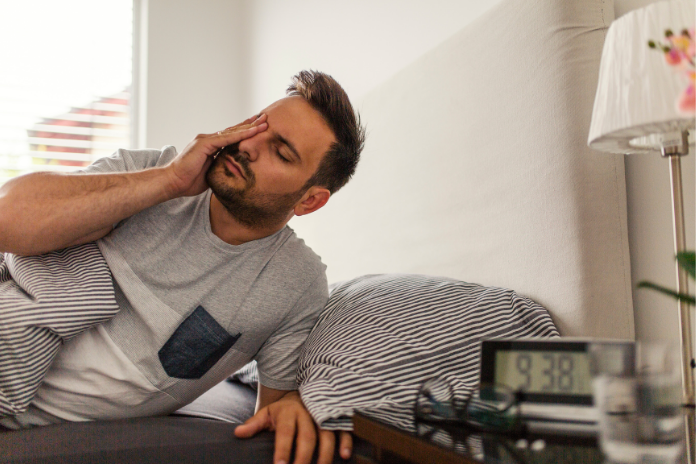
Sleep drunkenness, or confusional arousals, is a form of non-REM parasomnia, a sleep disorder characterized by unwanted experiences or behaviors during the non-dream phases of sleep. In an attack, an individual wakes up only partially and not at all, with their brain in a drowsy, confused state.
It typically happens when a person is suddenly jolted out of a slow-wave sleep, the most restorative stage of non-REM sleep. During this stage, it is tough to wake-up the brain, and when it does, it doesn’t seamlessly shift into full wakefulness. Instead, it creates a brief mismatch: the body is technically awake, but the brain isn’t fully online.
Episodes can be as short as a few seconds or drag on for several minutes. A person may sit up in bed, gaze blankly about, make unusual sounds, or appear unresponsive to questions. They may later recall nothing about the episode.
Read More: This One Nighttime Habit Changed My Sleep and My Stress
Common Symptoms of Sleep Drunkenness
If you’ve had sleep drunkenness, you may identify the following signs:
- Disorientation or Confusion: You may not recognize where you are, what time it is, or what’s going on around you.
- Memory Fog: You may have difficulty remembering simple information, such as where you dozed off.
- Slurred or Slowed Speech:It may be hard to speak clearly, and thoughts may feel jumbled.
- Clumsiness:You may have reduced coordination, run into things, or move slowly.
- Irritability or Aggression:In some instances, individuals become irritable or irate during an episode.
- Amnesia of the Episode: After the episode, you may not recall anything about what transpired.
These attacks can occur after you wake up late at night or on waking up to an alarm in the morning. They’re most likely to occur when sleep is broken during deep sleep phases.
What Causes Sleep Drunkenness?

There are several causes of sleep drunkenness, both individually and in combination.
Abrupt Awakening During Deep Sleep:
The most immediate cause is sudden awakening from slow-wave sleep (stage N3). During this phase, the brain is in its most restorative and least responsive state. If you wake up during this phase, the brain might not be able to “boot up” nicely, and you get stuck halfway between sleep and being awake.
Sleep Deprivation:
Sleep deprivation makes the brain favor deep sleep when you eventually sleep. It adds to your duration in slow-wave sleep, which makes it more likely for you to wake up at this delicate phase. Long-term sleep debt can increase spells to become more frequent and severe.
Irregular Sleep Schedule or Sleep Inertia:

Disrupted sleep cycles, caused by shift work, frequent travel, or inconsistent sleep habits, can confuse your circadian rhythm. Waking up at odd hours increases the risk of being pulled out of deep sleep all of a sudden, leading to sleep inertia. Sleep inertia, the sluggish mental state that characterizes sleep drunkenness.
Use of Sedatives or Certain Medications:
Certain drugs, such as sleep medications, antihistamines, and psychiatric drugs, will change the way you sleep. They tend to increase the percentage of deep sleep or render the arousals more abrupt, leading you to wake up confused.
Sleep Disorders or Underlying Conditions:
Sleep drunkenness occurs more frequently in people with:
- Sleep apnea
- Narcolepsy
- Idiopathic hypersomnia
- Circadian rhythm disorders
- Shift work sleep disorde
In others, it may also be linked with mood or anxiety disorders. Finding and treating the underlying reason is critical in decreasing episodes.
Is Sleep Drunkenness Dangerous?
Sleep drunkenness is generally harmless when it occurs rarely. Yet, when episodes occur repeatedly or severely, they may become problematic:
- Daily Disruption: Morning confusion that lasts for hours can disrupt routines, productivity, and responsibilities.
- Safety Hazards: When you stand up and walk around during an attack, particularly in the dark, you expose yourself to a greater risk of falls or hurt.
- Underlying Illnesses: Repeated attacks can be a sign of a more serious condition, such as sleep apnea or a neurological disorder.
If sleep drunkenness is disrupting your life, you need to take it seriously.
Read More: 7 Side Effects of Sleeping Pills
How to Reduce Sleep Drunkenness
Tackling sleep drunkenness frequently involves dealing with its underlying causes. The following are ways to reduce the frequency of episodes:
Practice Regular Sleep: Sleep and wake up at the same time every day. Get 7 to 9 hours of quality sleep every night. A regular schedule aids in controlling your circadian rhythm and minimizes the likelihood of waking up during deep sleep.
Prevent Abrupt Wake-Ups: Wake up gently. To do this, nature sounds, soft chimes, or sunrise simulation alarm clocks work best. Don’t bolt out of bed the moment the alarm rings; give your brain a little time to wake up fully after sleep.
Limit Alcohol and Sedatives Before Sleeping: Alcohol and sedative drugs may help you sleep more soundly, thus waking you up more often from a slow-wave sleep. Attempt to stay away from them at least 4–6 hours before bedtime.
Improve Sleep Hygiene: Construct a soothing bedtime routine: turn off lights, restrict screens, and practice soothing activities such as reading or stretching. Make your bedroom cold, dark, and quiet to promote nice and uninterrupted sleep.
Monitor Symptoms with a Sleep Journal: Each night, before you hit the bed, record the time you went to sleep, what you ate or drank, medications, and descriptions of any episodes. Over time, patterns will likely happen to inform your triggers.
When to Consult a Sleep Specialist
When occurrences become frequent, disruptive, or risky, professional assessment is warranted. Indications that you need to speak with a sleep specialist:
- Happens two or more times a week
- Violent or aggressive behavior during such episodes
- Bruising or risk of serious injury during confusion
- Memory lapses, blackouts, or excessive daytime napping
Final Thoughts
Sleep drunkenness can seem strange or even frightening, but in most people, it’s harmless. It all comes down to awareness: knowing your symptoms, knowing your sleeping habits, and staying away from its possible causes can minimize how frequently it occurs.
But if those episodes become more frequent, problematic, or dangerous, they may be a warning of something worse. Don’t dismiss the warning signs. Your sleep is not rest, it’s a reflection of the health of your brain. Paying attention can be the difference.
In this Article